
Оригинал материала
Creating Positive Change Through Conscious Everyday Living
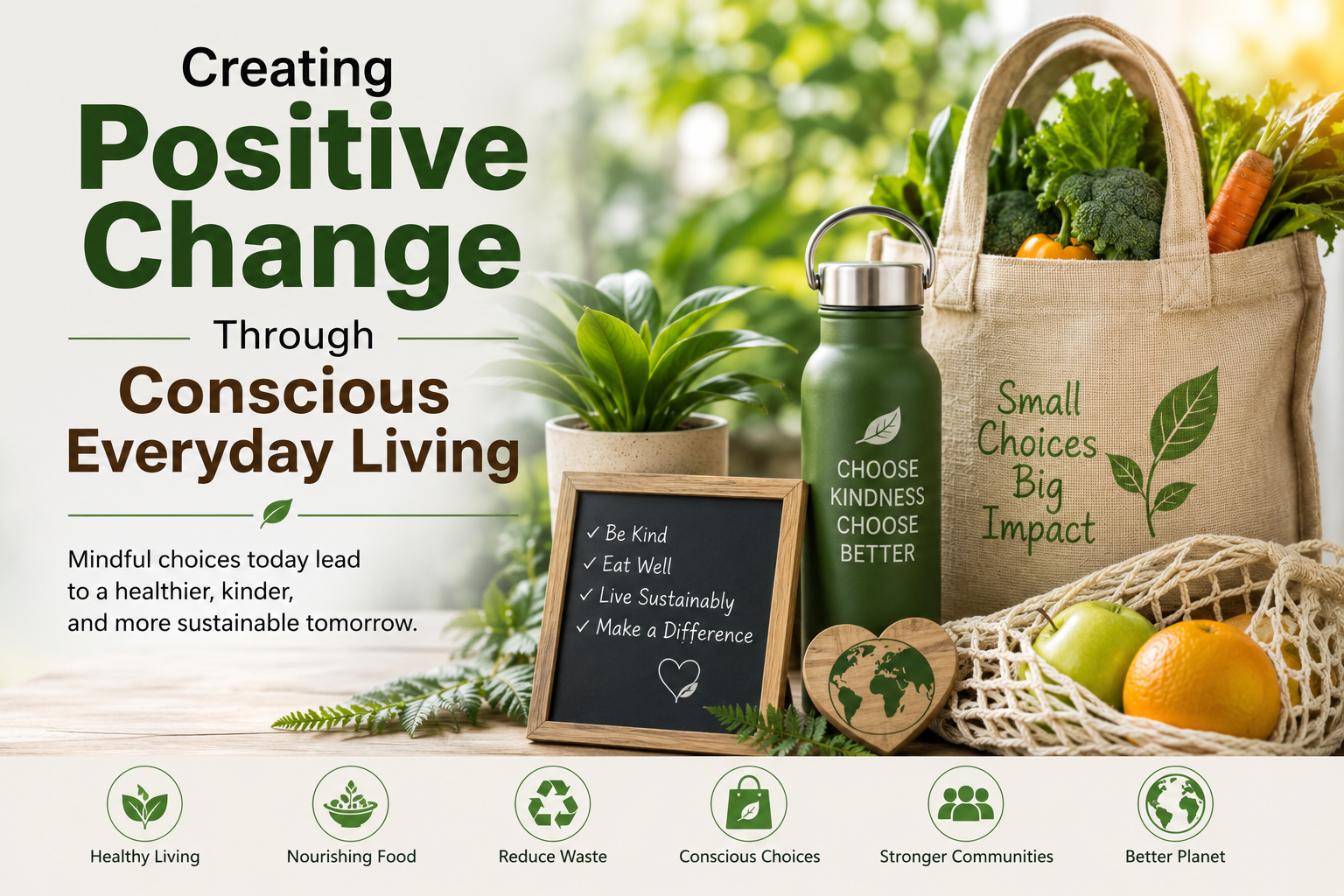
Positive change rarely happens overnight. Instead, it grows through the everyday decisions people make about their health, relationships, purchases, and interactions with the world around them. As awareness continues to increase regarding personal wellness and environmental responsibility, more individuals are seeking practical ways to align their daily habits with values that promote kindness, sustainability, and long-term well-being. Building a conscious lifestyle is not about achieving perfection but about making thoughtful choices that contribute to a better future.
Many people begin this journey by becoming more aware of how their routines influence both themselves and their surroundings. From selecting nutritious meals to reducing unnecessary waste, every small action has the potential to create a meaningful impact. When individuals understand that their personal decisions can contribute to larger positive outcomes, they often become more motivated to adopt habits that support lasting change.
One of the easiest places to start is by paying closer attention to food choices. Preparing meals with fresh ingredients and exploring diverse recipes encourages healthier eating habits while making mealtime more enjoyable. Many individuals discover that adding a wider variety of vegetables, fruits, whole grains, legumes, and natural ingredients introduces both nutritional benefits and exciting flavors. Rather than following short-term trends, developing balanced eating habits creates a sustainable approach that fits naturally into everyday life.
Education remains one of the strongest foundations for making informed decisions. Access to trustworthy information helps people better understand topics related to nutrition, environmental responsibility, ethical consumerism, and sustainable living. Continuous learning builds confidence and enables individuals to separate evidence-based guidance from misleading information. As knowledge grows, people become better equipped to make choices that reflect both personal values and practical realities.
Communities also play an important role in encouraging positive habits. Sharing experiences with others who have similar interests creates opportunities for inspiration, motivation, and mutual learning. Whether through online discussions, local events, educational programs, or supportive networks, communities provide valuable encouragement that makes long-term lifestyle improvements easier to maintain. Learning from real experiences often helps individuals overcome challenges while discovering practical solutions that work in everyday situations.
Responsible purchasing decisions have become increasingly important as consumers recognize their influence on businesses and industries. Every purchase supports particular production methods, business practices, and supply chains. By choosing products created with transparency, quality, and responsibility in mind, consumers encourage companies to adopt higher standards and improve their overall impact. Even modest purchasing decisions, when repeated consistently across large numbers of people, can contribute to meaningful industry-wide improvements.
Environmental awareness extends beyond shopping habits. Reducing waste, conserving energy, reusing household items, and minimizing unnecessary consumption are practical actions that benefit both individuals and communities. These habits often simplify daily life while helping preserve valuable natural resources for future generations. Sustainable living does not require dramatic sacrifices; rather, it encourages thoughtful decision-making that balances convenience with responsibility.
Technology has made educational resources more accessible than ever before. People can now explore reliable articles, practical guides, expert recommendations, and supportive communities from virtually anywhere. Those interested in expanding their understanding of responsible living can discover valuable insights through climate friendly diet, where educational content and practical information help readers make informed decisions that fit their personal goals and lifestyles.
Developing positive habits requires patience and consistency rather than speed. Many people experience greater success when they focus on gradual improvements instead of attempting major lifestyle changes all at once. Small, manageable adjustments are often easier to maintain and eventually become natural parts of everyday routines. This steady approach reduces frustration while building long-lasting confidence.
Families can also benefit from making thoughtful choices together. Preparing meals as a group, discussing responsible consumption, reducing household waste, and supporting educational activities create opportunities for meaningful conversations and shared learning experiences. Children who observe these positive habits often develop a stronger appreciation for responsibility, kindness, and environmental awareness as they grow older.
Health and well-being are closely connected to daily lifestyle choices. Consuming balanced meals, staying physically active, maintaining healthy routines, and making informed decisions all contribute to improved quality of life. At the same time, responsible habits that reduce waste and encourage sustainable practices often create benefits that extend beyond individual wellness. Many people find greater satisfaction knowing that their everyday actions contribute positively to both personal health and the broader community.
Meaningful progress should always be measured against personal growth rather than comparison with others. Every individual has unique circumstances, experiences, and goals. What matters most is remaining committed to learning, improving, and making thoughtful choices whenever possible. Even small changes become significant when practiced consistently over months and years.
Looking ahead, society continues moving toward greater awareness of how individual decisions shape collective outcomes. As more people embrace education, responsibility, and mindful living, communities become stronger and more resilient. Positive change grows through cooperation, curiosity, and a willingness to continue learning. By taking small but consistent steps every day, individuals contribute to a healthier future, encourage responsible practices, and inspire others to make thoughtful choices that benefit both people and the world they share.