
Opinion: An economy of the pure and unpure
How a scheme to produce religious food labels reflects Russia's divorce from the free market
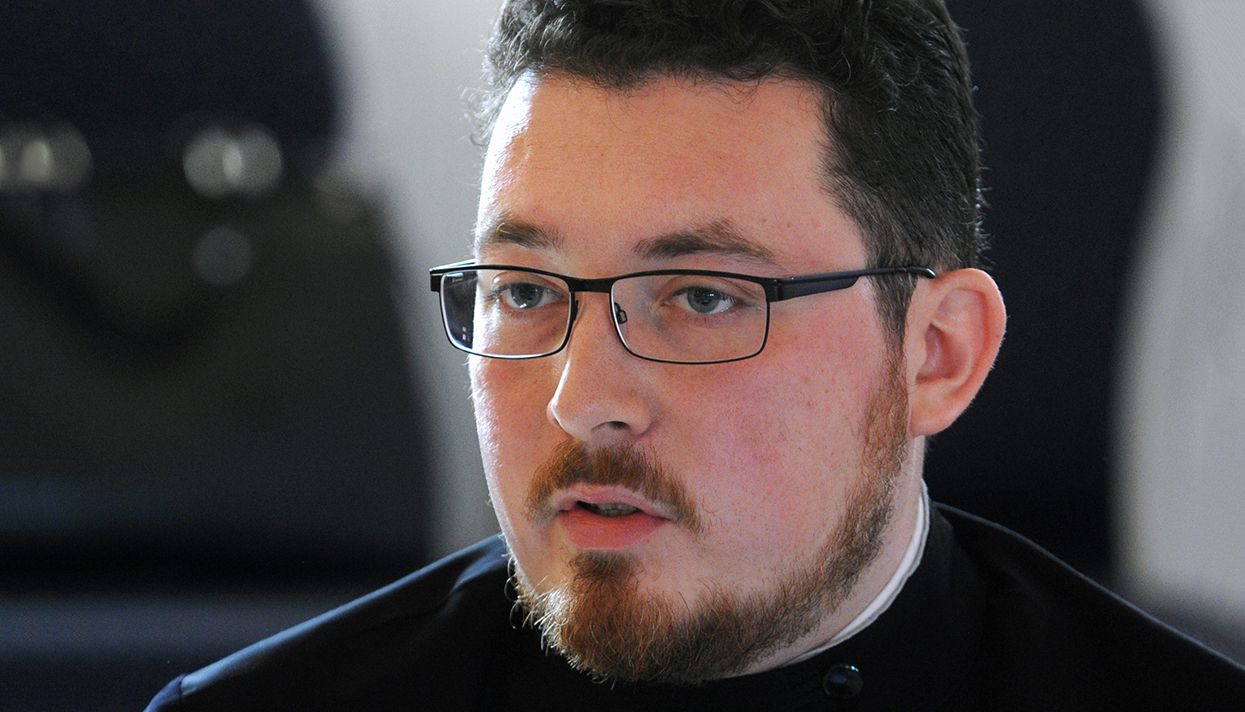
In late October, the chairman of the Russian Civic Chamber's commission on social policy, labor relations, and quality of life proposed introducing a voluntary seal on food denoting a "Russian Orthodox Standard," analogous to halal and kosher foods in Islam and Judaism. The idea has provoked mixed reactions, though the practice of introducing new regulations on food in Russia has been exceedingly popular for the past two years. In an opinion piece for the newspaper Vedomosti, editor-at-large Maxim Trudolyubov argues that the Orthodox kosher proposition is a reflection of larger trends in the Russian economy, where access to government levers rules supreme. Meduza translates that text here.
The recent suggestion to introduce Russian Orthodox standards for food, analogous to the requirements for halal and kosher foods for Muslims and Jews, reflects mainstream Russian thinking today, though it's more economic than religious.
Speaking on behalf of the Church establishment, the deputy head of the Section for Relations between the Church and Society, Roman Bogdasarov, expressed support for the idea. It's yet to be determined what exactly qualifies as "pure" Russian Orthodox food, but Bogdasarov says the focus should be on healthy foods. Without specifying the characteristics of healthy food, he railed against bottom-shelf alcoholic drinks, chips, and energy drinks, calling them junk food. In Bogdasarov's opinion, food also shouldn't contain trans fats or blood products, and it shouldn't use meat from animals slaughtered inhumanely.
Behind this modest business idea, there's probably somebody who dreams of making enough money to retire and settle down somewhere—someone who's quietly already begun producing the correct kind of food, hoping that the market is about to fall into his lap. The thinking here is about business first and foremost, and only later about what is "kosher." Fence off some economic territory, create a monopoly (just a little one—nothing too big), coordinate a few bans that will help create shortages in the market, and try to get some state subsidies for your noble cause. This logic is no different from the thinking of those who encouraged Russian lawmakers to ban the foreign storage of Russian Internet users' personal data, while simultaneously building data centers inside Russia. It's the logic of those who turned out to own vodka distilleries with a product priced strictly at the new rock bottom, just as the state cut minimum prices.
This is the logic of destroying existing products and suddenly releasing onto the market domestically-made goods that are neither cheap nor well-made. You could write a whole article listing various examples of this, but this is the main idea. This is the logic of import-substitution, which in its current Russian version is simply the redistribution of the market with the help of administrative resources. New winners in this familiar game easily wield state instruments like counter-sanctions, laws, and state regulations. This approach to economic activity removes the costs and negates the meaning of market criteria (like quality and price). Most importantly, it also sends a very clear message: any business venture in Russia is a monopoly sanctioned by the authorities, and the only players who can hope to take part are the ones who control the distribution of prohibitions and permissions. And the only people like this are the ones who are close to the Kremlin by kin or friendship—the "pure" and kosher people, in a sense.
Is there such a thing as Russian Orthodox food? Priest Petr Kolomeitsev put it well when he told the news agency Regions.ru, "Orthodoxy is a religion not of the law, but of goodwill. A legalistic approach prevents communion with God, and dietary restrictions determining the 'purity' of foods is uncharacteristic of the Russian Orthodox faith."