
Оригинал материала
The Real Russia. Today.
‘Meduza’ investigative journalist Ivan Golunov is arrested in Moscow on ludicrous drug charges
Friday, June 7, 2019
This day in history: Russian pop musician Natalya Ionova, better known as “Glukoza,” is now 33 years old. She was born today in 1986 in Syzran, in the RSFSR's Kuybyshev region (now known as the Samara region).
- A statement from CEO Galina Timchenko and editor-in-chief Ivan Kolpakov about Ivan Golunov's arrest in Moscow
- How police broke Russian law during Ivan Golunov's arrest
- Russian investigative journalists on the drug charges against Meduza's Ivan Golunov
- What we know, so far, about the case against Golunov
- How journalists and activists get prison time for drug charges in Russia
- Moscow police claim they found more than five grams of cocaine at Golunov's home
- Golunov's supporters rally in his defense
- For the past five years, loan sharks have forced more than 500 Muscovites from their homes. Here's how the industry works.
A statement from CEO Galina Timchenko and editor-in-chief Ivan Kolpakov about Ivan Golunov's arrest in Moscow
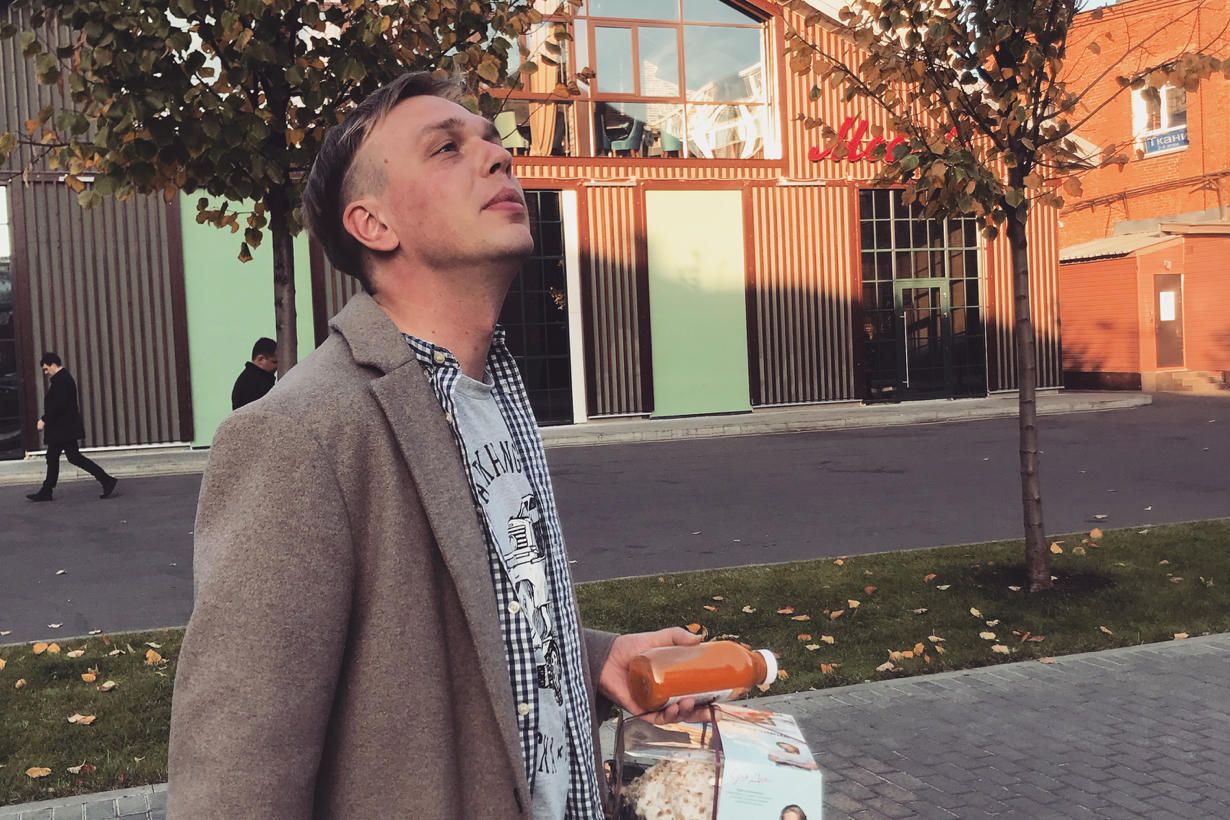
Our colleague and friend, Meduza correspondent Ivan Golunov, has been arrested in Moscow. Police supposedly found illegal drugs on his person and in his home, and detectives have claimed there was an “intent to distribute.” Golunov managed to say through friends that the officers planted two packages containing some unknown substance. He also stated that he wasn’t allowed to use a telephone and call a lawyer. Detectives only notified Golunov’s friend, BBC Russian Service correspondent Svetlana Reiter, approximately 14 hours later, in the middle of the night.
When he’d finally been granted access to an attorney, Ivan asked the police to take samples from his hands and fingernails for forensic analysis that could determine if he was ever in contact with the drugs police say they found. Ivan’s request was denied. Ivan was beaten during his arrest and while in custody, before he was allowed to see a lawyer. When a lawyer saw his injuries, he tried to summon paramedics to record evidence of the mistreatment. The police denied this request, as well.
Ivan Golunov is one of the best known investigative journalists in Russia. You have likely read his work at Meduza, which includes this recent extensive report on predatory microfinance institutions in Moscow. He’s also written about the relatives of Moscow Deputy Mayor Pyotr Biryukov, and an organization scheming to take over Russia's funeral industry. Ivan Golunov’s professional reputation is impeccable. He is a meticulous, honest, and impartial journalist, and outside work Ivan is one of the most decent people we know.
We are convinced that Ivan Golunov is innocent. Moreover, we have reason to believe he’s been targeted because of his work as a journalist. We know that Ivan has received threats in recent months, and we think we know from whom. Meduza will follow closely every action by the investigators in Golunov’s case. We will find out who is behind this, and make the information public. We will defend our journalist by all available means.
No phone call, no attorney, no food, no sleep
Meduza correspondent Ivan Golunov was arrested in Moscow on June 6 and charged with attempting to sell drugs. Golunov’s attorneys reported that police had provoked Golunov during the arrest proceedings and violated numerous aspects of Russian law. Meduza has collected the arresting officers’ most representative violations of the rights guaranteed in Russia’s “On Police” statutes.
- Term of detention
- Right to a phone call to friends and family members
- Right to an attorney
- Conditions of detention
Read Meduza's full breakdown: “How police broke Russian law during Ivan Golunov's arrest”
‘I don’t believe it for a second’
During a search of Golunov's clothing, officials found a packet containing a narcotic substance, and another packet was found afterward in his apartment. Golunov has argued that both packets were planted. Meduza’s editorial board believes he is innocent and that the persecution he is facing may be related to his journalistic work. We asked Russia’s leading investigative reporters to comment on Ivan Golunov’s arrest.
Read what colleagues are saying: “Russian investigative journalists on the drug charges against Meduza's Ivan Golunov”
What we know about the case, so far
- On June 6, around 2:40 pm.m, police arrested Meduza correspondent Ivan Golunov on Tsvetnoy Boulevard in Moscow.
- Golunov was brought to Moscow’s Western Administrative District police station no later than 3:40 p.m.
- Police officers hit Golunov during the examination.
- News about Golunov’s arrest was made public only 12 hours after the fact.
- Police didn’t file a formal report until 3:50 a.m. on June 7, by which time a felony investigation was formally opened.
- Golunov says the drugs found in his possession are not his, and he maintains his innocence.
- The police searched Golunov’s apartment, but they shared photographs that were not taken at his home.
- Moscow Mayor Sergey Sobyanin has asked Moscow Interior Ministry head Oleg Baranov to take direct control over the criminal case against Golunov.
- The Attorney General’s Office says it will review the case against Golunov.
For details, read Meduza's full report here.
How Russian authorities use Article 228 to put activists and journalists in jail
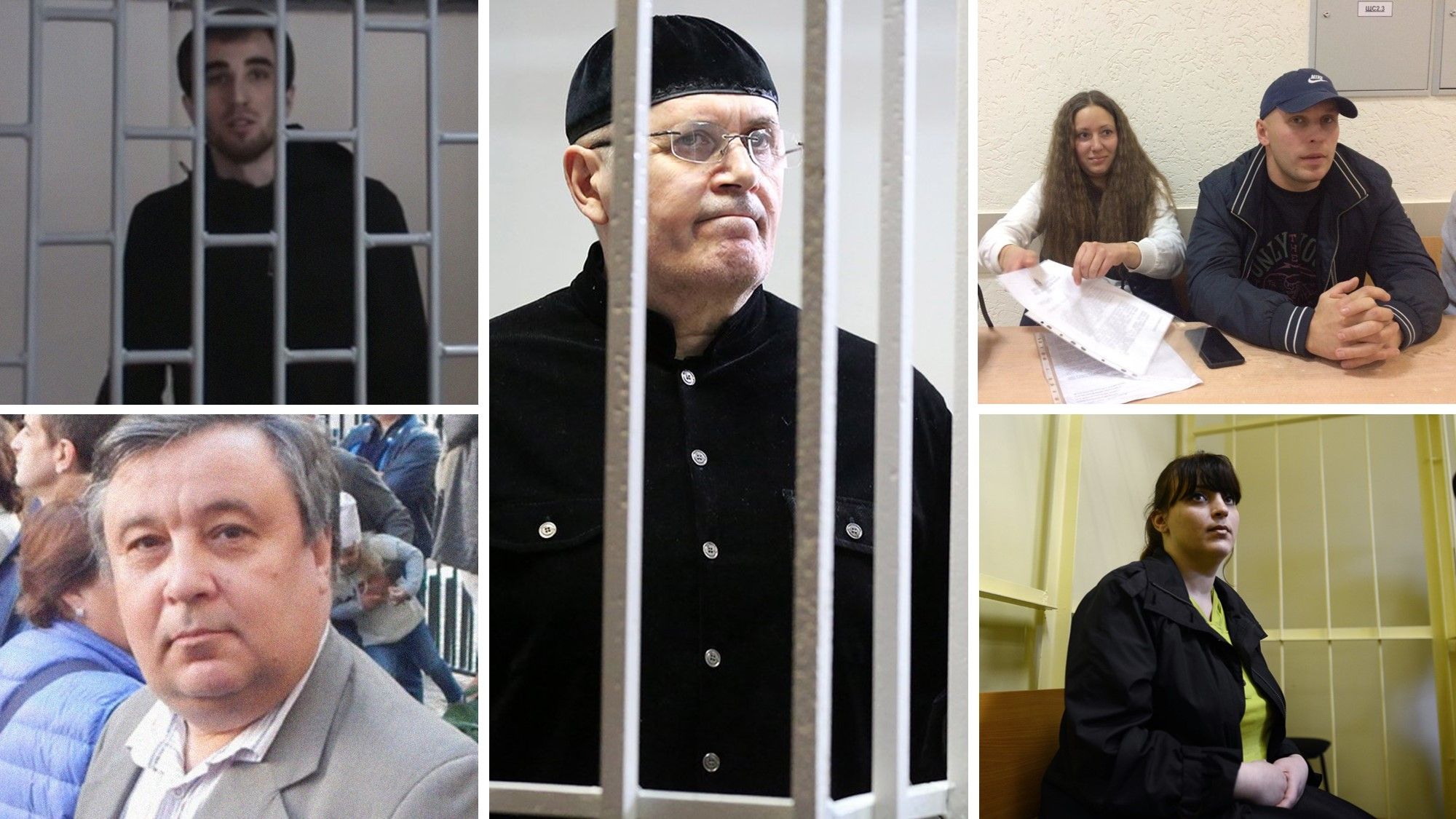
Article 228 of the Russian Criminal Codex (illegal acquisition, possession, transportation, production, or processing of narcotic drugs) became a powerful tool in the government’s fight against opposition and human rights activists well before Meduza correspondent Ivan Golunov was arrested under the statute on June 6. In the past few years, there have been no fewer than eight cases in which that same article was applied to journalists, human rights defenders, and Russian citizens who simply took an active role in civil society.
Read about eight cases like Ivan's here.
More than five grams of cocaine?
Moscow police now say they found more than five grams of cocaine when searching Meduza investigative journalist Ivan Golunov’s home. In a press release, the city’s police department also blamed one of its officers for an earlier public statement about Golunov’s arrest that featured photographs not taken at his home.
Read the story here.
Golunov's supporters rally in his defense
- Police begin arresting protesters demanding Ivan Golunov's release
- Police resume arresting protesters during picket in support of Golunov
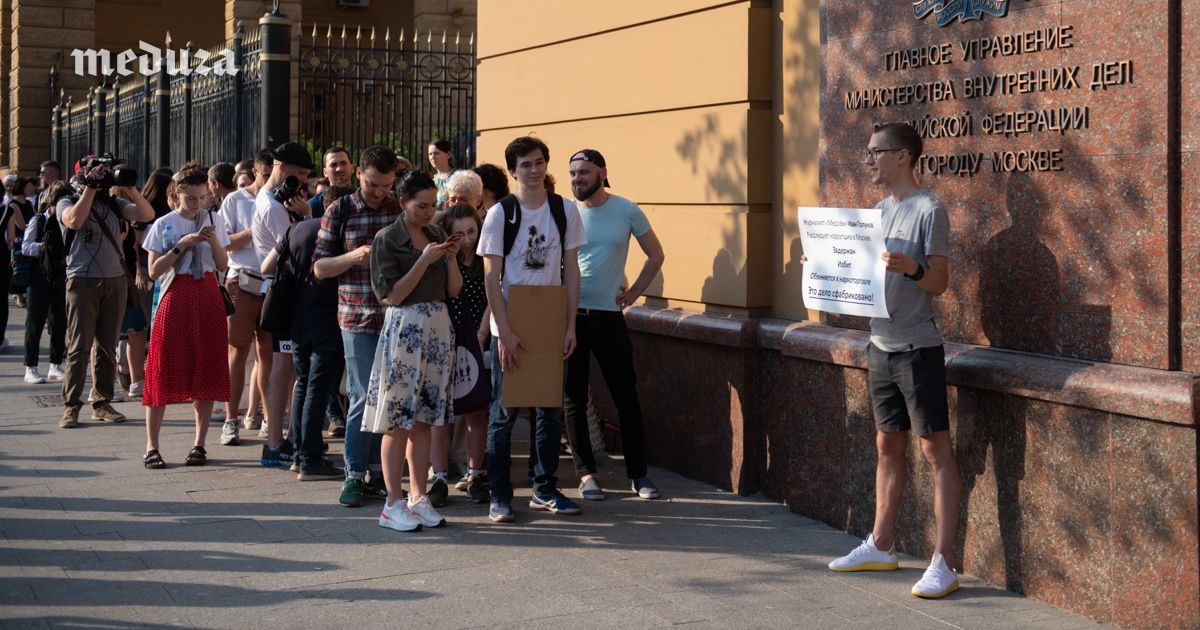
On the evening of June 7, protesters began to gather outside the headquarters of Moscow’s Interior Ministry branch to demand the release of Meduza correspondent Ivan Golunov. Because any public demonstration involving more than one person must receive advance government approval to have legal status in Russia, the picketers have formed a long line to take turns holding up signs by the building. Police officers arrested several of the picketers but later released them without charges. Ivan Golunov was arrested on accusations of large-scale attempted drug dealing. He argues that police planted packets of narcotics in his backpack and his home.
Ivan's latest investigative report: “The Evictors”
In Moscow and the surrounding region, there’s a whole industry of what are known as “black creditors” — microfinance institutions (MFOs) that deceive and seize debtors’ homes. Meduza managed to find almost 500 apartments lost by their owners over the past five years without so much as a court order. In fact, this scheme involves more than simply “squeezing” people from their homes, and it is possibly part of a wider, international money-laundering system. Meduza special correspondent Ivan Golunov explains the ins and outs of this industry.
Read Ivan Golunov's report: “For the past five years, loan sharks have forced more than 500 Muscovites from their homes. Here's how the industry works.”
Yours, Meduza