
Оригинал материала
Moscow police say Ivan Golunov refused to surrender forensic samples, and here’s why that claim looks extremely bogus
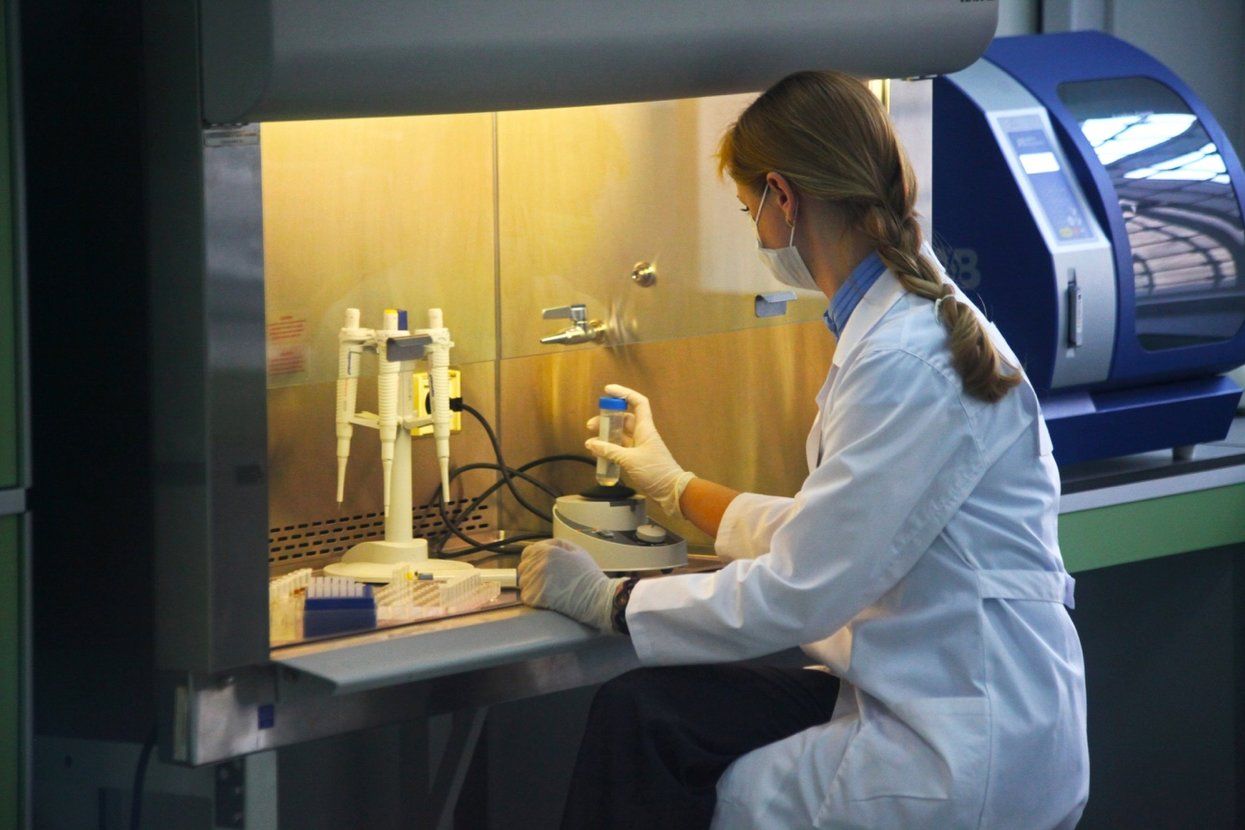
Meduza special correspondent Ivan Golunov has been arrested in Moscow on suspicion of illegal drug possession with the intent to distribute. Officers seized several packets of narcotics they say they found in his backpack and at his home, but they initially refused to collect samples from his hands and fingernails, for forensic analysis that could determine if he was ever in contact with the drugs police say they found. The authorities finally carried out the examination, only after a visit from public monitoring commission members.
Why weren’t the forensic samples collected immediately?
Ivan Golunov says he only learned from his lawyer about the possibility of handing over hand swabs and samples of his fingernails. On the morning of June 7, he asked police officers to collect the samples for analysis, but the authorities didn’t collect these samples until the evening, after the news media reported the authorities’ initial refusal.
Ivan Golunov’s testimony
“I do not admit to committing any crime, and the narcotic substances do not belong to me. I would also like to add that my hand swabs and nail samples have not been collected between the moment of my actual arrest at 2:30 p.m., June 6, 2019, and 8:25 a.m. [June 7]. Because I’ve never used or handled illegal narcotics, the absence of any drug traces on my hands could prove my innocence. In that regard, I ask you to collect samples from my hands and fingernails.”
Spokespeople from the Moscow police department then claimed that Ivan Golunov initially refused to turn over samples of his fingernails. The authorities said they only managed to get the forensics when public monitoring commission members arrived and officials asked Golunov again for the samples.
The statement from the police is suspicious, because detainees in Russia cannot refuse to surrender forensic samples
In a tweet on Friday, Alexander Khinshtein (the deputy chairman of the State Duma’s State Security and Anti-Corruption Committee) drew attention to the fact that Ivan Golunov could not have refused to surrender hand swabs and fingernail samples, stating that police are “required” to collect forensics in felony drug cases, including blood, urine, hair, fingernails, and hand swabs. “Without this, there can be no charges!” he explained.
According to Russian law, state investigators can take these samples by force, if suspects refuse to surrender them voluntarily. This process isn’t described explicitly in Article 202 of Russia’s Criminal Procedural Code, but it has been established in multiple Constitutional Court rulings.
- Suspects and defendants may not testify against themselves, but the right to remain silent does not grant them the right to refuse to participate in legal proceedings intended to establish their guilt.
- Forcibly obtaining samples for comparative analysis does not violate human dignity, insofar as Article 202 of the Criminal Procedural Code explicitly prohibits the use of methods that are dangerous to human life and health, or are degrading to individuals’ honor and dignity. A person’s right to personal inviolability can be limited, where reasonable and appropriate.
Text by Dmitry Dmitriev
Translation by Kevin Rothrock