Дата
Автор
Denis Dmitriev, Alexander Baklanov
Источник

Сохранённая копия
Оригинал материала
Hitting back against quarantine breakers
Russian lawmakers adopt strict new penalties, including criminal punishment, for offenses against the national effort to curb the spread of coronavirus
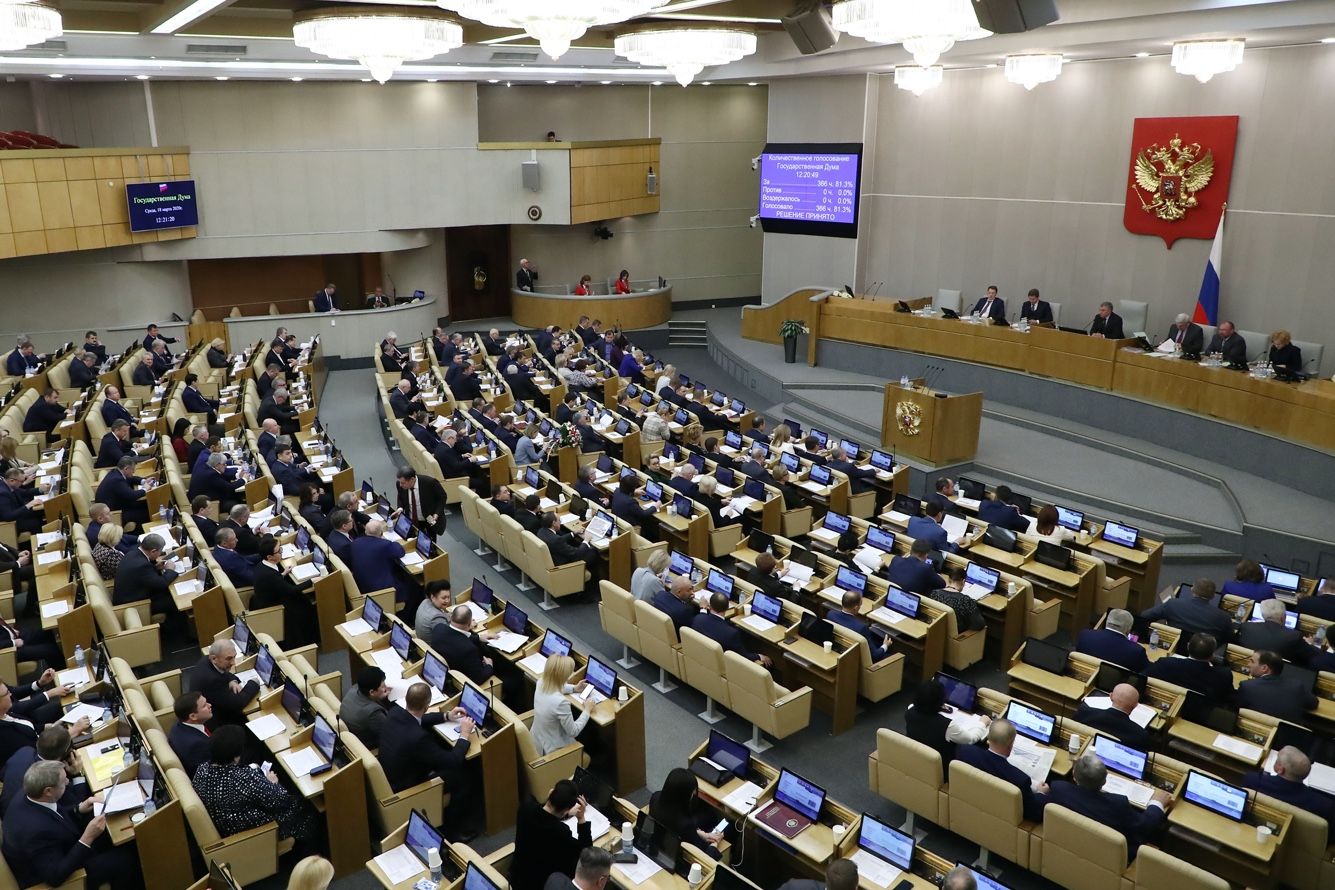
On March 31, lawmakers in Russia’s State Duma adopted the revised and final drafts of legislation that imposes new administrative penalties on violations of quarantine and the dissemination of false information about coronavirus, as well as criminal sanctions for spreading fake news and violating sanitary-epidemiological rules. The Federation Council is expected to pass the legislation later in the day.
Penalties for violating quarantine
State Duma lawmakers adopted legislation that introduces administrative penalties for violating quarantine “in the event of a state of emergency or when a disease that poses a danger to others threatens to spread.” The new law amends Russia’s Code of Administrative Offenses, modifying regulations on sanitary and epidemiological safety, and imposes the following penalties:
- Fines between 15,000 and 40,000 rubles ($190 and $510) for individuals
- Fines between 50,000 and 150,000 rubles ($640 and $1,915) for public officials
- Fines between 50,000 and 150,000 rubles ($640 and $1,915) for the self-employed or the suspension of all operations for up to 90 days
- Fines between 200,000 and 500,000 rubles ($2,555 and $6,385) for legal entities or the suspension of all operations for up to 90 days
If the aforementioned actions or inaction result in harm or death, and if they aren’t classified as criminal offenses, the following penalties can be imposed:
- Fines between 150,000 and 300,000 rubles ($640 and $3,840) for individuals
- Fines between 300,000 and 500,000 rubles ($3,840 and $6,385) for public officials or suspension for between one and three years
- Fines between 500,000 and 1 million rubles ($6,385 and $12,790) for foreign enterprises and legal entities or the suspension of all operations for up to 90 days
The State Duma’s draft legislation also introduces into Russia’s Administrative Code an article on “Failure to Comply With the Rules of Conduct in an Emergency Situation or the Threat of Its Occurrence,” imposing responsibility for failure to comply with rules of conduct introduced by the state authorities when announcing a state of high alert (which is already in effect nationally across Russia because of coronavirus). Violations of these rules could incur the following penalties:
- Fines between 1,000 and 30,000 rubles ($13 and $385) for individuals
- Fines between 10,000 and 50,000 rubles ($130 and $640) for public officials
- Fines between 30,000 and 50,000 rubles ($385 and $640) for foreign enterprises
- Fines between 100,000 and 300,000 rubles ($1,280 and $3,840) for legal entities
Failure to comply with conduct rules in a high-alert situation that results in harm to life or damage to property can incur the following penalties:
- Fines between 15,000 and 50,000 rubles ($190 and $640) for individuals
- Fines between 300,000 and 500,000 rubles ($3,840 and $6,385) for public officials or suspension for between one and three years
- Fines between 500,000 and 1 million rubles ($6,385 and $12,790) for foreign enterprises and legal entities or the suspension of all operations for up to 90 days
Penalties for legal entities that spread fake news
The State Duma’s legislation also imposes administrative penalties against legal entities for using the mass media or Internet to disseminate false information “about circumstances that pose a threat to the lives and safety of the public,” including during epidemics.
Legal entities face fines from 1.5 million to 3 million rubles ($19,170 to $38,335). If the false information in question leads to the death of a person or a large-scale violation of the public order, the fines against legal entities jump to between 3 million and 5 million rubles ($38,335 and $63,895). Repeat violations can incur fines between 5 million and 10 million rubles ($63,895 and $127,800).
Penalties for ordinary people who spread false information
These violations are punishable as both administrative and criminal offenses. Russia’s Administrative Code already imposes penalties on individuals for spreading false information on the Internet and in the mass media: fines between 100,000 and 300,000 rubles ($1,280 and $3,840). The State Duma’s new legislation would raise the penalties on the repeated distribution of false information that threatens people’s lives or safety, imposing fines on individuals ranging from 300,000 to 400,000 rubles ($3,840 to $5,115) and fines against public officials between 600,000 and 900,000 rubles ($7,670 and $11,500).
Lawmakers also adopted amendments to Russia’s Criminal Code, revising Article 207.1, imposing the following punishments for distributing false information about circumstances that pose a threat to the lives and safety of the public:
- Fines between 300,000 and 700,000 rubles ($3,840 and $8,955) or equal to the amount of the convict’s income for a period of between 12 and 18 months
- Up to 360 hours of compulsory labor
- Up to a year of community service
- Up to three years of probation
Against persons who disseminate false information that leads to “grave consequences,” Criminal Code Article 207.2 will now impose the following penalties:
- Fines between 700,000 and 1.5 million rubles ($8,955 and $19,170) or equal to the amount of the convict’s income for a period of up to 18 months
- Up to a year of community service
- Up to three years of correctional labor
- Up to three years in prison
If the disseminated fake information leads to someone’s death, the following penalties are possible:
- Fines between 1.5 million and 2 million rubles ($19,170 and $25,520) or equal to the amount of the convict’s income for a period of 18 months to three years
- Up to two years of community service
- Up to five years of correctional labor
- Up to five years in prison
Penalties for violating sanitary-epidemiological rules
The State Duma also adopted legislation increasing the penalties for violating Russia’s sanitary-epidemiological rules (specified in Criminal Code Article 236). The Federal Service for Consumer Rights Protection and Human Welfare previously told Meduza that “sanitary-epidemiological rules and regulations designed for human welfare are applicable to legal entities but not individuals.” Lawmakers’ new amendments won’t apply these regulations to ordinary citizens, but they will make the rules enforceable against public officials who are currently obligated to observe certain sanitary requirements.
At the same time, State Duma deputies amended the legislation’s second draft to mitigate the maximum allowed punishments for certain offenses. For negligence that results in the mass infection or poisoning of people or the threat of such infection or poisoning, the following penalties are possible:
- Fines between 500,000 and 700,000 rubles ($6,385 and $8,955) — these fines were previously as high as 1 million rubles ($12,790) — or equal to the amount of the convict’s income for a period of 12 to 18 months (this previously went up to five years)
- Up to two years of community service (previously it was up to three years)
- Up to two years of correctional labor (previously it was up to three years)
- Up to two years in prison (previously it was up to three years)
Lawmakers also revised the legislation to remove requirements that regulatory violations committed deliberately to spread disease must be proved to have occurred before a person can be convicted of committing that crime.
Punishments for regulatory violations that result in death remain unchanged: if one person dies, offenders face up to five years in prison. If two or more people die, violators face up to seven years behind bars.
Story by Alexander Baklanov with assistance from Denis Dmitriev
Translation by Kevin Rothrock