
The Real Russia. Today.
Rural Russia’s struggles, remembering the journalist who burned herself alive, and Shoigu the writer
Friday, October 23, 2020
- Russia’s COVID-19 outbreak isn’t limited to big cities — it’s spread to rural areas, where a lack of doctors and quality healthcare makes it harder to survive
- Why Nizhny Novgorod’s most independent journalist, Irina Slavina, burned herself alive in front of the local police station
- Meduza correspondent Andrey Pertsev reviews Russian Defense Minister Sergey Shoygu’s new book
- News briefs: phytoplankton blooms in Kamchatka, Navalny never needed Putin, a smidge of nepotism, and the murder of a trans woman
Feature stories
⚰️ ‘Straight from our homes to the cemetery’
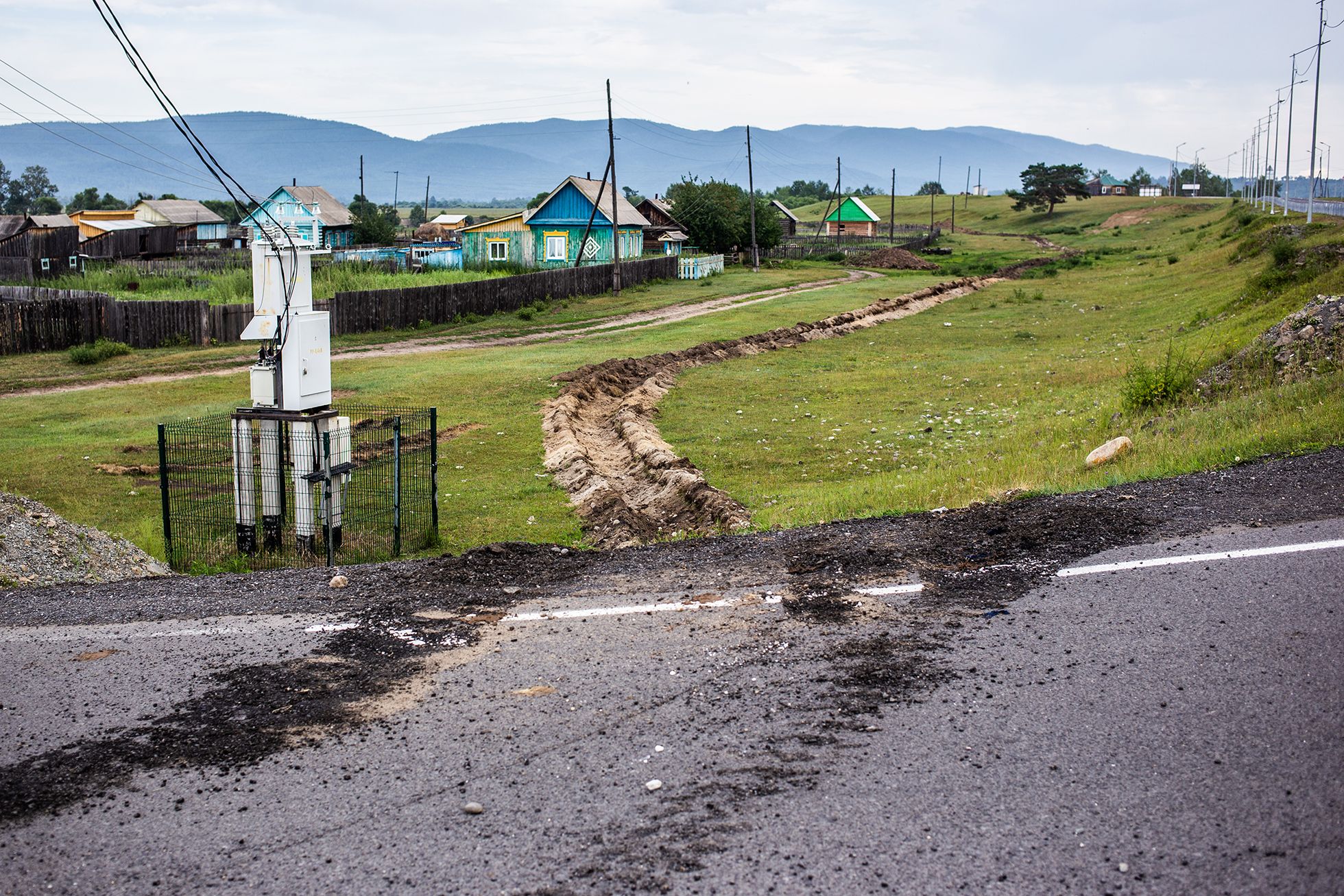
A second wave of coronavirus infections is currently hammering Russia. On October 20, more than 16,000 new cases were registered in a single day for the first time. Most of the cases are in Moscow, St. Petersburg, and other large cities, but the disease is spreading throughout rural Russia, as well. Meduza reports how local residents are trying to fight the disease with practically no help from doctors, and why officials sometimes use unusual methods to curb the spread.
🕯️ ‘I will remember her ashes forever’
On October 2, 2020, 47-year-old “KozaPress” editor-in-chief Irina Slavina killed herself by self-immolation in front of Nizhny Novgorod’s police headquarters. Before her suicide, in a post on Facebook, Slavina blamed the Russian Federation for her death. Her family, friends, and colleagues, who believe Slavina was driven to self-immolation by the authorities’ constant harassment, are calling it an act of heroism. Meduza special correspondent Kristina Safonova spent several days in Nizhny Novgorod to learn how the city and those who knew Slavina are coping with her death, and to find out how people are making sense of such a dramatic suicide.
📖 Yesterday’s gone
In mid-October, the Russian publishing house AST released a new book titled “About Yesterday,” written by Russia’s Defense Minister Sergey Shoygu. As it turns out, the book isn’t about the army at all: among other things, Shoygu recalls the creation of the Emergency Situations Ministry, which he headed for many years, as well as his clashes with the politicians of the 1990s. But the majority of the book, which is made up of individual stories, is devoted to everyday Soviet life and the relationship between Communist Party bosses and the inhabitants of the USSR. While Shoygu appears to criticize Soviet times, he clearly recalls this period with a sense of nostalgia — or so says our special correspondent Andrey Pertsev, who read the book on assignment. You can read his review here.
Other news in brief
- 🏄♀️ Barnacles! Russian federal investigators say they now believe the pollution of waters off the coast of Kamchatka in Avacha Bay, which has decimated local marine life, is due to natural events, including unusual phytoplankton blooms.
- 🛂 Thanks but no thanks. Alexey Navalny says he isn’t subject to any travel restrictions that would have prevented him from leaving Russia. In other words, he didn’t need Putin’s “personal authorization” to go abroad for treatment following his poisoning in August.
- 💰 All in the family. In apparent corruption news, two construction companies owned by businessman Mukharbi Cherkesov — the father of Bella Cherkesova, Russia’s new deputy minister of Digital Development, Communications, and Mass Media — have reportedly earned about $14.4 million in state contracts since 2008 when Cherkesova joined the government.
- 👮 On the books. In Novosibirsk, ex-police officer Denis Kalinin has been officially charged with the murder of transgender woman Viktoria Basakovskaya, whom he dated previously.
🚨 This day in history: 18 years ago today, on October 23, 2002, terrorists seized the crowded Dubrovka Theater in Moscow during a performance of the musical “Nord Ost,” taking captive more than 900 people, including actors, audience members, and some children. On the morning of October 26, police stormed the theater to free the hostages, killing 174 people in the process.
Yours, Meduza