
Оригинал материала
‘We’ve created a majority!’
Alexey Navalny addresses his supporters in a new message from prison
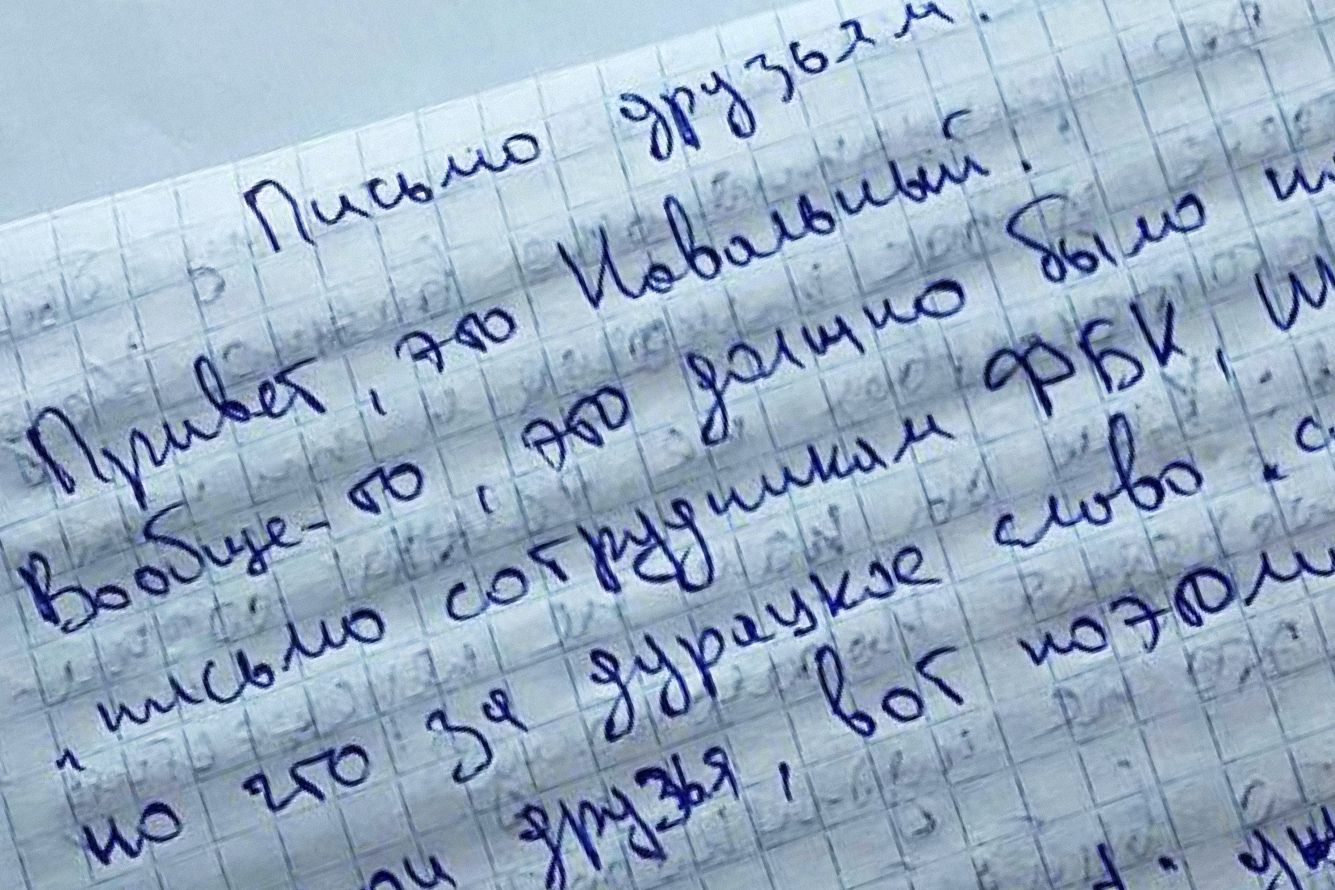
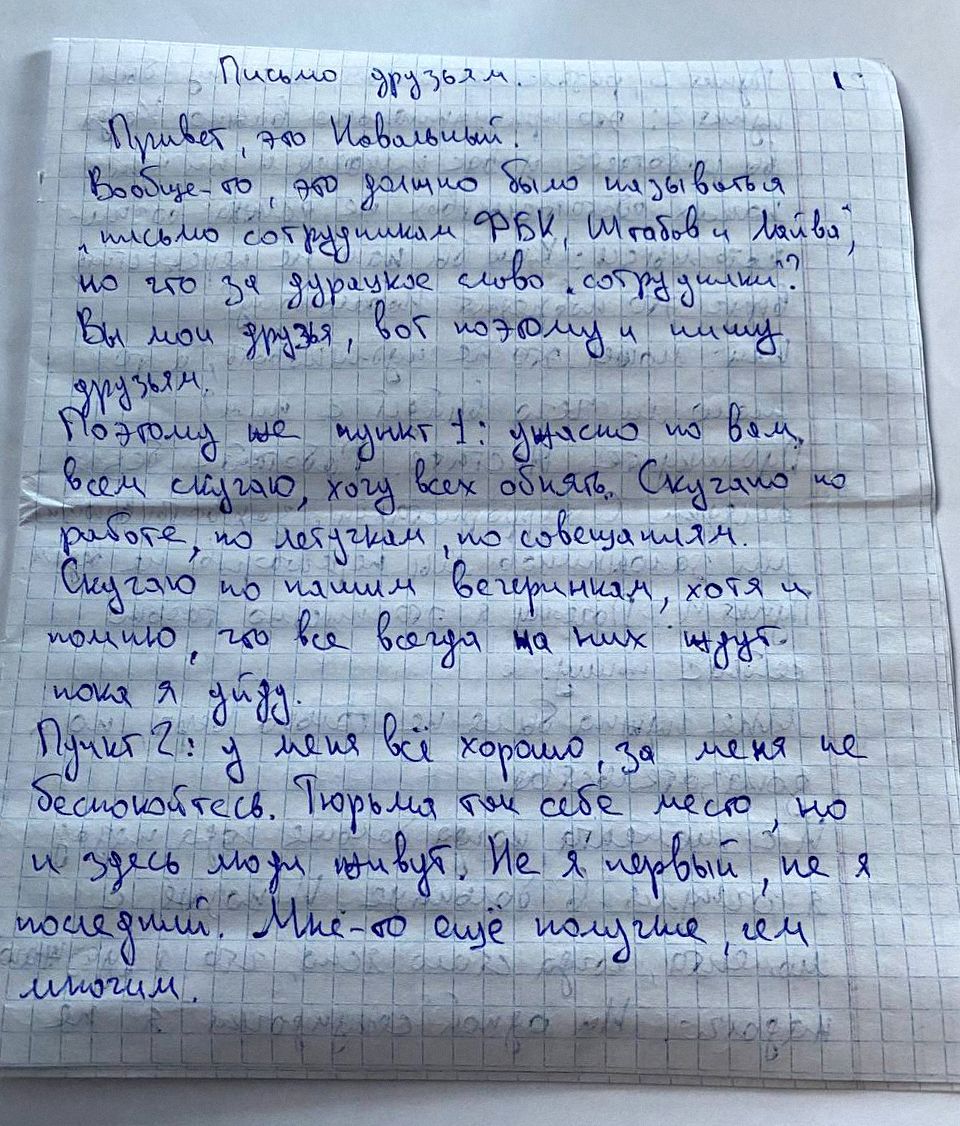
Alexey Navalny’s dramatic return to Moscow and immediate imprisonment was more than eight months ago. The anti-Kremlin opposition leader currently occupies a cell at a penitentiary in the Vladimir region. From here, he’s watched the authorities systematically outlaw and dismantle his nationwide network of political campaign offices and the domestic infrastructure of the Anti-Corruption Foundation. Yet his core team has continued to operate. In 2021, the group’s biggest project was a strategic voting initiative in Russia’s September parliamentary elections that provoked the authorities’ fierce resistance. In a new letter addressed to his colleagues and supporters (obtained by Meduza), Navalny says he’s now ready to assess the past few months. Divided into six main points, the text is a mission statement where Navalny interprets the election results, appraises the effectiveness of the Smart Vote project, and outlines the movement’s future. Meduza summarizes the letter below.
(1) TLC
Navalny sends hugs to all his colleagues, saying that he misses them and their work together.
(2) Feelin’ fine
Navalny says that he is okay in prison and acknowledges that many inmates endure far worse conditions.
(3) Don’t worry about me
Navalny urges his supporters not to censor or limit their own activism for fear of provoking reprisals against him while in prison. “Keep working without looking back,” he says. “We don’t negotiate with hostage-taking terrorists.”
(4) Stolen elections and roadblocks to progress
Navalny congratulates his team with “smashing the thieves from United Russia” and forcing the Kremlin to mobilize its entire arsenal of fraud to neutralize Smart Vote. “We’ve created a majority!” he says, both crediting Smart Vote with rallying more voters than United Russia and acknowledging that the authorities “basically pulled it off,” albeit at a high price.
Navalny says his team pressured the state to adopt policies so repressive that the Putin administration has become incompatible with Russia’s future development. “There will be no technology, no GDP growth, no education, and no healthcare,” he writes. “The regime was reborn in these few months of campaigning and its new form is inimical to growth in any shape.”
In Russia’s “near future,” Navalny foresees “degradation, lag, and rising prices,” and he warns that the Kremlin will pass these costs onto ordinary Russians.
Navalny also welcomes that his movement is “evolving and changing” without him. “It’s still unclear what kind of beast we’re becoming, but it’s definitely something beautiful, quick, brave, and sharp-toothed,” he writes, vowing that this year’s voter fraud will return to haunt the authorities again later in future public outrage.
(5) Get to safety
Navalny asks activists not to worry about the ethics or heroism of leaving the country. This dilemma has hounded Russian oppositionists for centuries, he says, but it’s now more “remote work” than“emigration.” “It’s a big, new world, so who cares where you’re sitting with your laptop? All that matters is what you do,” Navalny writes, insisting that anyone on his team is brave by default. With prisoners like former Arkhangelsk coordinator Andrey Borovikov, Anti-Corruption Foundation cameraman Pavel Zelensky, Navalny himself, and others, the movement already has enough members behind bars.
(6) Keep the faith
Navalny refrains from offering further advice, saying that his colleagues outside prison now have a far better grasp of affairs than he does. He concludes with a parting message that everything he’s witnessed since repatriating and landing in prison has convinced him continually that his supporters are “the best people in the world.” “You’re Russia’s hope,” Navalny says in closing. “Let’s love and appreciate these people even more in these difficult times.”
Summary by Kevin Rothrock