
Оригинал материала
«Thanks, grandpa, for the victory»: How Russia with its Soviet-era weapons is taking a beating from modern military tech
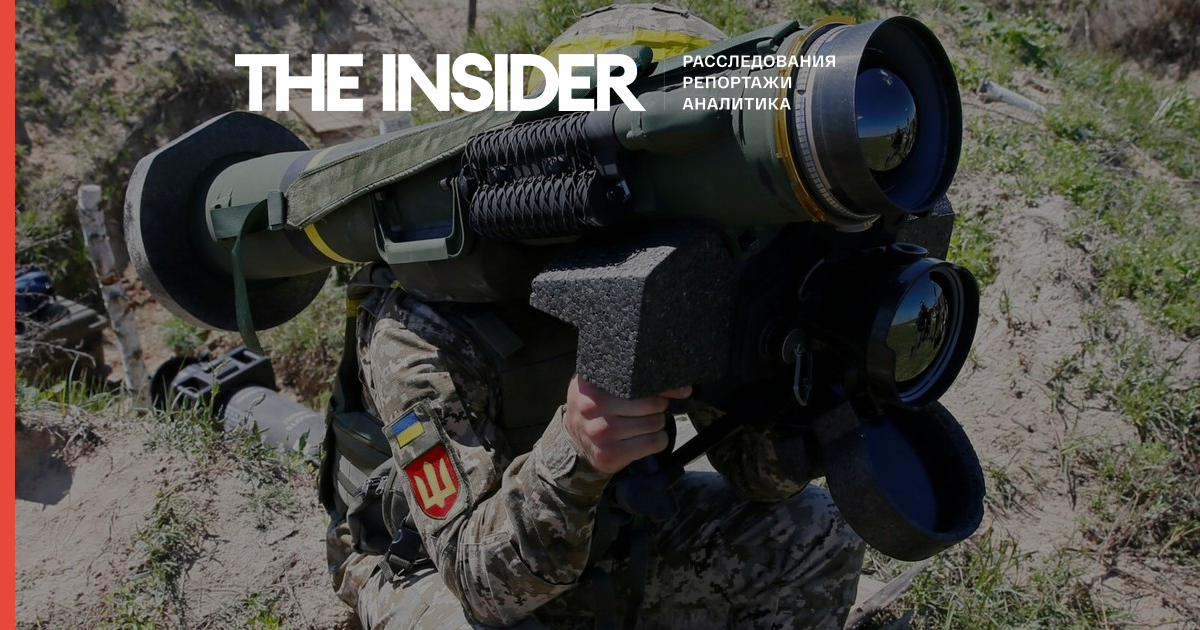
The attack of a state run by seventy-year-old KGB officers on Ukraine looks surprisingly archaic, with tanks, warships, and planes leading the offensive and razing cities down to the ground. Bombed-out Ukrainian communities have the aspect of Grozny or Aleppo, and the evidence of Russian troops using indiscriminate weapons includes hundreds of cases. We seemed to have entered the era of “new”, hybrid warfare of the fourth or even fifth generation, network-centric, asymmetric, or digital — the kind of conflicts where metal objects that go “boom” play a less prominent role, if any at all. However, the Russian commandment lives in the past and has dusted off its 1960s tanks.
New types of weapons
Russia’s aggression in Ukraine makes it evident that warfare categories are a formalistic concept, while real-world conflicts may combine the features typical of multiple generations of warfare – from the second to the fifth. However, if the classification is anything to go by, the participants of “new wars” pursue several objectives. Firstly, they try to avoid combat activities involving kinetic energy weapons. If this is not an option, they seek to keep civilian casualties to a minimum, ideally to zero (which is nearly impossible in practice, considering the specifics of available weapons and the blurring of the distinction between civilians and troops). Other objectives include total control over the narrative about the course of the war and the reasons for starting it. Doing as much damage as possible with as little effort as possible, by saving or forgoing the use of munitions and equipment, saving the lives and health of troops, and distancing the weapon from the target. Gathering as much data on the ongoing conflict and processing it as quickly and efficiently as possible. Finally, ensuring connectivity across all troops for the quickest possible strategy adjustment based on emerging data.
As for modern warfare technologies employed to meet these objectives, many of them are experimental weapons, such as DIME bombs with a small blast radius (and superheated tungsten dust that scorches tissues causing life-threatening injuries; Israel has been accused of using such explosives). Then there are biological or chemical weapons, including substances used on the warring party’s own soldiers to suppress fear, drive aggression, and make them less susceptible to pain and more alert. Another option to consider is non-lethal weapons, which temporarily blind and disorient or create areas of an irresistible heating sensation on the opponent's skin with electromagnetic waves. The list goes on to include state-of-the-art military tech like HoloLens AR helmets customized to the needs of the US Army and fully autonomous combat vehicles for land, water, and air.
Nevertheless, the key weapon of modern warfare is data, while the list of crucial technologies focuses on devices and algorithms for data collection, processing, and synchronization across multiple networks: drones, satellites, mobile devices, machine learning algorithms, and global and local communication networks.