
Оригинал материала
The spoils of war
How patience and loyalty secured Valery Gergiev his uniquely powerful new role in Russia’s cultural firmament
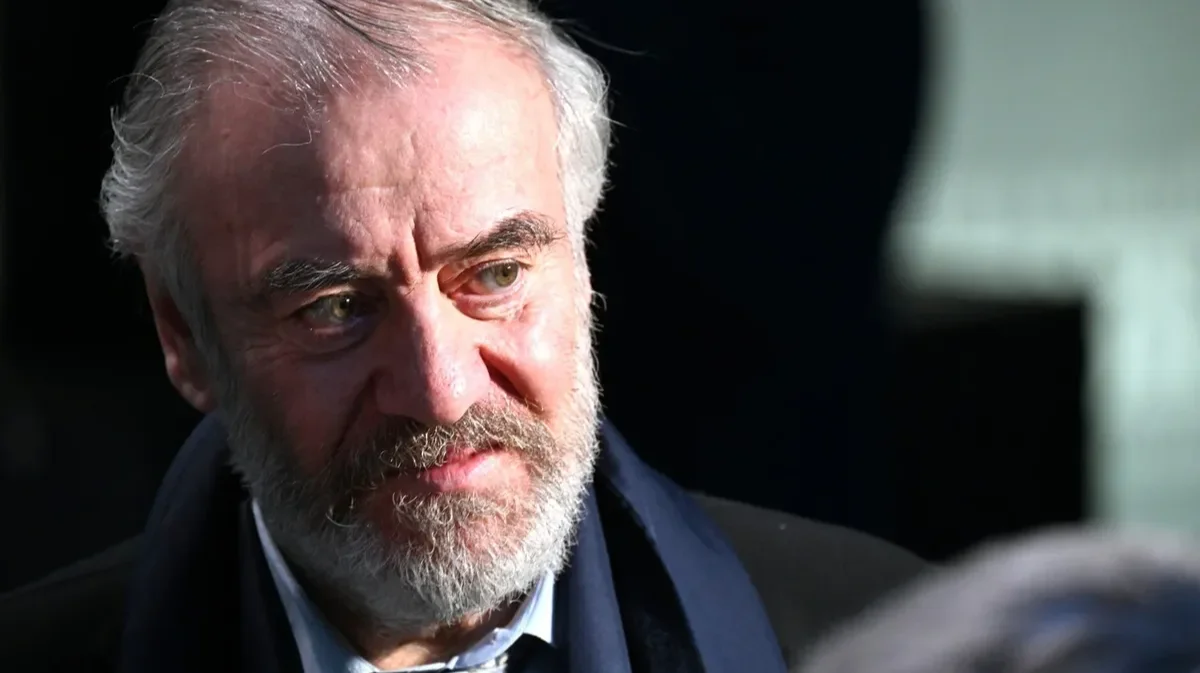
Valery Gergiev. Photo: Pavel Bednyakov / RIA Novosti / Kremlin
Ten years ago, Russia’s most celebrated conductor Valery Gergiev wrote a letter to Russian President Vladimir Putin proposing the merger of St. Petersburg’s Mariinsky Theater, which he leads, with several of the city’s other cultural institutions including the Vaganova Academy of Russian Ballet, the St. Petersburg State Conservatory and the Russian Institute of Art History.
Doing so, Gergiev argued, would allow him to “continue the historical traditions of the Imperial Theatre Directorate,” a tsarist institution that managed the leading Russian drama, opera and ballet companies of the day, at a time when all three were performed not only under the control of the imperial court, but also for the imperial court.
Given that the Imperial Theatre Directorate was responsible for four other major theatres that Gergiev didn’t even mention in his opening salvo, it’s likely that his proposal was a trial run for something far more ambitious.
That Gergiev’s attempt to revive an institution of empire failed in 2013 was a surprise given that he possessed all the key prerequisites for success in the Putin system: as well as being an outstanding and internationally recognised conductor, he is a longtime friend and supporter of Putin and is perceived by Russia’s elites to be “one of them”.
Indeed, as an investigation by Alexey Navalny’s Anti-Corruption Foundation disclosed last year, Gergiev appears to have adopted the Russian elite’s style of doing business, and was revealed to control an extraordinary multinational property empire.
Until his studied silence on Ukraine led to the cancellation of multiple contracts worldwide, Gergiev’s spectacular pre-eminence and apparent indefatigability was the stuff of legend, variously leading the London Symphony Orchestra, the philharmonics in both Munich and Rotterdam, and being chief guest conductor of the Metropolitan Opera in New York.
Though his fall from grace was relatively recent, Gergiev has long been content to lend his name and reputation to the Kremlin on the global stage, giving concerts in South Ossetia after Russia’s brief war with Georgia in 2008, and in the Syrian city of Palmyra in 2016. He also added his name to a letter supporting Russia’s illegal annexation of Crimea in 2014, and in perhaps the most important test of all, remained silent last year over the invasion of Ukraine.
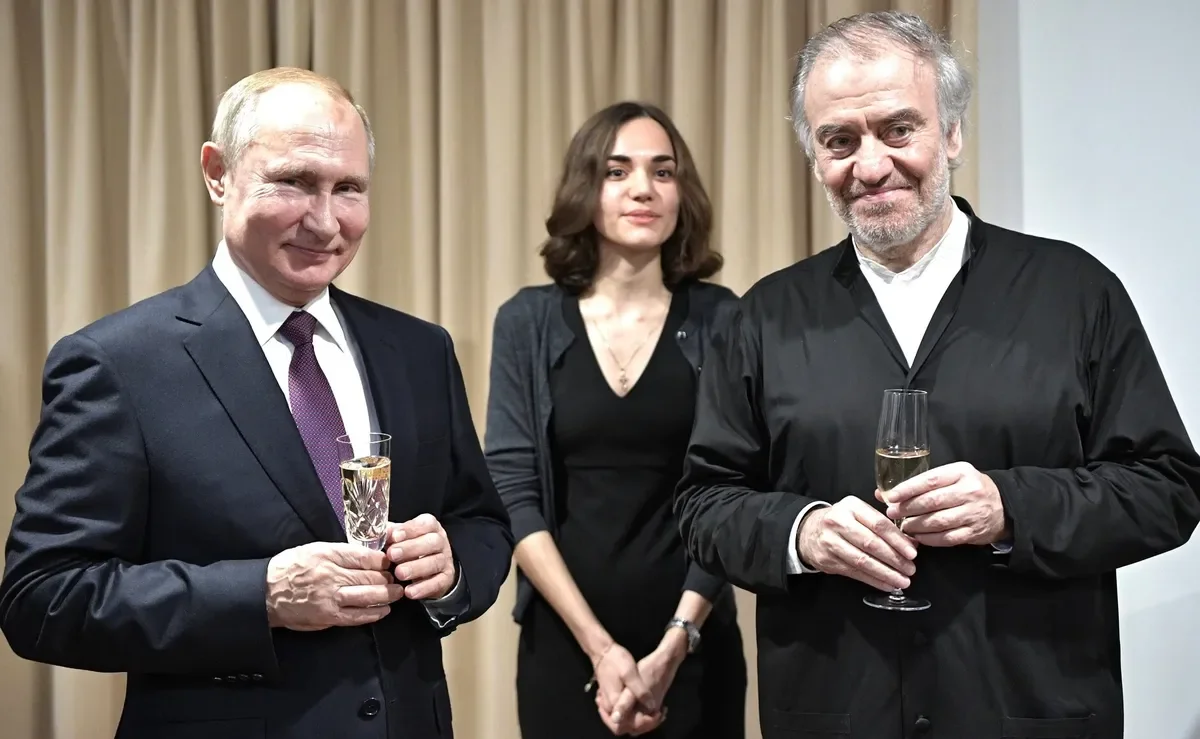
Gergiev is a talented manager, despite what many who know him term his impulsiveness and tendency to micromanage. This, coupled with his very busy schedule, has often led to decision-making paralysis and the scheduling of 2 AM meetings. Despite this, Gergiev’s track record as somebody who gets things done speaks for itself.
Failing to expand the scope of his cultural fiefdom in 2013, Gergiev was forced to settle for the more modest annexation of Vladivostok’s State Primorsky Theater of Opera and Ballet, which became the Primorsky Stage of the Mariinsky Theater in 2016, and the North Ossetian Opera and Ballet Theater in Vladikavkaz.
During this time, Russia’s other great artistic institution, Moscow’s Bolshoi Theatre, was beset by scandal over its poorly managed refurbishment, a series of high profile dismissals, the last-minute cancellation of the premiere of Kirill Serebrennikov’s ballet “Nureyev” over its LGBT content, and the notorious 2013 acid attack on the ballet troupe’s artistic director, the investigation into which revealed a toxic institution at war with itself.
Vladimir Urin, an experienced theatre manager with a more “Western” style approach, was brought in to right the ship.
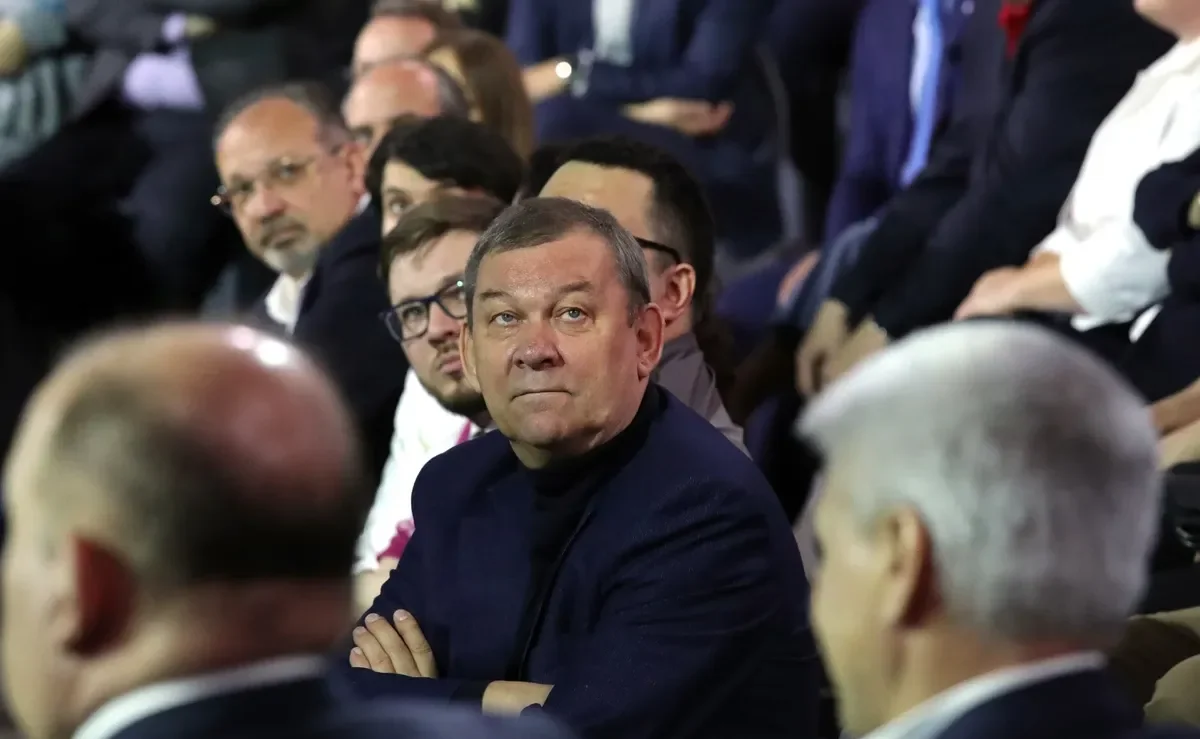
Urin proved to be the tough and experienced administrator the Bolshoi needed, his lack of artistic pretensions allowing him to remain above the fray to focus on improving the theatre’s finances and remedying its work culture.
The first public sign that he was out of step with the Kremlin came after the Russian invasion of Ukraine last year, when Urin signed an anti-war letter authored by a number of Russian artistic directors.
His decision to sign the letter reportedly caused particular irritation among Urin’s patrons in the Kremlin, who considered it forgivable for certain artists and performers to make emotional statements, but quite another matter altogether for a career administrator entrusted with a national treasure to do the same thing.
By contrast, Gergiev signed no letters and in fact did not speak about the war at all, accepting the termination of his multiple contracts with Western theatres with stony silence.
It was at that point that Putin suddenly proposed uniting the Bolshoi and Mariinsky under a single manager, asking Gergiev “How do you feel about this idea, to recreate such a general directorate?”
Fearing that the polarising Mariinsky Theatre boss’s appointment to run the Bolshoi could provoke a backlash given Gergiev’s history of clashes with the institution, the announcement of the plan was put on hold.
Now that sufficient time has passed, however, the plan is finally being set in motion as a gift to Gergiev for his 70th birthday. While Urin may have followed the instructions he received “from above” to remove the names of anyone who spoke out against the war in Ukraine from the Bolshoi’s playbill, as an experienced apparatchik he must have known not to acknowledge the new censorship rules publicly if he wanted to remain in his post.
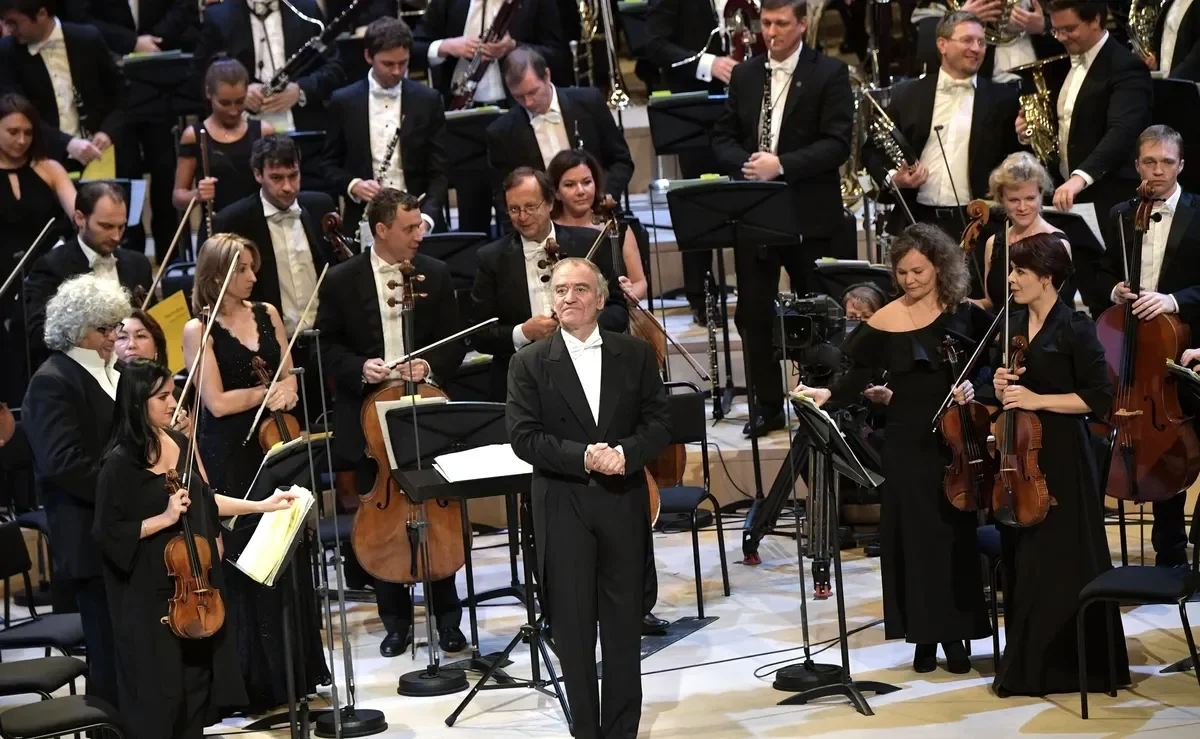
Multiple factors led to Urin’s resignation and the appointment of Gergiev, not least the purge of Russia’s cultural establishment following the start of the war, the raising of loyalty requirements, and the desire to reward Gergiev, a true friend to the Putin regime, but there is also an artistic consideration here: the Bolshoi Theater today is, of course, not just a theatre, but a theatre for the elite. Gergiev understands this, and has proved himself adept at creating exactly the kind of art in demand among the target audience.
The change in the Bolshoi’s management serves to underscore the fact that courtiers can earn a new fief for providing faithful service to the tsar, and that large state theatres in Russia are little more than feudal holdings to be disbursed as the emperor sees fit.
This system is not one that has developed since the war in Ukraine started: it’s the legacy of the Imperial Theatre Directorate of which Gergiev has always dreamt, which was later entrenched by the Soviet system. Timid attempts to tackle the issue were made in the 1990s and early 2000s, but, as in other areas of Russian life, they were not successful.