Оригинал материала
‘Yeltsin’s biggest mistake’
Looking back at the life of Boris Nemtsov, the man who might have been president
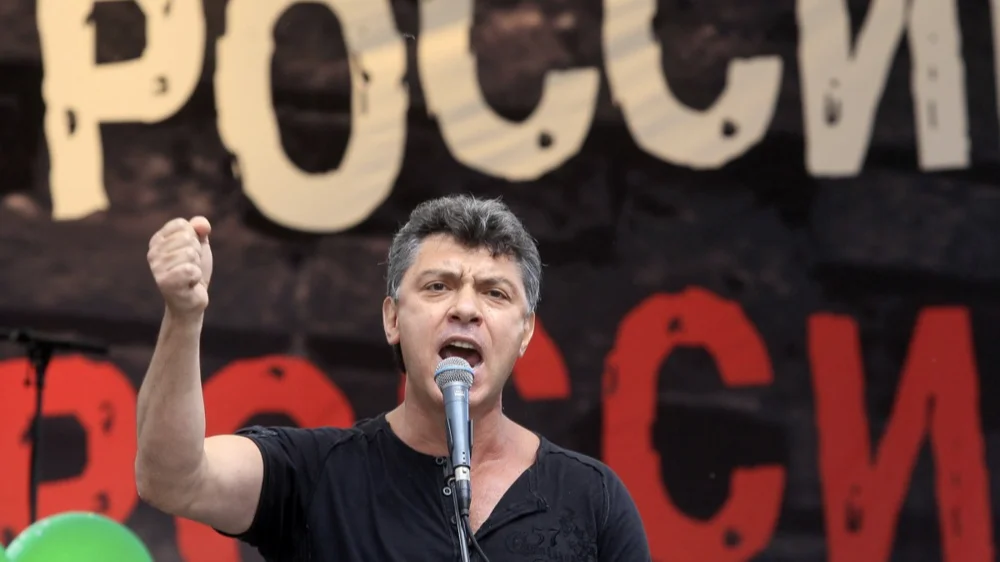
Boris Nemtsov attends an opposition rally in Moscow, June 2012. Photo: EPA/SERGEI CHIRIKOV
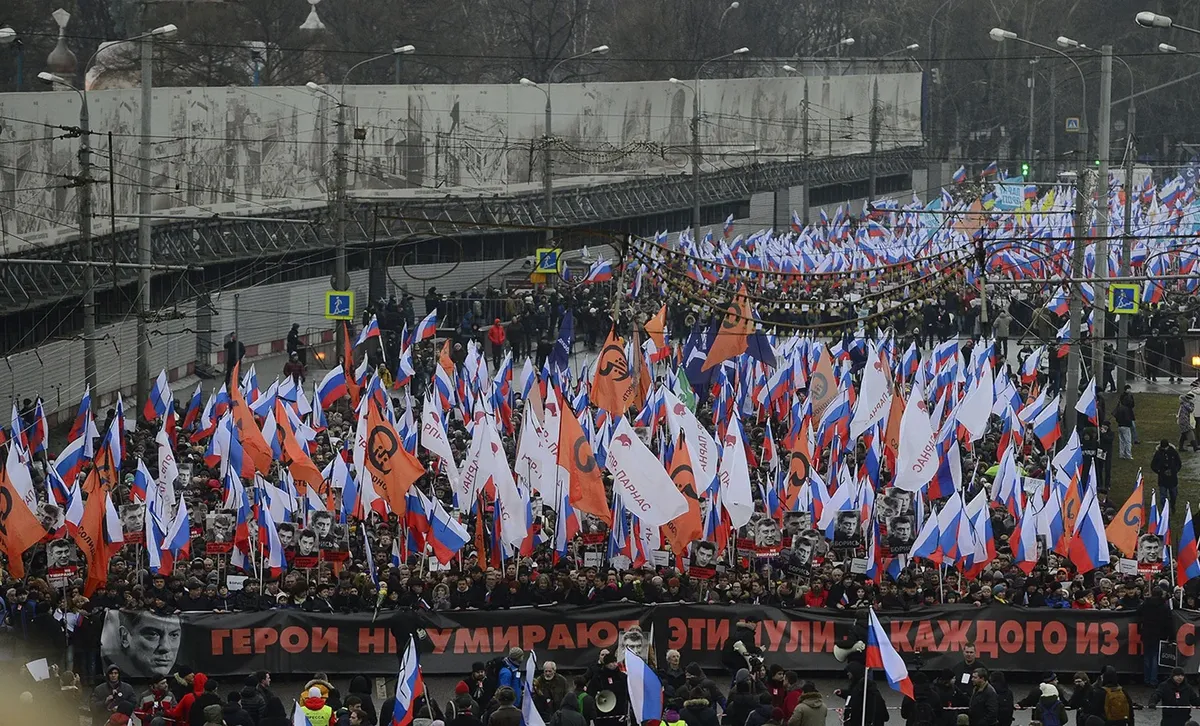
Today marks nine years since Russian opposition politician Boris Nemtsov was murdered in Moscow just outside the Kremlin walls. Since then, the bridge where Nemtsov was killed, now unofficially referred to as Nemtsov Bridge, has become an impromptu memorial to one of Russia’s most beloved opposition leaders. To this day, police regularly remove flowers left by his supporters at the site of his assassination.
While events in Nemtsov’s honour are being held around the world, in Russia, all Nemtsov memorial rallies have been banned this year. Novaya Europe looks back at the main events of Nemtsov’s 25-year career.
Nemtsov was born in 1959 and was raised in the city of Gorky, now Nizhny Novgorod. After studying for a degree in physics, he worked as a research fellow at a local institute until 1990, when he stood in Russia’s first democratic election and found himself a member of the Congress of People’s Deputies of Russia.
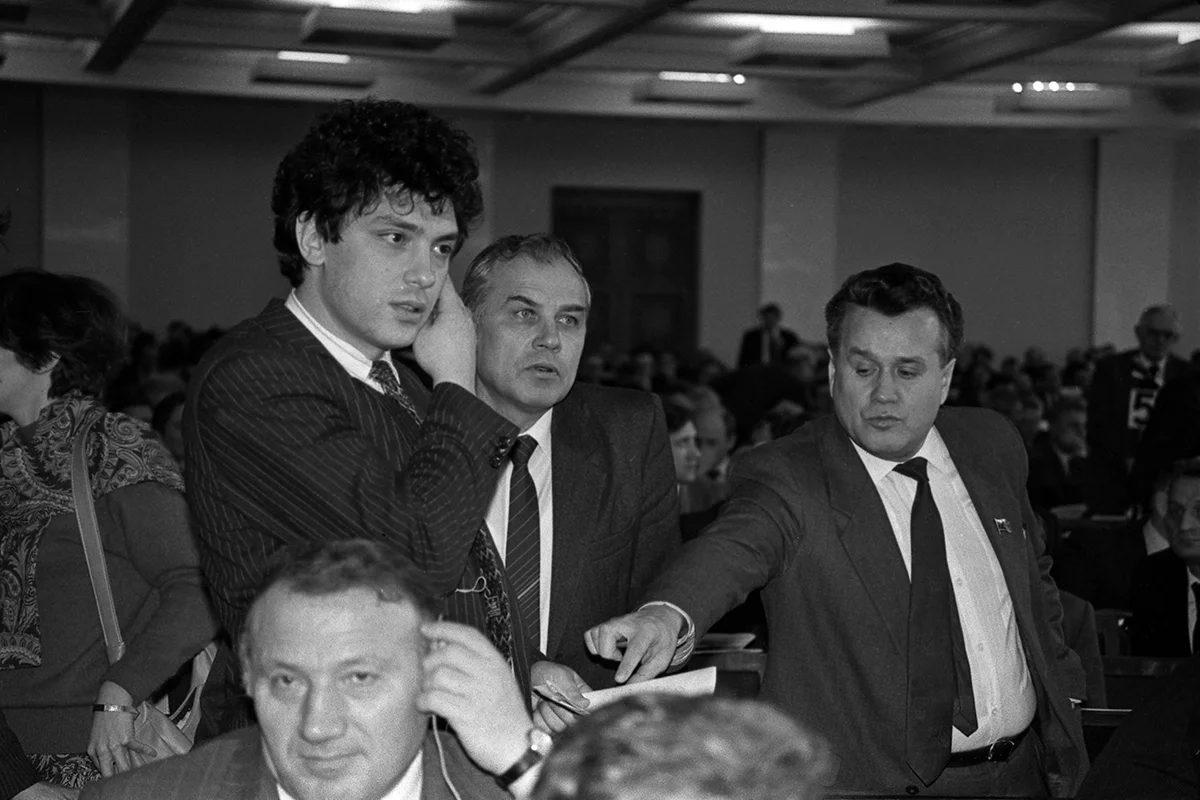
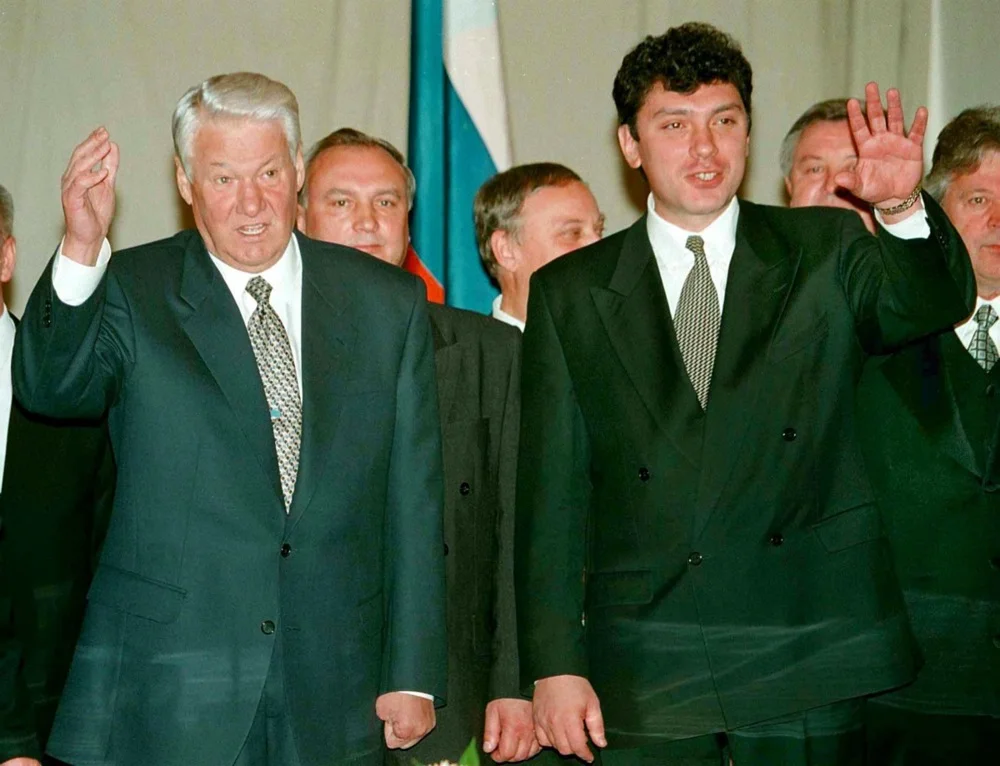
Nemtsov made a name for himself as a “young reformer” after the fall of the Soviet Union the following year, being appointed to be governor of the Nizhny Novgorod region aged just 32. In March 1997 Nemtsov was appointed Russia’s first deputy prime minister and seemed favoured to become the next president of Russia, but his political career suffered a devastating blow from the 1998 Russian financial crisis, which saw the ruble devalued and Russia default on its national debt.
“Yeltsin wanted to see me as his successor, but then changed his mind and created Putin. That was his biggest mistake,” Nemtsov said in an interview with Ukrainian Radio Vesti on the day of his assassination.
In 1999, Nemtsov co-founded the Union of Right Forces, a liberal democratic coalition that won seats in the State Duma the same year, with Nemtsov becoming the Duma’s deputy speaker. In the subsequent Duma election in 2003, the party lost all its seats after failing to cross the 5% threshold.
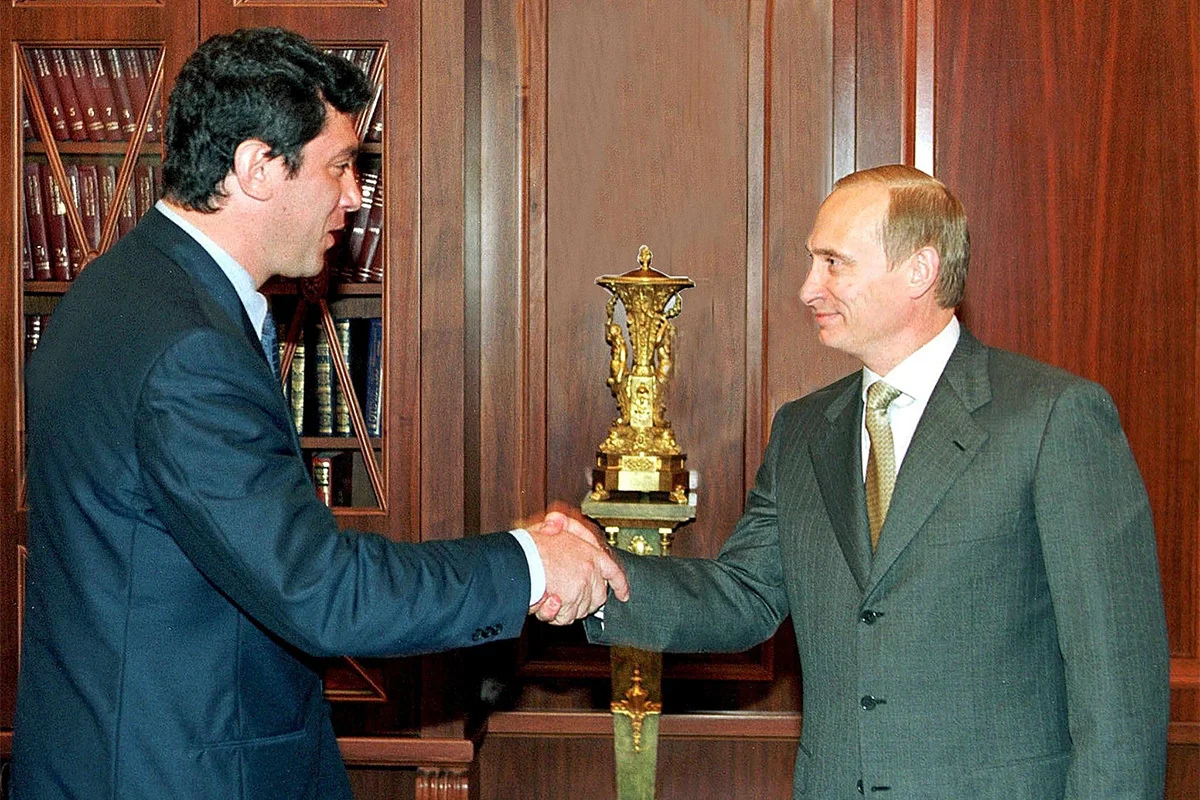
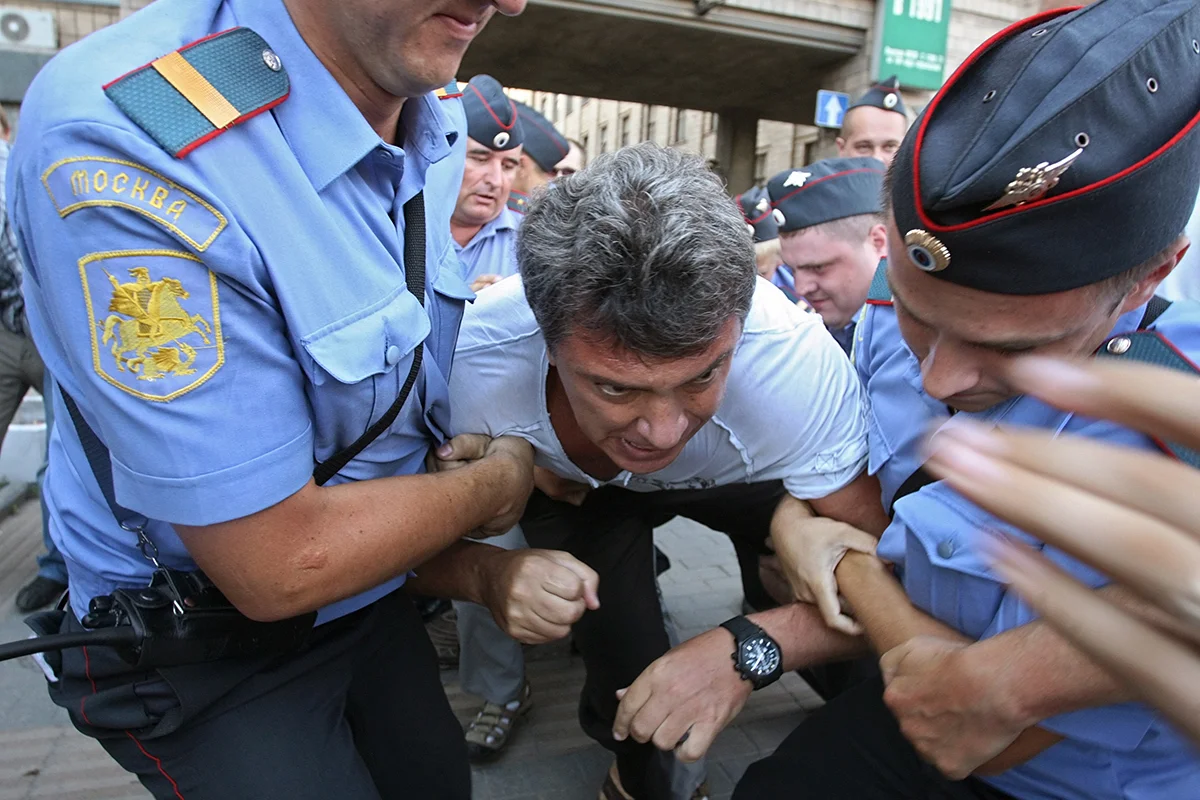
By the end of the 2000s, Nemtsov had become one of Putin’s most prominent critics, and was involved in organising opposition rallies, which led to numerous arrests.
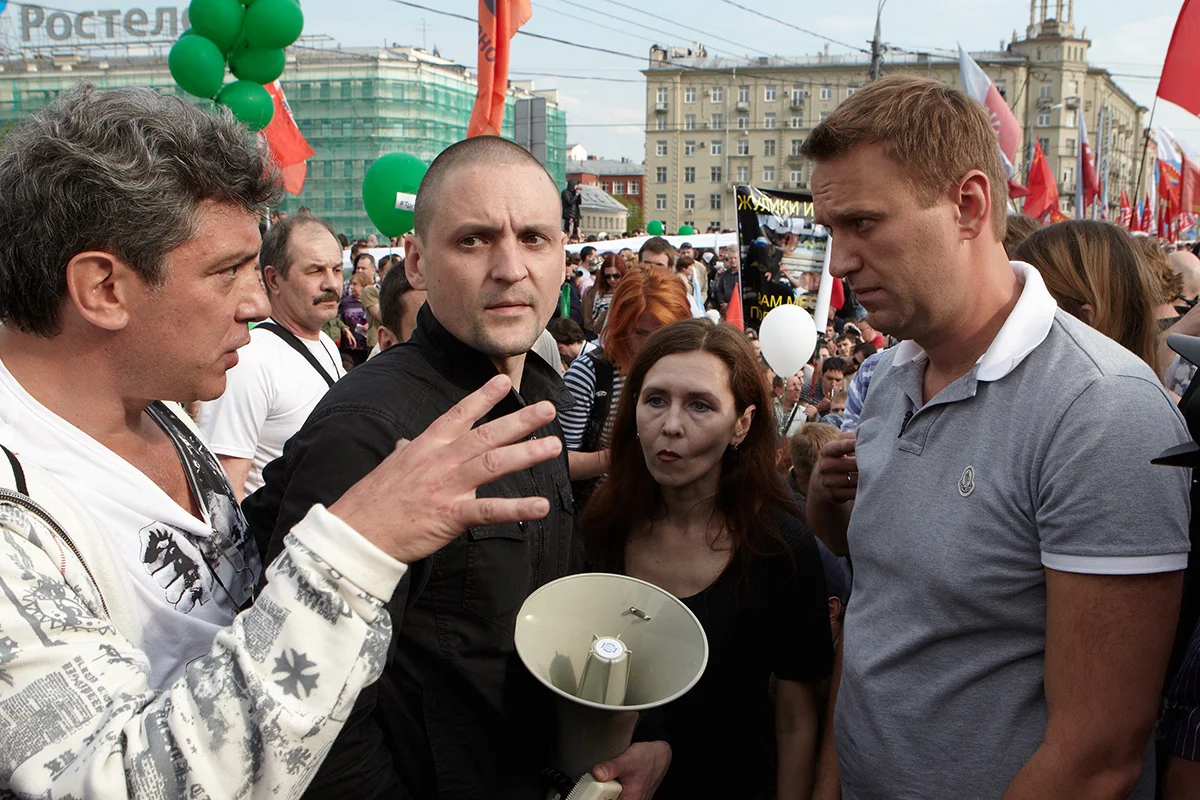
Nemtsov was also an active participant in the 2011-2012 protests for fair elections, alongside opposition politicians Sergey Udaltsov, Alexey Navalny and Ilya Yashin.
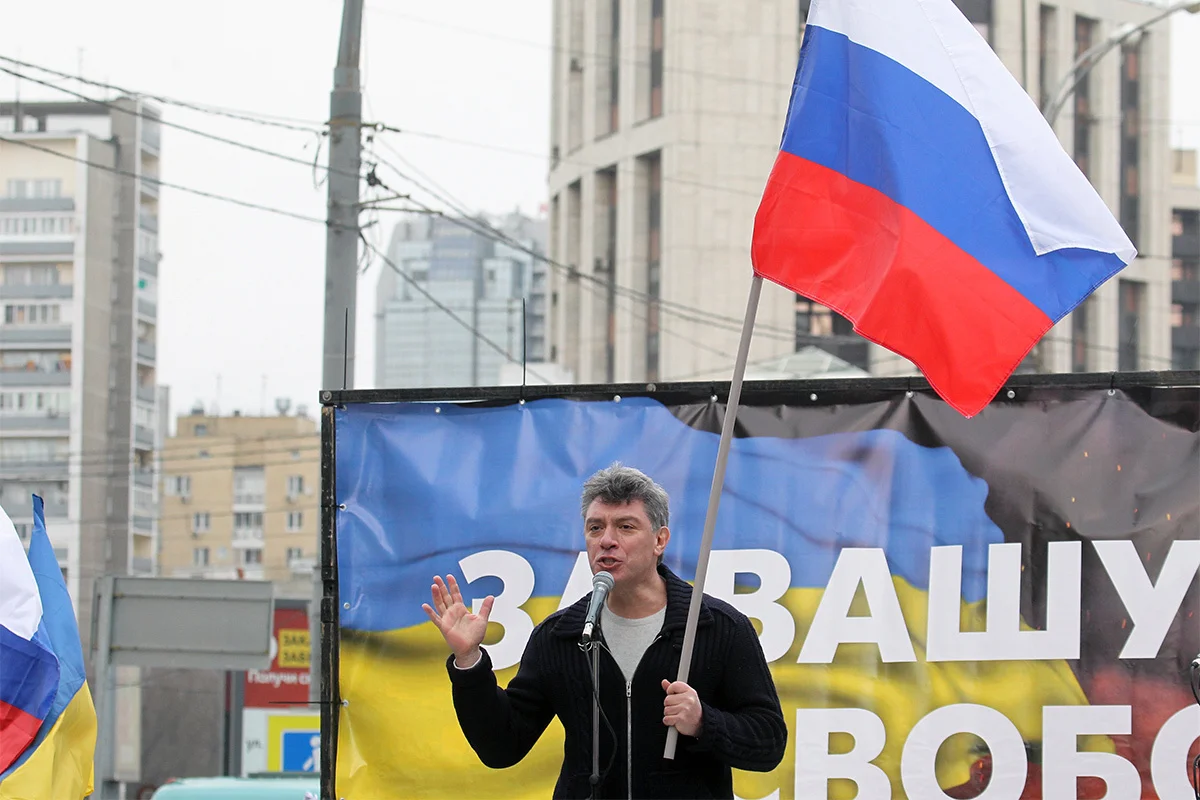
Nemtsov vehemently opposed the Russian invasion of Donbas and the annexation of Crimea in 2014, attending rallies for peace in Moscow. “Why am I here, at this march for peace?” he asked while attending a pro-Ukraine protest in March 2014. “Because I’m a patriot of this country. I am against the war. I don’t want the bodies of dead soldiers to be delivered to Moscow, Yaroslavl, Nizhny Novgorod. I don’t want our mothers, wives and children to mourn them.”
Nemtsov was also an outspoken critic of Ramzan Kadyrov’s rule in Chechnya, expressing concern over Kadyrov amassing his own army. “Today Kadyrov said that his fighters are ready to become defenders of the regime and to carry out any order from the Kremlin. I readily believe this,” Nemtsov said in 2014. “But what will happen next, as the country is entering a crisis? … The unspoken contract between Kadyrov and Putin — money in exchange for loyalty — is coming to an end.”
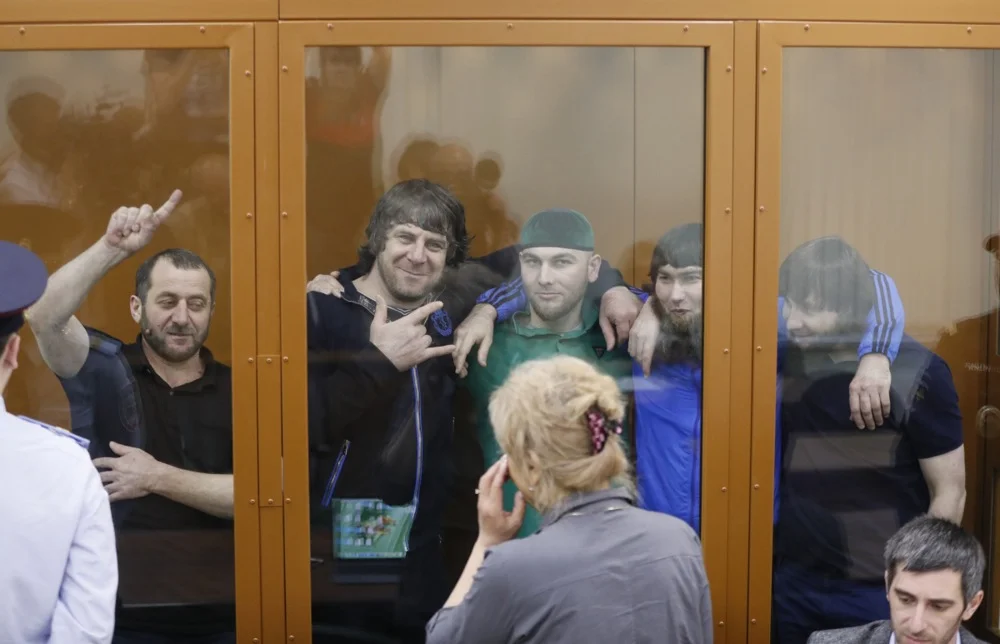
In an interview with Echo of Moscow on the day of his death, Nemtsov accused Putin of turning Russian TV into a “recruitment office”. “By fomenting hatred, they drive these naive people to their deaths as cannon fodder,” he said of the Kremlin campaign to send Russian “volunteers” to Donbas. Nemtsov was killed on 27 February 2015 while walking across the Bolshoy Moskvoretsky Bridge in the shadow of the Kremlin.
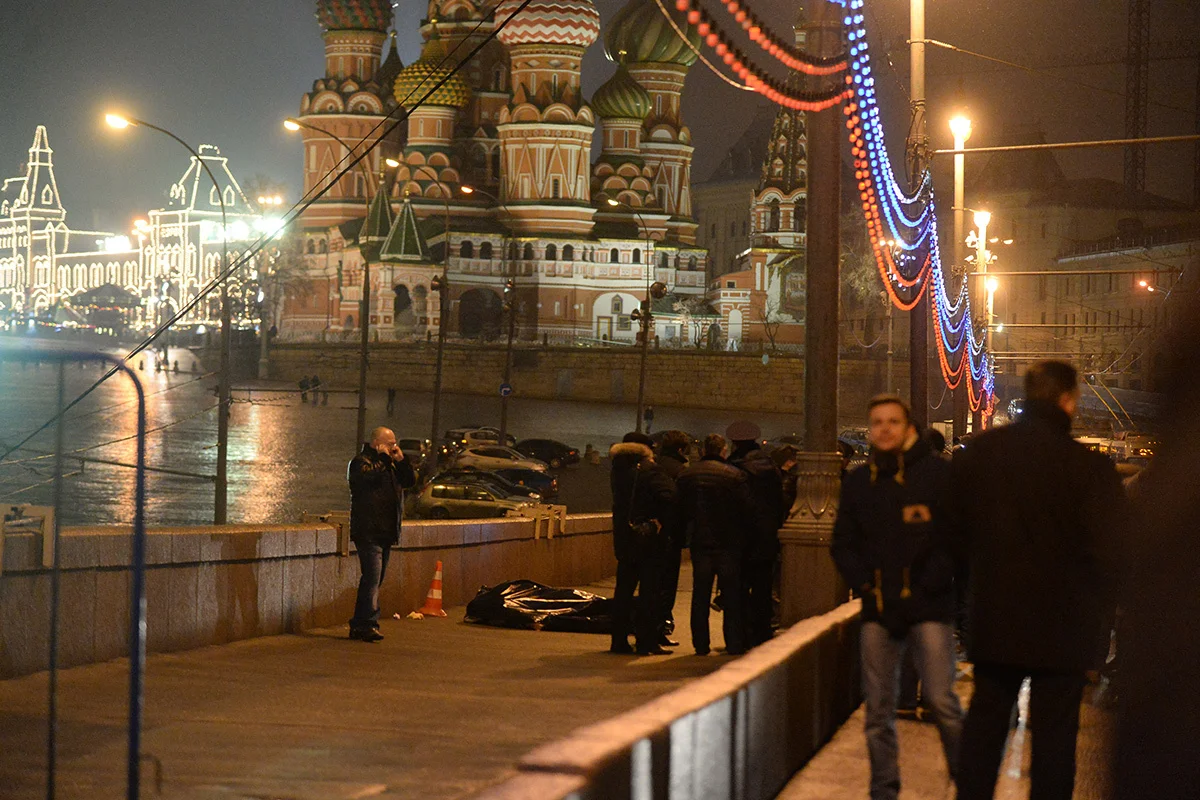
Boris Nemtsov’s killing rattled the Russian opposition, changing the political landscape for years to come.
“It feels like nine years ago, it was a little easier,” Nemtsov’s ally Ilya Yashin wrote from his jail cell in a post on Tuesday. “It seems like it’s all over, that all that is left is to put your hands down and resign yourself to evil,” Yashin wrote, adding however that he remembered Navalny’s calls to not give up in case of his death. “I’m sure Nemtsov would have said the same thing”.