Оригинал материала
Hostile takeover
Russia celebrates 10-year anniversary of Crimea annexation as Putin basks in election victory
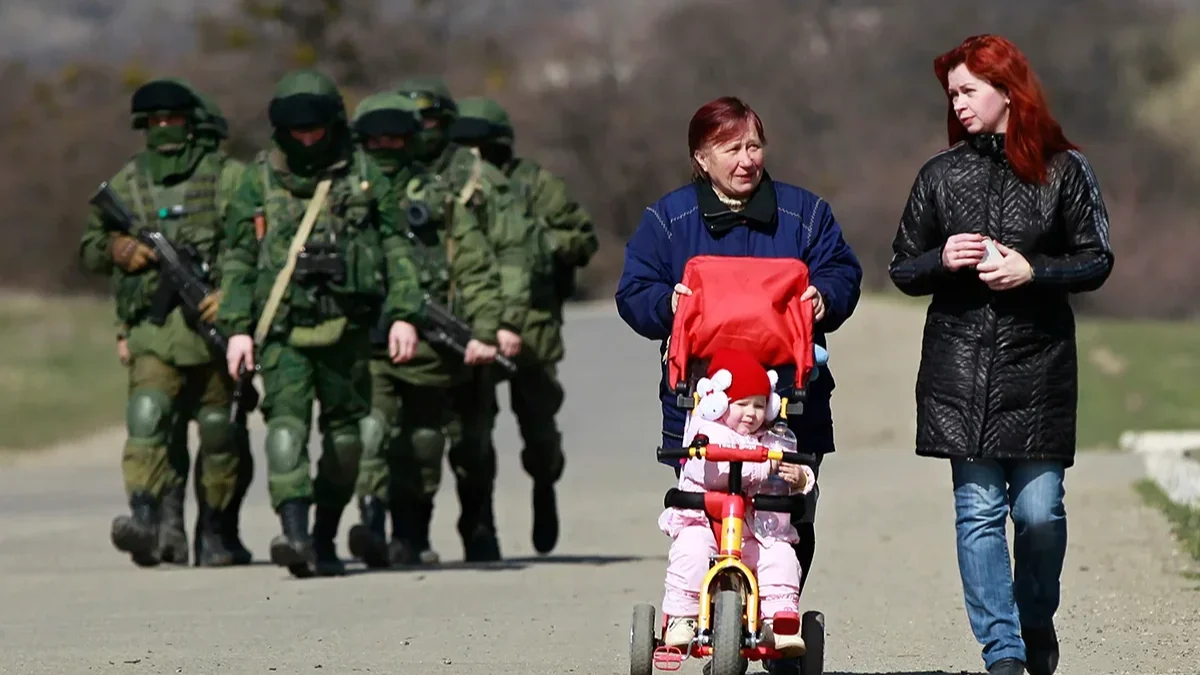
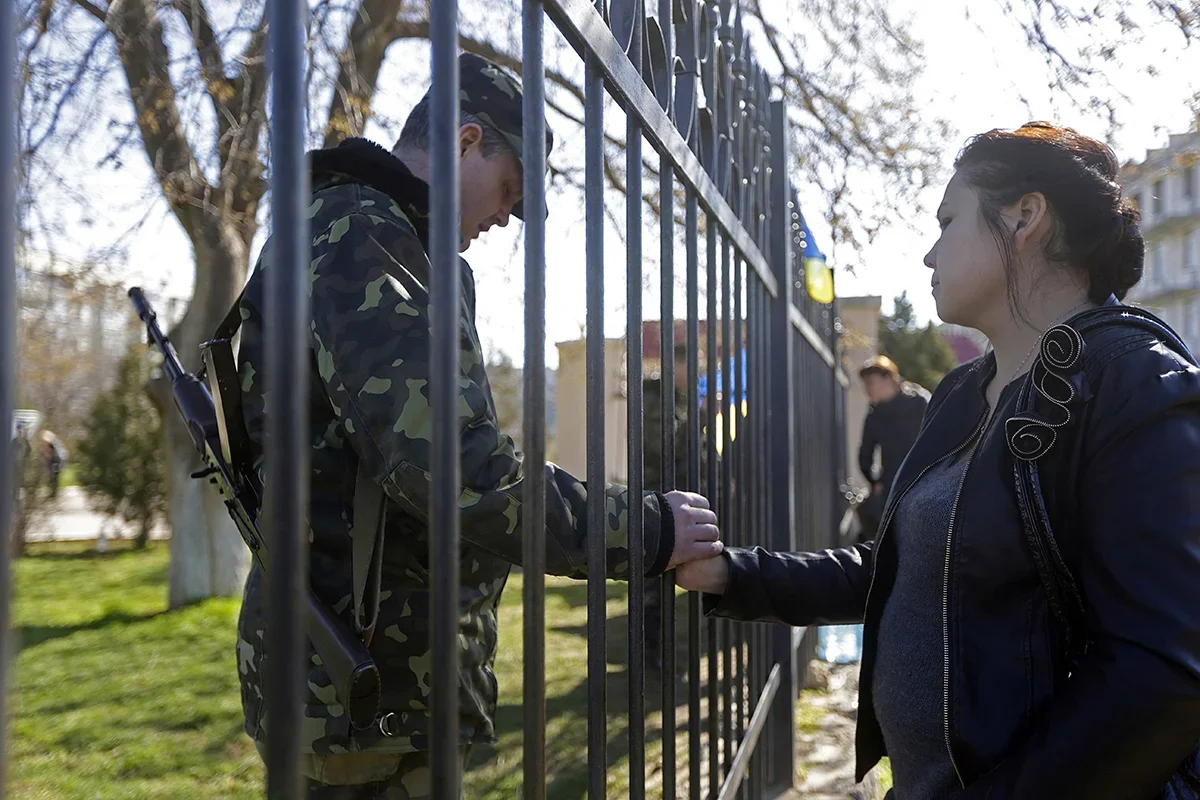
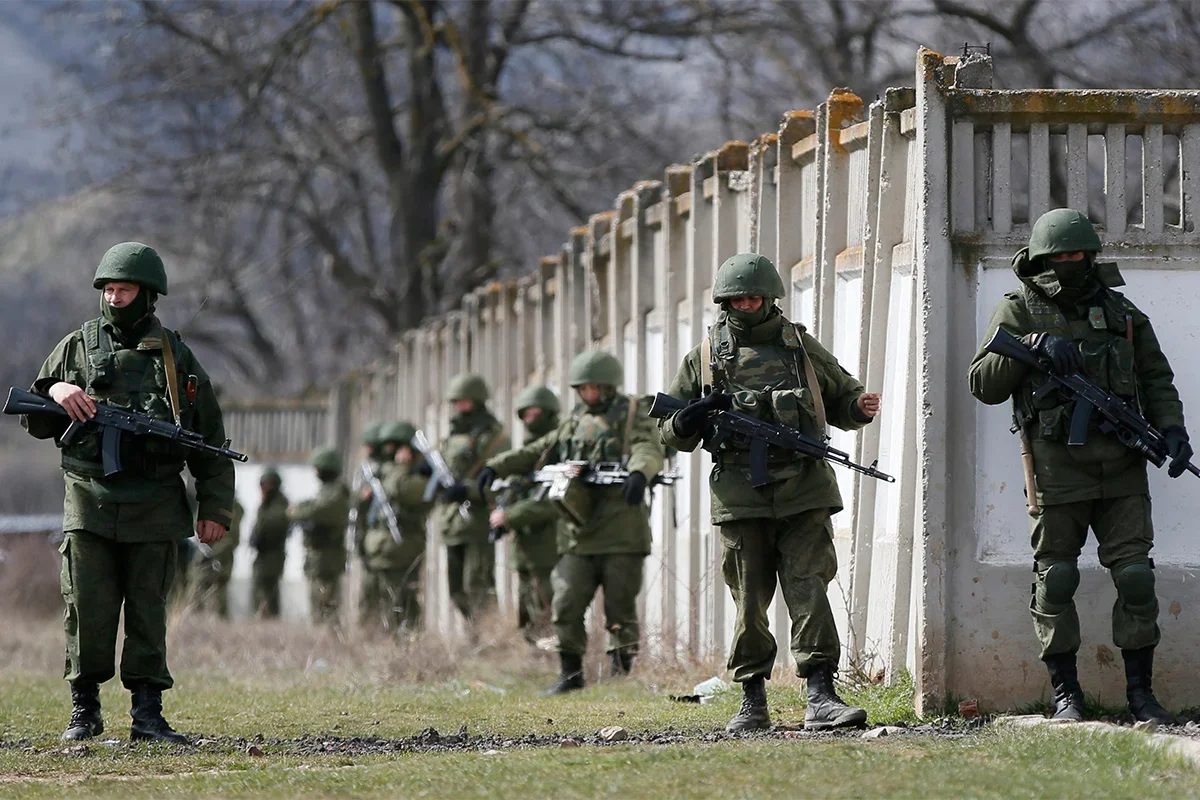
Women walk on the road in front of armed men in military uniform seen outside a Ukrainian military base near Simferopol, 14 March 2014. Photo: EPA/YURI KOCHETKOV
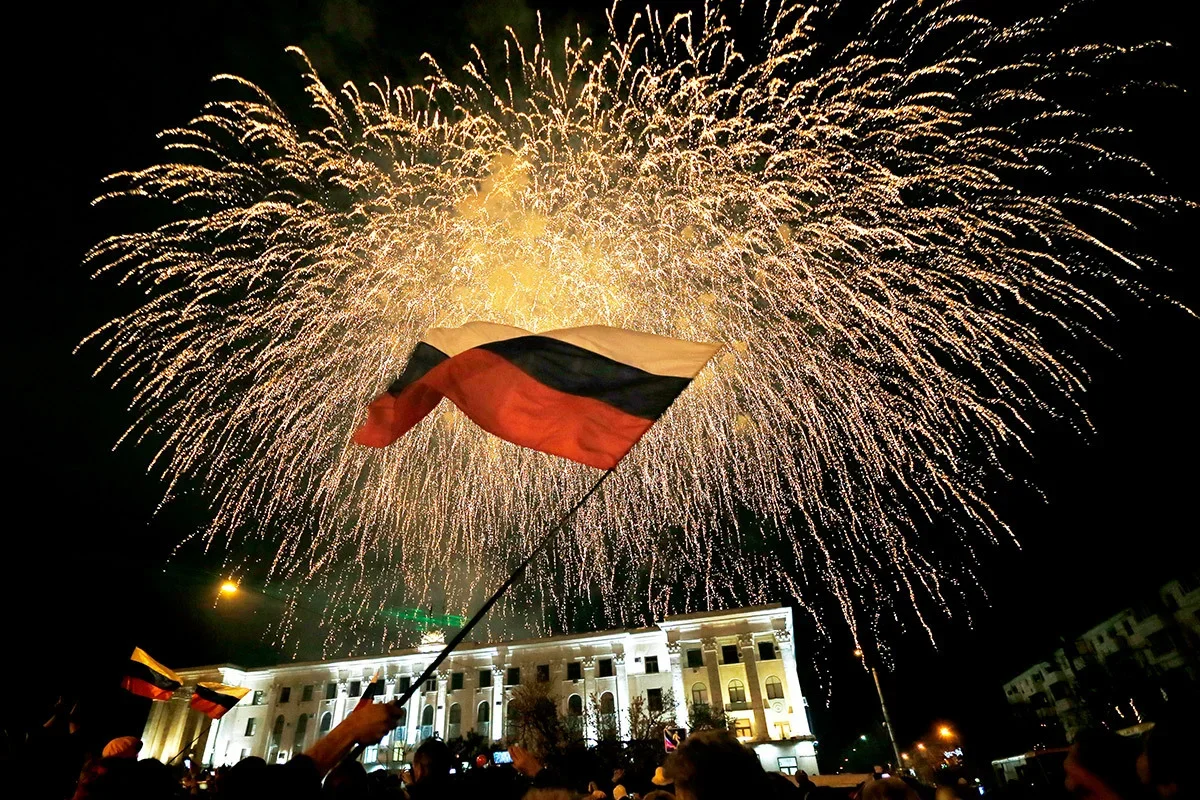
For the second time in a row, Vladimir Putin has planned the day on which his latest election victory would be announced to coincide with the formal anniversary of the annexation of Crimea on 18 March, the day the Russian parliament approved the treaty formally “incorporating” the Crimean peninsula into Russia.
Ten years on from the annexation, we recall the events that led to the peninsula being taken over by Russian forces.
The February 2014 Maidan revolution, which ousted pro-Russian Ukrainian President Viktor Yanukovych, sparked unrest in Crimea, with clashes reported in late February between pro-Russian activists and supporters of the Maidan movement’s democratic views.
Crimea, colonised by Russia in the 18th century, remained part of the Russian Soviet Socialist Republic within the USSR until the 1950s, when it was transferred to the administrative control of the Ukrainian Soviet Republic. After the collapse of the Soviet Union, the peninsula was recognised as part of Ukraine despite the fact that its population had a significant Russian ethnic majority of about 60%, according to the 2001 Ukrainian census. By contrast, ethnic Ukrainians made up just 24% of the population, while the indigenous Crimean Tatars accounted for 10% of the population.
Russia planned the Crimea annexation as a stealth infiltration, so there is no precise date for the arrival of Russian troops in Crimea. The Russian military medal “For the Return of Crimea” places the start of the campaign on 20 February — two days before the ousting of Yanukovych, which Russia used as a pretext for its annexation, claiming that the coup against Ukraine’s pro-Moscow president threatened the peninsula’s Russian speakers.
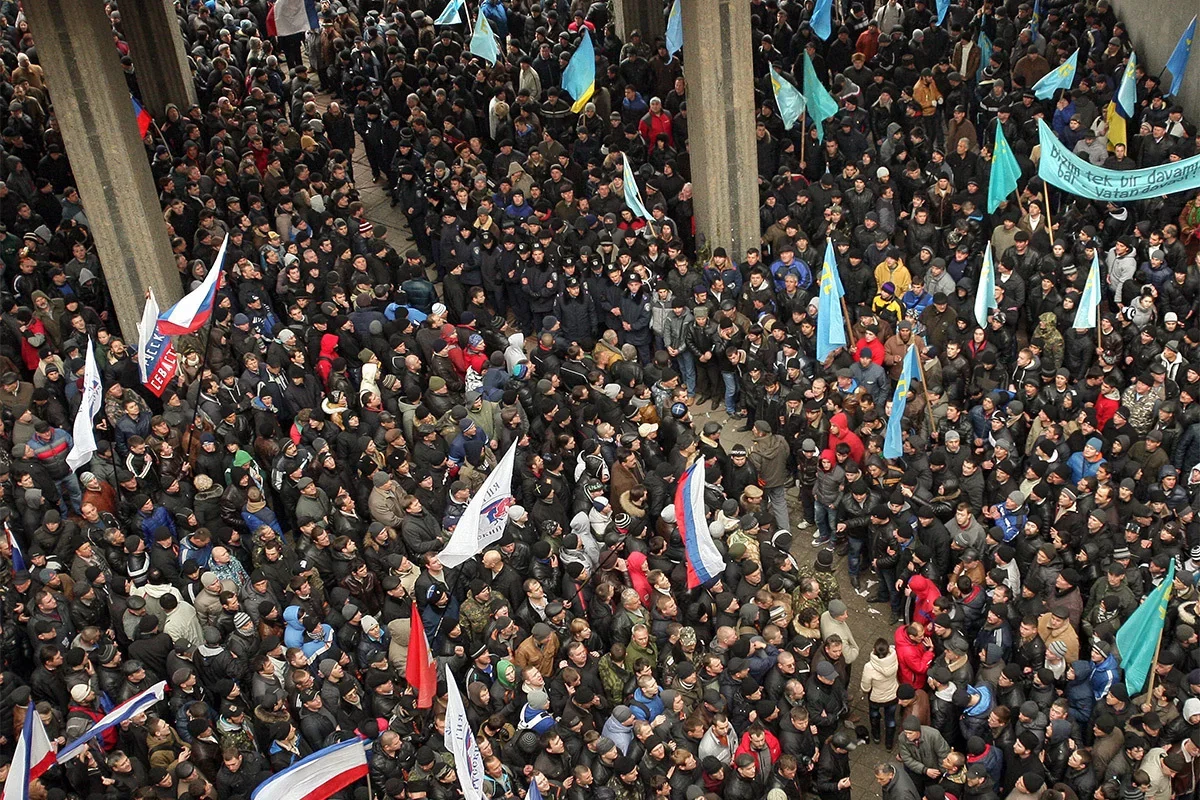
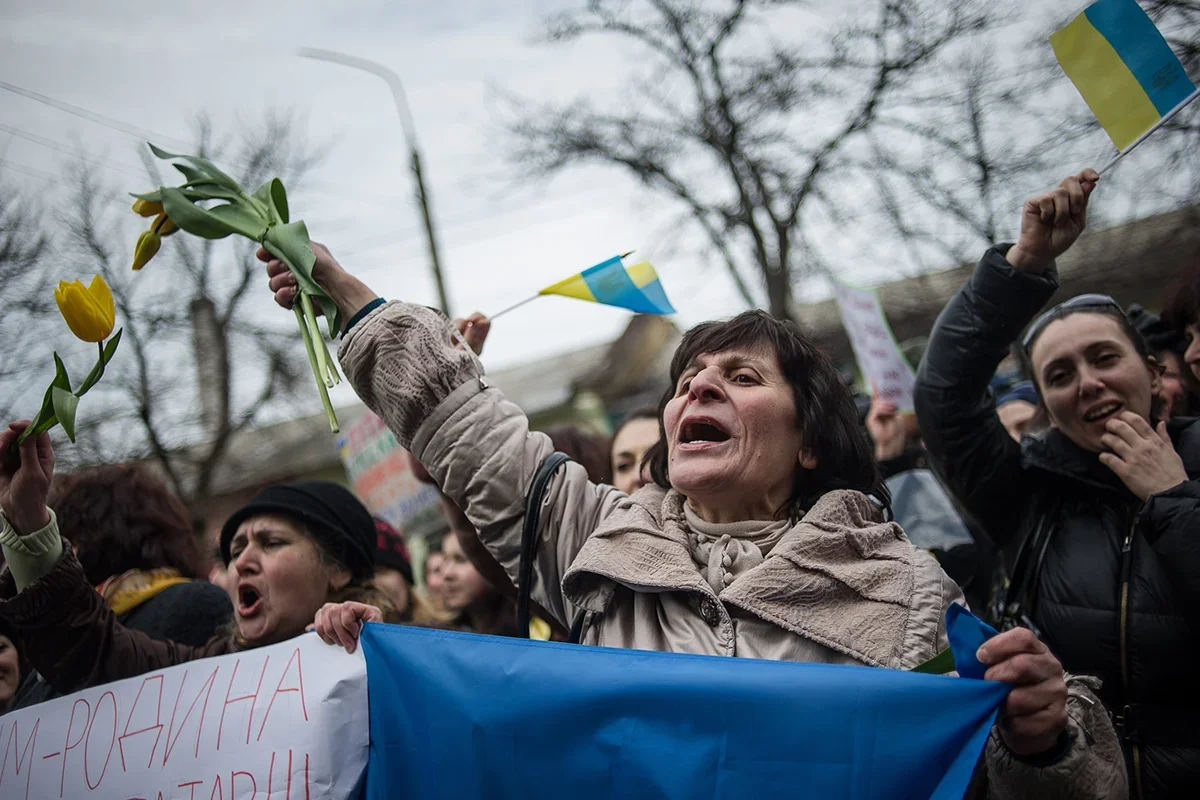
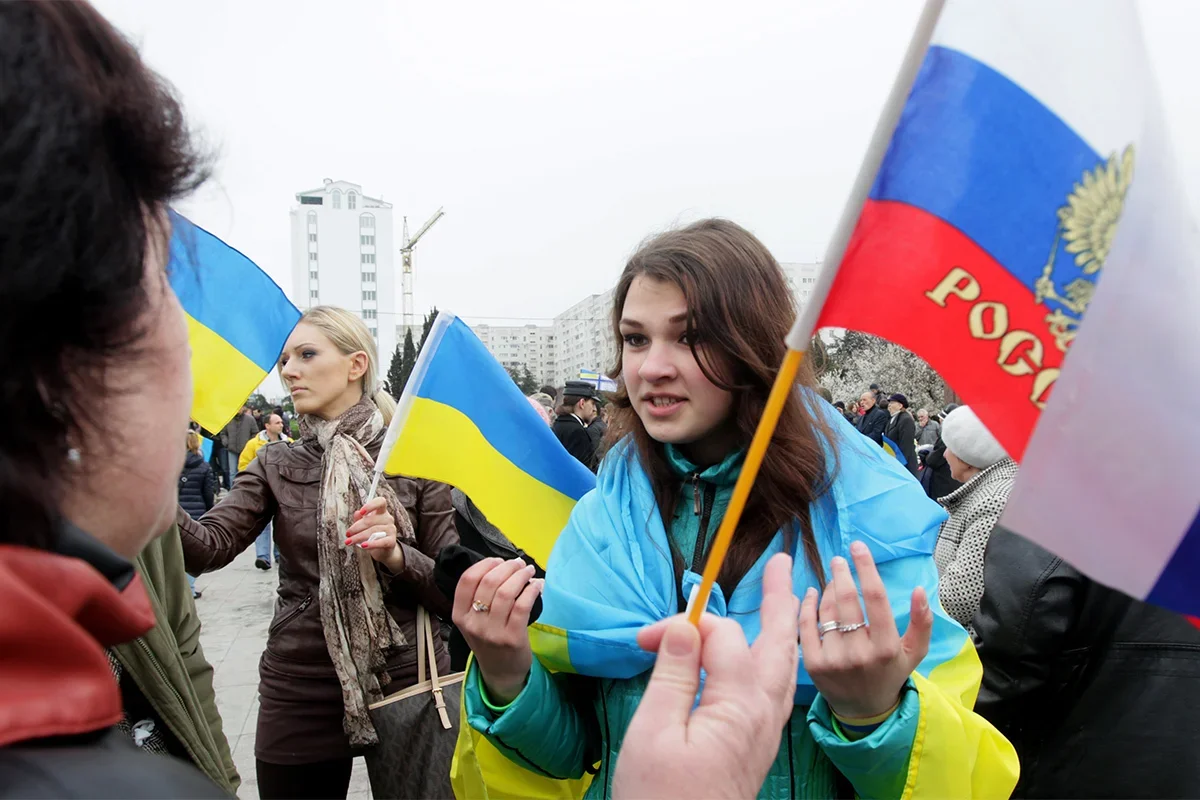
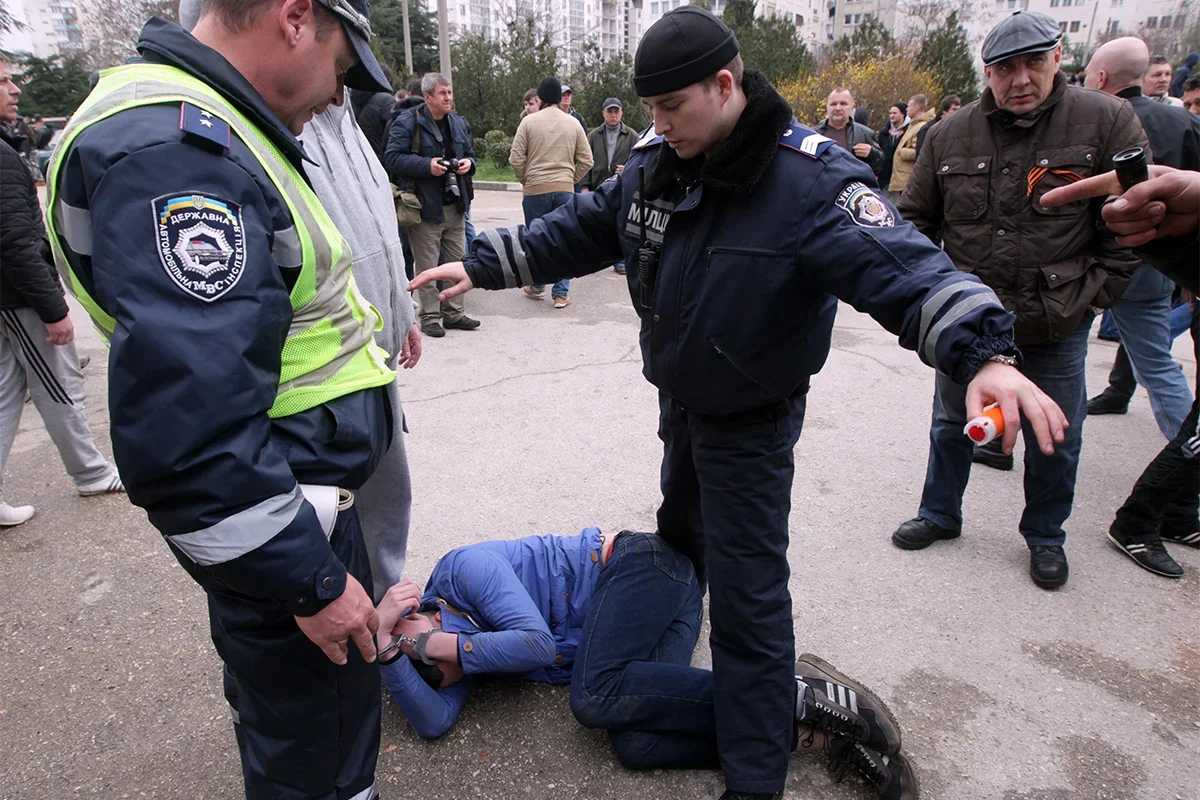
A large pro-Ukrainian rally was held on 26 February in the Crimean capital Simferopol, followed by clashes between pro-Ukrainian and pro-Russian protesters that resulted in the death of two people.
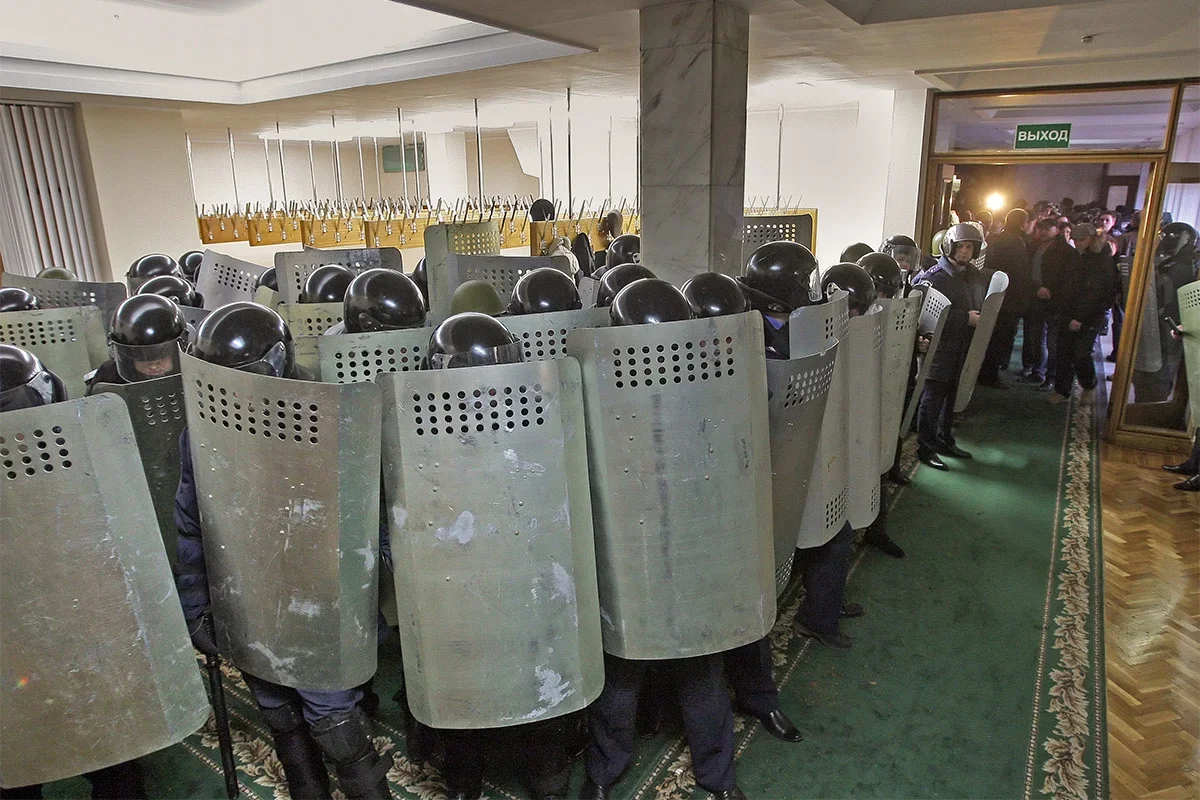
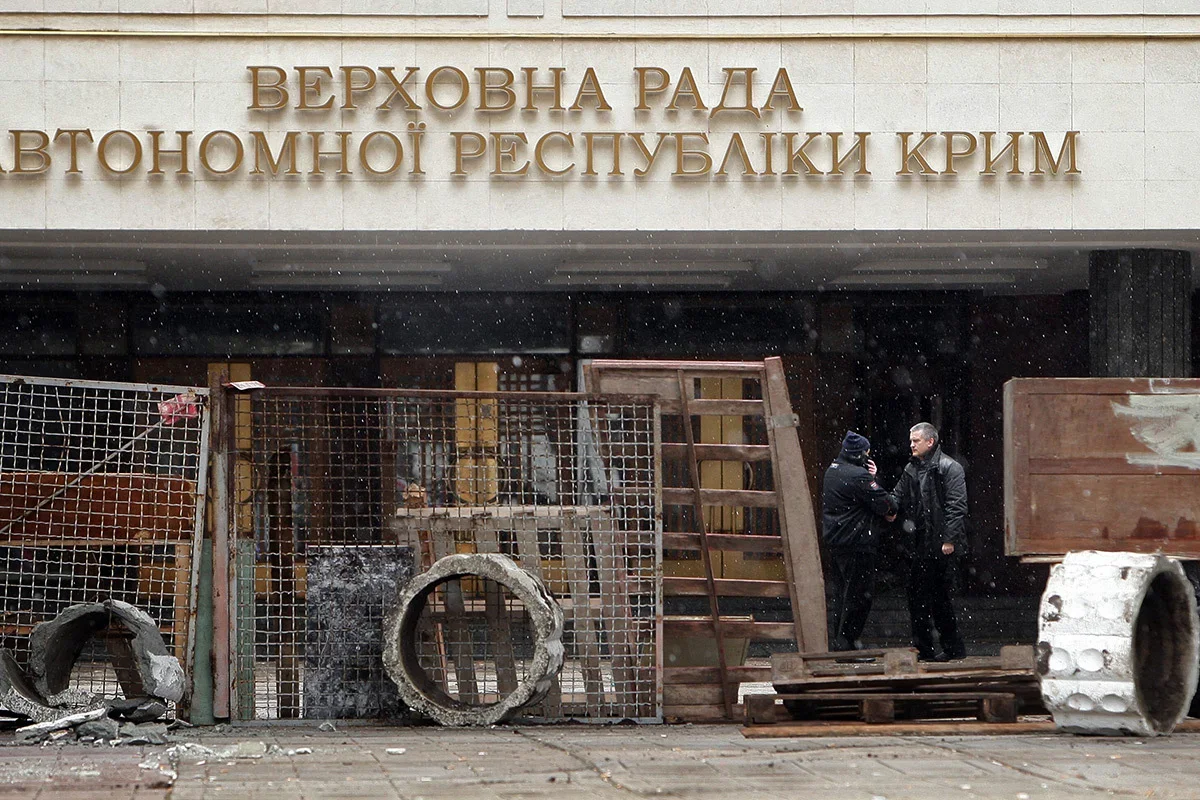
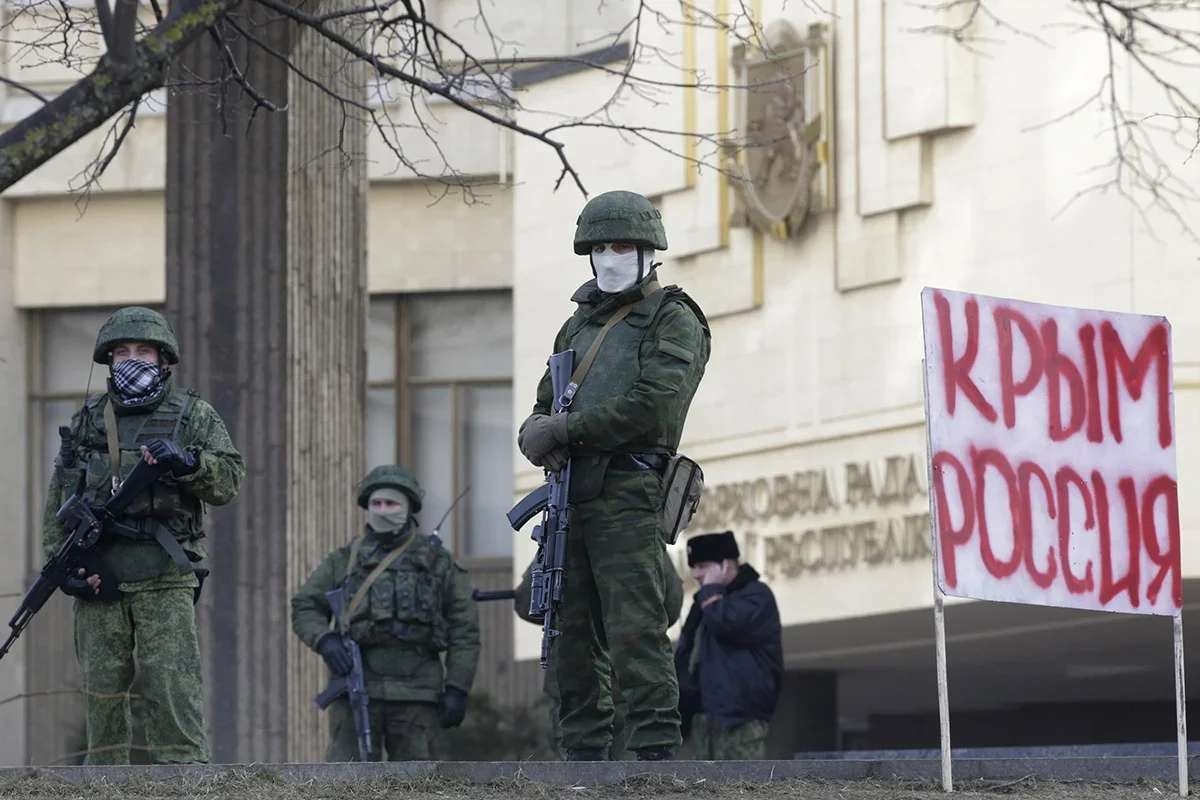
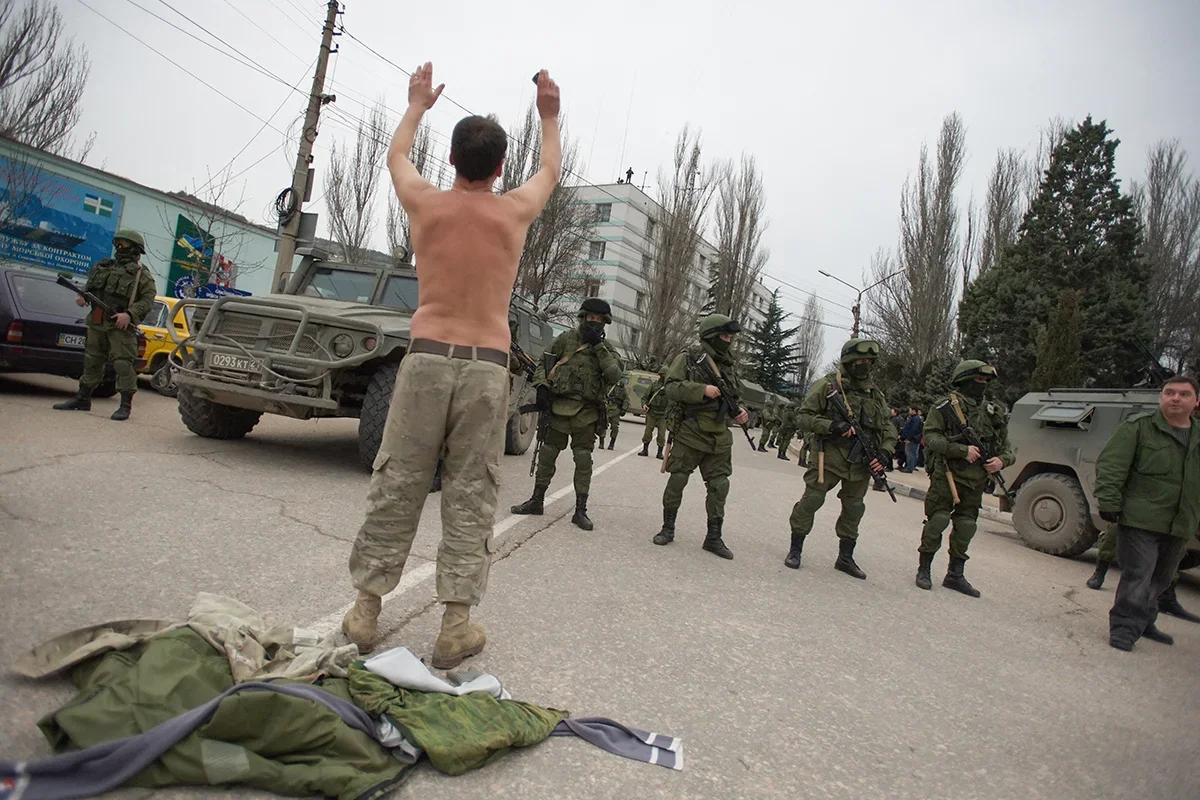
The next day saw the arrival of Russian troops, often referred to as “little green men” due to their military uniforms and lack of insignia, to Simferopol, where they quickly seized the Crimean parliament building and other key military and government buildings.
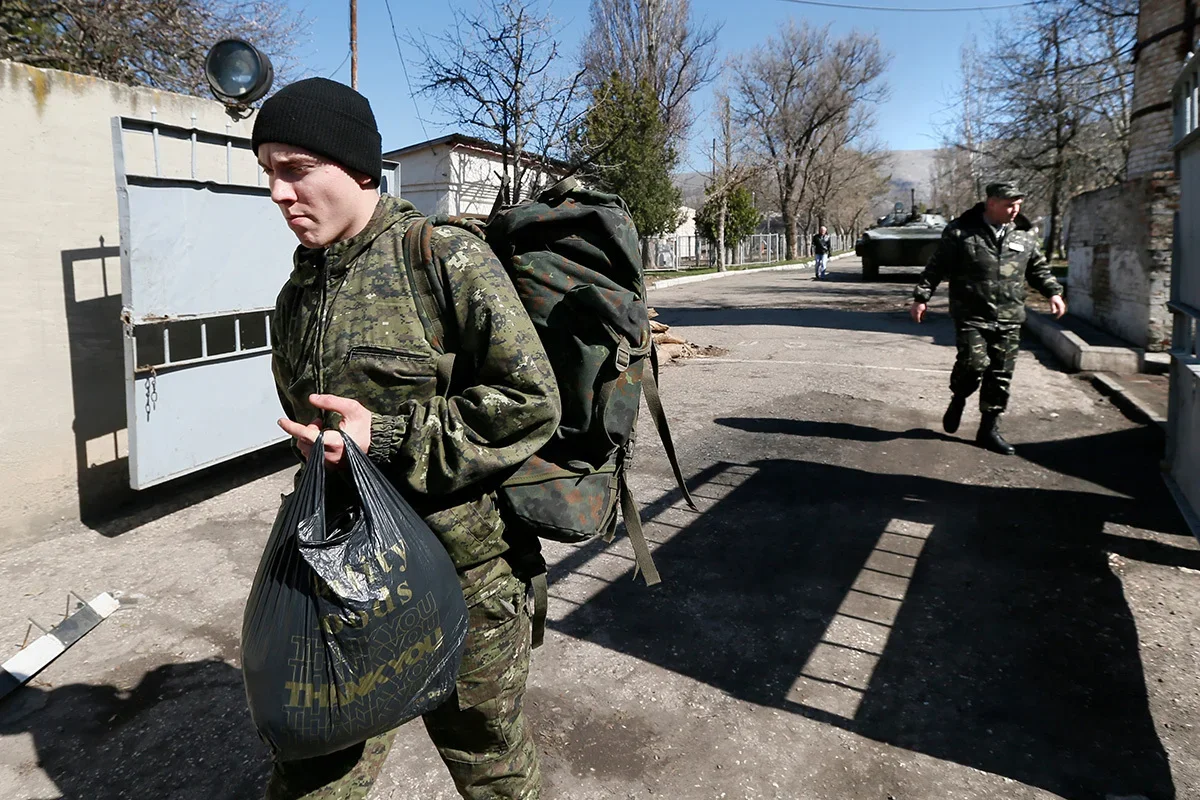
Checkpoints were established at the two main road crossings from mainland Ukraine to the peninsula, controlled by men who wore various uniforms including those of the Ukrainian army, the Ukrainian police, camouflage without insignia and even civilian clothes, the BBC reported at the time.
“Volunteers”, among them retired Russian military officers, were also seen arriving in Crimea in early March. The Kremlin initially claimed the “little green men” were local self defence troops, but later conceded that they were Russian soldiers.
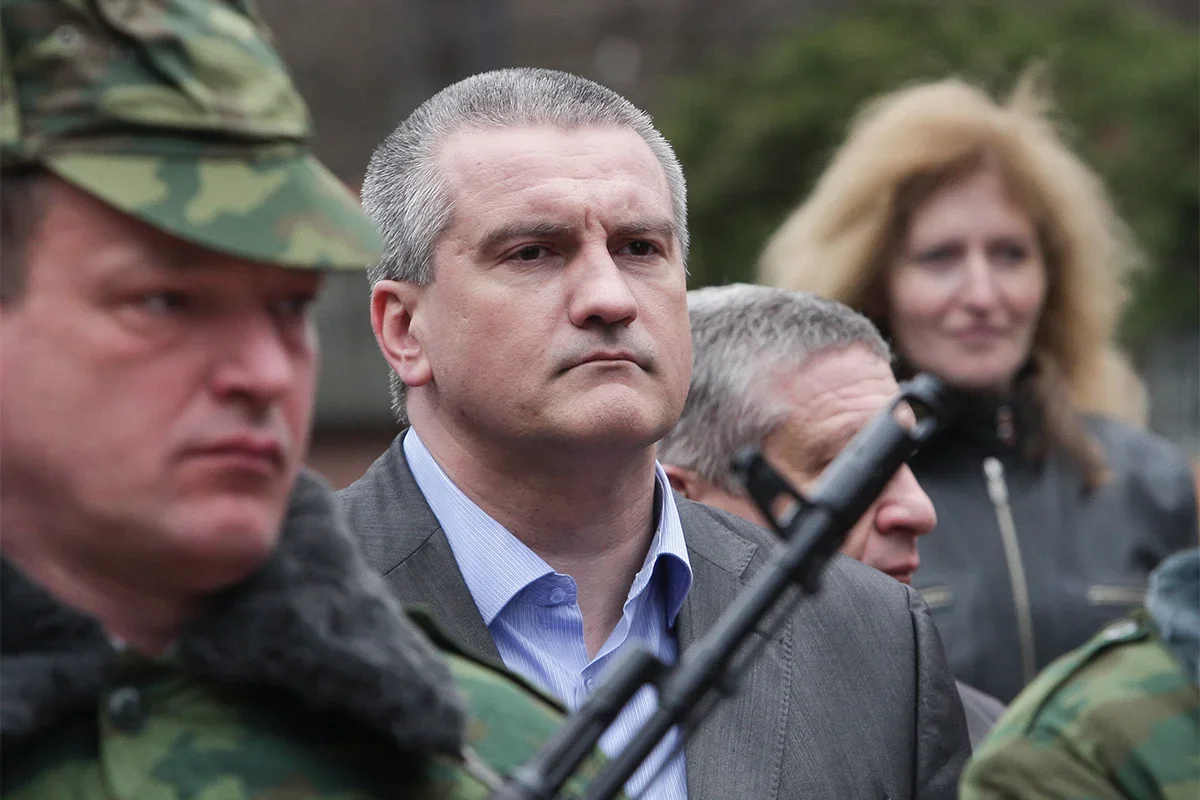
On 27 February members of the Crimean parliament seized by the Russian military appointed a new head of government, Sergey Aksyonov, who promptly appealed to Vladimir Putin to “ensure peace and tranquillity” in Crimea.
Following the appeal, Russia’s Federation Council officially approved sending troops to Crimea on 1 March, although masked Russian soldiers were already stationed there.
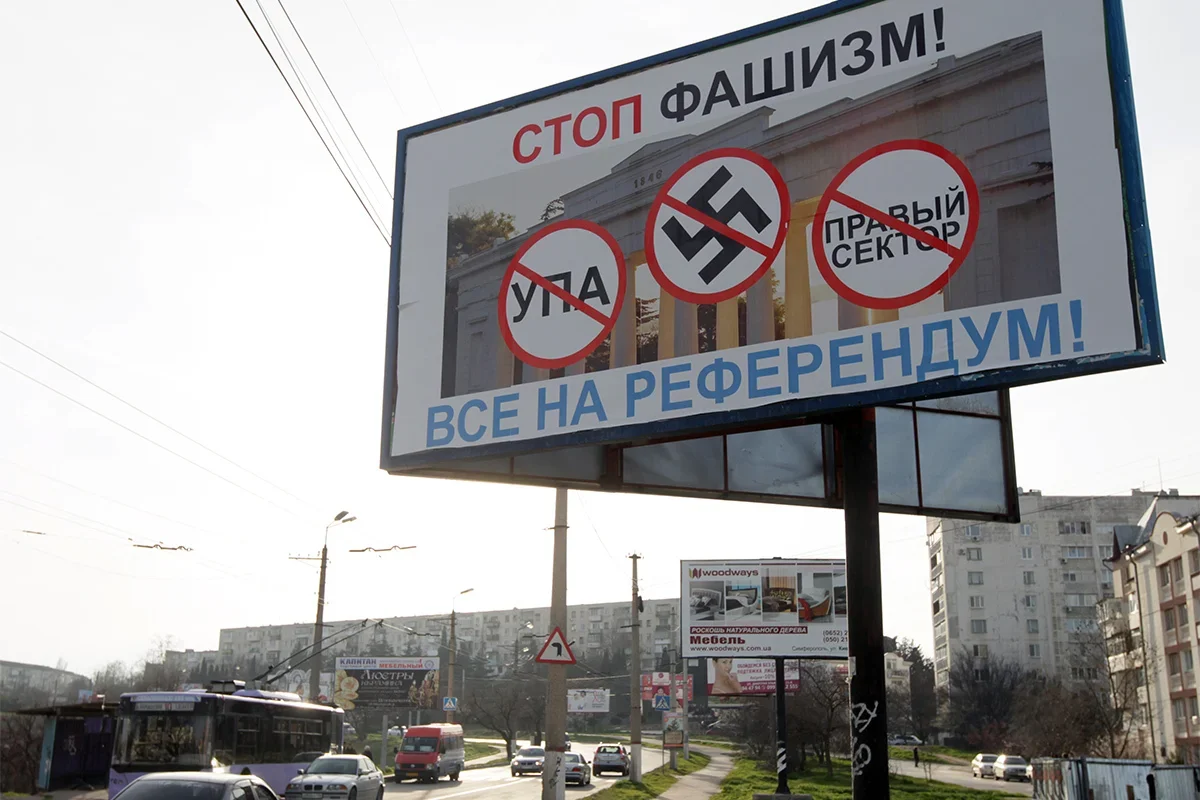
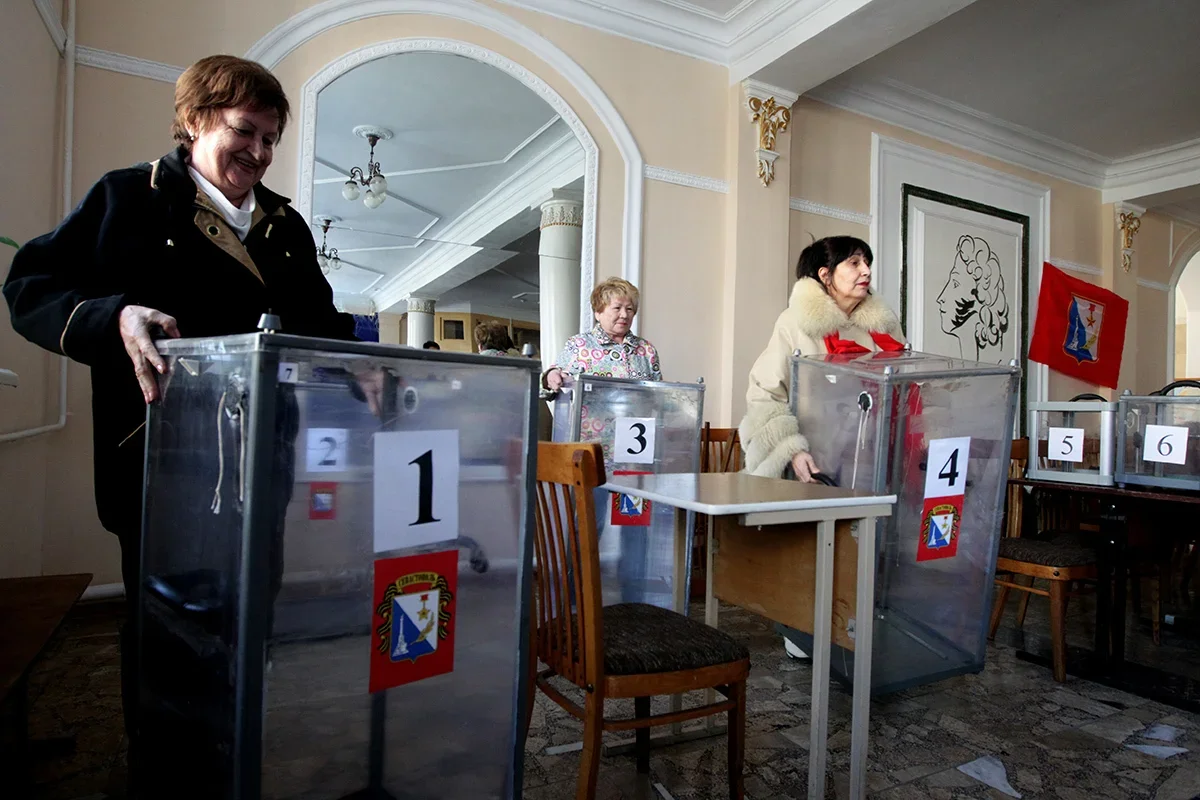
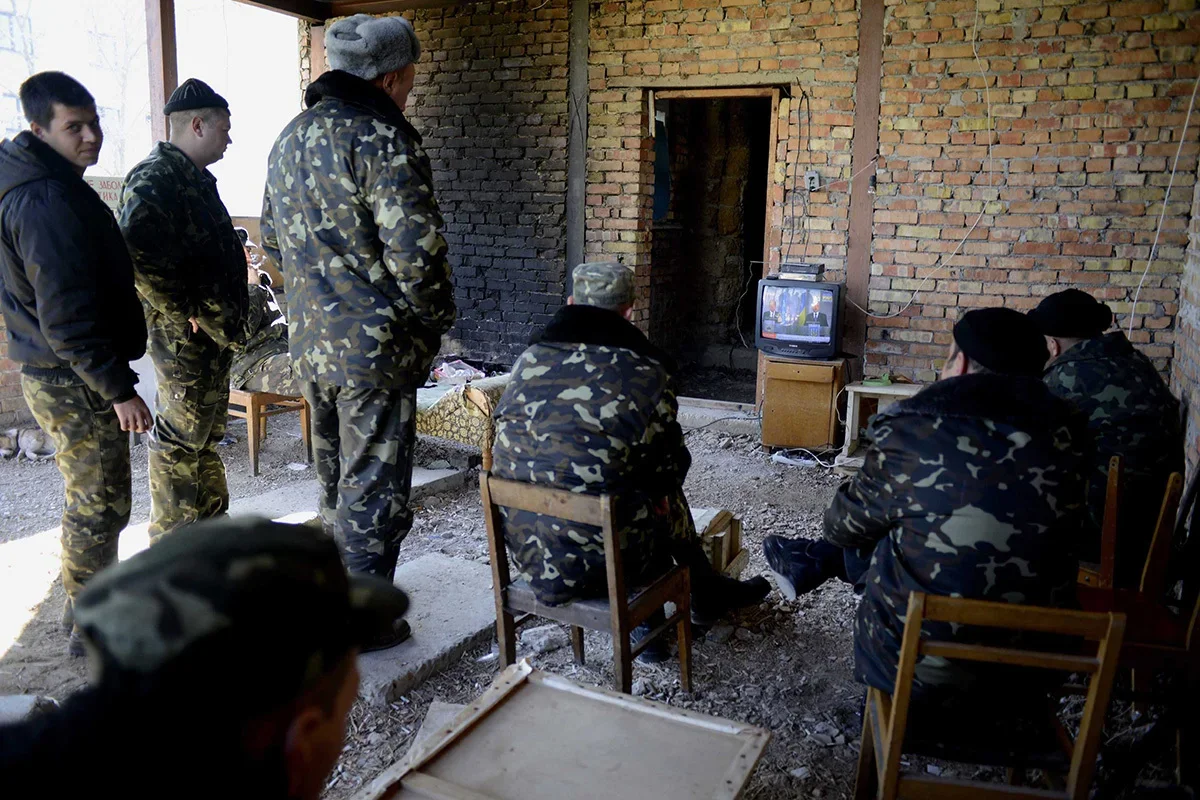
By early March, Russian forces had secured the entire peninsula. On 6 March, the newly appointed authorities announced a referendum planned for 16 March that only offered two choices: joining Russia, or reverting to Crimea’s 1992 constitution, adopted soon after the collapse of the Soviet Union, which recognised Crimea as an independent entity within Ukraine with a broad right to self-determination and allowing it to determine its own foreign policy. There was no option available for those who wanted Crimea to remain part of Ukraine under its current constitution.
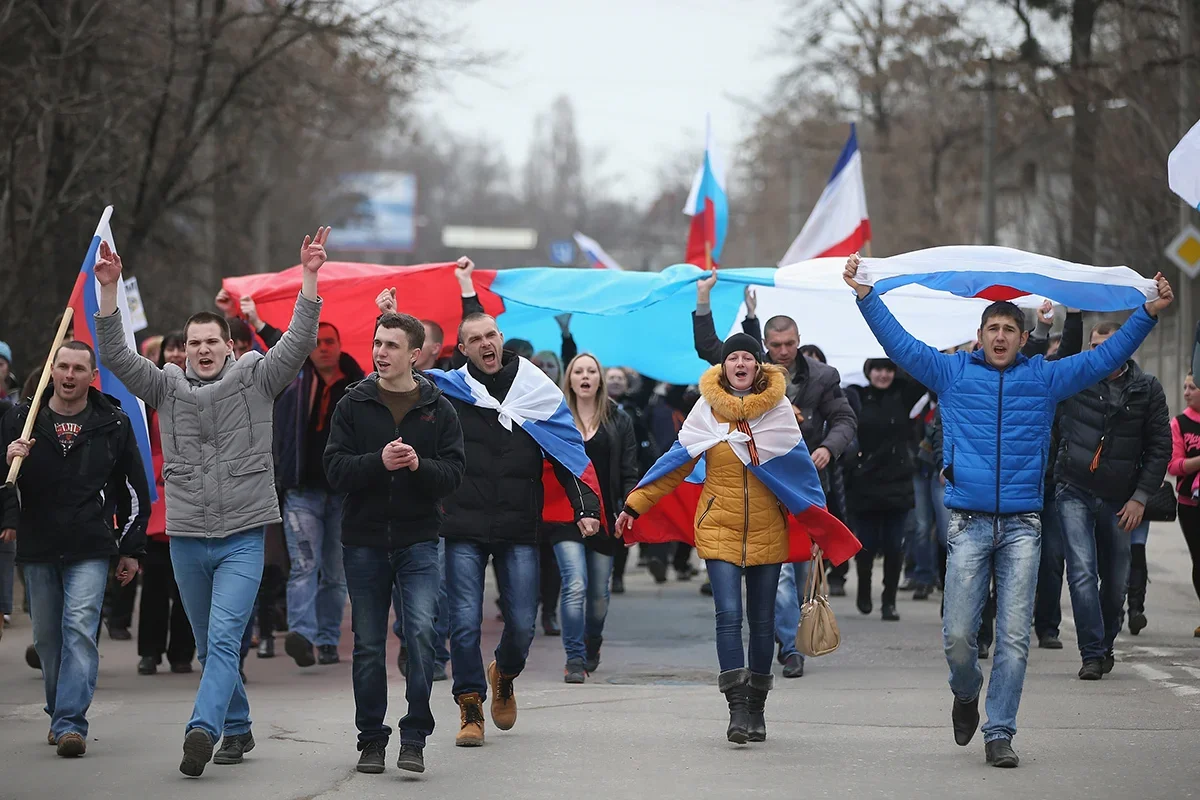
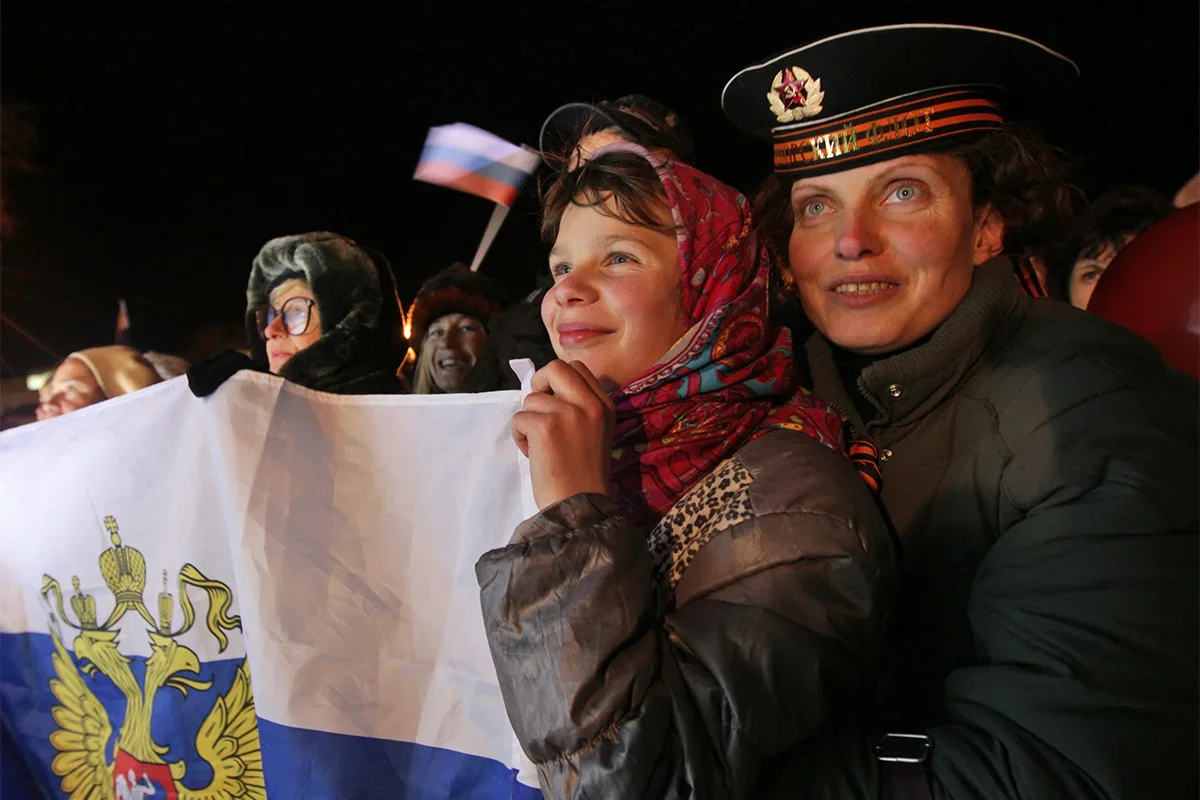
Pro-Russian rallies continued across the peninsula, fuelled by propaganda and referendum campaigning.
Local authorities reported the turnout at the referendum held on 16 March at 83%, with a whopping 96.7% voting in favour of joining Russia. The referendum was not recognised under international law due to the presence of Russian armed forces at the moment of the voting. A UN General Assembly resolution adopted in late March 2014 declared the referendum invalid and affirmed Ukraine’s territorial integrity.
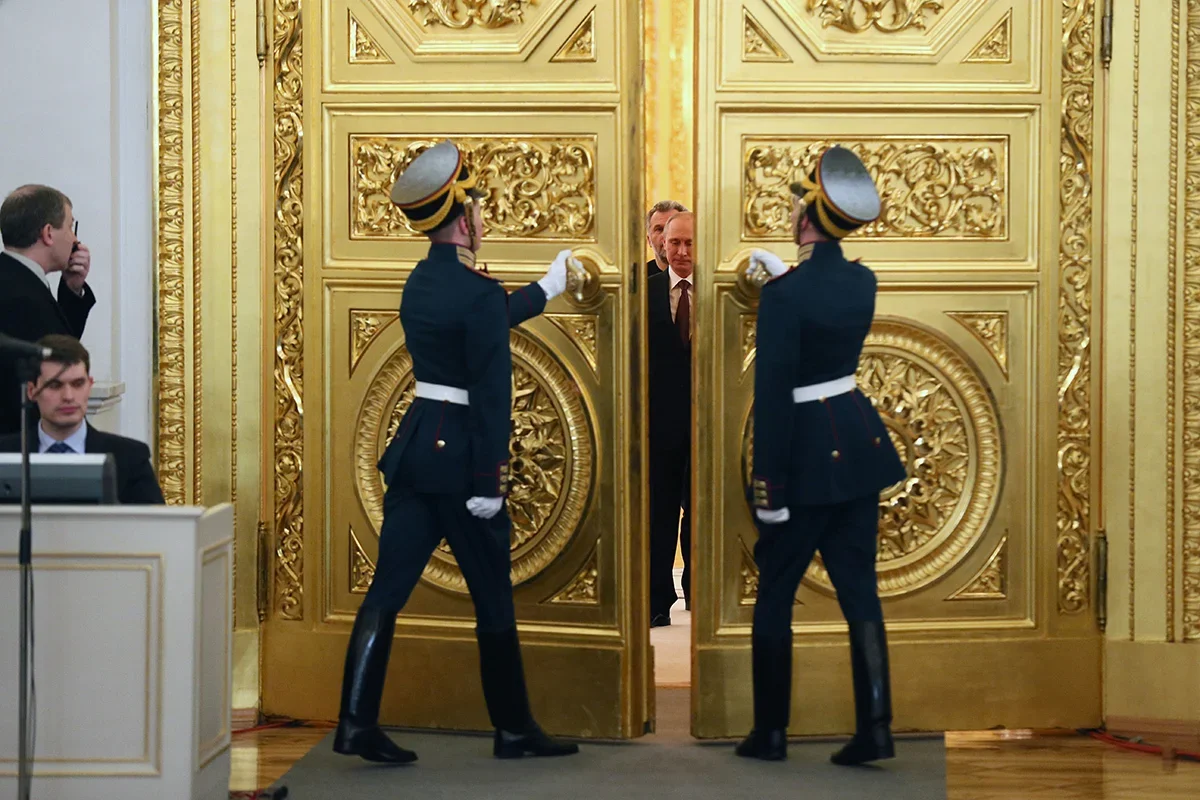
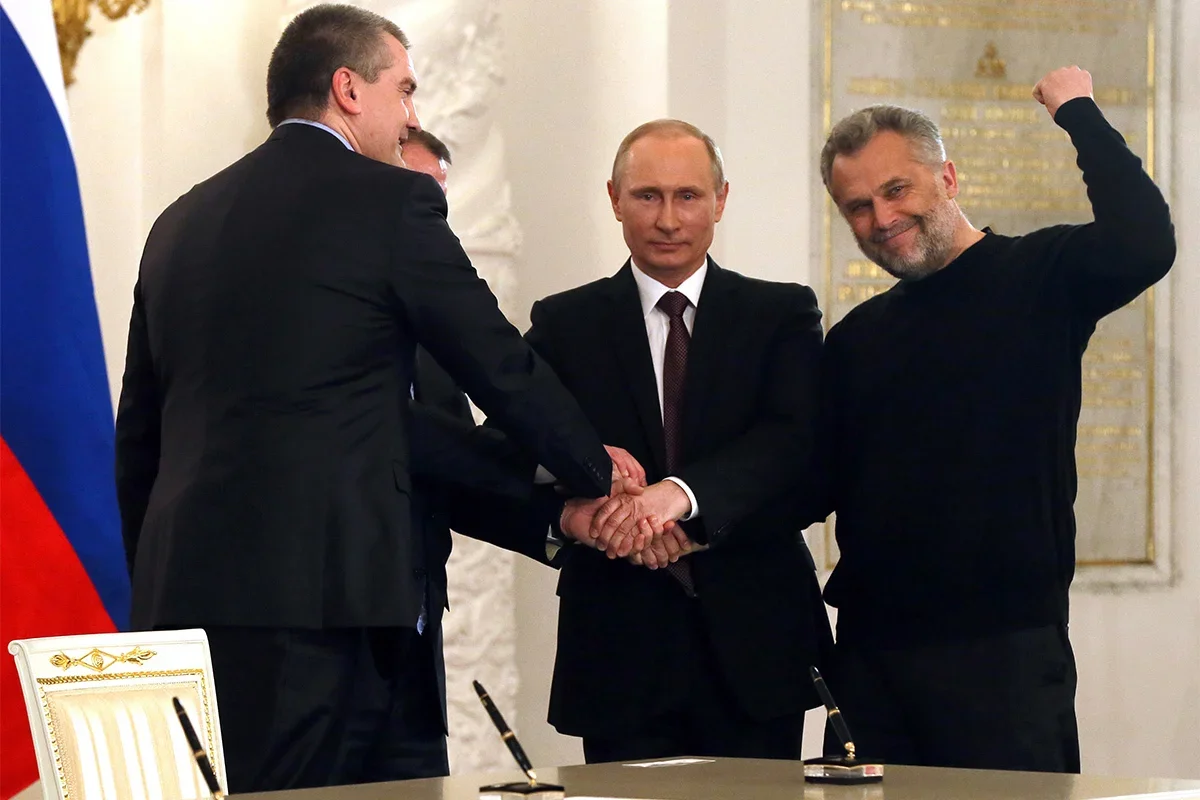
On 18 March Russian legislative bodies formally approved the annexation of Crimea, signing the “treaty of ascension” of Crimea to Russia. In an address to the Federation Council on the same day, Vladimir Putin addressed Ukrainians to reassure them that Russia “didn’t want to hurt their feelings”.
“Don’t believe those who are saying other regions would follow Crimea. We don’t want to divide Ukraine,” Putin said.