
Оригинал материала
The Beet’s top five stories of 2025
From hardened borders to fading factories, these dispatches trace how history, identity, and power shape everyday life across Eastern Europe and Central Asia
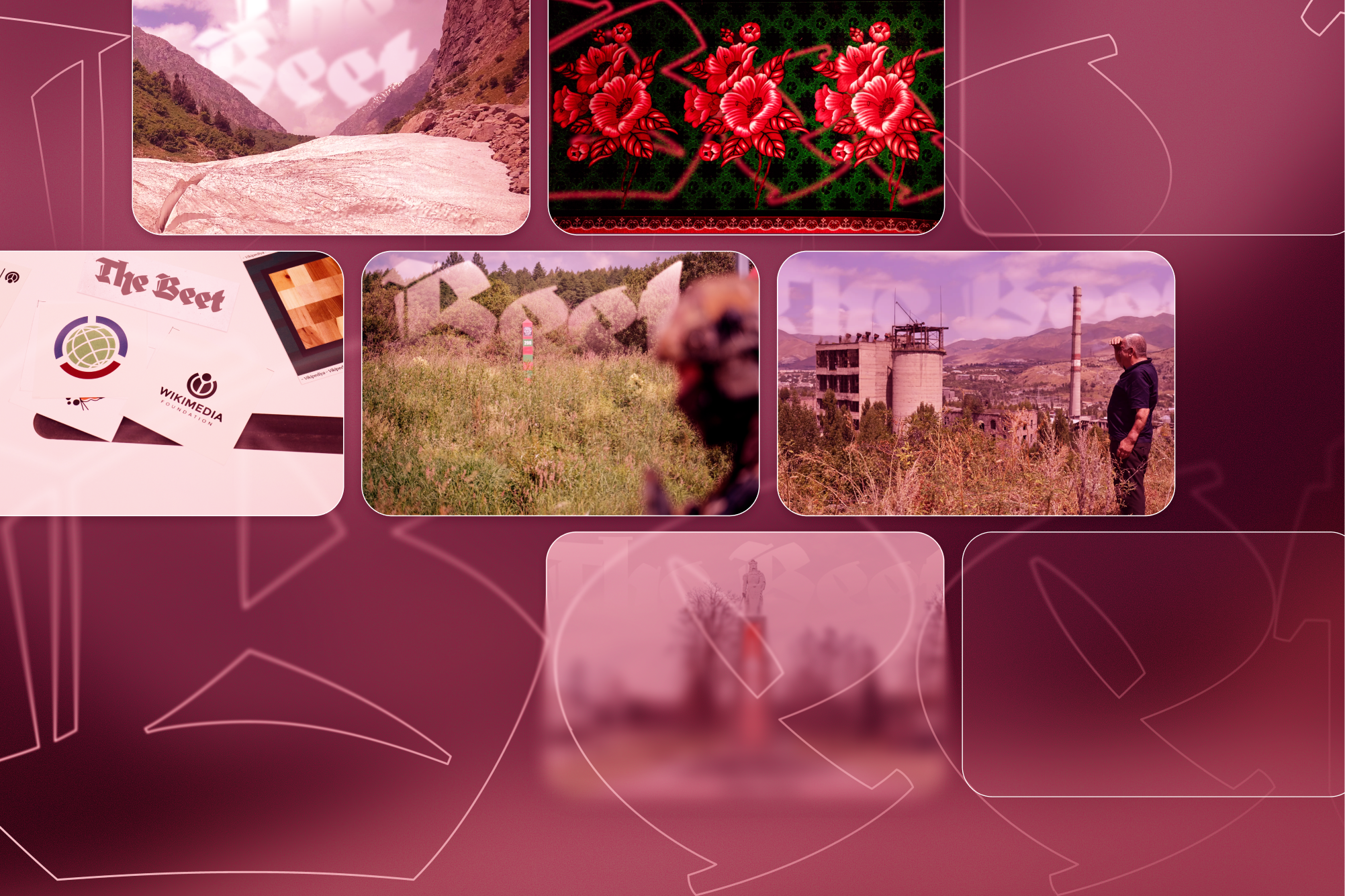
For the past three years, The Beet newsletter has supplemented Meduza’s regular coverage with original reporting from Central and Eastern Europe, the Caucasus, and Central Asia. When we launched this mailing in September 2022, our aim was to dig deeper, amplify local perspectives, and tell unique stories that might otherwise be overlooked. The Beet went on to publish more than 120 dispatches, the vast majority of them reported by contributors working on the ground in more than 20 countries.
Unfortunately, The Beet will be pausing publication starting in January 2026. It’s a dark time for independent journalism, and it’s no secret that Meduza has to fight relentlessly to stay afloat. But we remain determined to deliver nuanced and insightful coverage of Russia, Ukraine, and the wider region via our website, daily newsletter, and podcast.
We’d like to thank all of The Beet’s subscribers for their support. This newsletter has been a testament to what a small team of journalists can achieve with the help of their readers. Below, you’ll find The Beet’s top five dispatches of 2025 — but there’s plenty more where that came from. To catch up on other adventures you may have missed, visit The Beet’s landing page.
Letter from Latvia
In Latgale, ordinary people navigate growing militarization and a stagnant economy as the border with Russia hardens
Journalist Jack Styler spent seven months reporting on how the militarization of the border with Russia has affected ordinary people in easternmost Latvia. This story begins at the Terehova border crossing, where Latvian authorities had introduced increased restrictions, citing the risk of a “hybrid threat” from neighboring Russia and Belarus. For residents of the Latgale region, however, the realities of cutting cross-border ties are complex, to say the least.
Photo essay from Moldova
(National) identity crisis: A journalist grapples with her home country’s post-independence transformation
In this personal essay, multimedia journalist Natalia Jidovanu offers a first-person perspective on Moldova’s trajectory since independence. Drawing on her own family’s story, she recounts how the Soviet experience, economic hardship, and mass emigration continue to shape Moldovan politics and identity today. Through her reporting and reflections, Natalia provides a closer look at a bigger picture, revealing how major historical events shape individual lives.
Dispatch from Uzbekistan
How Central Asian Wikipedians are closing the local-language knowledge gap in the age of AI
Step inside the first IRL (in-real-life) meeting of a unique online community — the volunteer editors and administrators behind the Central Asian editions of Wikipedia. Founded along linguistic rather than nation-state lines, these “free encyclopedias” offer reliably sourced information to millions of readers across the region, all while competing with the behemoth that is Russian Wikipedia for page views. Drawing on his reporting from the inaugural Central Asian WikiCon in Tashkent, freelance journalist Dénes Jäger explores the debates about language, trust, and technology shaping Wikipedia’s development in Central Asia (and beyond) in the age of AI.
Photo report from Armenia
The human stories behind Vanadzor’s forgotten factory
A former industrial powerhouse, the city of Vanadzor has seen most of its factories shutter in the decades since Armenia gained independence. The local Chemical Plant, which was once the second-largest in the country, now stands derelict after suffering a slow descent into bankruptcy. Left with few job prospects, many residents have moved away. And the workers who once kept the Chemical Plant’s workshops running have faded into the background. In a special report, journalist Kushane Chobanyan sheds light on the human stories behind her hometown’s forgotten industrial giant, with the help of photographer Vaghinak Ghazaryan.
Dispatch from Tajikistan
What the sole resident of the breathtaking Siyoma gorge can tell us about climate change
Journalist Sher Khashimov takes us to the Siyoma Valley: a mountain gorge north of Dushanbe that attracts plenty of tourists, shepherds, and mountaineers but has only one resident. Fondly referred to as the “Siyoma Hermit,” Ivan Bragin has spent more than 30 years overseeing the local hydrometeorological station, collecting vital data, and witnessing firsthand the effects of climate change. Though fiercely private and typically gruff, Bragin agreed to share his fascinating life story with The Beet. And in doing so, he offered us a window into the local consequences of a global issue.
Bonus: Editor’s pick
How the shattering of empires after WWI turned one tiny Lithuanian village into a ‘republic’
In a sweeping dispatch from Lithuania, Deep Baltic editor Will Mawhood recounts how the implosion of empires after World War I turned the tiny village of Perloja into a micronation that remains a local legend to this day. It’s a tale of shifting borders and self-governance, told with an eye for detail and a nose for colorful characters.
Eilish Hart