
‘White Rex’ lives
Ukrainian military intelligence says it faked killing of neo-Nazi militia commander to fool Russia
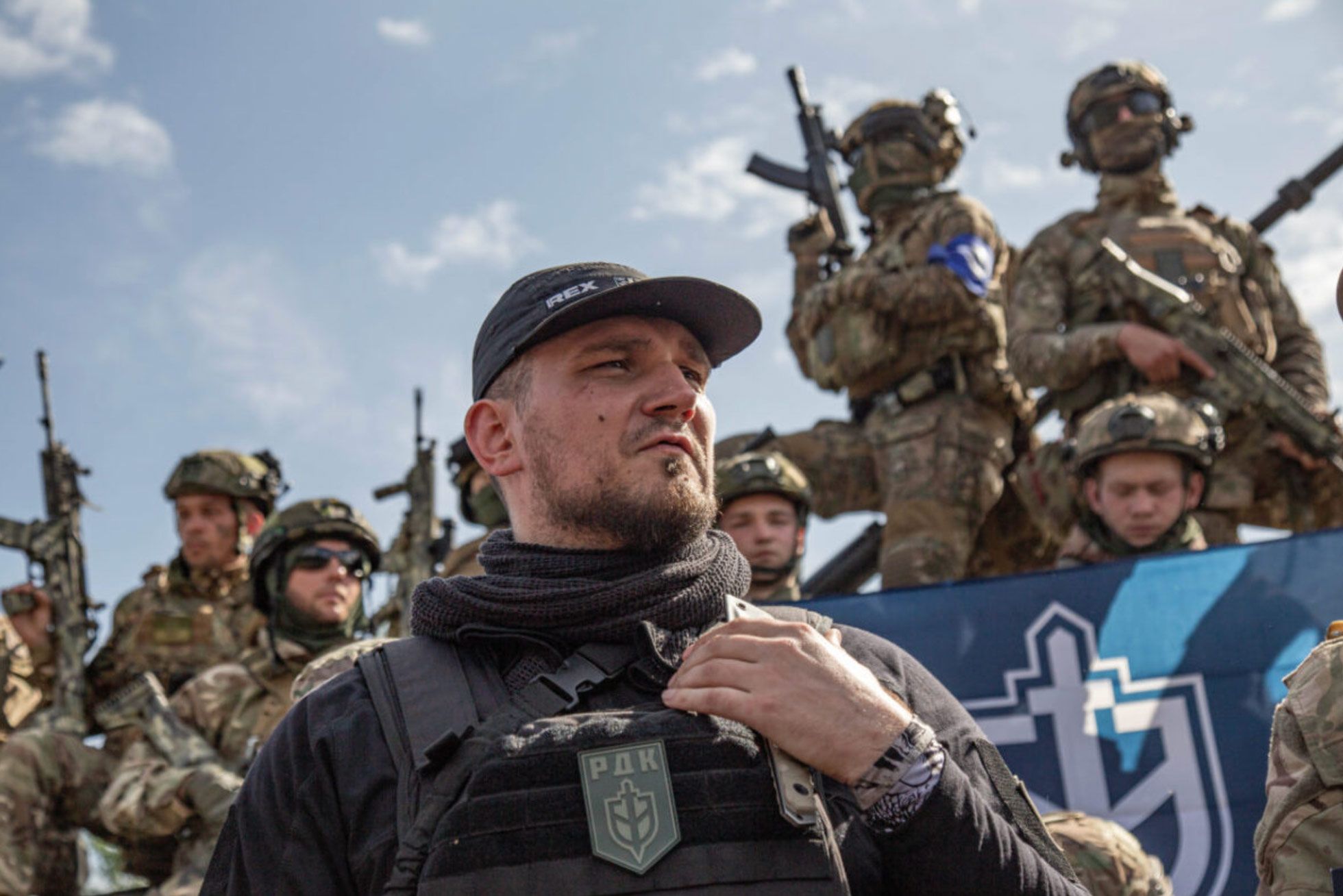
Denis Kapustin, the commander of the Russian Volunteer Corps, was not killed in a Russian drone strike and is alive, Ukrainian military intelligence said Thursday. On January 1, 2026, the agency published a statement on its website titled “A Failure of the Russian Special Services.” According to Ukrainian officials, Russian security services ordered Kapustin’s assassination and allocated $500,000 for the operation. Ukrainian agents allegedly collected the money instead and transferred it to support Kyiv’s war effort.
The Russian Volunteer Corps (RDK) fights alongside Ukraine against invading Russian troops. The group claims to be part of Ukraine’s Armed Forces, but officials in Kyiv have neither confirmed nor denied this connection. According to multiple media and watchdog reports, RDK’s leaders espouse far-right and neo-Nazi views. Kapustin (also known as Denis Nikitin and “White Rex”) has been identified as a neo-Nazi by the Anti-Defamation League. RDK and other groups of Russian nationals fighting alongside Ukraine have repeatedly said they carried out raids into Russia’s border regions.
Ukraine’s intelligence service claims it carried out a month-long special operation to save Kapustin’s life and identify both those who ordered the killing and those who attempted to carry it out. On December 27, as part of the ruse, RDK reported that Kapustin had been killed outside Zaporizhzhia by a Russian drone strike.
Speaking by video link, Ukraine’s military intelligence chief, Kyrylo Budanov, congratulated Kapustin “on his return to life.” Budanov said he was glad the money earmarked for a contract killing had been redirected to support Ukraine’s fight. Ukraine’s military intelligence service also released a video on social media of a briefing on the operation attended by Kapustin, Budanov, and a masked commander from the Tymur Special Unit.
Ukrainian security services have carried out similar special operations in the past. In 2018, for example, Ukrainian media reported that journalist Arkady Babchenko had been shot dead in Kyiv. The following day, however, Ukraine’s Security Service announced that Babchenko was alive. The agency said it had received advance notice of an assassination attempt and staged the killing to thwart it.