
Оригинал материала
Monument to Soviet secret police founder erected in Urals village to ‘refresh youth’s memory’
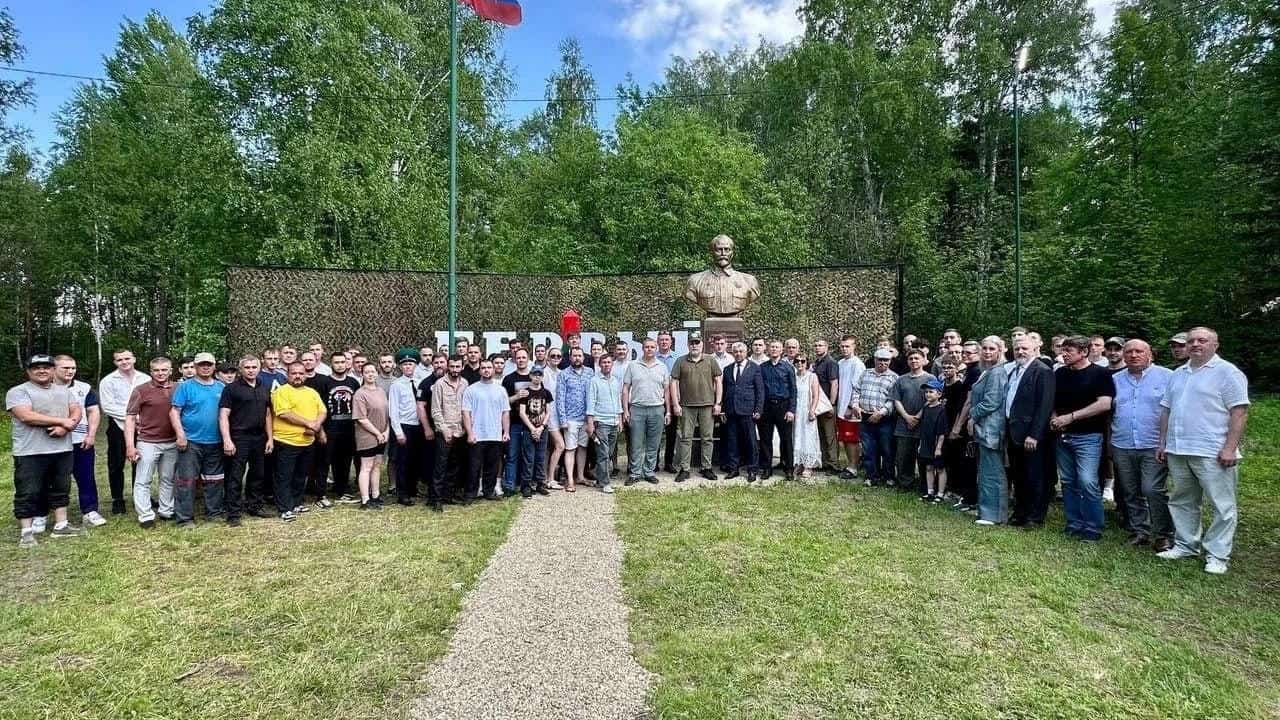
A monument to Felix Dzerzhinsky, the head of the Cheka, the first Soviet secret police organisation, has been erected in the Chernoistochinsk village near the city of Nizhny Tagil in the Russian Urals, local media outlets reported this week.
Nizhny Tagil politician Dmitry Kostennikov, the man responsible for the monument’s installation, explained to independent outlet Podyom that those who criticise the decision “simply don’t know history”.
He lamented modern children not knowing who Dzershinsky was, adding that “he was a man of global stature, not even just Russian. So this is simply to refresh the memory of our youth."
"People simply don't know history,” Kostennikov continued. “For us, he was a man who treated our children with care — that’s all. This sets an example for us to raise children with honesty and integrity.
He gathered tens of millions of orphans into camps, and labour brigades were created in these camps. And that's precisely why we’re creating a sports and patriotic camp. We believe this is a very considerate approach to children. Anyone who criticises this is probably simply afraid of changes in our country, towards a cleaner and more transparent environment."
Dzerzhinsky was appointed by Vladimir Lenin to head the Cheka, the newly established domestic intelligence agency, in 1917. One of the architects of the Red Terror under Joseph Stalin, Dzehrzhinsky’s ruthless approach to critics of the Bolshevik regime means he remains a highly divisive figure in Russia today.
The toppling of a statue of Dzerzhinsky in Lubyanka Square in 1991, which had stood outside the KGB’s Moscow headquarters since the late 1950s, marked a key turning point in the collapse of the Soviet Union. In recent years, however, his image has been rehabilitated by the Russian authorities, and a facsimile of the original statue was erected outside the headquarters of Russia’s Foreign Intelligence Service in 2023.
Russia’s foreign intelligence chief Sergey Naryshkin said at the time that Dzerzhinsky was an “example of honesty, selflessness and duty”, and that his “ideals of decency and justice” had made him a "moral compass” for future generations working in national security.