
Translated material
From the first torture
Cycle " Prison and Volya "
With the first torture.
A study on how torture in Russian prisons has become the norm
Project team, October 7, 2020

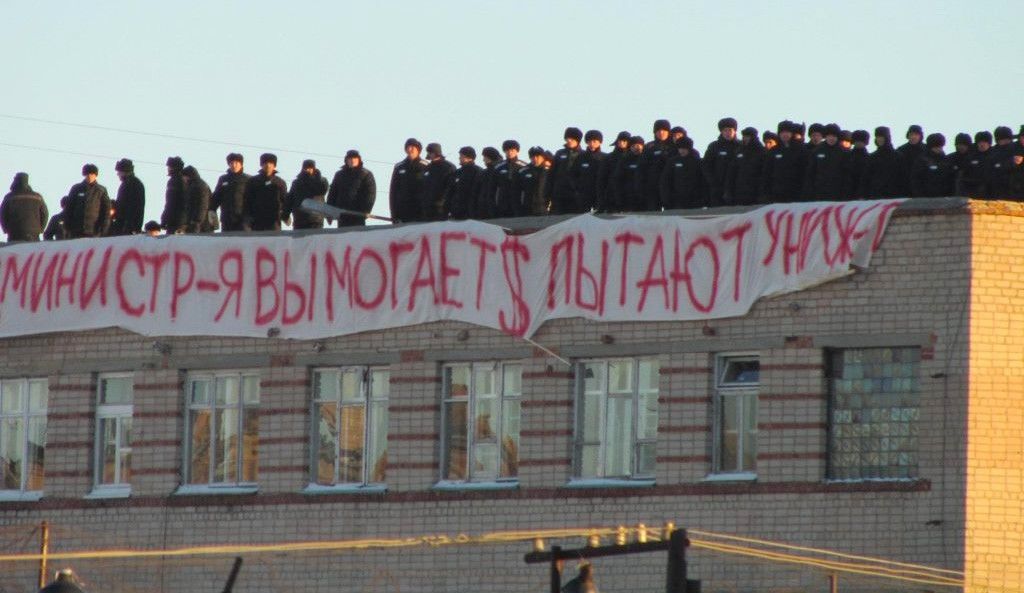
Beating, strangulation of gas masks, rape, hole, torture. All this is the reality of Russia of the 21st century, as well as the deaths of prisoners from beatings or as a result of suicides caused by inhuman circulation. With the help of statistics and unique evidence, the “project” proves that the problem of torture in the Russian penitentiary system is not solved.

How security officials are punished for the torture of prisoners
In the Criminal Code of torture, whoever and to whom they are applied to, are not considered as an independent type of crime. The punishment for actions using torture is imposed on the totality of crimes. In 2018, the President’s Rights Council proposed to introduce an article to the Criminal Code, which would provide for real terms for security forces for the use of torture. The FSB and the Ministry of Internal Affairs opposed, the idea failed. The possible reason is the desire to hide the real number of complaints about the beatings and cases initiated against the security forces, including against the employees of the Federal Penitentiary Service, says Leonid Abgadzhava, lawyer and expert of the Rus Sitting Human Rights.
The purpose of this material, - overcoming the lack of centralized statistics, to study how in Russia they punish for torture in cases where their use was proved.
For what articles are usually judged by the FSIN employees for the “unreasonable” use of physical strength ”:
Art. 117 of the Criminal Code - torture, in this article there is a paragraph on torture with the use of torture, where torture is “causing physical or moral suffering in order to comply with testimony or other actions that contradict the will of a person, as well as for the purpose of punishment or for other purposes”;
Art. 111 of the Criminal Code - intentional infliction of serious harm to health);
Part 3 of Art. 286 of the Criminal Code - excess of official powers).
Most of the FSIN employees who unreasonably applied physical force to prisoners are judged by the 3rd part of the 286th article. Therefore, we take precisely this composition of the crime in our study in our study.
From 2015 to 2019, 123 FSIN employees tried
Of these, 120 committed a crime while in a workplace in a colony, a prison hospital, a medical institution (LIU), a prison or pre-trial detention center, follows from the data of the judicial department at the Supreme Court, provided at the request of the Project. The remaining three people committed a crime, being outside the FSIN institutions, so we do not take them into account.
This number of sentences are extremely few, even when compared with the number of officially registered complaints about torture in the Investigative Committee: for example, in four years-from 2015 to 2018-more than 6.5 thousand complaints of torture were received, according to the TFR, provided earlier at the request of the “need for help”.
The Project found and analyzed the sentences of convicted employees of the FSIN.
Despite the fact that the crime under Part 3 of Art. 286 is considered serious, 53 employees - that is, almost half - received a punishment not related to deprivation of liberty (conditional period or even a fine). Another 41 of 123 employees of the FSIN was sentenced to the minimum term provided for in the article-3-3.5 years of imprisonment.
This is despite the fact that the court found 38 employees of the FSIN guilty and accomplices in crimes that led to the death of prisoners or causing serious harm to health. Even in such cases, employees of the institutions received relatively soft sentences. So, in May 2015, the Petrozavodsky City Court sentenced the 3 years in prison of a conditionally former IK-9 employee in Karelia Major of the Internal Service Alexander Antonyuk. According to the case file, he “at least five times” hit a prisoner lying on the floor with a rubber stick. The court decided that the employee deliberately caused serious harm to the health of the convict, nevertheless chose conditional punishment for Antonyuk.
In March 2018, the Soviet District Court of Orsk found the former head of the pre-trial detention center-2 of the Orenburg region, Evgeny Schneider and the former head of the operational department of the same insulator Vitaly Simonenko: they beat three convicts, one of which died from injuries. Nevertheless, the FSIN former employees received the deadlines: Schneider sentenced to two, and Simonenko to the four years of the colony.
The percentage of acquittals for employees of the FSIN convicted under Part 3 of Art. 286 of the Criminal Code for these five years - 3.3% - 4 employees. At the same time, the total share of acquittals in the country for the same time is 11 times lower, only 0.3%, according to the calculations of the “project”.
According to the calculations of the “project”, from a third of the FSIN institutions, whose employees were convicted of beatings, reports on the unreasonable application of physical strength to prisoners.
Why to bring an employee of the FSIN accountable for beating a prisoner is almost impossible
The FSIN employees are often brought to criminal liability for bribes or “prophesies”, because they carry objects prohibited there. For the beating of prisoners, they are judged extremely rarely. Firstly, beating is an emergency, not a single head of the zone wants to record such an incident. Secondly, many employees, according to former FSIN workers, are bought up and continue to work, the former employee of the IK-5 of the Ryazan region says.
As a rule, if the prisoner decides to declare a violation of his rights, and his complaint reaches the prosecutor's office, the UK or human rights defenders, the audit is carried out formally, says a lawyer, former prosecutor Alexei Fedyarov.
- The investigator, for example, arrives, and the witnesses are brought to him prepared, they say: "There were no beatings." After such explanations, it is difficult to initiate a matter. In addition, the staff of departments communicate with each other, this is an ordinary ligament that went to fry Shashlychkov, to pluck, ”comments the lawyer of the public movement“ Rus Sitting ”Alexei Fedyarov.
But even if the prosecutor’s office or investigator records violations, as a rule, the colony head simply issues a performance, says Alexei Fedyarov. In exceptional cases, for example, if the media begin to talk about the situation with beating, the employee can be dismissed or transferred to another institution, former FSIN employees, lawyers and human rights activists told the project.
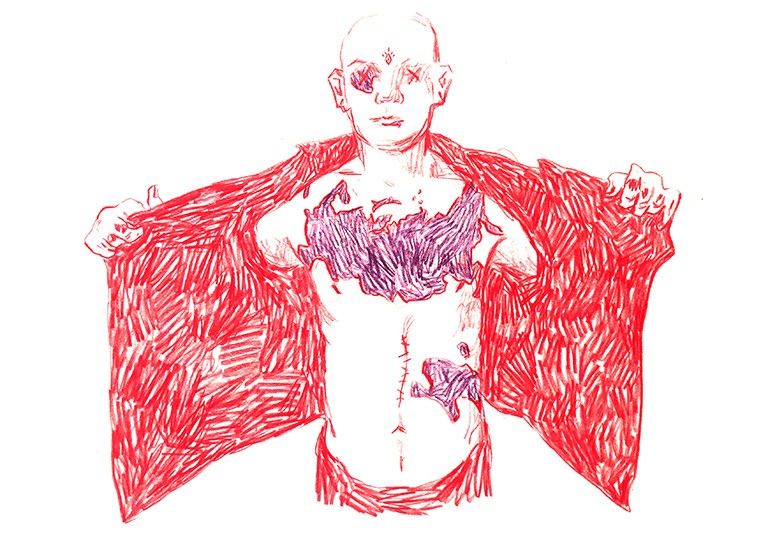
Where they are trying
In Russia, in correctional institutions-colonies, prisons, medical institutions and pre-trial detention centers are 493,310 people, according to official figures on September 1, 2020. For their maintenance in the country there are 923 institutions of the Federal Penitentiary Service (FSIN) - this number does not include hospitals, LIU, HPPs and other FSIN medical institutions. From 2015 to 2019. At least out of the 334s, information on beatings or torture, calculations of the “project” on the basis of data requests from human rights organizations, public supervisory commissions, media reports and annual reports of the Commissioner for Human Rights in 2015-2019 were received.
Over the past five years, only in 9 regions in the institutions of the FSIN there were no reports of beatings or torture
The number of institutions in the region from which there were reports of beatings or torture, 2015-2019
Regions in which prisoners are most often subjected to beatings, according to human rights activists and certificates of former prisoners
Vladimir region
Sadly known institutions in the region-IK-3, T-2 (Vladimir Central), SIZO-1. It is to these institutions that prisoners are taken, who “stagger the regime”, write complaints or “do not want to abandon thieves' concepts”, quotes from conversations with lawyers and former convicts. The wife of the deceased in IK-3, Sergei Kozayev, in a conversation with the “project”, said that during the stage in this colony, both she and her husband understood that he was “being taken to kill”. Two weeks after Sergey came to IK-3, April 7, 2020, his wife came a telegram about his death. According to the FSIN, the cause of death is heart failure. Sergey’s wife is sure that her husband was killed, he had no heart problems, according to the woman.
This is not the first time that the relatives of the victims or those who died in the Vladimir region refuse to believe in the official version of the incident. In 2018, the media wrote about the prisoner David Mdivanishvili, who, according to the prosecutor’s office, knocked out his teeth in the T-2 and bit his tongue. Human rights activists claim that the convict could bite off his tongue in order to "stop torture."
Krasnoyarsk Territory
In 2017, dozens of prisoners complained of beating in IK-31 of the Krasnoyarsk Territory. Since then, from this and other institutions of the region, applications for torture have been received regularly. In a conversation with the “project”, the name was not disclosed for security reasons, freed from IK-31 in 2019, said that he, like other convicts, was repeatedly tortured in this colony. “Well, I was forced to abandon thieves' traditions. If you do not do this, strangle, stretch. I was beaten by a man of 15 employees. They beat off their legs, eggs, body. Well, such places that you can’t walk. Then they drown in a bucket, ”said the former prisoner.
The Republic of Mordovia
They wrote about beating in Mordovian colonies 10 years ago. In February 2020, the prisoner of the Mordovian IK-5 Ibrahim Bakaniev complained of torture from the side of the colony and his deputies. He was tortured for 6 hours, forcing him to admit that he was the organizer of the rebellion in the institution. In 2019, according to media reports , concluded the same colony “committed the acts of self -mutilation” in protest against bullying by the colony administration.
Republic of Karelia
One of the most famous Karelian colonies is IK-7 in Segezh. She became the object of attention at the end of 2016 after the letter of the convicted oppositionist Ildar Dadin. He told how he was personally beaten by the head of the colony. Verification of the Investigative Committee confirmed the use of physical strength to Dadin, but considered that the actions of the colony officers were legitimate.
In 2019, the media talked about torture in the Karelian IK-9. “I would say they killed me: they pierced my head, knocked out my teeth, jumped on me, stood on my throat ... After that they dragged it into the washbasin, under the crane, cooled with cold water and led back,” recalled one of the prisoners of this colony. Lawyer Leonid Krikun, who represents the interests of convicted Karelian colonies, in a conversation with the “project” confirmed that complaints about torture from the institutions of the Federal Penitentiary Service of the region continue to come today.
One of the most high -profile affairs about torture in the colonies is the Yaroslavl affair. In July 2018, New Gazeta published a video of beating prisoner Yevgeny Makarov by IK-1 workers in the Yaroslavl region. In relation to employees appearing on the video, after this publication they opened a criminal case. The trial is still on them.
However, according to the “project”, torture in this colony was systematic, and many of their participants did not suffer any punishment. At the disposal of the “project” there is a video of the previously unknown episode of beating a prisoner in IK-1.
In the video - the moment of returning from the walk of the prisoner of the penalty insulator (schizo). The “project” is known for the surname and the name of the prisoner in the video, but we do not call them for security reasons. According to the regulations, the prisoner must be searched. This convicted person, according to the stories of the former prisoners of this colony, decided to search more carefully than usual, because a few hours ago he rudely answered one of the employees. The Sidelz was first ordered to undress for a search right in the corridor - employees and other prisoners walked by. The prisoner refused, after which he was brought into the educational work room. The convicted person is in the frames, he is in his underpants. Employees force him to remove them and sit down, the prisoner refuses. Then the employees put him on the table and beat him with batons in the buttocks.
The video is clearly visible to the faces of the beating participants. Based on conversations with prisoners and search on social networks, the “project” managed to identify three employees:

Vladimir Kruglov
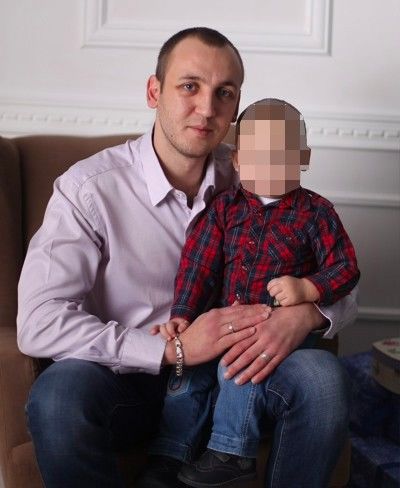
Sergey Ivanov
Photo from the VKontakte account

Andrey Tikhomirov
Photo from the VKontakte account
These employees, according to former prisoners, no longer work in IK-1 Yaroslavl.
Persons of other employees participating in the beating are also clearly visible and could be identified by the investigation if it were carried out.
The request of the “project” in the UK about whether criminal cases against IK-1 employees were initiated from 2015 to 2020 for applying unreasonable physical violence to the prisoners, except for a criminal case on the beatings of the prisoner Evgeny Makarov and the video published earlier, the department did not answer.
A former IK-1 employee of the Yaroslavl region, who worked in a colony until 2018, in a conversation with the project said that he did not see the employees beat the prisoners: “Well, why should employees do something for someone on purpose? You come to work, then you leave it and forget this place for three days, thank God. ”
FSIN employees who were moving along the career ladder, despite the testimonies of their participation in torture
. “Project”, relying on the stories of former convicts, information from the official website of the Federal Penitentiary Service and Media Publications, collected examples of how the employees accused of torture successfully continued to build a career

Source: Krasgufsin / YouTube.com
The former head of the search department of the operational department of the GU FSIN in the Krasnoyarsk Territory Sergey Sleptsov in November 2019 was removed from work after the publication of the video, in which he dipped his head in the toilet. But in 2020, Sleptsova was appointed to the post of head of the operational department of the Novosibirsk Federal Penitentiary Service.

Source: TV channel option
Andrei Gromakov was the deputy chief of the “torture” IK-3 of the Vladimir region. It is called that lawyers, and human rights activists, and prisoners - people are taken out there to “break”. Former convicts said : "From violence, nothing will save - only to hang around or cut veins." Since 2018, Gromakov has been the head of the IK-5 in the Vladimir region. “Previously, in the 5th colony it was more or less calm, and he came and twisted the nuts,” one of the local lawyers commented on the project.
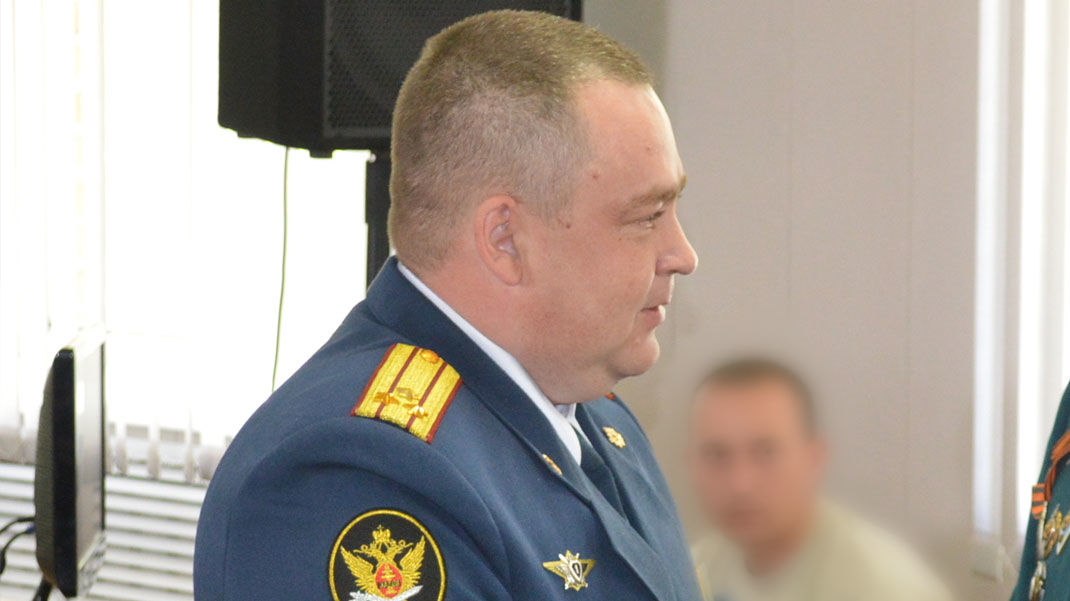
Source: FSIN
In August 2019, the head of the IK-7 in the Omsk Region Mikhail Mikhailishchev, at which in the colony, according to the stories of prisoners, convicted people were beaten, left the position. Today he is the head of IK-8 in the Omsk region.
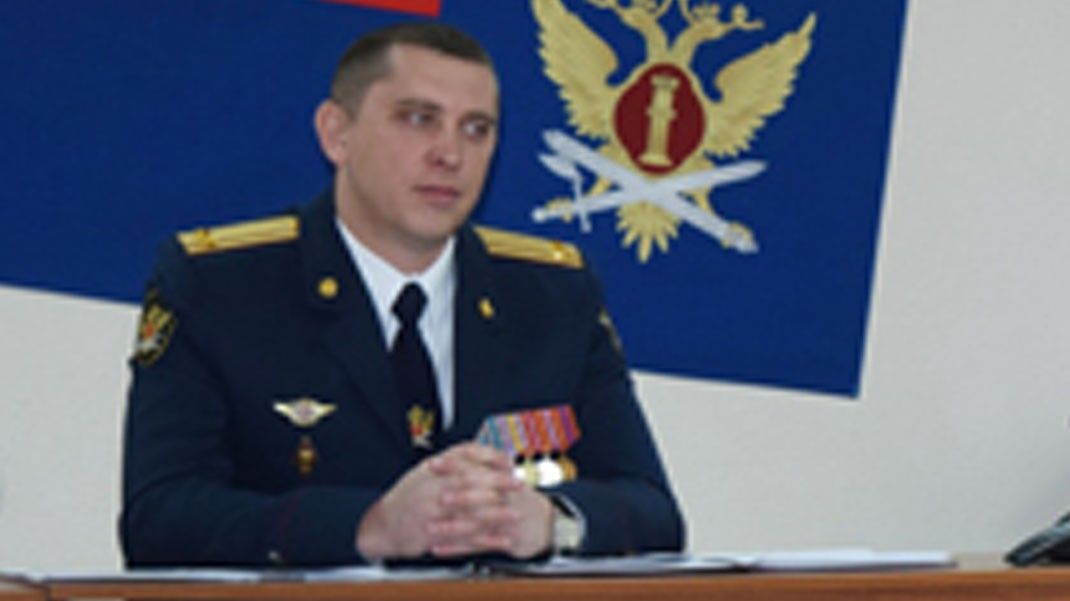
Source: FSIN
The ex-head of the pre-trial detention center of the SIZO-1 in the Ryazan region for operational work, Lieutenant Colonel Maxim Ovechkin. The media published information that complaints about threats and torture are made from the insulator, including from Ovechkin. Former prisoner of the pre-trial detention center-1 of the Ryazan region, Igor Adamovich, told the “project” that he personally saw how in 2011 Ovechkin “beaten the prisoners who were waiting for the stage in the distributor room”. According to the official website of the Federal Penitentiary Service, in 2015 he was the head of the Security Department of the Federal Penitentiary Service of Russia in the Ryazan Region. Today he holds the position of head of the regime and supervision department in the same administration.

No photo
Victor Izotov, until at least 2017, worked in the IK-10 in the Republic of Mordovia as an security officer. According to human rights activists, for example, he participated in the "education" of prisoners in 2014 and 2016. Nevertheless, at the disposal of the “project” there are two complaints of prisoners who claimed the beatings from Isotov in December 2017. Izotov, according to one of the convicts, forced him to do charging in his office, “while trying to grab the ear with pliers,” so that the squats would turn out to be better. According to former prisoners, in 2017, after the beating of a convicted person by the name of Zotov Viktor Isotov, he was transferred to IK-17 in Mordovia to the post of deputy head of security and operational work. The former prisoner of colony No. 17 confirmed to the “project” that Izotov continued to “educate” the prisoners - including himself - at a new place of work. “Project” sent a request to IK-17 in the Republic of Mordovia, but by the time of publication the publication was not respected.
Source: bk55.ru
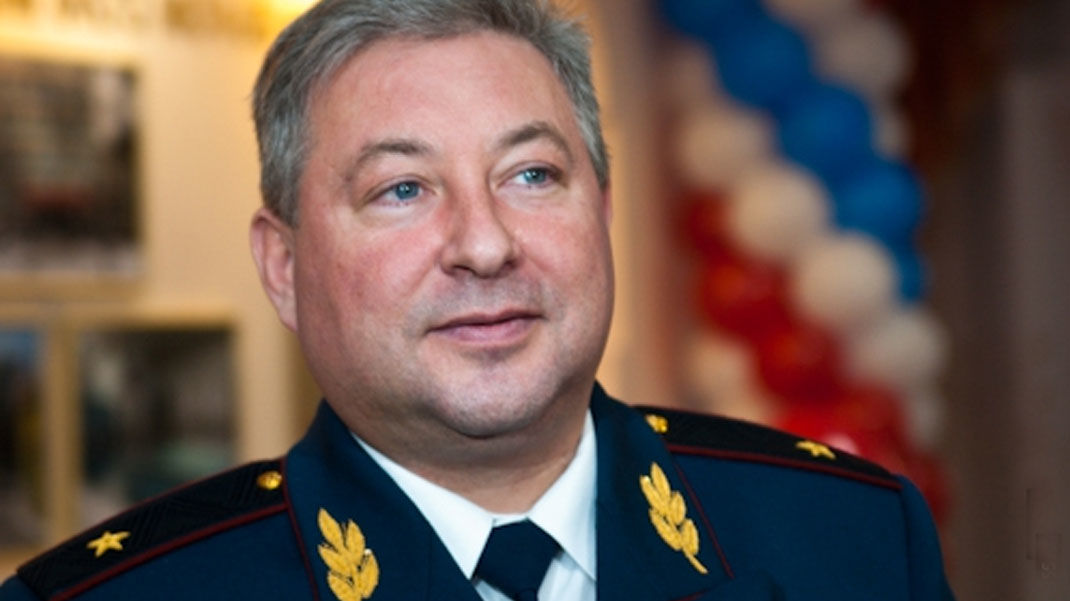
Major General of the Internal Service Sergey Koryuchin was the head of the Federal Penitentiary Service in the Omsk Region until August 2018. All this time in the Omsk colonies, the prisoners were not just beaten - the convicts were brought to these colonies to the "breaking". On August 28, 2018, Koryuchin was dismissed by the presidential decree. However, in 2019, he became the deputy minister of regional security of the Omsk region and held this position for exactly a year-in May 2020, the governor of the Omsk region, Alexander Burkov, resigned him.
Torture
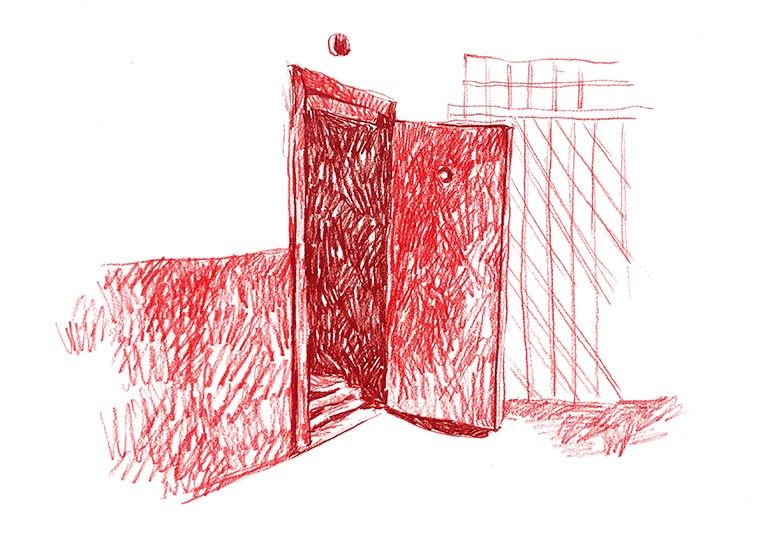
Based on the certificates of prisoners, lawyers, human rights activists and former FSIN employees, we can say that in Russia there are colonies, prisons and even prison hospitals, into which guilty or something objectionable prisoners are specially exported to physical “re-education”. The FSIN in the response to the request of the “project” claims that the decision on which institution is serving the sentenced person, is made in accordance with the Criminal Executive Code: people are transferred either in the colony within the region where they lived or were convicted, or if there are no appropriate institutions in the territory of the subject, they are sent to the institution in the nearest region. To the question of whether there is a practice of premises of “difficult” convicts in certain institutions for “re -education”, the department did not respond.
Как о «пыточных» говорят о местах заключения во Владимирской области, Карелии, Красноярском крае, Мордовии, до последнего времени такой «славой» пользовались и колонии в Омске.
— Это еще давно было, в 90-е. Я тогда работал на «Белом лебеде» ФКУ ИК-2 по Пермскому краю. Она была всемирная кузница, воров в законе там ломали. В свое время туда специально воров привозили, их сажали в камеру, например, окрашенную в красный цвет. А им по понятиям не положен красный цвет. Красный цвет — значит, на администрацию работаешь. И вот их и морозили, и носилки неподъемные заставляли носить, и били, — рассказывает бывший сотрудник ФСИН.
— Меня привезли в эту колонию ломать. В ЕПКТ
единое помещение камерного типа на территории колонии номер 7 в Омске возили из других колоний и там били. Это у них называлось «воспитание». Видите пальцы на руке? Они переломаны. Левое ухо у меня не слышит, правая нога плохо работает. Там не исправляют, а жестоко пытают. Вплоть до того, что бутылку из-под минеральной воды засовывают в отверстия людей. Меня пытали током так, что я теперь не способен ни на что ни для одной женщины. Каждые день и ночь ты там только и слышишь: «Мама, помоги!».
Мухтар Алиев «Проект» располагает подтверждением, что Алиев отбывал наказание в описываемой колонии провел в одной из пыточных колоний ИК-7 по Омской области — пять лет. Этап, с которым он приехал в колонию 24 февраля 2015 года, по его словам, избивали и унижали сотрудники колонии и осужденные, работавшие на администрацию учреждения (так называемый «актив»), заставляли мыть туалеты, подметать плац , по негласным правилам в местах лишения свободы, туалеты моют те, кто в среде заключенных относится к низшей касте, так называемые «обиженные». Осужденных, которые отказывались подчиняться, били.
— Зачем это делается? Человеку, который попадает в зону, дают понять, что он один, что его жизнь может закончиться в один момент, — объясняет бывший прокурор, а теперь правозащитник Алексей Федяров.
Мухтара пытали на протяжении нескольких недель — каждый день по три часа. После избиения его надолго привязывали к решетке так, что его ноги и руки опухали и болели, иногда его не кормили, в туалет он был вынужден ходить под себя. Других «авторитетных» сидельцев, чтобы сломать, насиловали, привлекая для этого работающих на администрацию сидельцев, и записывая это на видео , согласно рассказу самого бывшего заключенного. «А потом выпускали его в зону и говорили: „Видишь эту запись? Если начнешь голос повышать, она попадет другим преступным авторитетам. И ты знаешь, какая жизнь у тебя тогда начнется“», — рассказывает Мухтар.
О пытках осужденных в омских колониях начали говорить еще несколько лет назад. Бывшие заключенные ИК-7 рассказывали правозащитникам, как их били током, обливали холодной водой, душили. На вопрос о том, кто это делал, заключенные указывали на тех же сотрудников, которых упоминает и Мухтар: Иван Тиде (тогда — начальник ЕПКТ ИК-7 по Омской области) «Проект» не установил, где сейчас работает этот сотрудник, капитан Александр Буханов, Шодибек Махмадбеков, Сергей Вайнер, полковник по фамилии Жданов. Мухтар освободился из колонии 27 декабря 2019 года, и на тот момент, по его словам, пытавшие его сотрудники продолжали работать в учреждении. На запрос «Проекта» УФСИН по Омской области не ответило.
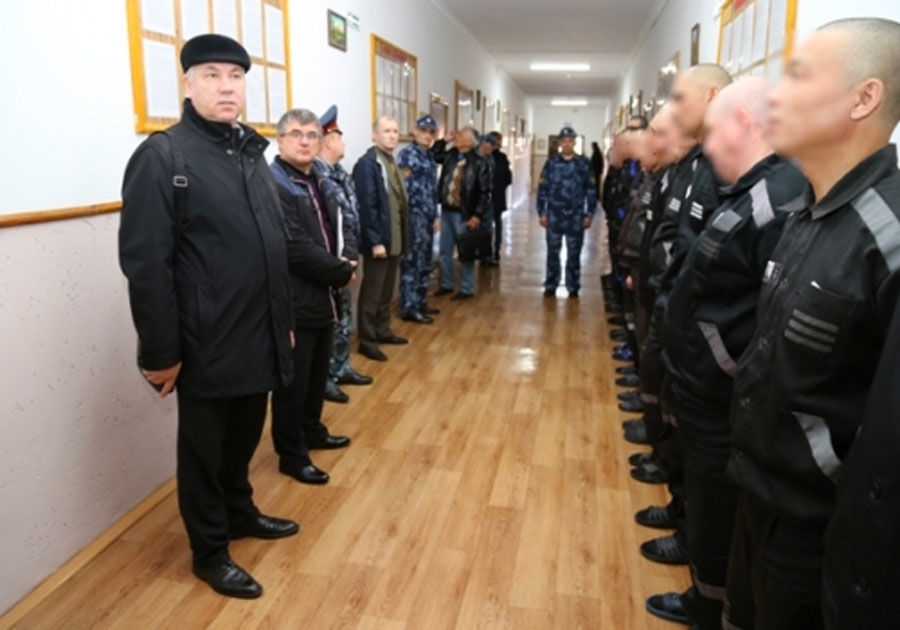
За пытки в омской колонии №7 на сегодняшний день осудили только одного сотрудника — инспектора отдела безопасности ИК-7 Василия Трофимова , его обвиняли в том, что он издевался над заключенными — заставлял раздеваться и танцевать друг с другом, сидеть в позе «зайчика» и т.д.. В сентябре 2018 года суд приговорил его к 2 годам колонии общего режима за превышение полномочий. В августе 2018 года лишился своей должности начальник Омского УФСИН Сергей Корючин — его просто уволили указом президента.
Обмен пыточным опытом
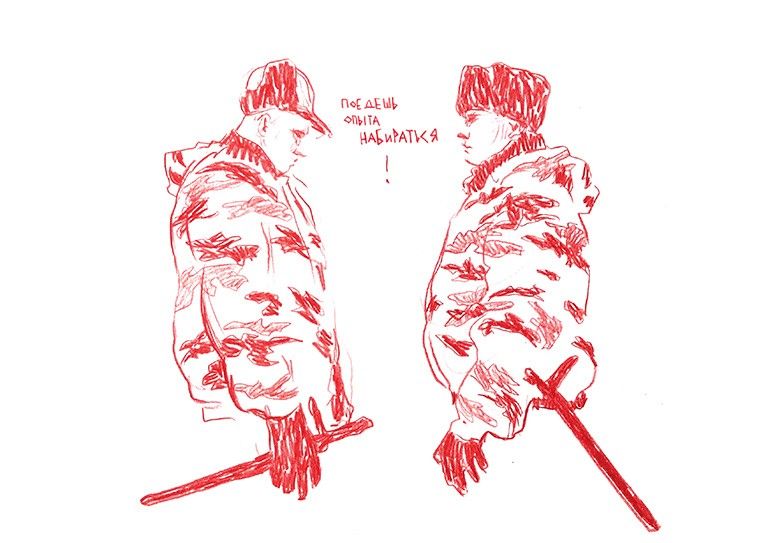
Дефицит кадров, коррупция, бюрократия, нежелание и неумение сотрудников работать с заключенными, безнаказанность — все это привело к тому, что избиения стали системой, а иногда — единственным способом, которым сотрудники ФСИН в состоянии «исправлять» залюченных , рассказали «Проекту» бывшие сотрудники системы. Этот опыт исправления передается от одних сотрудников другим не только в пределах конкретного учреждения. Адвокаты и заключенные утверждают, что существуют командировки сотрудников ФСИН, направленные на обмен «пыточным» опытом.
Почему пытки стали нормой
Механизмы воспитания и убеждения словом, описанные в теории, по словам бывших сотрудников ФСИН, в местах лишения свободы не только не используются, их в принципе почти невозможно применить. Сотрудники не могут провести работу с каждым осужденным, потому что заключенных в учреждении очень много. Кроме того, помимо очной работы с осужденными, сотрудники должны заполнять электронные дневники, писать характеристики. На это уходит большая часть времени, потому что комиссии, которые приезжают в учреждение, обращают внимание на отчеты, а не на реальную работу , рассказывают сотрудники ФСИН.
— Убеждение и воспитание заключенных происходит через принуждение и физическое воздействие. Сотрудникам дали цель — исправить, но не дали механизм. Молодой сотрудник вчера пришел в розовых очках, а сегодня увидел, как старшие работают: когда осужденный отказывается что-то делать, они дверки закрыли, чтобы не слышно было, отмудохали осужденного, тот все сделал, что надо, — рассказывает бывший тюремный психолог. — А просто сотрудник никак больше не мог его заставить. Нет профессионалов, которые могли убеждать, потому что хорошее место часто отдают тому, у кого есть связи, а не хорошему работнику.
Практика, когда в избиении заключенных участвуют сотрудники других учреждений, получила распространение , по мнению бывших заключенных и правозащитников, в том числе потому, что подвергшийся избиению не может в таком случае написать жалобу на конкретного сотрудника, потому что просто не знает, кто его бил.
How does this work? Сотрудник одного учреждения может на какое-то время оказаться в другом в нескольких случаях , рассказывают сотрудники ФСИН:
- Обыски. В колониях они проводятся регулярно. Во время них заключенных выводят на плац, а в бараках и камерах проводится обыск сотрудниками в балаклавах.
- Riot. В случае бунта в учреждение может зайти ОМОН, отряд которого состоит из сотрудников разных учреждений.
- Business trip. В случае, если в одном из регионов не хватает сотрудников, туда могут направить сотрудников из других областей. Такие командировки обычно длятся от полугода до года.
- «Обмен опытом». Официально каждый год ФСИН составляет план режимных мероприятий, который спускается в региональные УФСИН. В рамках этих мероприятий сотрудники разных отделов приезжают в одну из колоний или СИЗО области. Официально цель командировки — повышение квалификации. Сами сотрудники описывают эти мероприятия по-разному. Кто-то говорит, что они проходят в форме бесед и своего рода экскурсий или совместных обысков в бараках, кто-то — смеется и утверждает, что никакого обмена опытом по факту нет, а сотрудники просто устраивают совместные пьянки. Опрошенные фсиновцы отмечают, что пользы от таких поездок нет.
— У вас квартира, в ней спальня, холл, кухня. И есть другая квартира, такая же. С тюрьмой так же. Я же вас не научу, придя к вам домой, как пользоваться краном и наливать ванну. Какой опыт можно передать, когда все делают одно и то же? — комментирует бывший сотрудник ИК Тульской области Сергей Овчинников. — Что касается вопроса о том, что призванные силы применяют насильственные действия, бывает такое, но чтоб они очень сильно ерепенились, я не слышал. Потому что им там ничего не надо , несколько других бывших сотрудников ФСИН подтвердили, что такие выезды существуют.
Бывшие заключенные ряда колоний визиты сотрудников из других учреждений описывают совсем иначе.
— Сотрудники нас били, но они еще и менялись. Из нашей ИК-7 они ездили в ИК-6 и в ИК-3, а из ИК-6 к нам, в ИК-7, из ИК-2 тоже приезжали к нам. Они непосредственно в избиениях заключенных участвовали. Я знаю, что в какую-то из ярославских колоний приезжали 6 сотрудников из омской колонии. У омских сотрудников так много опыта в том, как пытать людей, что их даже в другие регионы посылали. Такой у них обмен опытом, — рассказывает бывший заключенный омской ИК-7 Мухтар Алиев.
Бывший заключенный Сергей , «Проект» знает полное имя бывшего заключенного, но не раскрывает его по просьбе собеседника, с 2005 по 2011 год провел в рязанском СИЗО, находясь под следствием. Он рассказал, что в этом же изоляторе видел экс-начальника ИК-6 Копейска Дениса Механова. Сергей находился в камере с еще двумя заключенными, когда к ним зашел Механов вместе с сотрудником изолятора.
— Механов спросил, кто дежурный? Я встал, сказал, что я, что в камере без происшествий, все нормально. Он на меня посмотрел, сказал: «Этому рапорт». Развернулся и ушел. Они потом в обысках участвовали в камерах этажом ниже, Механов там подсказывал, что и как искать надо. Почему я знаю, что это Механов был, я же сам в 2011 году в его зону по этапу приехал. Там беспредел был полный в 2012 году в ИК-6 Копейска произошел бунт, после чего Механова отстранили от должности, — рассказывает Сергей.
Другой заключенный, отсидевший в СИЗО Рязани с 2009 по 2011 год, также рассказал «Проекту», что в изолятор приезжали сотрудники ФСИН из Сибири.
— Я сам военный, поэтому знакомых из системы у меня много. В 2010 году я сам был в СИЗО, мы находились в прогулочном дворике. И я слышал, как в соседних двориках кого-то месили со страшной силой. Причем наши сотрудники были все на виду. Так я понял, что бьют не наши. Зеки, которых избивали, так страшно кричали, что все СИЗО гремело, заключенные в камерах в знак протеста в двери ломились, кружками и ложками в двери стучали. А потом уже нам сотрудники изолятора рассказали, что это приехали из Красноярска.
Бывший заключенный «пыточной» ИК-1 Ярославской области Руслан Вахапов утверждает, что сотрудники колонии не стеснялись рассказывать про подобную практику.
— Нам сами сотрудники рассказывали, как это происходит. Молодые специалисты, которые пришли работать в колонию, уезжают на полгода в командировку во Владимир или в Омск, Красноярск, Карелию, например, якобы на усиление. Типа в управлении в тех регионах не хватает сотрудников. Но по факту они едут туда, чтобы набраться опыта. Мы-то сами не могли отследить, кто куда едет из нашей колонии, но сотрудники сами нам сливали, пока курили, — рассказывает Руслан. — Ну сами подумайте. Я никогда не поверю, что у нас во ФСИН одни латентные пид…сы, которые идут и пытают таким образом, потому что хотят. Они же все эти одинаковые методы где-то берут — провода подключают к половым органам, палки и бутылки в задний проход заключенным засовывают.
Одно из изученных «Проектом» громких дел, связанных с избиением заключенного командированным в учреждение сотрудником ФСИН, завершилось в июне 2019 года. События происходили в ИК-43 Красноярского края. Бывший замначальника управления по безопасности ГУФСИН России по Красноярскому краю Николай Шахов избил шестерых осужденных за то, что те отказывались выполнять зарядку. 20 июня 2019 года Шахова приговорили к четырем годам условно.
Редакция «Проекта» выражает благодарность «Руси Сидящей», «Зоне права», «Комитету против пыток» за помощь в подготовке материала.
Следствие не вели.
Аудиодок о том, как в России не наказывают за пытки в тюрьмах
Подкасты «Проекта» в Apple Podcast , Castbox , Вконтакте , Soundcloud