
Translated material
The process has come
How “zeroing” of the presidential terms was served through parliaments
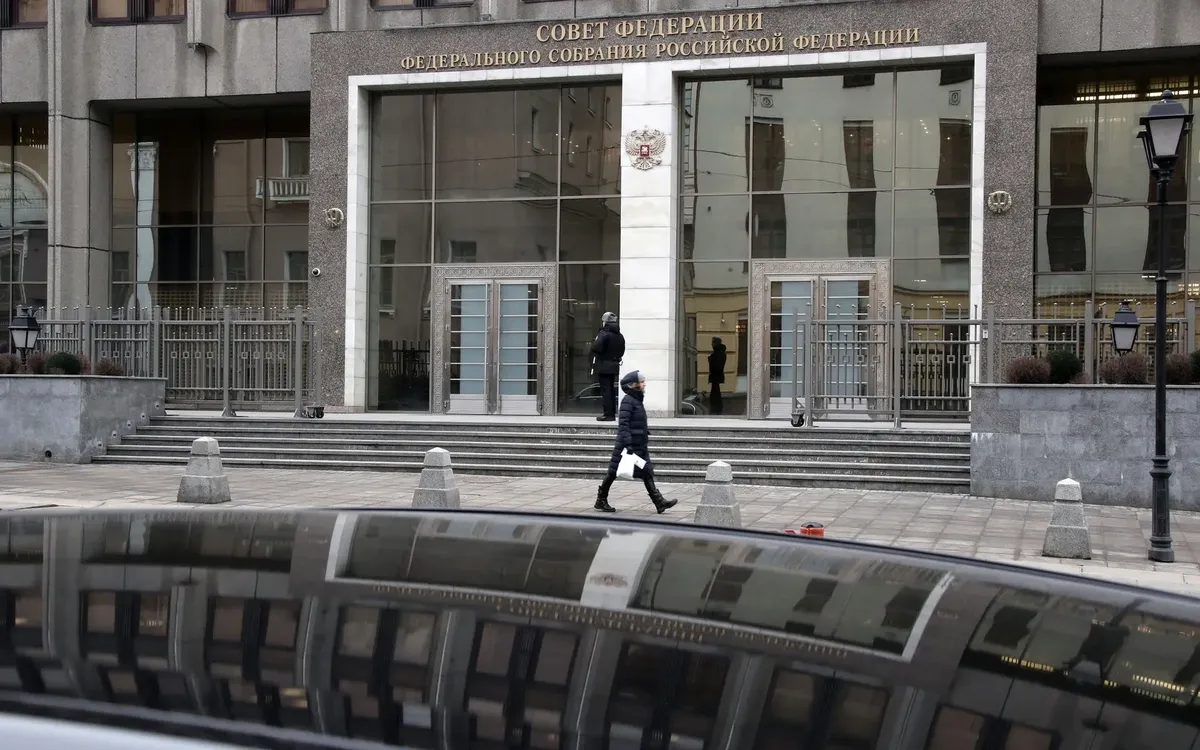
The law on amendments to the Constitution adopted, the Federation Council recorded this fact at the meeting on March 14, it was almost immediately signed by Vladimir Putin. Neither the Constitutional Court will now be able to cancel the law where the president gathered to appeal, nor the people based on the results of the “all -Russian vote”, which the president decided to arrange on April 22. Because all the innovations that this law incorporated from the filing of Vladimir Putin became part of the constitution. The zeroing of all Putin’s presidential terms is now also a constitutional norm, which can be challenged only theoretically: for a real formulation of such a question, there is not a single political force in the country.
The editing of the Constitution ended in two months. Vladimir Putin proposed to engage in it on January 15, reading the message to the deputies and senators to the Federal Assembly. And already on March 14, the law with amendments was adopted as soon as the Federation Council calculated the results of the votes of regional legislatures. For approval, there is enough support for at least two third regions. But the deputies of all 85 regions voted in, having managed to do this in just two days. The widespread approval was ensured by the deputies of the three parties - “United Russia”, the LDPR and “Fair Russia”. The Communists basically refrained everywhere, their individual deputies voted “against”. Exceptionally “against” the apple trees voted in those five legislatures where Yabloko has deputies.
The goal for which the editing of the Basic Law was started was already reached on March 10 in the Duma during the second reading of the bill "On the Adjustment to the Constitution of the Russian Federation ...".
The spontaneous initiative of the first woman-cosmonauts Valentina Tereshkova (“United Russia”), who gave the idea of zeroing the Putin's deadlines, without looking up from reading sheets with the text of her speech.
The spontaneous appearance in the Duma of Vladimir Putin, who also set out his opinion about the idea of Tereshkova, reading it from the sheets.
The sudden insight of almost the entire deputy corps, which suddenly discovered that it was necessary to reset the deadlines right now in response to the pandemic of the coronavirus, a drop in oil prices and other challenges.
All this was crowned by the fact that Vladimir Putin received the right for another two deadlines and may remain president until 2036. Moreover, this right is now inscribed in the Constitution.
“If we had not accepted the amendment of Tereshkova, this would lead to serious consequences,” said the speaker of the Duma Vyacheslav Volodin the next day (March 11)
When the deputies approved in third reading the final version of the Law "On the Amendment to the Constitution of the Russian Federation ...". Against the "Amendment of Tereshkova" was only the Communist Party faction.
“Such a fundamental amendment was made from the voice. Why could she not be introduced in the prescribed manner in three days? This all undermines the legitimacy of all this, ”Senator Lyudmila Narusova was indignant at how the Duma accepted the“ amendment of Tereshkova ”. “I believe that the procedure for adopting all amendments should be absolutely flawless from a legal point of view for legitimacy. Unfortunately, the meeting that I ... watched in the State Duma, in my opinion, did not fully correspond from the point of view of impeccable legitimacy, ”she explained her position in the Federation Council at the meeting of the Committee on Constitutional Legislation. She expressed the same doubts about the legitimacy at the plenary meeting of the chamber.
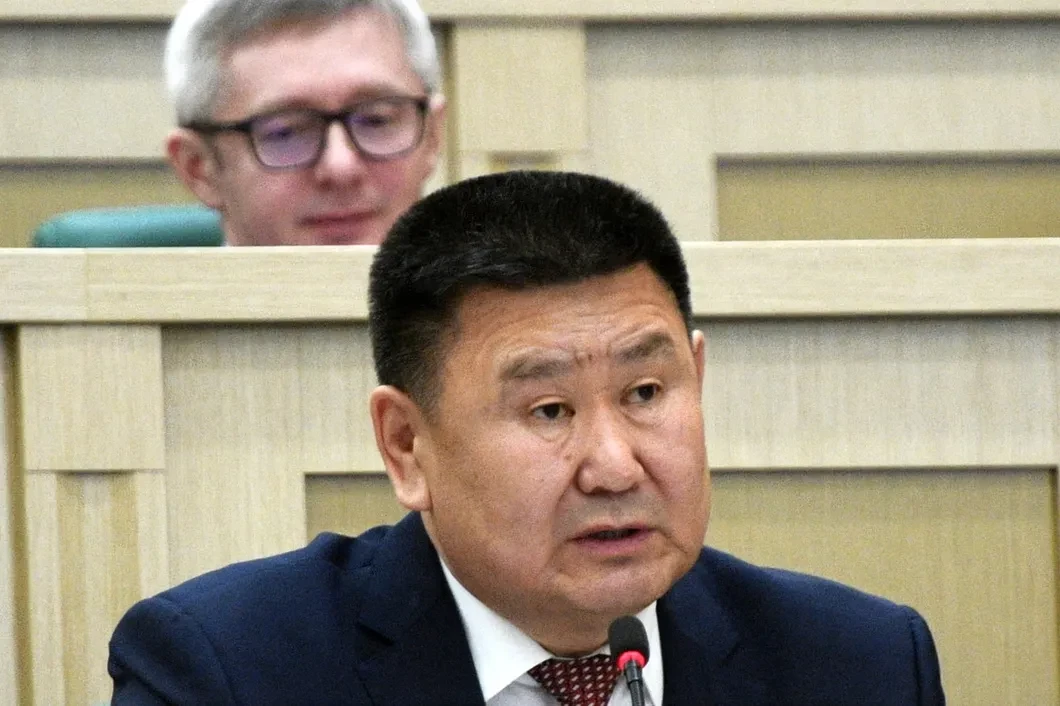
However, the Federation Council did not strive for "impeccable legitimacy." The Duma approved the law in the third reading on March 11 in the morning at 10.47. And already at 13.00 in the Federation Council, the amendments were discussed by the Committee on Constitutional Legislation, where Lyudmila Narusova and was indignant at the haste of the deputies of the Duma. And at 14.00 of the same day, senators began approval at the plenary meeting of the board. “Against” only Senator Vyacheslav Markhaev voted. As a communist.
“We initially prepared not to vote for the law either in the second or the third reading, because our proposals were not taken into account: on the nationalization of the subsoil, the return of the previous retirement age and others,” the “new” position of the Party of the Communist Party Yuri Afonin explained. The “Amendment of Tereshkova” gave the Communists another argument not to support the correction of the Constitution. True, categorically “against” the Communist Party did not vote. Most of her deputies in all the stackets chose to refrain.
Regional parliamentarians also did not distinguish “impeccable legitimacy”. Legislations of all 85 constituent entities of the Federation did everything that was required of them in two days, although they had a year at their disposal: it was so much time that provides them with the law “on the procedure for adoption and entry into force of amendments to the Constitution of the Russian Federation”.
But in some national republics, the approval of amendments was accompanied by discussions.
The change in the status of the Russian language is extremely painful. According to the 1993 Constitution, the Russian was the state language, and now he has become the language of the state -forming people.
“It turns out that the Russian people were put above the rest of the peoples of Russia,” said deputy Ramil Tukhvatullin at a meeting of the State Council of Tatarstan. “Giving one people and language a separate political status is in the main law unfair from either side,” he said. According to the results of the discussion, the legislators of Tatarstan approved constitutional amendments, but accepted a special appeal to the president of "such a sensitive area as linguistic policy." Vladimir Putin is asked to take this sphere under their “special control” for “systemic legislative and by -law regulation at both the federal and regional levels”.
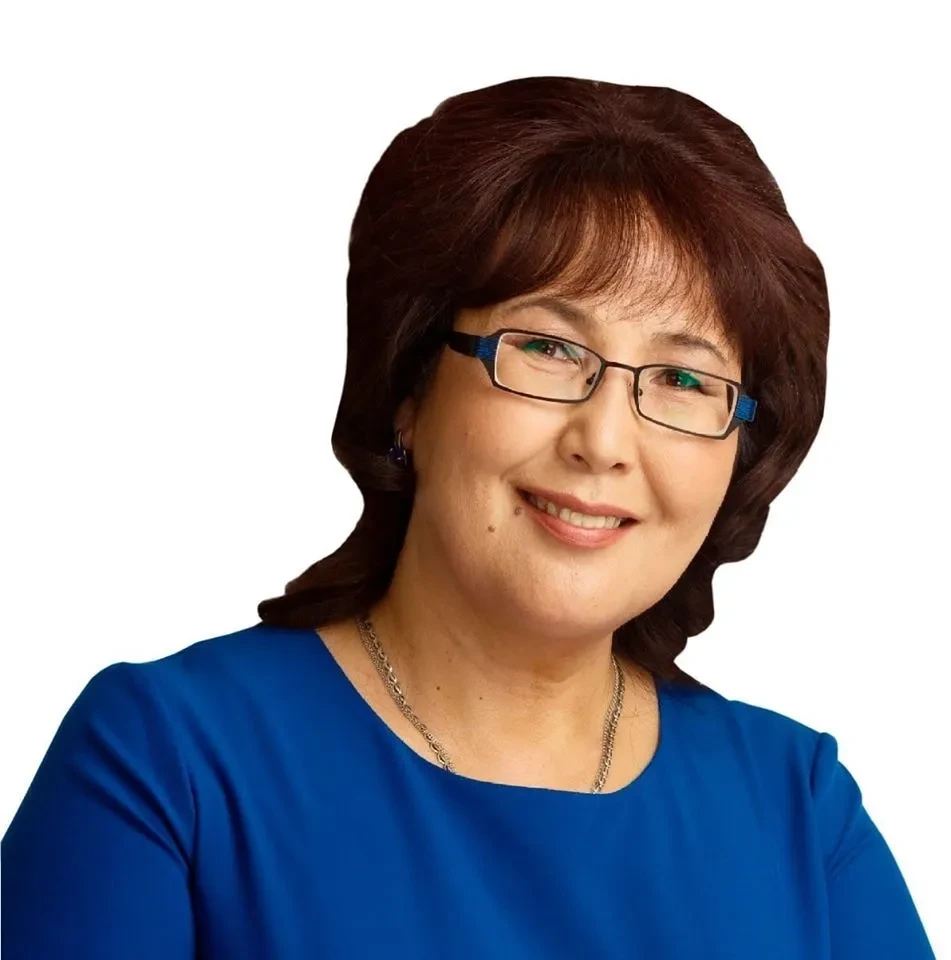
In Yakutia, the speaker of the Republican State Assembly Il Tumen Peter Gogolev (United Russia) opposed the fact that the constitution now allows you to create "federal territories in absolutely any site, regardless of the boundaries of the subject of the Russian Federation." It does not exclude the fact that this amendment over time may be the reason for applying to the Constitutional Court. This did not prevent Yakut parliamentarians from approving amendments. And immediately after the reservation of deputy powers, Sulustaan Myraan, who elected the State Assembly from “Fair Russia”, stated.
“The deputy works based on the laws of the Constitution, and I can’t imagine how I will work with such an anti -people constitution. Conscience will not allow "
She explained her act to reporters.
But these episodes did not affect the general approval of amendments. A meeting of the Federation Council opened on Saturday, March 14, at 10.00. Senators recorded the final number of approved constitutional amendments of the Legislative Assembly. There are already enough of them in order to recognize the law "On amendments to the Constitution of the Russian Federation ...". He will enter into force only after the president signed the law and publishes it. The president must do this within 14 days as soon as the law enters the Kremlin. These are the rules that are established by the law "On the procedure for adoption and entry into force of amendments to the Constitution of the Russian Federation."
However, Vladimir Putin decided to correct not only the Constitution, but also the rules for its change. The current rules do not provide for “all -Russian voting” for amendments to Chapter 3-8 of the Constitution. But Putin insisted on the “all -Russian vote” and promised that he would not sign the amendments if the people were against it. This right to “not sign” is not allowed to the president of either the current constitution or the current rules for its editing. And in order for him to appear this right, he had to register him with a separate article in the bill on Putin's amendments, while he was preparing in the Duma for the second reading.
And so that no one has claims to “impeccable legitimacy”, the president decided to apply to the Constitutional Court, which must determine whether the cried “all -Russian vote” meets the constitutional norms. So the president will do as soon as the senators summarize the regional approval. If the KS considers the "all -Russian voting" unconstitutional, then there will be no vote. If the KS admits that such a vote is permissible, and the Russians will then come and vote against, then the constitution will be left without Putin's amendments.
Judging by the fact that the day of the “All -Russian Voting” has already been appointed - April 22, and the CEC took up its thorough preparation, the Kremlin has no doubt that the verdict of the Constitutional Court will be positive. And the widespread approval of regional parliaments, apparently, convinces the Kremlin that the “all -Russian vote” will end in the same result.
And then in the reserve of Vladimir Putin there will be two more terms - 12 years, during which he will be able to remain president after 2024. It will be possible to challenge this irremovability of power only in the Constitutional Court. But constitutional judges can do this only if there is a request. The right to a request is the president, the Duma, the Federation Council and regional parliaments. In today's layout of forces, a request to the Constitutional Court can only be submitted by the Communist Party through its fraction at the federal or regional level. But at any of the levels of the Communists, there are many deputies that are necessary for contacting the Constitutional Court.