
Translated material
The system is such
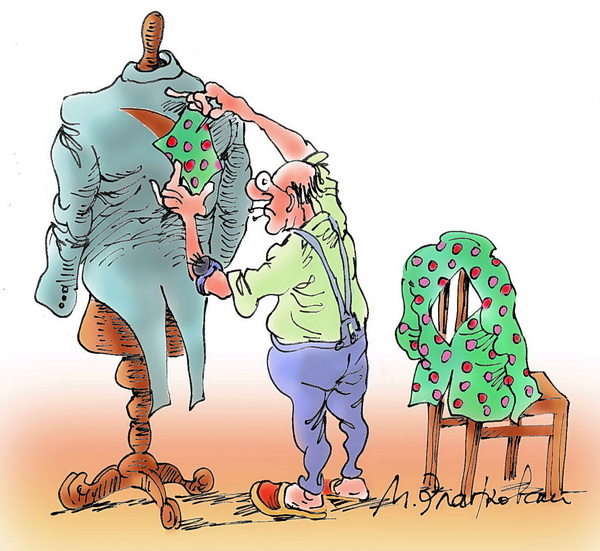
The issue of the forced seizure of pension savings of citizens in favor of the distribution system is resolved. This measure will allow the state to save at least 244 billion rubles. At least, since the clear period of the end of the “moratorium” for the transfer of pension savings to non -state pension funds (NPFs) has not been determined. Everything will depend on what pace the NPF will be state and that the main thing is how quickly the Central Bank will create a guarantee system for the NPF, similar to a bank deposit guarantee system. Since the Central Bank has no special reason to rush, the process can stretch for years. In reality, everything will depend on how much the state will need money.
The consequences of this confiscation have already been mentioned. The trust in the pension system, which was still glowed by the notorious optimists, was undermined. Fatalists, “Silents”, who showed a healthy skepticism from the very beginning in relation to the prospects to save their retirement with the state, were right. And this is the smallest of troubles. The actions of the government make you think about whether the institution of private property exists in Russia.
The columns of the “daily magazine” are not customary to precede epigraphs, but the quote from the “Oprichnik Day” Vladimir Sorokin to the epigraph asks:
- Bobrinskaya’s house - her property! What does the sovereign have to do with it?!
- Yes, at the same time, you are a garden, that we are all the children of the sovereign, and all our property belongs to him! And the whole country is him! Don't you know this? ..
That's the pension accumulations of citizens, no matter what the laws say there, not their citizens, property. So, at least, the Russian Minister of Labor and Social Protection believes Maxim Topilin, who explained to the Congress of United Russia the essence of the new pension reform: “As you can talk about some kind of confiscation of funds, if the funded part of pensions is not money of people, but the funds of employers that they pay.” The statement is bold, and, following the Jerkinsky logic, we can recall that employers pay not only insurance premiums for their employees, but also wages. Which, apparently, does not belong to employees either. And some employers also pay taxes to the budget. And the state uses this money, without even suspecting that this is not his money.
The minister, by the way, did not finish his explanation of how the current pension system in Russia is arranged. “Our system,” said Topilin, “is a law that, for example, has been adopted today, and tomorrow can be canceled. Suppose from January 1, 2014 a new law will be adopted, according to which the employer will no longer have to pay anything to the funded part, and then what? ” It is difficult to come up with a better illustration of Russian institutions. Especially if you recall that any, even the most absurd and unpopular law, is easily ready to accept the “enraged printer”.
The revelations of Topilin is, by the way, far from the first, and not the most cynical performance of representatives of the authorities. Ten years ago, President Putin, commenting on the “Yukos case”, drove the first nail to the Institute of Private Property in Russia. Then, referring to privatization, he stated that the state entrusted its property to some people. But it can take away from those who have not justified trust. So the current performance of Minister Topilin is just a confirmation that in ten years the system of relations between the state and the owners, laid down by the frank confiscation of Yukos, was finally formed.
And if 10 years ago someone reassured himself that the “case of Yukos” was an exception to the rules that the state’s motives were political, that the “oligarch” received deserved, now none of these arguments work. The state needed money, and without a shadow of doubt, it climbed the citizens in a pocket. Because our system is like that.
And this system is the answer to the question of the reasons for the rapid flight of capital from Russia. As well as the question of why the shares of Russian enterprises are many times cheaper than their foreign competitors. In fact, today we have such a law that you are a shareholder, say, Sberbank or Gazprom, have the right to receive dividends, and tomorrow another law will be accepted by which these dividends are more necessary for the state. "And then what?"
Graphics of Mikhail Zlatkovsky / Zlatkovsky.ru