
Translated material
The father of all superheroes
The creator of Spider-Man, Hulk, Iron Man and the legislator of the genre of modern comic book Stan Lee died.
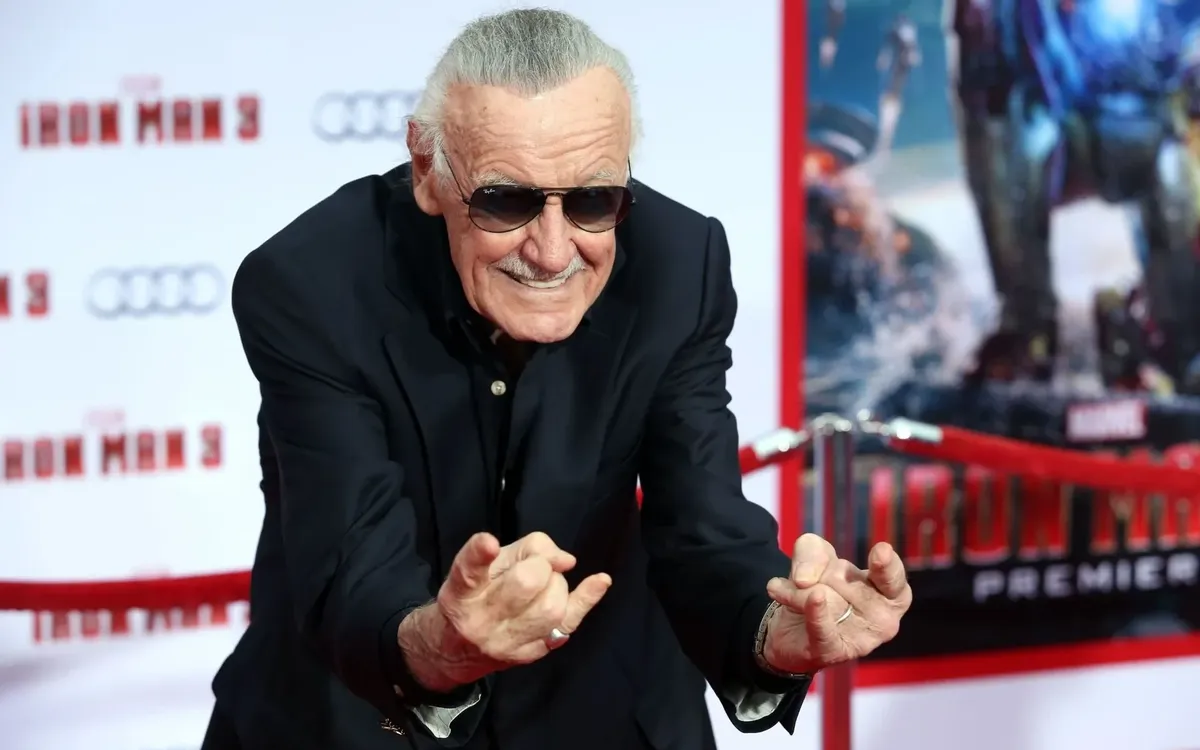
On November 12, Stanley Martin Liber or just Stan Lee, a writer, TV presenter, screenwriter, actor and producer, died in the United States at the age of 95. The list of professions could be continued, but Lee is known to the whole world as the creator of the Marvel comics universe: in the broad sense, he is the “father” of almost all the characters, which now make up the lion's share of world pop culture. “Spider-Man”, “Fantastic Four”, “Guardians of the Galaxy”, “Avengers”, “Captain America” and many, many others-they all came out of the pen and will accurately survive their creator for many years.
How did he change the approach to comics around the world, turning them from a frivolous occupation into a world industry, Victoria Kishimyak told the “new”.
Victoria Kishimyak
Comics, Superheroician and Events of the Geek Industry, video blogger
“Lee Lee is a person who came up with the comic book industry in the form in which she is now known to the whole world.”
In fact, he became the icon of the comic book world for the fact that all his life he was engaged in editing and wrote the characters.
Lee all his life made efforts to ensure that this industry does not die. Many perceive comics as children's literature, as something frivolous, as something not worth attention. Lee struggled with this prejudice, through comics he tried to convey important things, although he himself said that entertainment is one of the most important parts of human life, and if you can entertain people, then you do good.
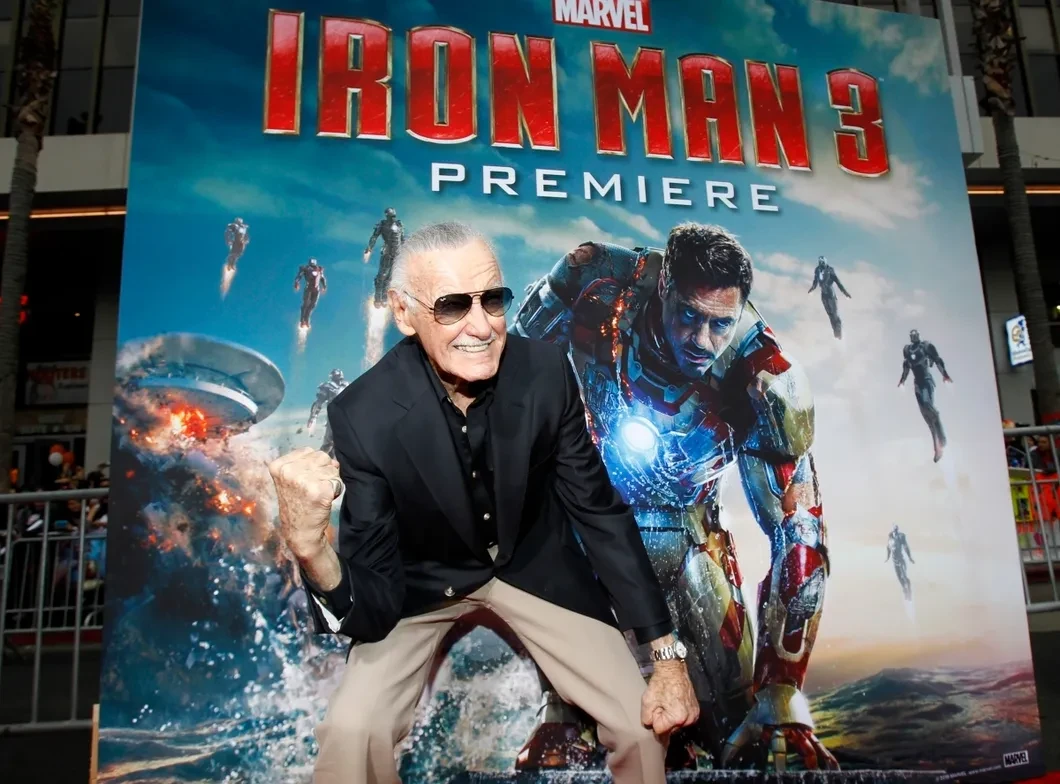
Lee himself created characters who appeal to the feelings of readers, and not just are soulless cliches. The same Spider-Man was created as a boy without life experience, with his complexes, he always had problems with the environment when he went to school. Such a description makes the hero of comics close to an ordinary person: for a teenager who reads a comic book, or for an adult who was once young. The same “fantastic four” is not just a team of ideal super -lodges, but the characters who, owning such superpowers, do not always feel good, they solve specific problems, and not just “attended” the world. A similar approach to the characters, introduced, changed the industry. The comic has become part of serious literature: not what you read and forgot, but a work that you can reflect on, with the heroes of which you can associate yourself.
Lee knew that comics were part of pop culture, he just wanted this to be more in the world. At some point, Stan Lee said that be a geek, to be something extremely passionate-this is a sign of distinction. Nothing bad, as everyone thought before, there is no.
Whether the merit of his colleagues is that it has become inconsistent to be something very passionate-including comics and superheroes.
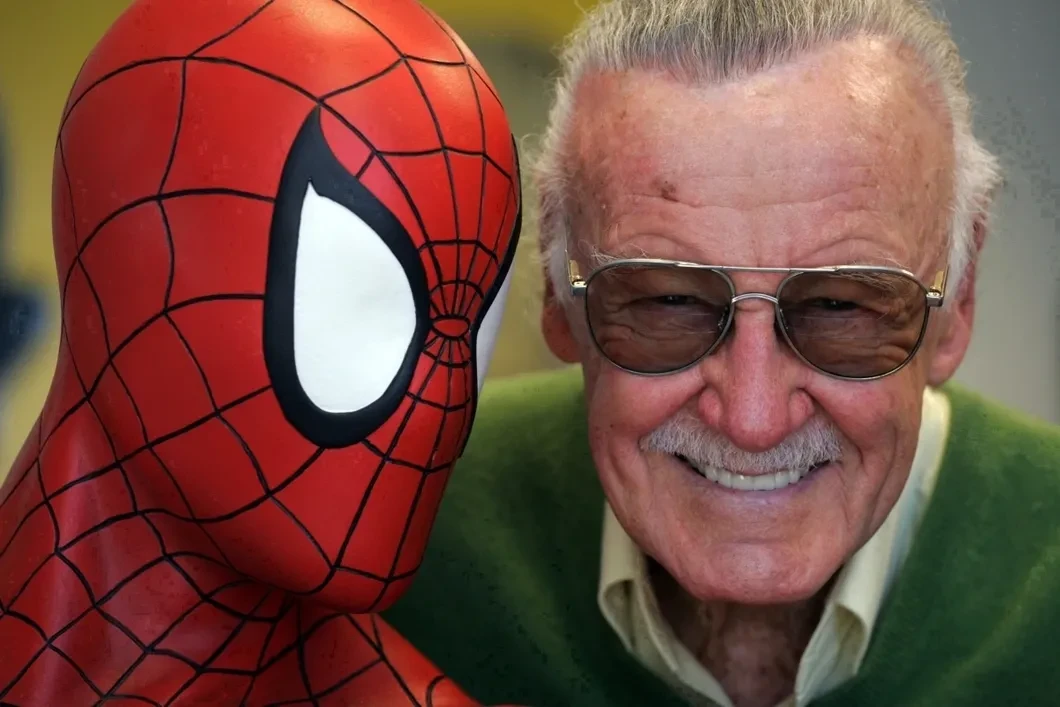
Lee worked seven days a week without days off all his life. He had a wife, who also recently died, and then everyone was very scared, or something he would give a lot: he lived all his life - seventy years - with one woman, she really was his support. Also, it was difficult to form a relationship with her daughter: she wanted her father to spend more time and money on her than on comics. Whether at the same time he was sick a lot, in recent years he began to lose his eyesight, pneumonia seriously affected. But with all this only this year Lee actually completed his public speeches. Only at 95 years he said that, they say, everything, I can no longer give out autographs, I can not appear in public, I have to think about myself. Lee never complained about life, was always positive. Even in the darkest moments, when he felt badly, Lee still kept a smile, because he knew that he was working for people who were looking at him as if in the window in the window, like a role -playing model.
I do not really believe that I wanted to make comics with great art. But he fought with the myth that people who are engaged in the creation of comics are like people without real work. He himself, working without days off, came across oblique glances, with the phrases that he did not work, but is engaged in some kind of nonsense. This greatly pressed him psychologically and forced him to work even more. As a result, entire generations grew up on a hat, Spider-Man and a heap of other characters that he created.
In Russia, the development of comics goes its own way. We have publishers who work on the promotion of the Russian comic book - both the mainstream, which is for everyone (like Marvel) and the author’s comic book. Yes, and Samizdat, in principle, feels good if he is supported by members of the community. One way or another, all Russian comixists are guided by Lee's work. Of course, we cannot compare here with the United States, but Russia is interested in comics. And whether the merit is huge in this: if he had not lived a life, devoting himself to comics, the industry would have remained second -rate - both in Russia and in the world.
Vyacheslav Polovinko recorded, "New", with the participation of Elizabeth Kirpanova