
Translated material
You killed
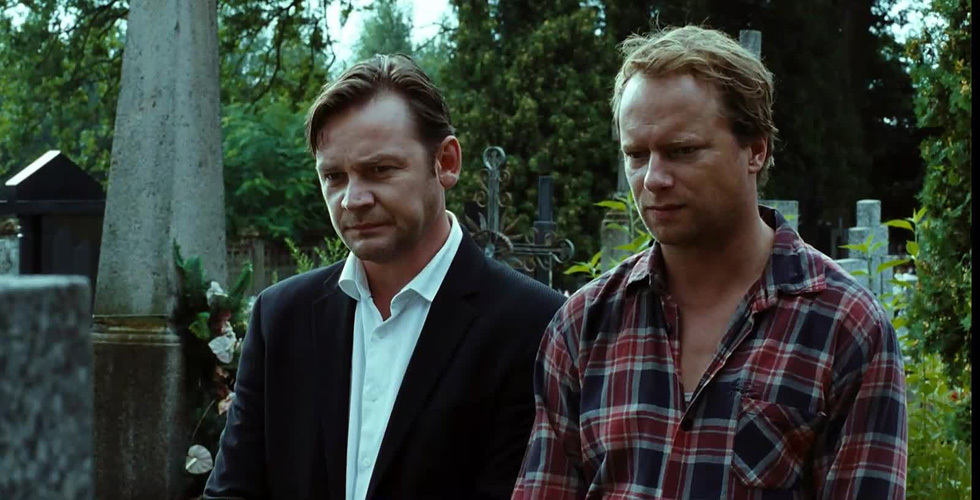
Frantshek Kalina (Ireneush Chop) left Poland to America back in the early 80s. He settled in Chicago, married, got the children. "Work out, probably in his America?" - the younger brother of Jozef (Machi Stur) is teasing. “What is there! Either the asbestos plant, then the demolition of houses, worked as a penny on the Jews - they are exploited godlessly. They take care of their own. They say that those who work with asbestos are developing, cancer is developing, ”Franti answers bitterly.
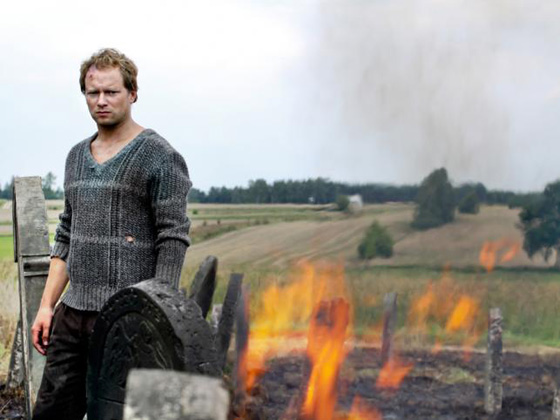
This interesting dialogue begins the new film by Vladislav Pasikovsky (the screenwriter of Katyni Vaida), who shot several powerful genre paintings about a total post-traumatic syndrome among Polish men in the 90s. To the finale, the understanding by the hero of Jewish-Polish relations will change somewhat. Emigrant returned to his native village just because of his brother: his wife and her children flew out, and it was to him, Frantiseku, in Chicago-she ran as far away from these places. I really don’t want to stay here: Juzef meets his brother with an ax in his hand, that evening a stone flies through the window of the house, the locals are suspiciously unfriendly. The fact is that Jozef drags from all over the district the old Jewish tombstones, long ago launched by the village population to cobblestones for roads and squares - so selflessly that everyone around him had already managed to hate. Not for damage to public property, of course, but for the rebooting of the memory itself that they had once lived here, and most importantly, the Jews died.
In general, which is forgotten, erased from memory, but still not healed, “spikelets”, in general, are dedicated. Where and, most importantly, how did all the Jews from a town called barefoot (the name of the settlement in the film is not pronounced aloud-but the “spikelets” were inspired by what happened here in 1941)? How many Germans were lodging in the village? Who brought the torch to the hut into which the local Jews were driven? Why doesn’t none of the villagers remember anything - but prefers to answer questions with a swallow, shovels or axes? Why, finally, everyone here has so ugly, as if cursed by the story itself, faces?
 © Menemsha Films
The answers that Pasikovsky gives are shocking unpleasant. Moreover, as he clearly shows in the brutal finale, anti-Semitism is alive here and now, when all Jewish houses have long been occupied by catholic peasants who had longed before the war. It is not surprising that after the release of the film in Poland, a scandal broke out - to admit that the Holocaust was often carried out on its own, in a country with powerful nationalist moods, it is simply risky (the author of the first scientific study about events in Besvabne, historian Jan Tomash Gross in Poland is not shown).
But most of all, she infuriated the Polish traditionalists, of course, the form in which Pasikovsky gives these clearly not entertaining thoughts. “Spikelets” is not a dull journalism and not acidic political information, because it has long been noticed that a truly effective conversation about fascism can take place only in the genre of comic verses. The film begins as a comedy: not having time to come to his homeland, the hero in the best traditions of the slate receives a branch on the forehead, followed by a gallery of village types , each of which seemed to migrate here from “ Three Stoogenes , ” and in the fierce with which the population of the village opposes the truth, cannot, in turn, not feel bitter comic. A lot here and from Western - at least the plot scheme itself with a hero, a stranger and a truth -bearing involuntarily, who suddenly discovered himself on the path of war with a terrible secret by the population of a small town. But in general, the “spikelets”, of course, turn out to be a horror: the memory of the sins of the fathers in his heroes is literally injected with nails, so dashingly that the viewer feels this pain. Yes, this is not a delicate call for humanism - but a peremptory Tarantino Exploitation . But we have to admit that shock therapy works. At least, after the “spikelets” photos of grandfathers and great-grandfathers in Zhupan, no viewer will seem pastoral-nostalgic.