
Translated material
Energy
Why is Russia destroying the civil infrastructure of the cities of Ukraine, although there is no military meaning in this
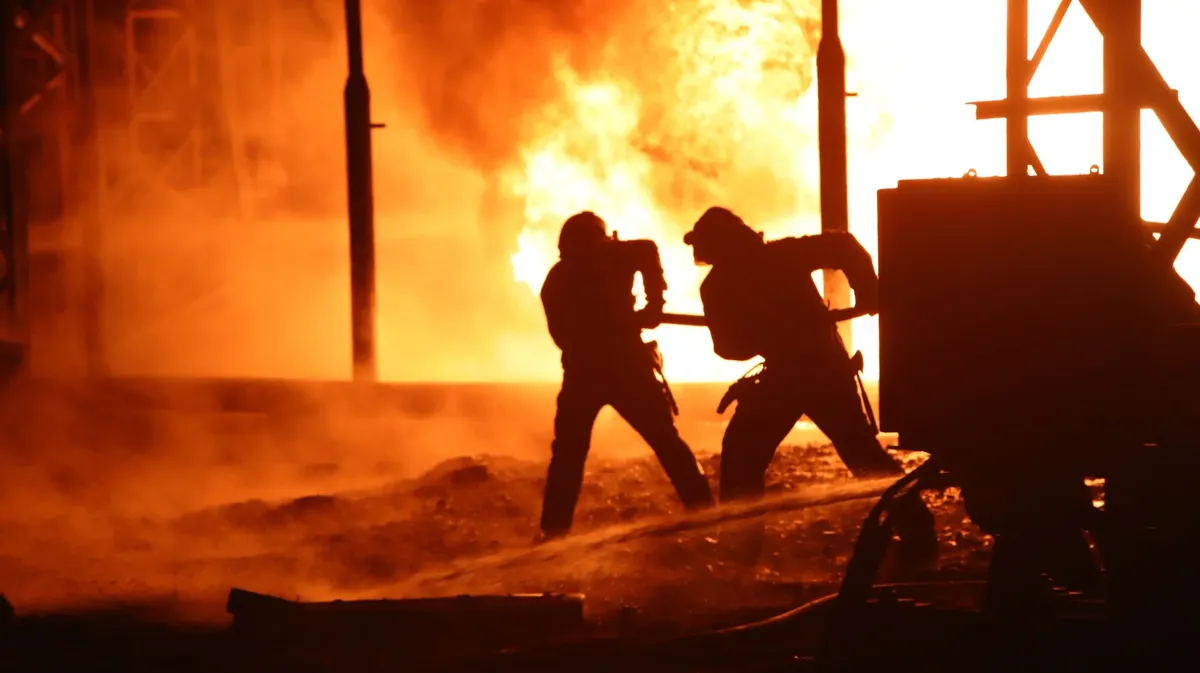
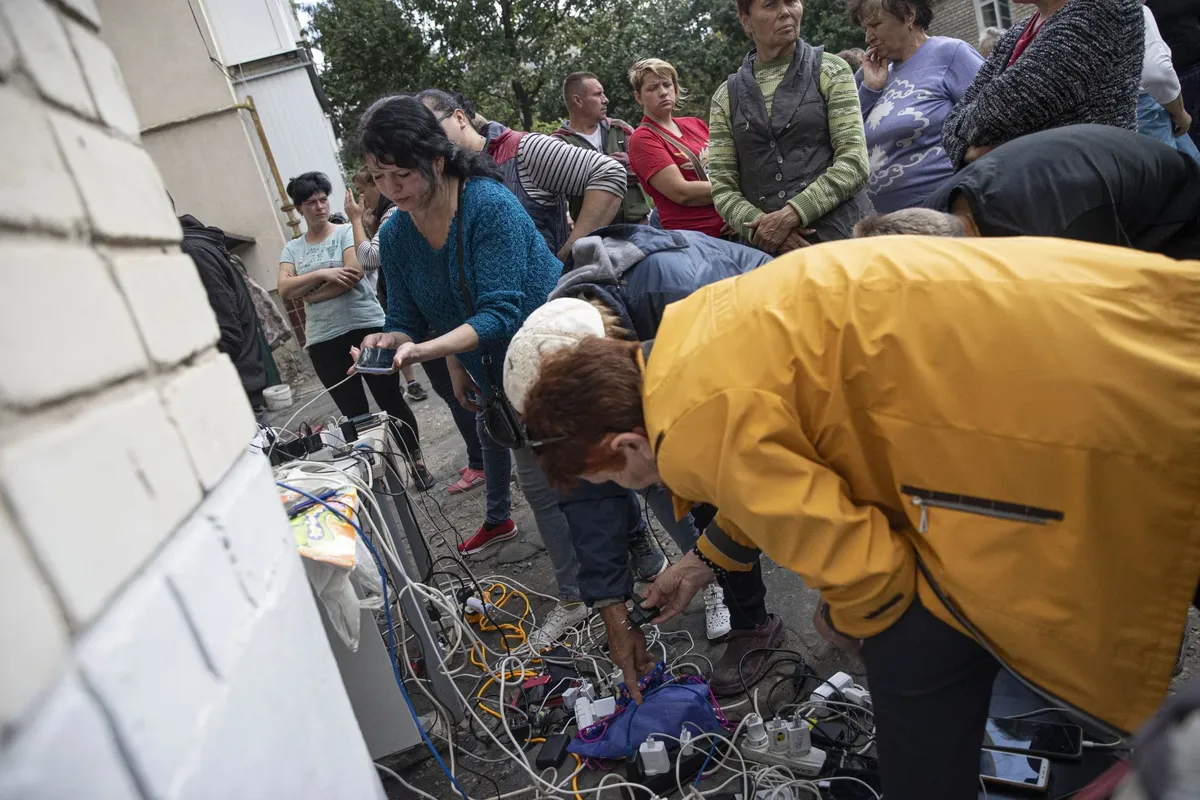
In response to a successful offensive by the Armed Forces of Ukraine, the Russian side strengthened the shelling of critical infrastructure of Ukraine. According to the Ukrainian President Vladimir Zelensky, as a result of blows on the energy system, Kharkov, Donetsk, Zaporizhzhya, Dnipropetrovsk and Sumy regions were partially or completely de -energized. Many residents of these regions were left not only without electricity, but also without water. The adviser to the head of the Office of the President of Ukraine Mikhail Podolyak wrote on social networks that “direct intentional attacks on critical civil infrastructure, in particular, on the largest Kharkov TPP -5, is an unconditional manifestation of Russia's terrorism and its desire to massively leave peaceful citizens without light and warmth”. According to the reports of the Ukrainian media, as a result of de-energization in Kharkov, the metro stopped, and in Poltava, due to voltage drops in the contact network, trolleybuses that came to the route lit up. Kharkov Mayor Igor Terekhov said that the missile shelling of the regional center continued in the following days. So, on September 12, the mayor announced another entering the object of critical infrastructure, as a result of which the city again was left without water and light.
“Even through the impenetrable darkness, Ukraine and the civilized world clearly see these terrorist acts,” the President of Ukraine said about what was happening. - intentional and cynical missile attacks on civilian critical infrastructure. No military facilities. ”
On September 14, the seven missiles launched by the army destroyed the pumping station and the dam in Krivoy Rog. According to the deputy head of the office of the President of Ukraine Kirill Tymoshenko, important hydraulic structures were hit under the blow. As a result, the water in the Ingulen river rose by 1-2 meters and flooded the private sector.
The threat of disaster
In international practice, it is customary to understand the enterprises and objects necessary to ensure the life of the cities and maintain an acceptable level of existence of the population under critical infrastructure. First of all, this applies to energy, water supply, sewage, as well as transport accessibility and continuous transportation of all necessary goods and products. In the cold months, we are talking about heating residential premises. The destruction of water supply and thermal power supply objects can disturb the life of the city for a long time. Only a day of the disconnection of electricity, water supply and sanitation threaten a humanitarian disaster to large settlements with multi -storey buildings.
“The shelling of civil infrastructure began directly on February 24,” says Novaya Gazeta. Europe ”journalist and historian Anton Pustovalov, from the very beginning of the war, collecting a dossier on the facts of war crimes of the Russian Federation. - First of all, they sought to destroy the sources of communication. The most noticeable was the entry into the TV TV and adjacent buildings in Babi Yar in Kyiv in early March. At about the same dates, shelling of railway units began, including stations and even evacuation trains. ”
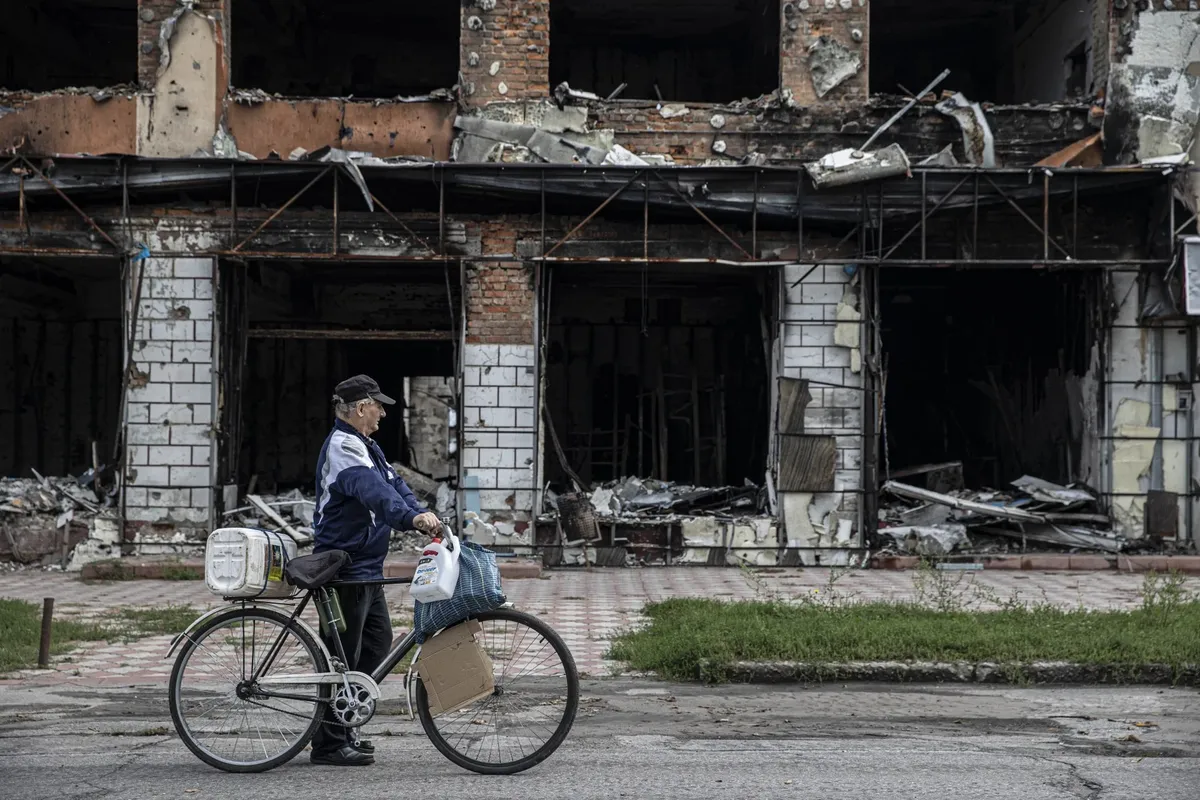
According to Pustovalov, in the first phase of shelling, exclusively missiles were conducted. As the front line approaches, mortars and volley fire systems were added to the settlements to missiles. “Such shelling can be divided into two categories: targeted attacks on infrastructure facilities and a technical factor - when the rocket flew past the target, did not reach or it was shot down and it fell to the houses,” our interlocutor continues. “The exception is the facts of frank intimidation of the population, when the sanatorium in Sergievka or shelling of parking shops was deliberately shot, in which the journalist Oksana Baulin died.”
The cannibalized plans of the Russian command were not a secret. The reports that Russia will strengthen the blows to civilian facilities were published with reference to Western intelligence at the end of August. “We have information that Russia is growing efforts to striking civil infrastructure and government facilities of Ukraine in the coming days,” said the representative of the US State Department. “Given the previous actions of Russia in Ukraine, we are concerned about the preserved threat, which are represented by Russian strokes for the civilian population and civil infrastructure.” And recently, data appeared in the TG channels that the army of the Russian Federation can prepare shelling of hydroelectric power stations and dams on the Dnieper: “We are talking about massive missile attacks on infrastructure in Kremenchug, Kamensky, Zaporozhye,” the Volya TG channel reports. - To implement the plan, Vladimir Putin agreed to use the X101 missiles, which can carry up to half -ton of explosives ... With the destruction of dams in Kremenchug and Kamensky, the wave will reach Zaporozhye after 4-6 hours. Within 10-12 hours, the design of the Dneproges dam will not withstand the load and collapse. Such a blow will destroy a significant part of the infrastructure on the left bank (the right bank of the Dnieper is higher than the left and the destruction of the dams is almost not threatened), the Armed Forces of Ukraine, which will have to be evacuated by the population, will lead to victims among the civilian and military. The Russian military wants to shift responsibility for shelling to Ukrainians. ”
Revenge to the population of Ukraine
“Blows on the civil infrastructure of Ukraine and, in particular, on its energy facilities are not caused by military necessity. Moreover - from a military point of view, they are meaningless, - explains to the Novaya Gazeta. Europe ”Russian military expert, due to the threat of criminal prosecution, asked not to be called his name. - This decision must be approved by the political leadership, and possibly President Putin personally. I heard that the General Staff and the FSB discouraged the Supreme Commander -in -Chief from such a step, since in terms of military confrontation he would not give the Russian side any winning; Moreover, it will lead to a meaningless consumption of missiles, the stock of which has been extremely exhausted.
They could be applied for more important goals - warehouses, headquarters, accumulation of equipment. Only one thing is seen in what is happening - revenge on the population of Ukraine. ”
According to the expert, the attacks on energy facilities and knots of transport infrastructure would make sense if Ukraine had a powerful working military-industrial complex. The shelling could stop the work of enterprises, thereby limiting the supply of weapons for the front. This would require huge resources, which Russia at the moment simply does not have. Our source recalls the raids of allied aviation on the Third Reich during the Second World War. Thousands of aircraft that dropped millions of bombs took part in them. They were erased from the face of the city of the city, but the plants continued to work.
In addition, Ukraine initially did not have such a great military-industrial potential to completely provide the army on its own (and many enterprises were destroyed in the spring). Today, almost all the supply of the Armed Forces of Ukraine is at the expense of Lend-Lease, and dispersed deliveries. And, of course, due to the capitalization of the richest trophies remaining from the fled Russian army. Thus, the expert is sure, industry is useless to de -energize.
“If, having left the population without light, Putin wants to raise him against Zelensky, forcing the people of Ukraine to surrender, then this option will not pass,” our interlocutor is sure.
“The shelling will only rallies Ukrainians even more around their leader and grin them even more in relation to Russia.”
According to the expert, the solution to the decision on the shelling of power plants lies in the statement of Zelensky, who literally recently addressed the West with a proposal to exchange an excess of Ukrainian electrical capacities for gas. “Putin is now forced to play for a long time and probably hopes for natural factors: he wants to arrange a genocide by Ukraine through winter freezing,” the source says. - However, by and large, he will not lead him to the desired victory, but only shorten the path to the bench of the defendants of war criminals in the Hague - since again, this decision does not change anything in strategically. Putin's behavior is more like throwing in powerless anger. Well, the Russian military decided to get their best. There is an order - we are fulfilling. The supreme visible. "
Act of suicide
According to journalist Anton Pustovalov, the UN and the Ukrainian authorities regard the shelling of civil infrastructure as a war crime and a crime against humanity. “Here, however, it is necessary to understand that Russia is useless to be charged, since in Russia the conflict is considered not a war, but its own. A number of deputies of the Verkhovna Rada of Ukraine called the incorporate genocide. But I would not apply this term: at this time, the investigation has not yet been completed, although there is a certain share of truth in these words. ”
I must say that the Ukrainian side did not disdain attacks on infrastructure facilities. According to the head of the so-called military-civil administration (VGA) of Zaporozhye, Yevgeny Balitsky, the Armed Forces of Ukraine, with the help of drones, made three shelling of pumping stations in the Rozovsky district of the region. Missiles and drones have repeatedly attacked oil depots and other enterprises in Russia. Without electricity, residents of the border territories of Russia are systematically systematically.
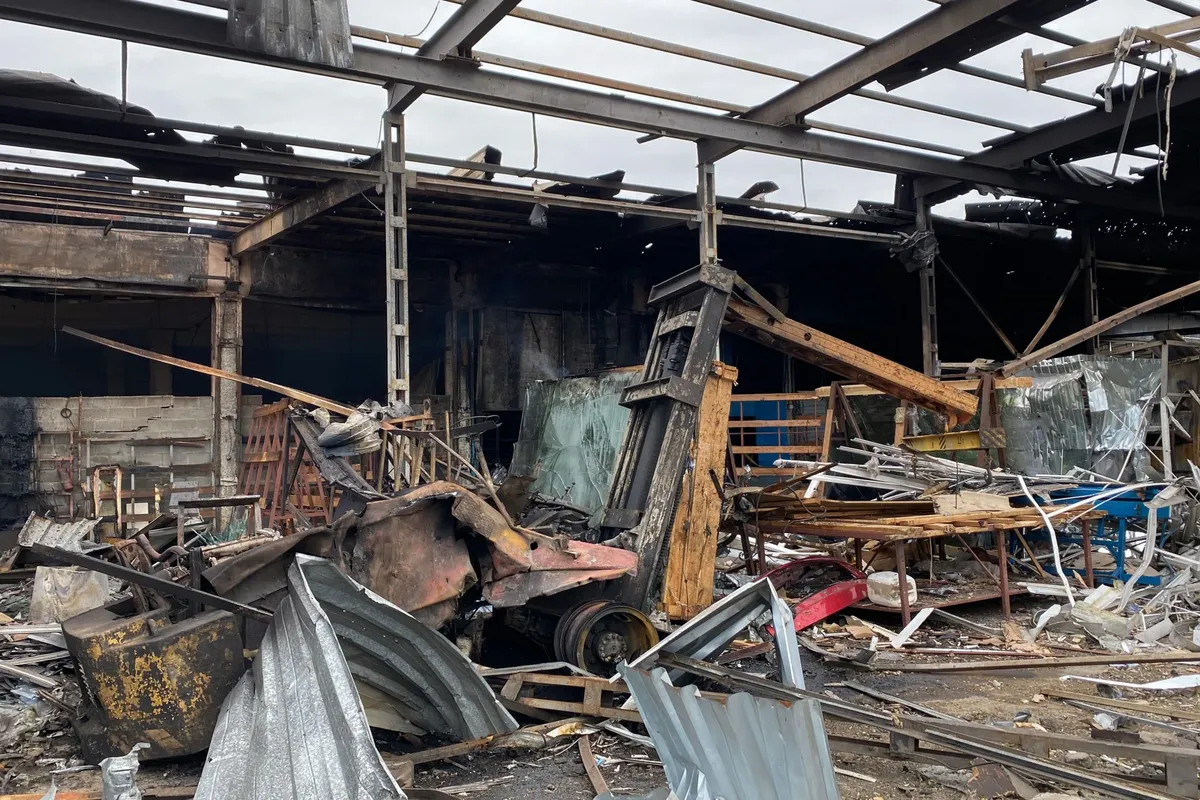
“This topic can be discussed by abstracting from a specific conflict of Russia and Ukraine,” explains Novaya Gazeta. Europe »Political scientist Georgy Bovt his position. - The shelling of critical civil infrastructure is considered a classic method of conducting modern wars. Remember the bombing of Yugoslavia, when bridges, power plants, iron -sided, communication nodes, etc. were affected. Some politicians call such methods a means that can put one of the parties to the conflict and force it to surrender on conditions favorable for the enemy. The reason should be the damage unacceptable in scale to the civilian population. As an analogue, sometimes a comparison with weapons of mass destruction is even used. ”
However, according to the political scientist, historical examples show that from a certain moment in the war this logic ceases to work. On the contrary: faced with such a demonstrative attempt to use extreme measures, actually putting on the brink of survival a whole country, which is destroyed by the people only unite against the deadly enemy and continues resistance to the last soldier. At the same time, the bitterness of combat clashes increases significantly - after all, the defending side increases the motivation. Georgy Bowt is sure that the victory is in the battlefield in the destruction of manpower and equipment, and not during explosions of the water supply or electric networks.
“Never in the history of mankind is global human losses and the destruction of entire cities have automatically led to victory,” the political scientist says. - Human sacrifices and suffering at all times have not been a fundamental factor for the end of hostilities.
From 1865 to 1870, more than half of the civilian population of Paraguay died from 1865 to 1870. But while there was an opportunity, the parties continued the massacre. And during the Second World War, the Nazis did not spare settlements, firing and subjecting them to constant bombing. Everyone remembers the frames of the Stalingrad Chronicle and know about the damage applied to England. The allies did not remain in debt: the US aircraft actually erased Dresden and several other German and Japanese cities from the face of the earth. The USSR was also not seen in special humanity in relation to the peaceful German population. As a result, in that war of 70 million dead 47 million were civilians. Did you force enormous losses among the civilians to retreat one of the parties? No. In the reports they were called "accompanying damage."
The use of nuclear weapons as the last of possible threats in this situation is called a desperate act of suicide - since, in his opinion, the NATO conflict intervention will follow with a high probability, and this, in turn, will lead to an even greater escalation of the conflict.