
Translated material
“To win in a racial war, we must open a second front of special services and state employees.” Service terrorism in Germany
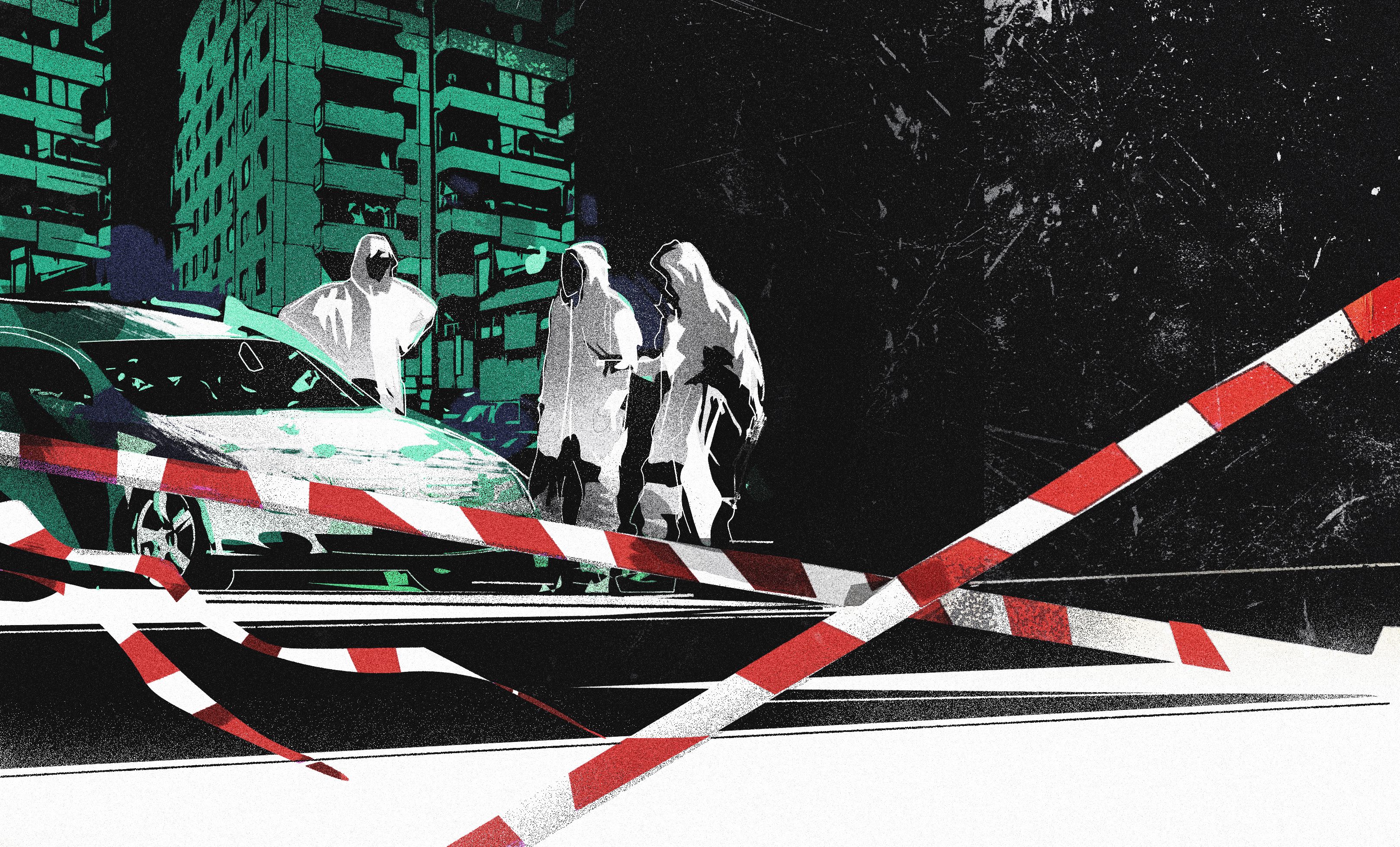
Investigators at the site of the attack in Hanau. Illustration: Anna Makarova / Mediazone
Employees on activists and politicians, racist killings, live attacks, like -minded people in law enforcement agencies and armed groups that manage to exist for years thanks to the prejudices of the police and under the nose of many informants special services. Especially for Mediazons, Vitaly Vasilchenko figured out what the ultra -right terrorism in modern Germany is.
Your homeland is our terrible dream
On the evening of February 19, 2020, 43-year-old Tobias Ratien left the apartment of his parents in Hanau, a small city half an hour from Frankfurt-on-Main. A couple of years ago, his position in a small Munich bank was reduced, since then Ratien was interrupted by irregular earnings and lived on benefits. However, an unstable financial situation was no obstacle to his main hobby - shooting.
For several years in a row, Ratienn, who has legally owned weapons since 2013, has been methodically practiced every week in Munich and Frankfurt-on-Mainu rifle clubs.
About 22 hours he reached the Kesselstadt area, which, due to low rental prices, has acquired an “migrant” reputation in the eyes of the local middle class over the past decades. Ratienne began to shoot on the way to his goal - a hookah and a small cafe. The victims of this attack of steel were somewhat injured. All victims had, as is commonly called German, Migrationshintergrund - immigrant origin. Ratien was able to escape from the scene of the crime - he returned home, where he shot his own mother and then committed [].
A couple of days before the attack, Tobias Ratiennaya published several short video features on his blog (one of them is addressed to “white Americans”-in English) and a 24-page manifesto, in which he described the formation of his racist, Islamophobic, anti-Semitic and antifeminist views. Referring to the Social Darwinist ideas and theories of conspiracy, Ratien called the “true German people” to the armed uprising against the government and the destruction of entire countries. In Germany, the right -wing terrorist is confident, should begin as soon as possible "an unwanted process of cleaning true Germans from strangers."
Immediately after the terrorist attack in Hanau, the police, and after it a significant part of the media did not begin to connect it with the ultra -right. For example, the Bild reporter, during online, said from the scene that the shooters allegedly “belong to the Russian community” or the Turkish mafia. Thus, the execution in Hanau is embedded in the long -term agenda of the German media, telling about "criminal migrants from parallel communities."
But right -winging sites and bloggers immediately recognized their arrow and began to express their support with glee. The deputy of the federal land of the Hessenot Ultra Party Rainer Rainer Rainer Rainer did not stand aside , the Rainer Rainer Rainer Rainer: according to him, the hookahs were the places of attraction of migrants, and most respectable Germans are already annoying with one species. Their visitors should think about their behavior - in this sense, the deputy of the Russian Academy of Sciences is sure, the reasons for the attack in Hanau are on the surface.
Two weeks later, a government delegation arrives in Hanau-the Chancellor of Angela Merkel and President Frank Frank-Walter Steinmeier come with speeches in memory of the dead. Following them, the word is taken by Said Hashemi - the sister of the death of Afghan origin during the terrorist attack. In her speech, she places a terrorist attack in a wider context of racism and discrimination, which people who are perceived by society as national minorities are everywhere in Germany.
She says that no one has deserved to live in fear in her native country. “This is not the first terrorist attack in Germany, committed by a ultra -right radical. But it remains to hope and pray that the murders in Hanau become the last in a series of right -wing violence, ”concludes Said Hashemi. She herself is a representative of the descendants of migrants, openly: "Your Motherland is our terrible dream."
The adoption of liability for the crimes of national socialism and the memory of the Holocaust are important components of modern German culture, which to this day actively affect politics and public discussions in Germany.
Educational work to combat racism and anti-Semitism, together with the special character of the German memorial culture, formed by the end of the 1980s, bring its results: according to sociological surveys , German society is distinguished by a fairly low level of proliferation of xenophobia.
Against the backdrop of the general growth of anti -Semitic sentiments in Europe in recent years, Germany even introduced in January 2018 the position of federal authorized person to combat anti -Semitism.
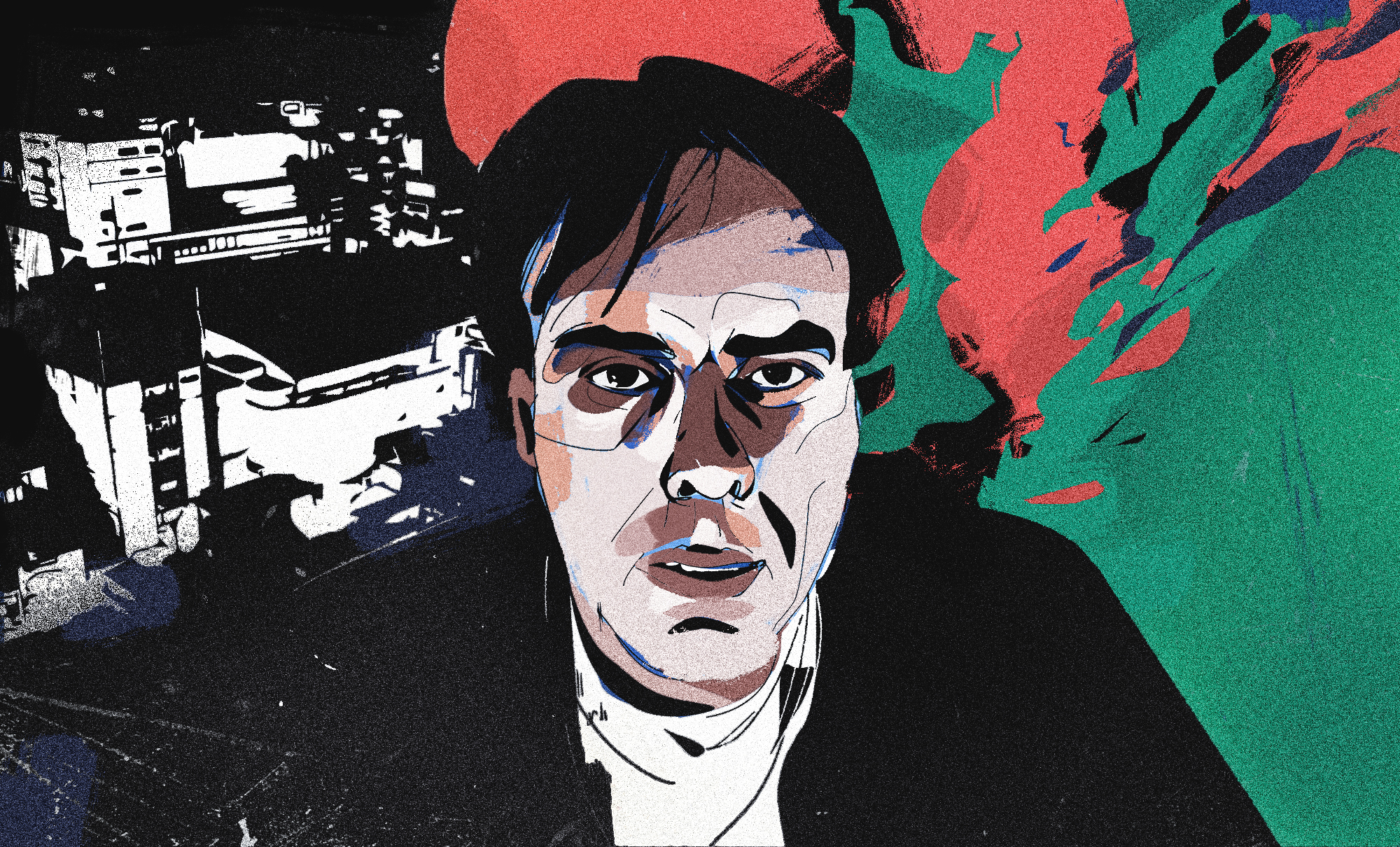
Tobias Ratien, who shot nine people in Hanau in 2020. Illustration: Anna Makarova / Mediazone
The continuity of the right terror
Researchers of right -wing extremism, in particular, note that the history of ultra -right terror in Germany originates in the Weimar Republic. Separate crimes can share decades, but most of them are in a close ideological, structural and political relationship. As Steinbacher notes, all the extreme right terrorists leave behind a call to imitate.
The date of birth of the right violence in modern Germany, historians call February 1919, when the legal student Anton Count von Arco shot in Munich the leftist journalist and writer Kurt Eisner, the prime minister of the briefly proclaimed Bavarian Socialist Republic. The killer explained his act with anti -Semitic ideas, right messenism and Germany’s protection from a communist threat. After several years, the anti -Semitic circles of Munich, which belonged to von Arco, created the Consul organization, responsible for more than 200 political murders during the time of the Weimar Republic. Among the victims of the "consul" are the Minister of the Interior Walter Ratenau. Later, the members of the organization replenished the ranks of Hitler and the NSDAP supporters and played a leading role in the formation of the nation-social units of the National Socialists.
It was the National Socialist Elite, said by the German historian Folker Weiss, who is involved in the problems of anti-Semitism and ultra-right extremism, laid the foundation for one of the most stable myths in the picture of the world of right-wing extremists. After the war, Western society agreed with the idea that most of the Germans in Hitler Germany were only obedient executors of orders, and individuals became the cause of crimes against humanity.
The ultra-right translates this myth with another accent: while ordinary Nazis remained inglorious ordinary performers, individual “single heroes”, primarily the so-called, fearlessly rushed into battle with the enemy. In his studies, Sibille Steinbacher points out that the mythologized story of the Partisan-Vertovs and today serves as a source of inspiration for right-wing radicals around the world. For example, the right terrorist mentioned him, who killed 50 people in the city of Kraistcherch in New Zealand. From the myth of “Werewolfa”, the concept of “little war” in neo -Nazi ideology originates in neo -Nazi ideology: right -wing radicals around the world - in Europe, Russia, the USA and Australia - are sure that a small crisis situation, most often a terrorist attack, is able to cause a chain reaction throughout the country and lead them to power.
Since 1946, extremists lay bombs in the halls of ships involved in denacing, abduct and kill left activists in the English, American and French occupation zone. The ultra -right terror and the Soviet zone did not bypass - in the territory of the future GDR acted. In West Germany in the 1950s, whose members did not hide neo-Nazi views, created an armed wing and began to prepare for the "vessel"-abductions and murders of socialist politicians.
From the first years of its existence, Germany has focused on the communist threat, underestimating the danger of right -wing extremists - for example, to ban the German youth union required the intervention of the Government of Conrad Adenauer.
In the early 1960s, German explodes bombs in South Tyrol. In 1968, the active participant of the neo -Nazi scene that had already formed by this time Joseph Bakhman at the door to Elector in West Berlin shoots at Rudi Duchka - one of the leaders of the student movement. Duchka miraculously remains alive. Despite the connection of Bakhman with the neo -Nazis, who quickly discovered the journalists, the official investigation comes to the conclusion that he was acting alone.
The investigation of the attempt on Rudi Duchka with renewed vigor enraged the discussion about the continuity between the Nazi and democratic elites in Germany and the “brown networks” in politics, police and special services. Historians note that the readiness of the radical left -willed for armed struggle appeared precisely as a response to the state, consistent ignoring the problem of the Nazi past and the threat from the right radicals.
Constitution protection and terrorist attack on Octoberfest
The perception of neo-Nazism as a threat emanating only from single extremists, journalist and political scientist Andrea Repke, who has been writing about the German neo-Nazi scene for many years, calls one of the key reasons why the authorities have undermined the danger of the ultra-right movement as a whole. Even after the attempt on Rudi, Germany escaped a wide discussion about the neo -Nazi underground, which had existed since the fifties, the presence of former SS members in the political elite, a failed denacing program - as well as the extent that the BILD conservative newspaper and other editions of the Springer were traced the left -wing activists contributed to the normalization of the right Terror in the eyes of German society.
In 1970, the police detained 14 members of neo -Nazi, who planned the attempt on Chancellor Willy Brandt. During the trial in Dusseldorf, it became obvious: the right -wing radicals were recruited to this organization by the regional protection agent of the Constitution, Helmut Craberg, the task was to find out how much the neo -Nazi scene was ready for armed violence. A similar story is repeated several more times: with a military sports group, the National Socialist combat group and-each of these groups was infiltrated by the employees of the Constitution Protection Service, inciting other participants to various crimes.
On September 26, 1980, a theological student Gundolf Keler, during Oktoberfest in Munich, laid a home-made bomb in a garbage tank-an explosion carried away the lives of 13 people, including the terrorist himself, and another 211 people received injuries. By the 21st year, Keler managed to make communications among neo -Nazis, regularly participated in the roads of Hoffmann and attended meetings of the Hochschulring Tühinger Studenten ultra -right student association.
Journalists described the ideology of this association as a mixture of barely hiding racism, aggressive anti -communism and readiness for both the partisan war, and to pragmatic membership in. The authorities still insist that Keler acted alone - and that the reason for the attack was an exam on the eve of the history of the gospels. The investigation was quickly declared closed, referring to the student’s mental unhealthy, who is allegedly affected by obsessive thoughts, depression and persecution mania. In 1982, the Bavaria Ministry of Internal Affairs even issued a special report on a terrorist attack in which it insists that the actions of Gundolf Keler in any of his details do not correspond to the logic of right -wing radicals.
The documents related to the investigation of the terrorist attack on Oktoberfest were classified until 2014. As the journalists of Süddeutsche Zeitung found out , the investigation never seriously considered a Cabel connection with neo -Nazis as a crime motive. In the eighties, journalists found out that the terrorist devoted about ten people to his plans - but none of them was even questioned by the special service. Relations of the employees of the Constitution Protection Service with the Bavarian neo -Nazi scene, which lasted decades, were also never the subject of an official investigation or verification.
Before the reunification of the two Germany, neither society nor the authorities perceived as a threat to the existence of ultra -right groups that are ready to use weapons on occasion, Cociologist Alexander Hoisler notes. After the fall of the Berlin wall in society, the opinion is generally fixed that neo -Nazis and violence are exclusively the problem of East Germany, where the street skirmishes between the right and left determine the daily life of small cities in the nineties. At the same time, individual neo -Nazi groups have existed in West Germany since the first post -war years.
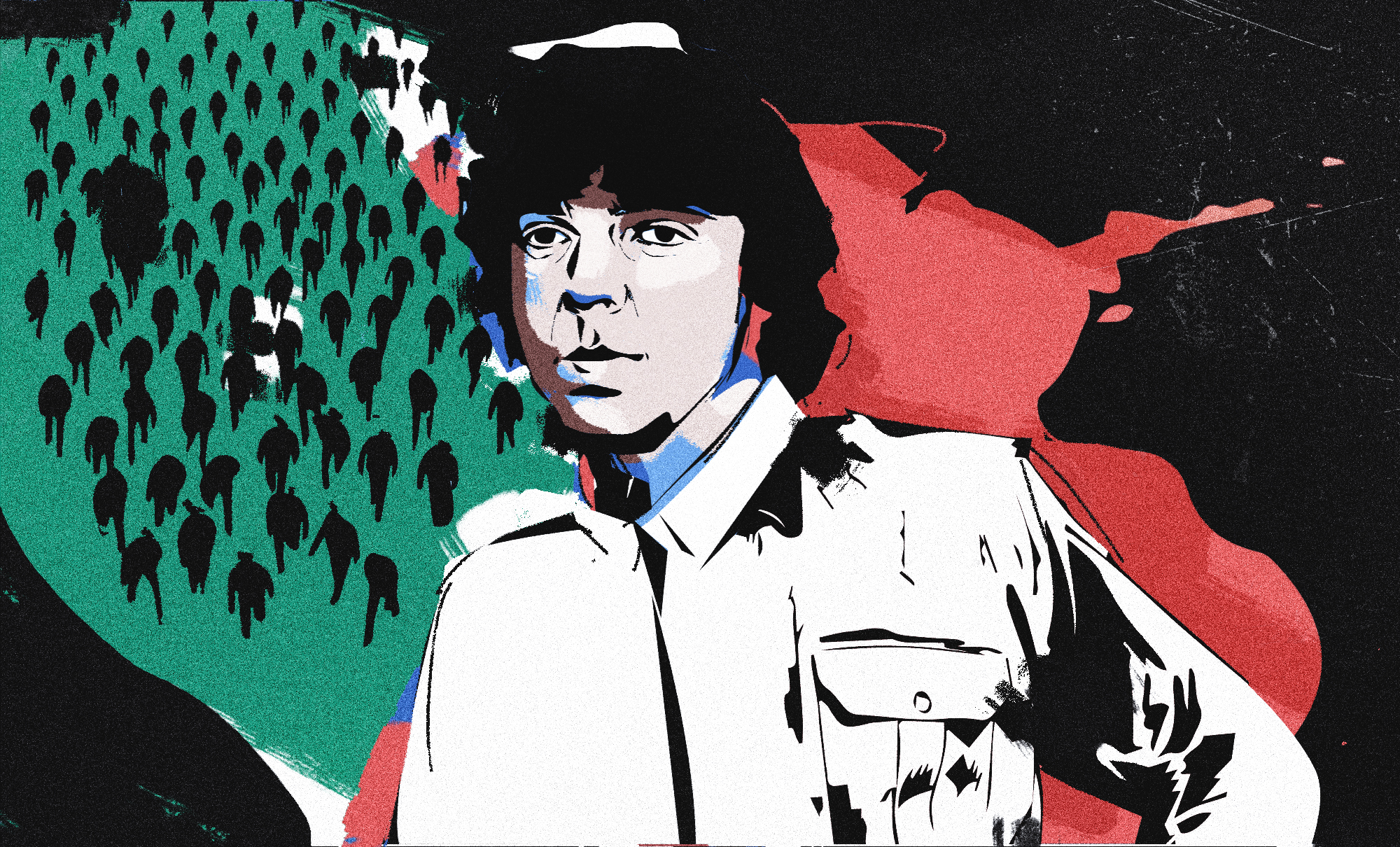
Gundolf Wilfried Keler, who committed the terrorist attack on Oktoberfest in 1980. Illustration: Anna Makarova / Mediazone
Dozens of isolated cases
In the seventies, the neo -Nazi scene of Germany is somewhat changing, anti -communism recedes into the background - against the backdrop of hostility in the country in relation to its ideology, racist ideas about the superiority of “true Germans” over “strangers” are.
In 1980, he arranges a series of terrorist attacks: in the spring, neo-Nazis laid bombs first at the Aushwitz concentration camp exhibition at the Jewish murder, then at the Jewish German-Polish school in Hamburg, and in the summer the group takes responsibility for several explosions in refugee camps. In June 1982, neo -Nazi Helmut Oksner shoots three people at a disco in Nuremberg and wounds a few more. Like most “single extremists”, Oksner legally owned firearms and participated in the training of ultra-right military sports groups. Nevertheless, the Bavarian Ministry of the Interior insists that he was a loner, ignoring Oksner’s connection among neo -Nazis in his investigation.
For decades, the researchers of the right -wing extremism noted, the authorities continue to regard the series of terrorist attacks and armed attacks as “isolated cases” - their obvious similarities and certain continuity of the authorities ignore. Racist and anti -Semitic views of criminals - as a rule, these are middle -aged men - the investigation usually does not consider the motive of the attack, calling the cause of their actions an “unstable psyche”. The main version of the investigation in the hookah in Hanau in 2020 is also reduced to the same.
Starting from the 1980s, neo-Nazis themselves become the addressees of ultra-right violence-terrorists seek to become an example of imitation among like-minded people and take their place in the right-winged canon. A whole system of symbols and references to each other is developed - for example, Tobias Ratien from Hanau in his manifesto recalls the murders in the mosque in the New Zealand crust. The terrorist from New Zealand, in turn, conducts an online broadcast of the execution of visitors to the mosque, during which he tells how he was ideologically enriched with the agenda of the European movement. In general, the ideology of ultra -right terrorists still undergo several modified myths about the partisan squad "Werwolf", the concept of "little war" and conservative ideas about the heroic ideals of masculinity.
In the German context, emphasizes a specialist in anti -discrimination law from the University of Humboldt Doris Libsher, it is customary to say about - in many ways it helps to disguise the problem of racism in Germany in recent decades. According to sociologists, by the end of the 1990s, racist views ceased to be considered taboo and found their way from neo-Nazi circles to the rest of the society. The escalation of street right violence in Western and East Germany changes the public climate-and against the backdrop of the underestimation of this threat from the authorities makes the history of the national socialist underground ().
Service of the National Socialist Underground
For 13 years, the National Socialist underground has been engaged in terrorist attacks and murders of migrants-since 1998, 8 people of Turkish origin, one Greek and one police officer have become victims of the gang. Neo -Nazis from this group undertook 43 assassination assassinations, and 15 robberies carried out. The exact number of active members of the NSU is still unknown - their environment is estimated at 200 people, among whom there are far -right politicians, neo -Nazis and right -wing intellectuals.
All these years, the police were sure that criminal showdowns of ethnic groups lies behind the murders of migrants. Media adhered to this version for the most part, while in the Turkish community about racist motives and the possible connection between crimes they spoke from the end of the nineties. As the professor of sociology of the University of Humboldt Julian Karakayali notes, in many ways, the institutional racism allowed the National Socialist underground to exist for so long.
В ноябре 2011 года Национал-социалистическое подполье само себя разоблачило — трупы двух участников группы, Уве Мундлоса и Уве Бенхардта, нашли в сожженном трейлере: опасаясь быть схваченными после неудачного ограбления, они решили покончить с собой. Их оставшаяся в живых сообщница Беате Чепе разослала в прессу и полицию заранее записанное видеообращение, на котором члены банды берут на себя ответственность за теракты и убийства, а также рассказывают о своих мотивах и идеологии.
Саморазоблачение террористов привело к глубокому внутриполитическому кризису в Германии — впервые обществу становятся понятны масштабы современной неонацистской угрозы. История NSU показала и полный провал полиции и спецслужб в борьбе с ультраправым экстремизмом: за годы расследований и судебных процессов стало понятно, что имена участников террористической группы много лет были известны Службе защиты Конституции. Более того, спецслужба годами финансировала информантов из их окружения, иногда шестизначными суммами, а после разоблачения Национал-социалистического подполья засекретила или уничтожила значительную часть необходимых для расследования документов.

В деле остается много пробелов несмотря на громкий судебный процесс в Мюнхене, продлившийся пять лет, многочисленные парламентские (например, Бундестага и Ландтага Северного Рейна-Вестфалии) и журналистские расследования.
До сих пор не ясно, остались ли на свободе другие активные участники террористической группы и почему спецслужбы, зная о существовании Национал-социалистического подполья на протяжении многих лет и даже установив с ними прямой контакт через своих агентов, так ничего и не предприняли. Как выяснили журналисты, в 2006 году во время убийства Халит Йозгат в Касселе на месте преступления даже присутствовал агент спецслужбы Андреас Темме — но полиция его никогда не допрашивала, и роль агента в этой истории так и остается непроясненной.
Все связанные с Национал-социалистическим подпольем материалы Службы защиты Конституции засекречены на 120 лет. Как считает юристка Дорис Либшер, их публикация, которой из года в годдобиваются активисты, может привести к еще более глубокому кризису аппарата спецслужб и неизбежно поднимет слишком неудобные вопросы, которые Германия успешно игнорирует десятилетиями — например, если выяснится, что немецкие спецслужбы симпатизируют ультраправому терроризму.
Убийство политика Вальтера Любке
Спустя четыре года после саморазоблачения Национал-социалистического подполья, в октябре 2015-го, муниципальный президент округа Кассель от Христианско-социального союза Вальтер Любке встречается с избирателями и рассказывает , что в связи с обострением европейского миграционного кризиса в округе планируется временно открыть центр приема беженцев.
Публика реагирует на новость враждебно, слышны оскорбления и расистские высказывания. Разгоряченная публика пытается сорвать выступление Любке, который старается и дальше вести дискуссию, но замечает: «Если выступающие против помощи мигрантам не разделяют демократические ценности этой страны, они в любой момент могут покинуть Германию».
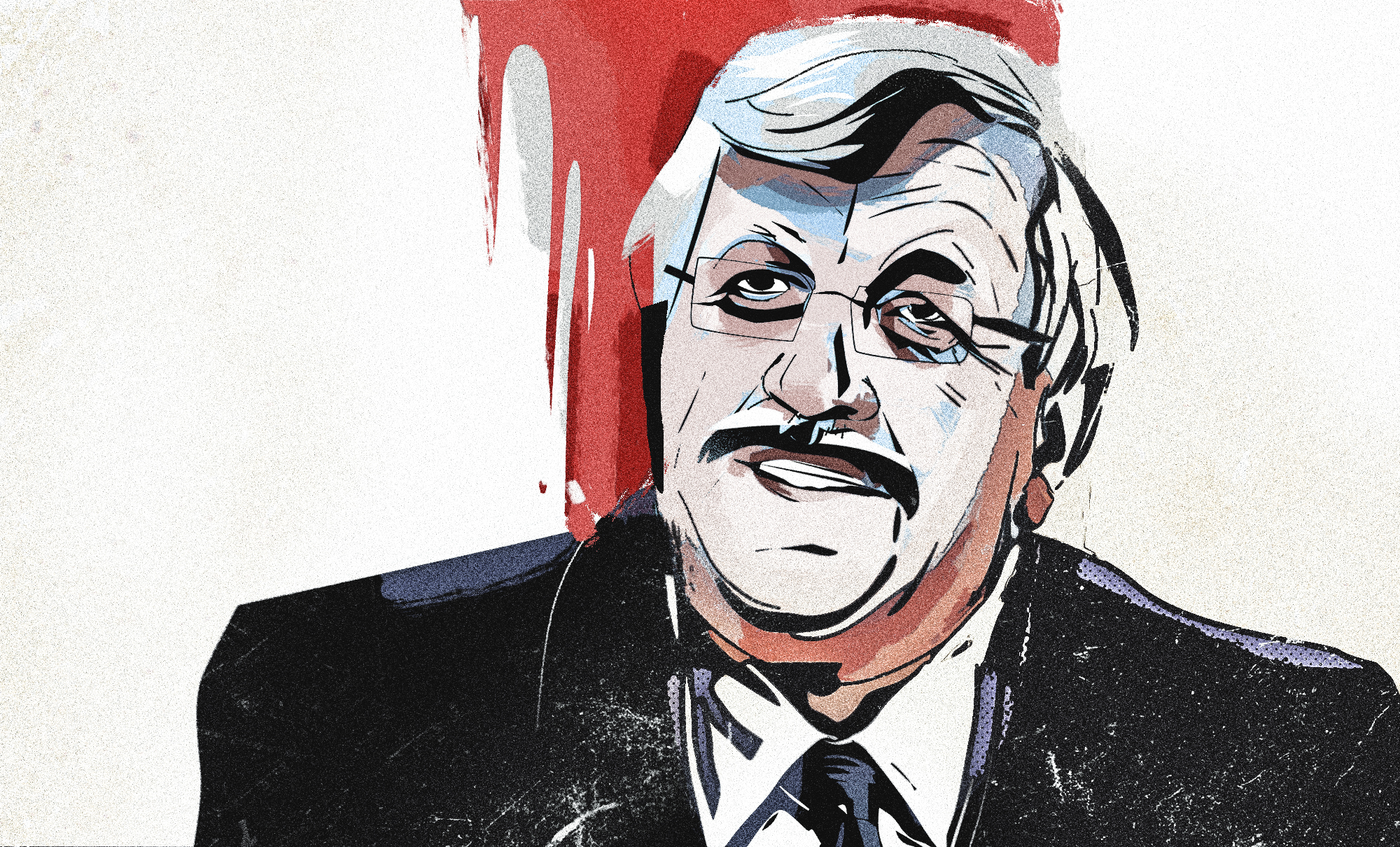
Убитый нацистами политик Вальтер Любке. Illustration: Anna Makarova / Mediazone
Высказывание Любке произвело эффект разорвавшейся бомбы: в ютубе и фейсбуке правые развернули агрессивную кампанию против чиновника, его семье сотнями посыпались угрозы. Травлю Любке поддержала не только праворадикальная «Альтернатива для Германии», но и его же собственный Христианско-социальный союз — правое крыло партии призвало политика уйти в отставку из-за этих слов. Призывы к расправе над Любке и его персональные данные, включая адрес, появляются на ультраправых сайтах — к слову, ни один из этих сайтов до сих пор не признан властями экстремистским.
Среди слушателей этого выступления Любке были и двое неонацистов — Штефан Эрнсти Маркус Хартманн.Четыре года спустя, в июне 2019-го, они подъехали на машине к дому Вальтера Любке в деревне Истха — и в упор расстреляли политика.
Полиция вычислила убийц по оставшимся следам ДНК и задержала их спустя две недели: при обыске у Эрнста обнаружились подробные досье на 60 человек — среди них, например, лидеры еврейской общины Касселя, политики и активисты, помогавшие беженцам — неонацист рассматривал их в качестве потенциальных целей для будущих покушений. Убийцы Вальтера Любке не попадают в привычный паттерн «террористов-одиночек», на который так часто ссылались немецкие спецслужбы и полиция на протяжении последних 30 лет: Штефан Эрнст — один из наиболее известных неонацистов центральной Германии, давно находившийся в поле зрения Службы защиты Конституции.
Кроме того, как показало расследование, проведенное активистами антифашистской платформы Exif , он был тесно связан с международной ультраправой организацией Combat 18 , ответственной за теракты в Великобритании, Германии, Италии, Швеции и Швейцарии. Российская ячейка, обычно обозначавшая себя как Blood and Honour/Combat18, была тесно связана с расистским насилием в двухтысячные, близкие к ней активисты совершили теракт в дагестанском кафе в Орле, а лидер группировки тесно общался с нацистами из БОРН , ответственными за 11 политических убийств. В России Blood and Honour признана экстремистской организацией. Запрещена Combat 18 и в Германии.
Журналисты Exif утверждают : в убийство Вальтера Любке были вовлечены до десяти мужчин, каждый из которых за последние десять лет так или иначе получал деньги от региональной Службы защиты Конституции за работу ее информатором. И через этих информаторов прослеживается связь между убийством политика и делом Национал-социалистического подполья — еще с начала нулевых некоторые из них поддерживали регулярный контакт с террористами из NSU .
Когда баварский ландтаг объявил минуту молчания в память о Вальтере Любке, депутат Ральф Мюллер из «Альтернативы для Германии» демонстративно отказался в ней участвовать — его партия официально осудила убийство, но даже в пресс-релизе сделала несколько оговорок, дающих понять, что преступление неонацистов «вполне себе объяснимо». После убийства Любке ультраправые по всей Германии открыто солидаризируются с его убийцами — в Берлине перед зданием парламента появилось граффити с текстом: «Любке получил по заслугам, Меркель — все еще нет».
Довольно быстро журналисты Spiegel выяснили , что Штефан Эрнст, как и многие представители неонацистской сцены в последние годы, установил связи с политиками из «Альтернативы для Германии», жертвовал деньги на их предвыборные кампании в федеральной земле Гессен и работал волонтером в избирательном штабе. Вместе со своим сообщником Маркусом Хартманном он принимал участие в марше в , который стал одним из самых массовых выступлений праворадикалов за последние годы.
Общественное возмущение после убийства Любке продлилось недолго — слишком неудобные вопросы вызывают обстоятельства его гибели. В Христианско-социальном союзе «кейс Любке» постарались как можно скорее забыть — политики из партии погибшего подчеркивают, что правые экстремисты застрелили его из-за известности как правозащитника и активиста, а не как члена партии и главу районной администрации.
Суд по делу об убийстве Вальтера Любке начался во Франкфурте 16 июня, как ожидается, процесс займет не меньше полугода. Активисты надеются, что во время суда станут известны новые подробности, которые, возможно, помогут связать убийство политика и дело Национал-социалистического подполья.
Как отмечает политолог , за последние четыре десятилетия консервативная партия, членом которой был Любке, заметно сдвинулась в вопросах миграции к крайне правому флангу. Сегодняшний лидер консерваторов, премьер-министр Баварии Маркус Зедер активно критикует «Альтернативу для Германии» как «враждебно настроенную по отношению к немецкой демократии», но одновременно продвигает в местном парламенте новый закон об интеграции, который, по словам экспертов и правозащитников, сильно дискриминирует мигрантов.
Партия Зедера как почетного гостя принимает в баварском парламенте премьер-министра Венгрии Виктора Орбана и выступает против введения санкций в отношении него, а правое крыло Христианско-социального союза постоянно требует сдвинуть повестку партии сильно вправо, чтобы вернуть ушедших к «Альтернативе для Германии» избирателей.
Нацисты в штабе по борьбе с коронавирусом
Между убийством Вальтера Любке и терактом в Ханау ультраправые снова напомнили о себе: в октябре 2019 года в городе Штефан Бальепопытался напасть на синагогу во время службы, приуроченной к празднику Йом Кипур. Попасть внутрь ему не удалось — в связи с окрепшими за последние годы антисемитскими настроениями и регулярными случаями вандализма местная еврейская община усилила меры безопасности.
Подорвав несколько гранат и коктейлей Молотова у ворот синагоги, Балье расстрелял проходившую мимо женщину и подростка возле лавки с шаурмой. Полиция вновь заговорила о «террористе-одиночке» с неустойчивым психическим здоровьем. Но как показали журналистские расследования, Балье долгие годы общался с радикалами-единомышленниками на анонимных форумах 4chan и Reddit . Свой теракт он стримил на платформе Twitch , обосновывая свои действия антисемитскими, расистскими и антифеминистскими репликами.
«Мне трудно было даже представить, что в стране с нашей историей во время религиозного праздника может произойти атака на синагогу», — несколько растерянно заметил в своей речи президент Германии Франк-Вальтер Штайнмайер. На эту реплику сразу отреагировали представители немецких еврейских общин, указавшие , что за последние десятилетия ультраправые убили больше ста представителей этнических и религиозных меньшинств, синагоги и мечети регулярно оскверняются вандалами, а по офисам политиков не-немецкого происхождения стреляют из пневматических пистолетов.
Еврейские общины говорят о росте антисемитских настроений среди немцев, но большинство политиков по-прежнему настаивает, что Германия успешно проработала наследие национал-социализма — и антисемитизм в современной Германии представляет проблему, вновь проявившуюся только вместе с мигрантами из стран Ближнего Востока. По оценке политолога Андреа Репке, ответственность за значительное смещение границ допустимого в политическом дискурсе лежит в первую очередь на «Альтернативе для Германии», члены которой используют парламенты и прессу как трибуну для выражения своих правоэкстремистских и расистских взглядов.
Реакция политиков этой партии на неудавшийся теракт в Халле говорит сама за себя: депутат бундестага Штефан Бранднер призвал других парламентариев «перестать шляться со свечками по мечетям и синагогам», а его коллега из саксонского ландтага Роланд Ульбрих спросил в фейсбуке: «Что хуже? Поврежденная дверь какой-то синагоги или двое убитых немцев?». «Альтернатива для Германии» многое делает для нормализации ультраправых взглядов в немецком обществе: политики редко отказываются от интервью, открыто заигрывают с неонацистами и даже нанимают некоторых из них на работу. Прошлой осенью стало известно , что связи некоторых членов партии с неонацистами и их экстремистские высказывания стали предметом расследования Службы защиты Конституции.
После покушения на синагогу в Халле ультраправые, называющие себя «Национал-социалистическим наступлением», разослали письма с угрозами политикам и членам немецкого правительства, выступавшим в поддержку беженцев. Они снова угрожали терактами и расправами.
Спецслужбы и политики все еще не готовы признать угрозу, годами исходившую от ультраправых и приобретшую новые масштабы на фоне миграционного кризиса в Европе, считает профессор социологии Юлиана Каракаяли из Университета Гумбольдта. Правый поворот в консервативной политике и размывание границы между правыми и ультраправыми позициями в обществе отражаются и на сотрудниках силовых ведомств: в последнее время в немецких медиа нередко появляются расследования о неонацистских сетях в армии и спецслужбах.
В 2018 году глава Федеральной службы защиты Конституции Ханс-Георг Маасен ушел в отставку из-за своих контактов с ультраправыми и открытой поддержки их шествия в Хемнице, из-за чего на него обрушилась критика со стороны политиков, журналистов и гражданского общества. После отставки Маасен нередко выступает в медиа с расистскими высказываниями, оправдывая экстремистов.
Бьйорн Хеке, один из лидеров наиболее радикального крыла «Альтернативы для Германии», официально признанный судом в своей книге использует риторику, напоминающую «Майн кампф»: «Чтобы выиграть в расовой войне, мы должны открыть второй фронт, состоящий из недовольных сотрудников спецслужб и бюджетников — они важнейшие союзники в нашей борьбе».
В начале июня берлинская газета taz опубликовала новое расследование о праворадикалах в армии и штабе по борьбе с распространением коронавируса в Германии: по информации издания, с 2015 года группа из нескольких военных, налоговых консультантов и учителей готовилась к государственному перевороту и началу «расовой войны». Герои расследования снова с трудом попадают в привычное клише «экстремистов-одиночек»: у некоторых из них есть доступ к государственной тайне, они официально числятся резервистами бундесвера во время пандемии и работают вместе с известными экспертами и политиками в главном штабе по борьбе с коронавирусом.
Источники :
Jan Schedler, Alexander Häusler. Autonome Nationalisten : Neonazismus in Bewegung. VS Verlag Für Sozialwissenschaften / Springer Fachmedien Wiesbaden GmbH, Wiesbaden, 2011.
Juliane Karakayali, Kahveci Çagri, Doris Liebscher, Carl Melchers. Den NSU-Komplex Analysieren : : Aktuelle Perspektiven Aus Der Wissenschaft. Bielefeld :: Transcipt Verlag, 2017.
Andrea Röpke. Blut Und Ehre : Geschichte Und Gegenwart Rechter Gewalt in Deutschland. 1. Aufl.. ed. Berlin
Imke Schmincke, Jasmin Siri. NSU-Terror: Ermittlungen Am Rechten Abgrund. Ereignis, Kontexte, Diskurse. Bielefeld: Transcript Verlag
Samuel Salzborn. Rechtsextremismus : Erscheinungsformen Und Erklärungsansätze. 3., überarbeitete Und Erweiterte Auflage. ed. Baden-Baden: Nomos, 2018.
Sybille Steinbacher. Rechte Gewalt in Deutschland : Zum Umgang Mit Dem Rechtsextremismus in Gesellschaft, Politik Und Justiz. Göttingen: Wallstein Verlag, 2016.
Winfried Nerdinger, Mirjana Grdanjski, Ulla-Britta Vollhardt, Nie Wieder, Schon Wieder, Immer Noch : Rechtsextremismus in Deutschland Seit 1945. Berlin: Metropol, 2017.
Armin Pfahl-Traughber. Rechtsextremismus in Deutschland: Eine Kritische Bestandsaufnahme. Wiesbaden: Springer Fachmedien Wiesbaden, 2019.
Mechtild Gomolla, Ellen Kollender, Marlene Menk. Rassismus Und Rechtsextremismus in Deutschland : Figurationen Und Interventionen in Gesellschaft Und Staatlichen Institutionen. 1. Auflage. ed. Weinheim: Beltz Juventa, 2018.
Andreas Klärner. Moderner Rechtsextremismus in Deutschland. 1. Aufl.. ed. Hamburg: Hamburger Ed., 2006.
Volker Weiß. Die Autoritäre Revolte : Die Neue Rechte Und Der Untergang Des Abendlandes. Stuttgart: Klett-Cotta, 2017.
Editor: Yegor Skovoroda