
Translated material
Polonium knocks in the heart
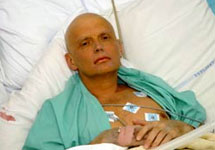
The widow of the former FSB officer Alexander Litvinenko Marina asks the British authorities to continue the investigation of the murder of her husband in order to reveal the role of the Russian authorities in him. In an interview with Reuters, she said that she decided to contact them, since the chances of issuing the main accused of murder - former colleague Litvinenko Andrei Lugovoi - zero.
“No one extradits him,” she said. “We just need the truth - what happened and where did the Polonium come from.”
According to a friend of the family, Alexander Goldfarb, lawyers Marina Litvinenko sent an appropriate appeal last Friday. "She requires a complete investigation with the establishment of a motive, a murder instrument and possible complicity of the Russian government," he said.
Goldfarb believes that the British and American authorities have already found out the origin of Polonium, who killed Litvinenko, although they did not announce this. According to him, if it turns out that the isotope was made at the Rosia state enterprise, Moscow will be forced to give explanations.
Under British laws, the family of the murdered has the right to demand an investigation of his death. This includes not only the establishment of a medical cause of death, but also a more detailed study of the circumstances of the tragedy. The investigation of the murder of Litvinenko was started and suspended in 2006. According to Goldfarb, the British Foreign Ministry and the police tried to dissuade the widow to resume him, as they are afraid of further deterioration in relations with Moscow and destroy the already weak chances of bringing the case to court.
Litvinenko died on November 2006 from radioactive polonium poisoning. The investigation came to the conclusion that the poison was added to a cup of tea, which he drank during a meeting with Lugovo in the London bar.
Lugovoi repeatedly declared his innocence. In December 2007, he was elected to the State Duma as part of the LDPR list and acquired deputy inviolability. However, the Russian authorities categorically refused to extradite it before the elections.
The situation around the meadow led to a serious deterioration in Russian-British relations. Each of the parties sent several diplomats.