
Translated material
Burning bread
South Urals have not seen such a drought for almost half a century
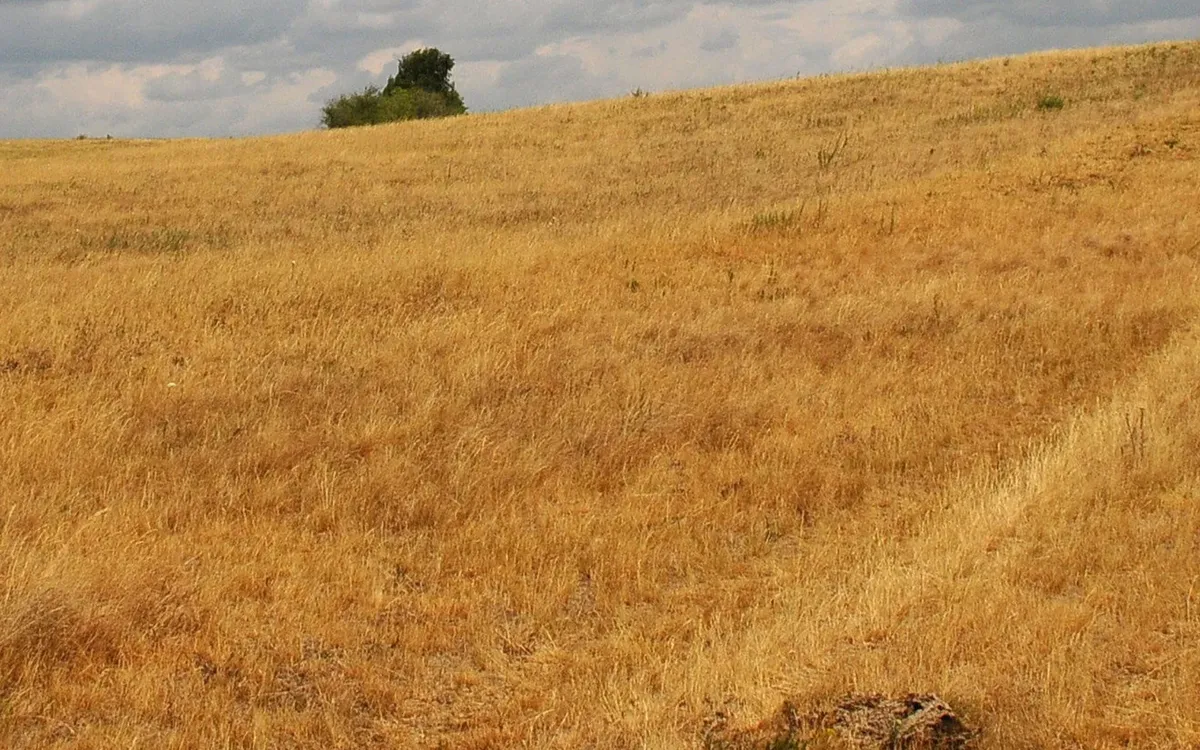
The weather lifted Agrariev so much that in 19 regions of the Chelyabinsk region they introduced an emergency regime in connection with the drought. In some places of rain, there was no rain since the beginning of summer, and the air temperature for a long time lasted at 38–40 degrees, and the soil was heated to 57–68 degrees. According to preliminary data, due to drought, the grain harvest is expected to be about 40% below compared to the previous year.
“Direct damage will be significant,” said Alexei Tevesler, governor of the Chelyabinsk region at a selector meeting with farmers. - We announce the emergency mode in order to further comply with all formal procedures to confirm the loss of crop and take measures to eliminate the consequences of drought, as well as contact the Federal Ministry of Agriculture for support. Of course, we will not leave the villagers in trouble and provide them with all the necessary help.
According to farmers, barley grew by only 30 cm, although it should be twice as high. Due to water deficiency, the cereals do not ripen, or ripen heterogeneous.
Even what has risen, it will be difficult for combines to harvest - the crop is heterogeneous.
As noted by the Minister of Agriculture of the Chelyabinsk Region, Alexei Kobylin, in the region it was planned to collect 1.8 million tons of grain. If the weather improves and there are no new cataclysms, it will be possible to collect about 1.1 million tons.
To support agricults, 40% of the annual volume of state support have already been transferred in the form of various subsidies, this is 1 billion 155 million rubles, another 375 million rubles will be transferred in the third quarter. In addition, between the Ministry of Agriculture of the Chelyabinsk Region and the regional Rosselkhozbank, an agreement was reached on the prolongation of loans for agricultural producers affected by the drought.
Loans will be prolonged for 12 months - for enterprises with mixed production (crop production and livestock), and for 36 months - for crop production enterprises.
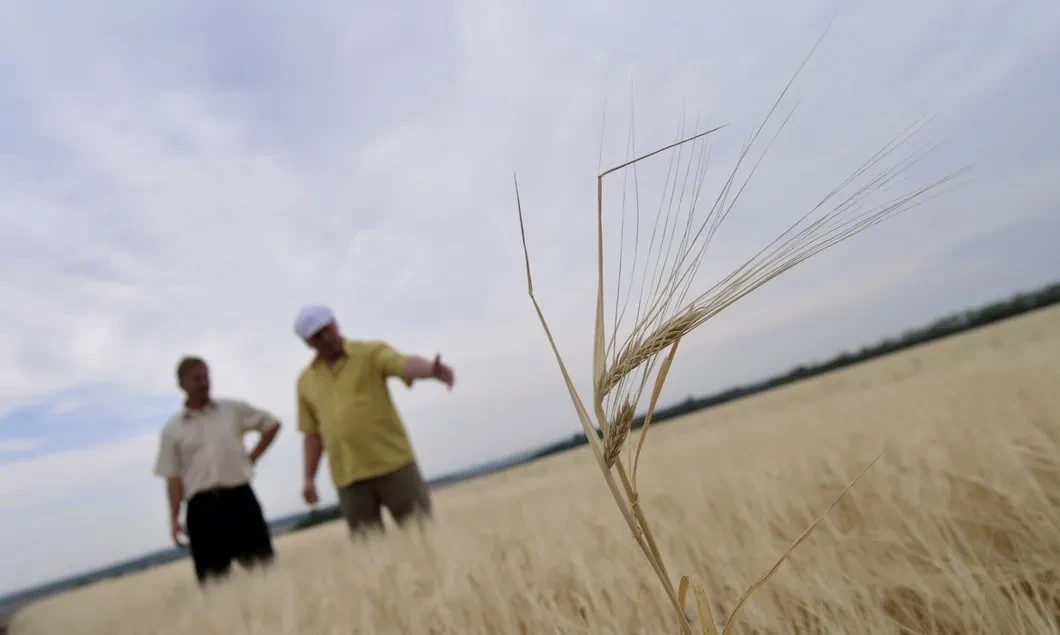
“The old -timers say that such a drought was the last time in our area in 1975,” Zhainar Karsakbaev, a farmer from the Agapovsky district, told the “new”. - We collided with such heat for the first time. We have a mixed farm, a large livestock of cattle, so drought has become a serious test.
Feed grow poorly. All that we have grown for sale now leave for food for our animals. Now we are negotiating with neighboring farms, who do not have livestock, so that they are left to us at least straw.
Of course, there is no need to think about profit, in the current conditions, if only to save the number.
Karsakbaev’s enterprise has existed since 1992. About sixty local residents work here. As the farmer assures, the natural cataclysm will not affect their earnings, since they have piece wages.
“No matter how hard it is, we still have to maintain wages and people,” Zhainar is sure. - If they begin to leave, it will be hard to find new workers. We count on the help of the state, because losses are not our fault.
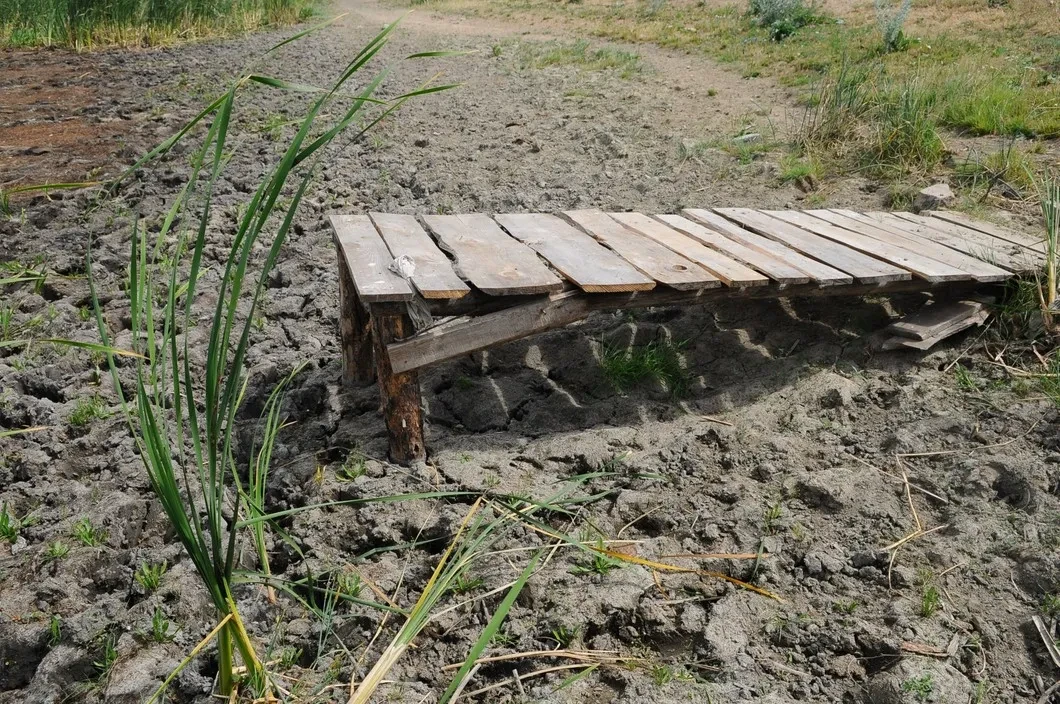
The farmer is sure that due to the lost crop, there will be no serious increase in prices. The pockets of the Chelyabinsk residents will be saved by neighbors - manufacturers from the mound, Tyumen and Orenburg, where all this time there were no climatic changes and there were good rains.
“It is good that the emergency mode was still introduced,” our interlocutor concludes.
- We, as the recipients of state subsidies, have responsibilities not to reduce production volumes, livestock, the number of fields, etc. The emergency will protect us from penalties.
Even if the weather straightens, this will not save the crop, and we will not be able to make up for losses. The only thing that feed can still be in growth, but everything else is alas.
By the way, on Monday, July 20, the first rain in the Zlatoust district went through the first month and a half. But he did not bring relief to the South Urals, but only aggravated the problem of drought: agricultural lands and gardens fell asleep in a large hail, which finished off the remnants of the crop.
There is still no rain in the Agapovsky district.