
Translated material
When is Brexit?
There is no answer to this question. Teresa May will ask for a new delay
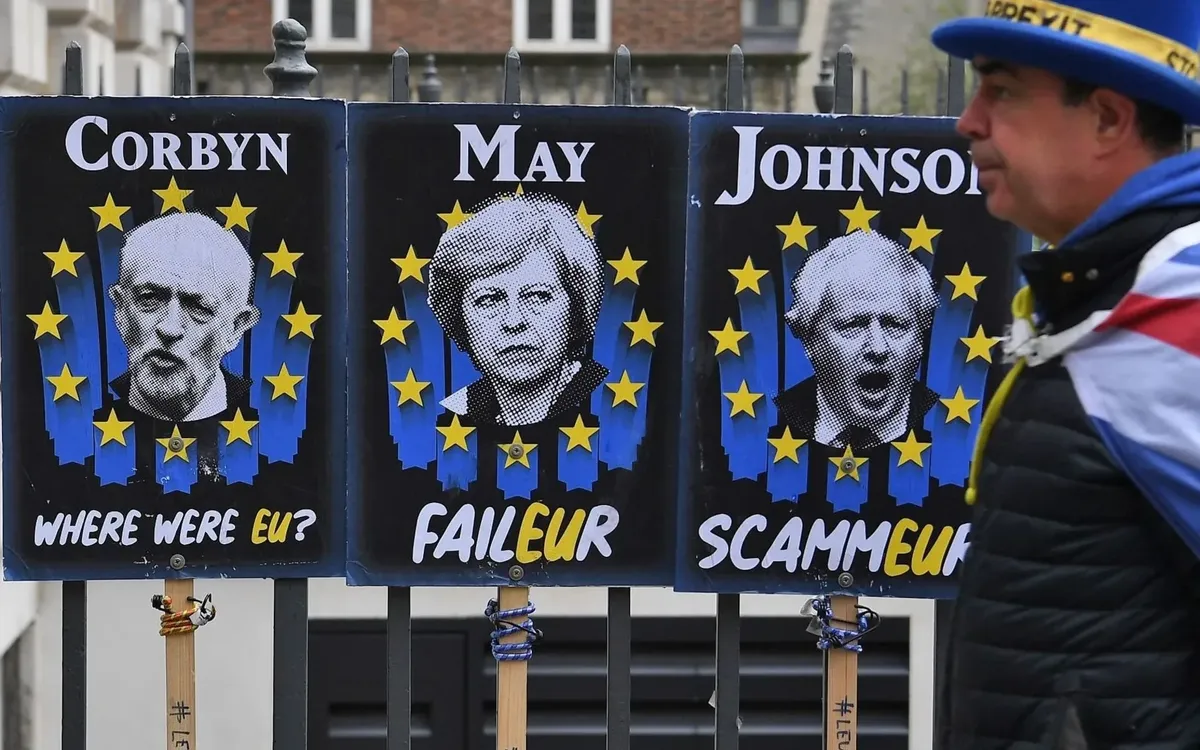
On March 29, Brexit did not happen. The new date is not determined - Teresa May intends to ask the European Union about another postponement and invited the leader of the opposition party to the Labor Party Jeremy Corbin to develop a plan of action to develop a plan of action. What, according to many conservatives, demonstrated the legality of her own office.
The parliament, which last week decided to take the future of Brexit into his own hands, also lost this task: not one of his scenarios proposed by the deputies scored the majority in the House of Commons.
Now the word behind the European Union, whose leaders are already openly say that their patience is at the limit.
Since the coordination of the transaction with the European Union in November last year (four and a half months ago!), Brexit has come to a dead end and has since moved in a circle.
Three times May brought out this deal to vote - and played three times. The deputies make it clear that this version of the transaction will not be accepted, and the European Union will not go for a revision.
The third decisive vote took place just on March 29. They voted quickly and against: 286 deputies supported the deal, 344 - rejected. True, the gap of votes is already less than the second time. But this is not important: the deal still has not passed. And the gap was reduced not because the deal became better (it has not changed at all), and not because the deputies revised their demands - it was simply to support it to give Great Britain a chance to leave the European Union calmly, according to the agreed scenario and with a delay until May 22.
Even the promise of Teresa May did not help the day before, if her transaction was successful, to resign.
The deputies try
In mid -March, on the eve of the next trip to Brussels, May directly accused the deputies of slowing down the process, voting against and preventing the “will of the people” - that is, to leave the European Union. The Prime Minister himself, going on this trip, in order to agree on a delay in Brexit, also did not achieve impressive results-instead of delaying until the end of June (as the prime minister wanted), they agreed that the UK should leave the EU until May 22, and then provided that the deputies would contribute the agreed transaction. Otherwise, this was the condition of the European Union - Great Britain should exit until April 12th.
Once in an obvious impasse, the deputies decided to take the Brexit process: to develop their plan for Britain's exit from the European Union. Which is also not so simple: most conservatives advocate Brexit - while among them there are supporters of a tough exit without a transaction, and supporters of Brexit only if the transaction agreed with the European Union. Most of the Labor players for the maximum maximum Brexit - while maintaining close ties with the European Union, and some lachists - for a repeated referendum. The Scottish National Party is generally against Brexit, and the Democratic Unionist Party, representing the interests of Northern Ireland, generally supports Brexit, but provided that there will be a deal with the work worked out the problem of the Irish border.
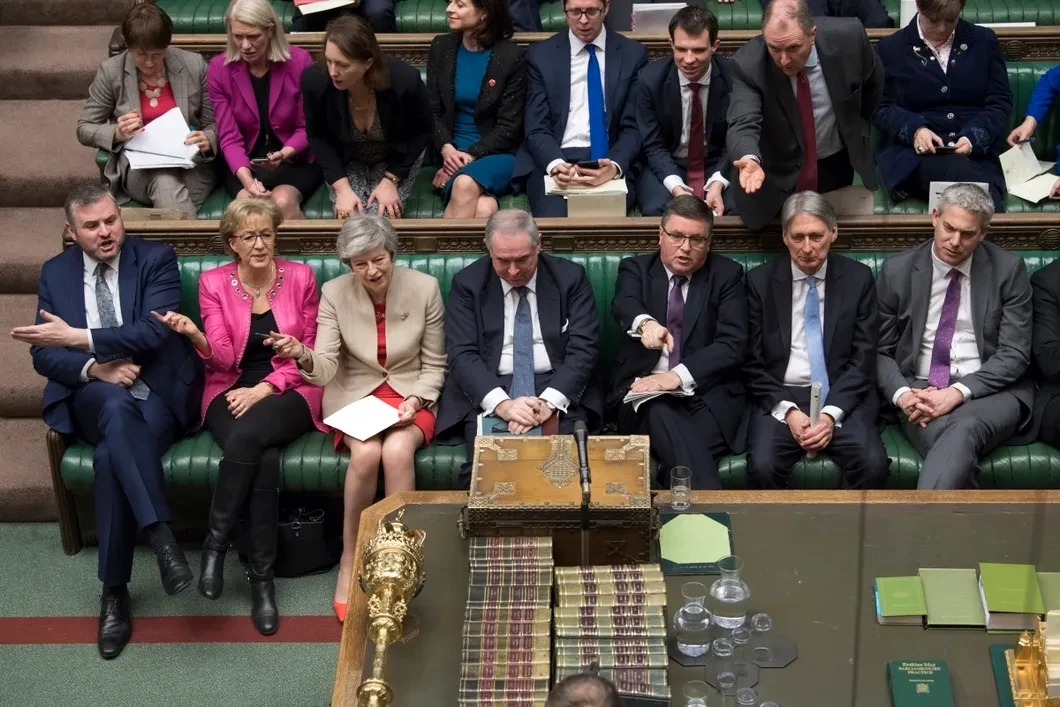
Last week - two days before the third decisive vote - the deputies proposed eight initiatives regarding Brexit. Most of the votes were collected as follows:
Great Britain leaves the European Union, but at the same time remains a member of the Customs Union;
The UK remains in the Customs Union and the Unified European Market, that is, it continues to be economically integrated with the EU, but comes out of all political structures from the jurisdiction of the European Court;
The transaction with the European Union is submitted to the popular referendum;
The government asks the EU for a new delay, and in case of refusal, puts two options for voting in parliament: an exit without a transaction or a new referendum.
At the same time, none of them gained a sufficient number of votes to be considered approved by parliament.
On Monday, the parliament continued to discuss the options: by the vote, by decision of the speaker of the House of Commons of John Berkow, the four most popular initiative were put up by the results of the last week. At the same time, Berkow noted that the option of exit without an agreement was not included in the evening agenda, since "the parliament twice rejected it."
The reduction in the number of initiatives from eight to four did not help: each of them received more votes against than for.
The word opposition
On Tuesday, Teresa May gathered ministers for a meeting, which, instead of the planned five hours, lasted more than seven. In fact, the ministers agreed only on which option to be considered unacceptable - a way out without a transaction. “I know there are those who are so tired of the delays and want to finish these disputes that are ready to go out without a deal next week,” May said after the meeting. - I always said that we could achieve success in the long term and without a deal. But the exit with the deal is the best solution. ”
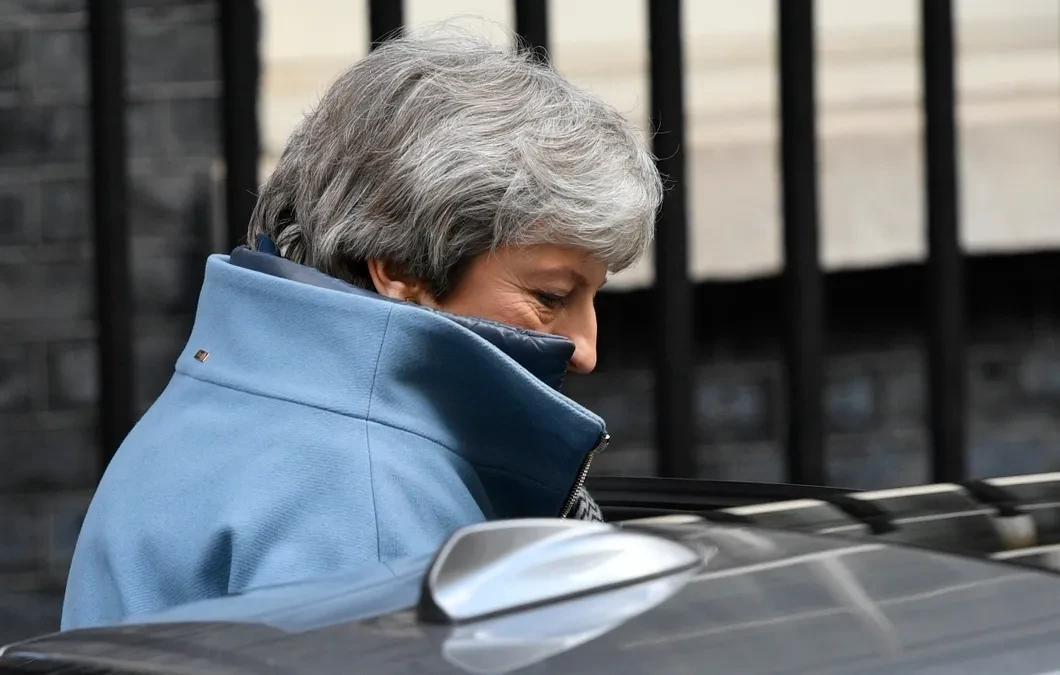
Now, May said, she will ask the European Union for another delay - "as short as possible to approve the deal."
That is, the Prime Minister promised to very quickly solve the problem, which did not solve in the last four and a half months.
Now Nadezhda Teresa May (probably the last, because all other options have already been exhausted) - negotiations with the leader of the Labor Labor Jeremy Corbin. “I propose to sit together with the leader of the opposition and try to coordinate the plan that we both will adhere to to guarantee that we will leave the European Union in accordance with the agreed transaction.” At the same time, the Prime Minister noted, this plan should take into account the existing transaction approved by the European Union.
Jeremy Korbin hastened to answer that he would be “very happy” to take part in the negotiations. “I recognize my responsibility to represent those people who supported the Labor Party in the previous elections, and those who did not support - but they want a clear and safe future,” he said in a commentary to Associated Press.
Theoretically, the joint plan of May and Korbin can really get more votes in parliament: half of the conservatives and so votes against, and the Laborists in this situation can support the initiative in which they will take a direct part in the compilation. Especially if the corbine manages to pushing the option of a softer Brexit.
This prospect does not please the supporters of the tough Brexit. “It is unfortunate that the cabinet decided to entrust the management of Brexit Jeremy Corbin and the Labor Party,” former Foreign Minister Boris Johnson wrote on Twitter. “Now it is too high that the trade policy of Britain and key legislative processes will be in the hands of Brussels.”
What does the European Union think?
In short, the European Union is tired of the throwing of Great Britain. Just during a meeting of the British Cabinet of Ministers, French President Emmanuel Macron met with Ireland Prime Minister Leo Varadkar, before this with a short but emotional speech, in which he emphasized that the extension of the Brexit period will require serious reasons-and that London should offer a “plan supported by a majority, until April 10”.
“Our priority should be the good functioning of the European Union and a single market,” he said. “The European Union cannot forever remain a hostage to the political crisis in the UK.”
The head of the European Council, Donald Tusk, after the statement, May turned on Twitter to his colleagues in the European Union with the call to “be patient”.
Now in line - an extraordinary EU summit, which will pass on April 10 and will be completely dedicated to Brexit. That is, Teresa May has a week to develop another new plan and finally try to achieve the approval of the parliament.