
Translated material
"Samovars" of Russia
To the anniversary of Stalin in 1949, Sverdlovsk streets were cleaned from crippled front -line soldiers
Box for Alexei
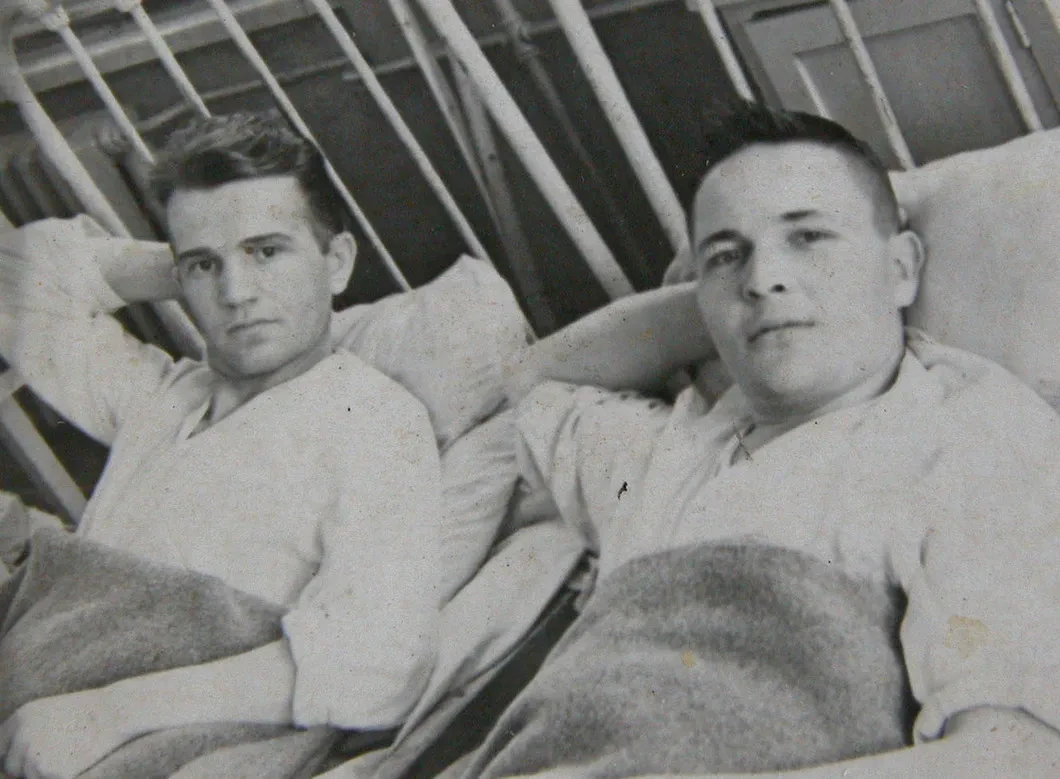
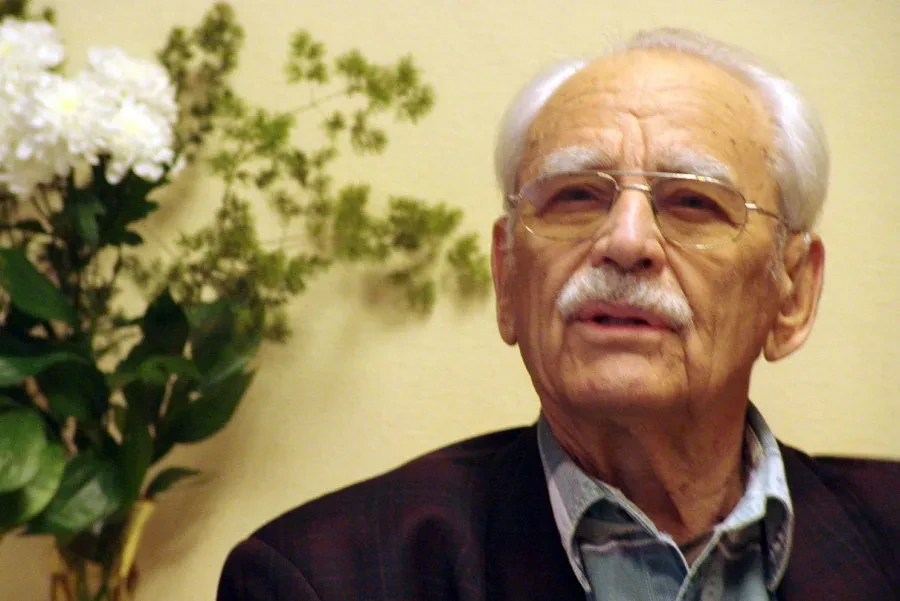
Attention to the disabled warfare disappeared quickly. The trouble became embarrassed, became ordinary. “Bazaars, stations, crowded places where you could ask for alms and drink vodka, became a constant haven for these destitute people. They always talked about the disabilities of war, but they excitedly yelled “Hurray” to the victory over fascism, ”wrote Viktor Maksimov in his book“ Confession of an old soldier ”. Viktor Sergeyevich himself returned from the war disabled, although his arms and legs, fortunately, were in place. The consequences of the shell -and -the -way erased him until his death, he woke up with screams, he was tormented by nightmares and severe pain. It was hard to live next to him.
Help "New"
According to the Central Archive of the Ministry of Defense, during the Great Patriotic War, military personnel received 46 million 250 thousand wounds. 775 thousand front-line soldiers returned home with traumatic brain injuries. Blind - 54 thousand. With mutilated faces, 501,342 people finished fighting. There were more than three million who lost one hand at the front, more than one million soldiers and officers lost both hands. There were 3 million 255 thousand one -legged, legless - 1 million 121 thousand. With partially torn arms and legs - 418 905. Hardy and legless, the so -called "samovars" - 85,942 people.
Both on the pages of the book, and in life, Maximov often recalled the disabled Alexei, who he met in the first post -war year near the city market. The former soldier was without legs, moved around the city on a “self -propelled gun”, a home -made cart, pushing his hands from the ground. He was married, even before the war he gave birth to a daughter, but, having returned from the front, he lived most of his time with his brother in the village, did not want to be a burden to his family. In the village he grown tobacco, traded it and thus contained himself and helped loved ones.
- It was such an energetic and with a sense of humor a man that I sometimes looked into his face, jokes or not? - Maximov recalled. - Once he praised a surgeon who, from the stump of forearm, when amputation made him a claw like a cancer. Sincerely praised.
And somehow in a conversation, "Our Army of All stronger" suddenly extended. " And so much regret and resentment in one phrase ... They lied to themselves and believed themselves!
After a couple of years, Alexei was gone. Once in the village he took a hunting rifle, at night got out of the bathhouse, where he lived, and in his arms reached the river. There, on the shore, he shot in his heart. Under the stone at the bathhouse left a note in which he asked to forgive him and bury it immediately, and then only inform his wife and daughter. Behind the bath stood a quadrangular box with a lid knocked down from non -trudged boards. Alexey prepared this coffin in advance.
After the war, Viktor Maksimov became a frequent guest of the Sverdlovsk hospital for the disabled war. It was there that he met a veteran from the village of Shalya, in the south-west of the region. As a new acquaintance said, after a wound in 1941, he was commissioned by disability and left to work at the Shalinsky railway station. The veteran recalled that sanitary trains with wounded east went on the whole war day and night, dozens of a day. The sanitary train stopped here, only to throw the dead from the wagons. Then the station employees selected the bodies and buried them in large mass graves nearby in the forest. If it was in winter, then they laid like logs in the barn and left until spring. Who was buried - they did not know, there were no documents at the dead ...
American
Sverdlovsk. The first post -war years. Disabled people in trains, in trams, on bazaars, near shops. In military uniform, chest in orders. They ask for alms, and in the evening they move to the "Americans".
“The Americans are brewers,” explains Sergey Avdeev, a senior researcher at the Uralmashzavod Museum in Yekaterinburg. - In them, a round counter was located in the center. Inside stood a aunt with a beer barrel and a pump. It was possible to take a sandwich on the snack. Aunts were poured even on debt, on the security of documents, usually the pass was used to the plant. But my acquaintance said that he personally saw the laid party card.
As Viktor Maksimov said, the “Americans”, located at large intersections of the city, were filled to capacity, especially in winter. The brewery worked until midnight, then everyone diverged. Those who could no longer go to the street.
In the early morning, a truck traveled around the city, which gathered near the "Americans" corpses of frozen disabled people.
At the factory passage
- When the pay was at Uralmash, they all, legless and wrinkled, lined up on the ground near the passing chain, waited for alms. Someone like ... who - on carts, who - right on the bare ground, - continues Sergey Avdeev. -We had a graduate of the 22nd school, on the very first day of the war, his leg was torn off. He ended up in a German concentration camp, then in ours. He was blamed for him that when the two -leggeds were dying, he managed to survive with one foot. He returned home from the camp, no pension, no benefits, since he was recorded in the enemies. He sat down with a cap. And by the Antonina Somova, the director of his school, is walking by. And took him with her. She brought to school, arranged a graduate to the post of teacher of drawing and drawing. Later the house of pioneers appeared, he worked there - a circle led. The man came to life at once. At Uralmash, many knew him - he became artist Sokolov, but he could die as a poor disabled person. Somova, by the way, helped another student who had passed the concentration camp. She also accepted him to school, did not let him die. He led technical circles.
The landscape of the winners
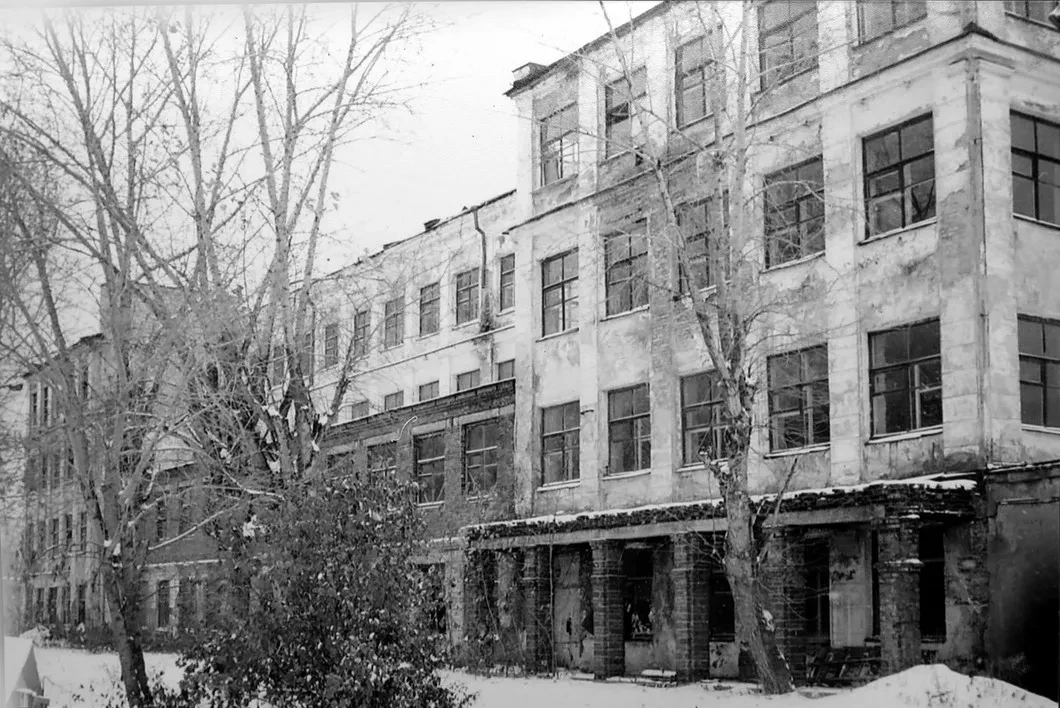
“The post -war years fell on my childhood,” recalls Alexei Zykov, chairman of the Sverdlovsk regional public organization of the Family of Dead Warriors. - I remember the disabled well. The windows of our apartment overlooked the passing "pneumatic construction." "American" adjacent to the fence of the plant. And always inside and outside - disabled. Those who were on crutches could go inside, and they were sitting nearby.
According to Alexei Zykov, most often disabled people could be found near grocery stores. You go to the vestibule, there is surely a “samovar” sits, without arms and legs. He was brought by a compassionate woman in the morning in a homemade cat or “backpack” in the morning. The disabled person was sitting there all day, asked for alms, in the evening she took him.
“I recall how we, we, boys, reacted to these people,” says Alexey Alexandrovich. - We saw how the police drove them. There was no respect for the winners. They disappeared abruptly. They said that they were taken to the "Wounded" places. They were isolated from people because they spoiled the landscape of the winners.
Zykov tells how the boys teased the disabled.
- Here is yesterday’s fighter on a piece of wood, but there were no prostheses. It goes, and behind him is a crowd of boys, and to the beat of his limitation chants: “Five rubles, where to get it? We have to be in-and-b-b-b-b-b-b-b-b-b-b-b-b-b-b-b-b-b-b-b. Here is such a mocking river. No one chased us, the adults themselves were indignant, they say, all sorts of people with disabilities go here.
When we saw how the police throw them out of the stores, no one even thought that these were front -line soldiers. There were no such words!
A disabled person was sitting near the Shatash market, there are no legs, and instead of hands - shoe brushes are attached. Sometimes, he would think and remove the hair from his forehead, and instead of a hand there is a brush with a vacation. The head is black right away. And then he died. And they buried him with such honors that we were all shocked. It turned out that the Hero of the Soviet Union.
“I ask myself: how many people with disabilities died, how many of them were in nameless graves thrown out of sanitary trains on half -stamps selected on the streets emitted from the windows? No one counted. All to the war fell. The war was war, but there was a power that sent people to this war. And she tried to hide the true losses of the soldiers in the war, and the most anti -human methods, calling people “missing” ... In the post -war years, the power did little for the disabled, except that she awarded with anniversary medals and screamed for glory ... ” - writes Viktor Maksimov in his“ confession of an old soldier ”.
In 1949, the legless disabled people disappeared from the Sverdlovsk streets, Bazarov and Stations, from electric trains and trams.