
Translated material
Store money in the Central Bank
Why do you need a "digital ruble" and how it will work
Last week, the Bank of Russia began a public discussion on the possibility of issuing a digital ruble. A simple version of this proposal implies that all of us will have the opportunity to keep our rubles not only on accounts in private banks, but also directly on the account in the Central Bank. It seems to many that this will not affect their lives. After all, most of us are not so important, in the account of which bank our rubles lie. Moreover, it does not promise a new account in the central bank. Why then waste time and effort on the release of a digital ruble?
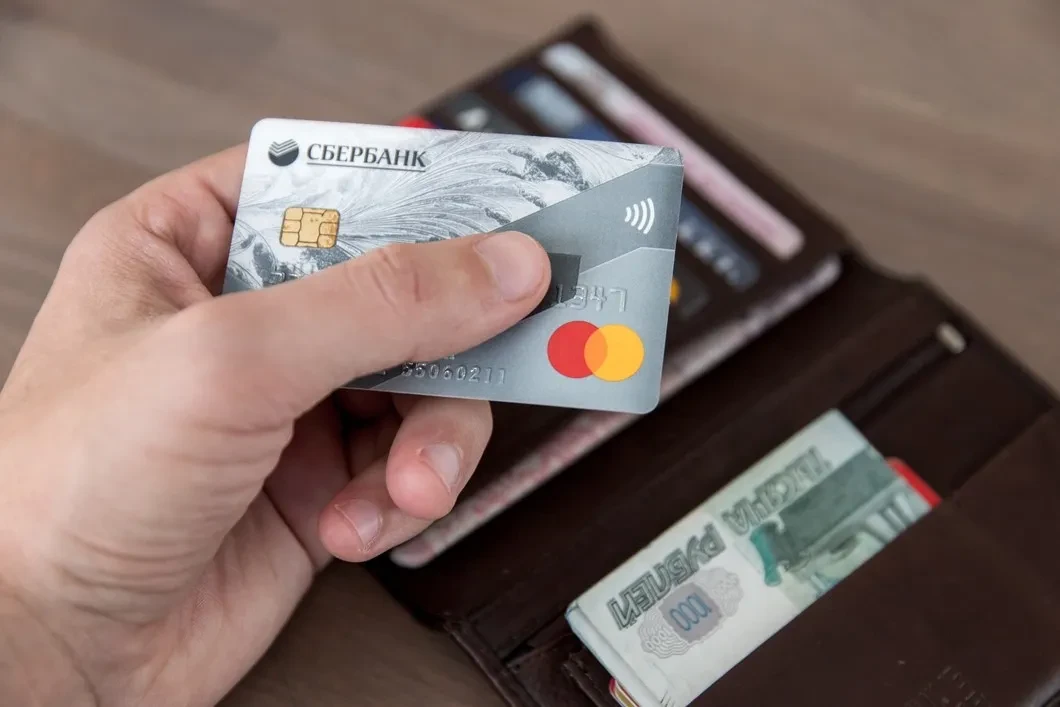
Plastic departure
The fact is that we are on the verge of large changes in the payment system. Now it is quite difficult to imagine them, but we can recall the time when we mainly used cash for everyday purchases.
20 or even 10 years ago, the prospect of non -cash payment with the help of bank cards seemed to be worthy of attention.
A similar situation has developed today, only to replace the fuss with bank cards, the convenience of payments from private companies comes. And although the sensational Libra from Facebook in the United States is still under conversation, in large cities of China, more than 90% of people as the main method of payment already use mobile payments, not cash or bank cards. And 92%of all mobile payments fall on Alipay (53%) from the Alibaba online retailer and on WeChat Pay (39%), a system from a popular messenger.
With the help of these systems, you can not only transfer funds to friends and pay for something online, but also make most of the everyday purchases of offline. At the same time, China has gone from cash and cards to the current state in just a few years.
One would have thought that China simply goes its own way. But their banking system is no worse than in many other countries. So, rather, the point is really that the new payment system is more convenient for the old and the future for it. Therefore, you can expect similar changes in other countries.
With a shield or on the shield
Central banks can either keep up with the times, or lag behind him. The digital ruble, as well as the digital yuan tested this year, is an attempt not to give in to competition to new payment systems. If it fails, then the Central Bank can lose both their client base and all the advantages associated with it.
And this is not only the ability to disperse or slow down the economy using a monetary policy, but also control over the payment system. Its organizer receives data on all transactions, can freeze any account, and is also able to save the financial system from collapse, providing additional funds systematically significant organizations within its system.
These advantages are so important for every country that few believe that any government will allow their transition to private hands. In the end, new payment systems can simply be banned or strongly regulated.
But the marriage of love is much more attractive than marriage as necessary. And if the digital ruble is convenient enough to continue to use it, then all private systems will benefit from maintaining free conversion in a digital ruble. Then the Bank of Russia will be able to maintain its influence on the economy without additional restrictions and without prejudice for the convenience of consumers.
On the path of Kenya
Good news is that for central banks there are not only threats, but also opportunities. In the competition for the future of payments, the Central Bank has many significant advantages over private companies.
Firstly, they are unlikely to be banned or legally limited in the future. Secondly, any private company, even if very successful today, can go bankrupt in the future. The collapse of the organizer of the payment system can also lead to loss of confidence in the system itself. And the Central Bank can always come to the aid of a government that can support the system with new taxes.
Thirdly, the original customer base is very important for the success of payment systems, and the central banks are now the largest. The new payment systems are opened precisely by those companies that have already accumulated a large client base. If you make a lot of purchases on Alibaba, then you already have an account there. The more such accounts have other people, the easier it is for you to exchange with them not by yuns, but by means on these accounts.
The same with users of the WeChat messenger. Now most Russians are still using rubles.
If you make a digital ruble attractive enough, then those who often trade with the Russians can switch to it. And after this - their trading partners.
So the use of a digital ruble will be able to go beyond Russia. And the more people in the world will use the ruble, the more our country will be able to get the advantages that private companies chase this.
Such a scenario of Russia's success outside it can cause fair skepticism. It seems unrealistic to achieve an international advantage in such a technological sphere, when there are many unresolved problems within the country.
But sometimes countries manage to slip through one of the steps of their development, albeit in the same area. So, in Kenya it was not possible to build an effective banking system, which is why the Kenyans had to pay in cash. Few people had bank accounts, but many had mobile phones. And in 2007, the local Safaricom mobile operator took advantage of his extensive client base and allowed customers to exchange funds in their mobile accounts. Soon after this, this method of payments became the most popular, and in 2019 this system was already used in 7 countries. Despite all the Russian problems today, it seems that there were more of them in Kenya.
Looking back, it’s even difficult for us to remember that the collapse of a metal ingot was once called a ruble (which is why its name appeared, according to one version). And it is unlikely that in the future the most convenient form of money will be paper banknotes. Therefore, if the ruble survives to its future, then there it will be digital. And the earlier he becomes digital, the more he will have a chance to survive, because only in this way he will be able to preserve and increase his client base.