
Translated material
Beijing looted
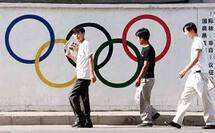
A glorious gift was prepared for the visit of Jiang Zemin in Moscow: Beijing was named the capital of the XXIX summer Olympiad of 2008. The old Juan Samararanch, who began his rich career in the pre -Olympic Soviet capital, worthy of completing the path, declaring the main Chinese city the winner in the world competition. The reward found the strongest.
Then a lot came together, coincided, froze. Enviously wondering about the sum of the “rollback”, finally received by a veteran of corruption scandals from grateful Chinese, we immediately note the main thing: Beijing was doomed to win. The most solid contribution, the most powerful propaganda campaign, the most enormous investment market - all determined success. But in addition to the levers of economic and campaigning, a political resource acted clearly and with great efficiency. Two nuclear superpowers - Russia and the USA - did not hide their support at the highest level.
As for Moscow, its interests related to the strengthening of Russian-Chinese friendship are quite obvious. Against the backdrop of a sharp cooling in relations with America, the broken axis of Moscow-Peking-Deli seems to our geopolitics masters very promising in future foreign policy combinations. The general ideological preferences bring us closer, and in these difficult matters, Russia suddenly finds himself in the role of "younger brother". Capitalism in the framework of the Chinese model is clearly taken into service with right -wing government economists, and envious sighs are heard from the left Duma corners loudly: how did the Chinese Communists manage to break into the Western markets and not to lose the authorities? By the way, in those very western markets, Chinese brothers are the most unpleasant competitors for us, but no one has yet been talking about this. For there is no habit of saving on ideology.
At the same time, the clear and close rapprochement of the Kremlin with Beijing cannot but bother American politicians. This, of course, is not about the military union; In any case, the power of NATO troops and technology reliably covers the Western world from our provincial geopolitics. But the political union, based on a close mutually beneficial friendship between Putin and Jiang Zemin, is still annoying the Americans, causes anxiety and anxiety. We add to this a number of scandals that did not decorate the American-Chinese relations and used in the Kremlin in full. It is primarily about the bombing of the Chinese embassy in Belgrade and the death of the Chinese pilot in a clash with an American aircraft. These tragic incidents, with all their chance, looked very unattractive and discredited Washington, who did not want a serious deterioration in relations with Beijing at the same time.
That is why the statement that the White House does not mind the holding of the Olympic Games in China, sounded on the eve of voting both to the place and by the time. Lobbying in their own Chinese capital, the Americans escaped unnecessary complications with Beijing and did not look like losers in a dispute with Moscow. Of course, Toronto or Paris could be more than the West, but in the end it is only about sports competitions, isn't it? As for the human rights, the problems of Tibet, the conflict around Taiwan, now this whole festive set is redesigning to dear Chinese leaders. Now let their head hurt about how to solve these problems, without risking their victory today.
The Olympics is seven years old. The West expects that over the years, Beijing, at least for considerations of economic benefit, will have to make some concessions in the field of human rights. Try to do without carnival executions and ritual persecution of dissidents. And if it doesn’t work out, well ... we all remember what shameful boycott the Olympics-80 turned out for us. Of course, the Kremlin elders did not care about it, but since then the world has changed a lot. And not for the better, if you look at it from Red Square or from Tiananmen Square.