
Translated material
GOK died
A huge enterprise for the extraction and processing of tungsten has stopped working in Primorye. Residents of the Monogorod Svetliye are traveling
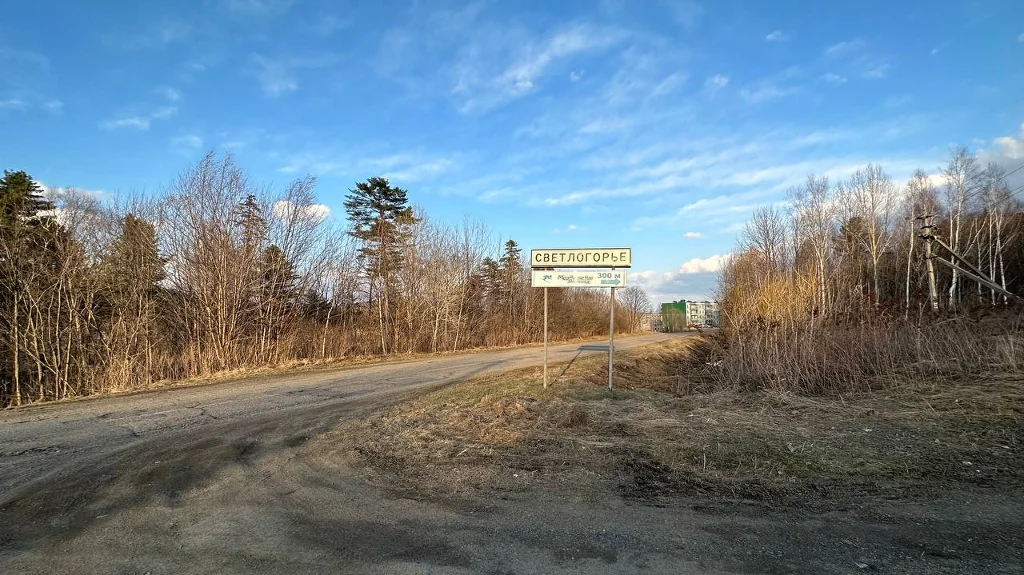
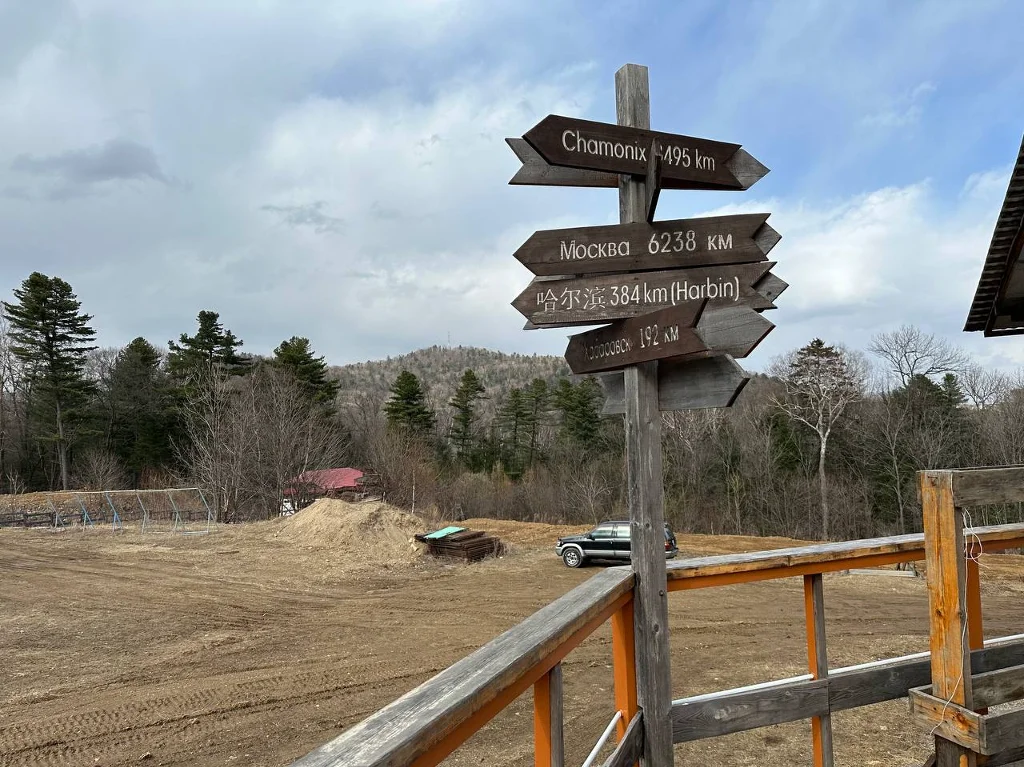
The sign at the entrance to the Svetloga. Directly - the village. To the right is a ski route. Photo: Valeria Fedorenko / "New Gazeta"
With the latest employees, the once huge “Lermontov Mining and Processing Plant” is stitched in late May. About a third of all tungsten concentrates in Russia were mined here, but they are no longer mined - and not only because the field has run out, there are others, only there is no one to conduct geological exploration. Due to what does the monogram that arose in the late 80s live in a dead quarry? What problems are worried by the locals? Who and how brought the plant to bankruptcy? And for whom is the new House of Culture is being completed this year?
Here you are not officially happy about
In the Svetlogorsk administration, at first they willingly make contact. It is clear from a telephone conversation: the men went out, the pensioners are not even taken by the watchmen, they will soon be fired soon, there were 30 guards on the tails - and they will not. Who will guard the dangerous waste is incomprehensible. At the second “control” call to the district administration, they warned me with a trembling voice that the journalist did not have the right to work in the village “without the permission of the head of the district”. It is ridiculous, but predictable:
Firstly, municipal reform deprived the rural settlements of the remnants of independence, and secondly, in Primorye, the governor’s election will soon.
I am in the center of the Pozharsky municipal district, Luchegorsk, and communicate with the administration specialists (by the way, competent and caring). Although the head of the municipal district - Vladimir Kozak is so glad to see me that he forgets to say hello.
“We love silence here,” the official hints opaquely. And recommends writing a report on the certificates prepared by the administration.
The fact that a trip to the Svetliye is a bad idea is made to understand a few more people, including from the security forces. Is it worth mentioning that everyone who agreed to talk about GOK and the village in advance, stop taking tubes and responding to messages.
The theory of one handshake
But people mostly willingly communicate. Three sisters-schoolgirls conduct a tour of the village-you can go through its main part in 10 minutes.
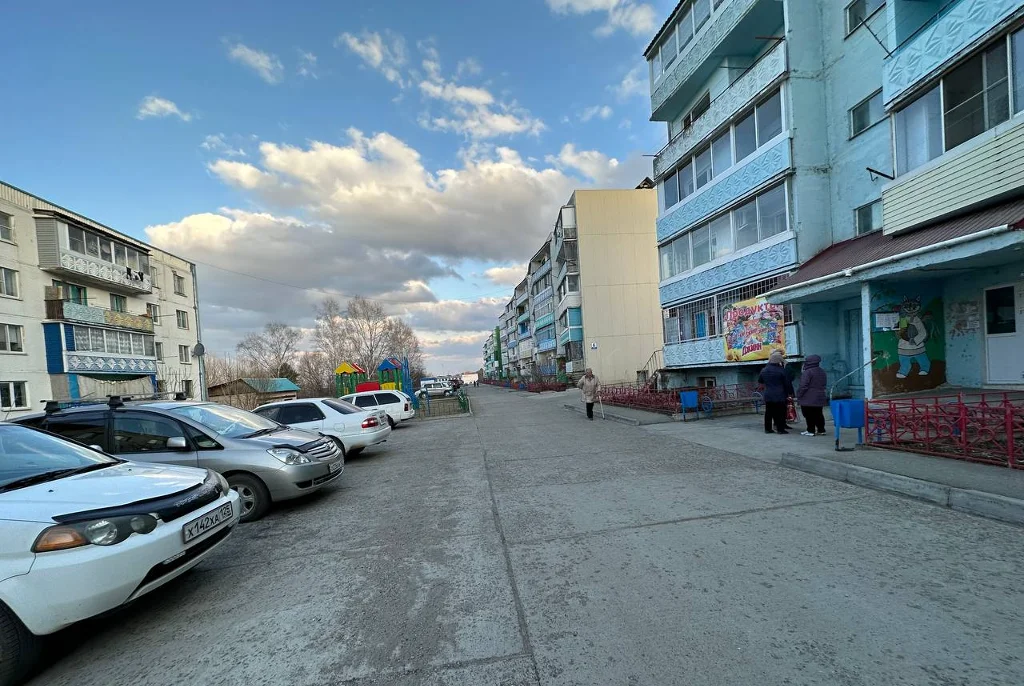
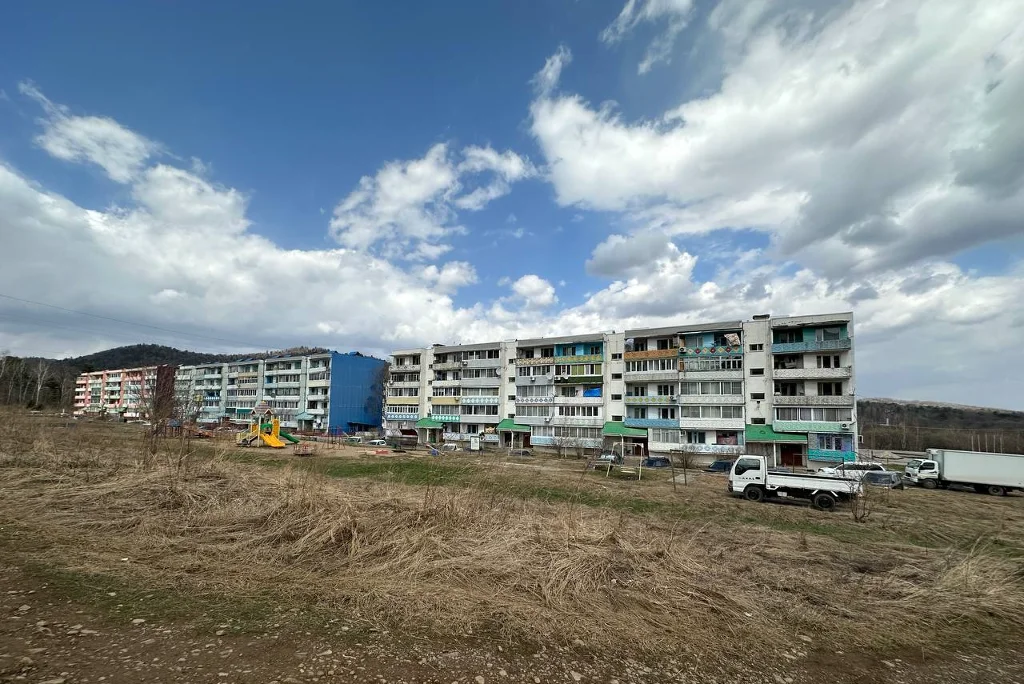
Svetlogic is pretty. A hostel and 11 neat five -story buildings with slightly worn out cartoon heroes at the entrances to the porches contrast with a pair of abandans - here domestic genes with Cheburashka peacefully coexist with the overseas sponge Bob. Playgrounds with slides, swings, carousels. Behind them is dry grass, behind the grass - a forest. In the yards, concrete slabs are placed and Japanese cars are in a row. Almost every house has a small store with very high prices.
A spacious two -story school, where in some classes of students you can count on the fingers (girls say that this affects the level of education well - the teacher devotes time to everyone).
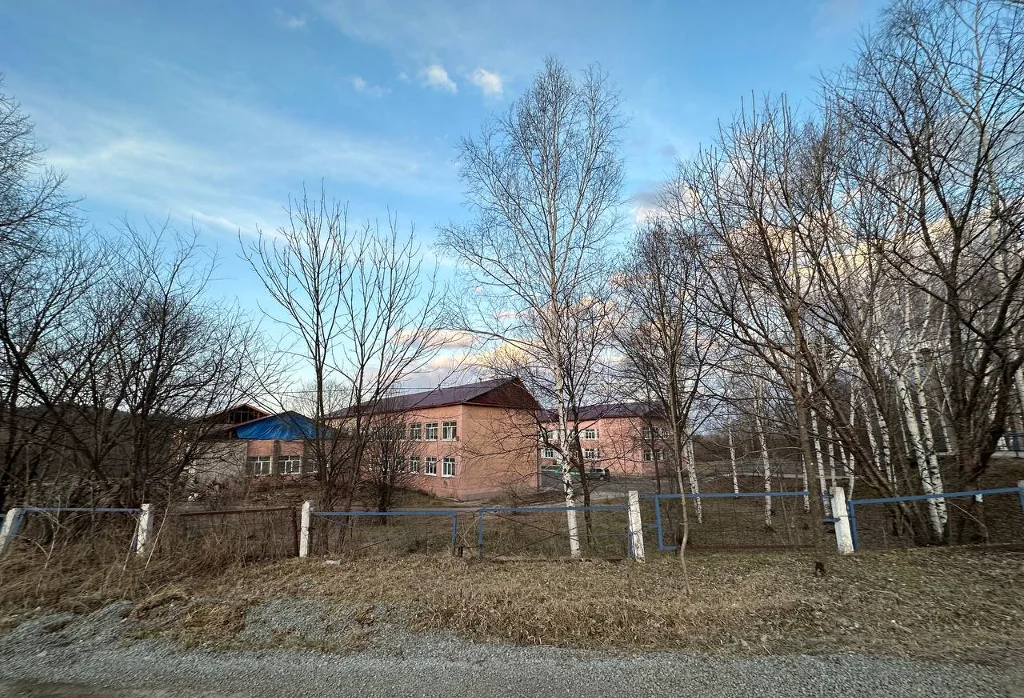
Although the average occupancy indicated officially is “15 people”. The fact is that in good years, the years in the village occurred of beta-booms.
The most lively of my guides, 15-year-old Alice, smiles: life here leaves its mark-greeting everyone. Even if someone does not know, for sure these are colleagues of parents or relatives of friends. Here is such a theory of five handshakes in Satlogorsk. Girls add: they will definitely find an occupation for their holidays. And even the next winter there are already plans - go to work on a ski route.
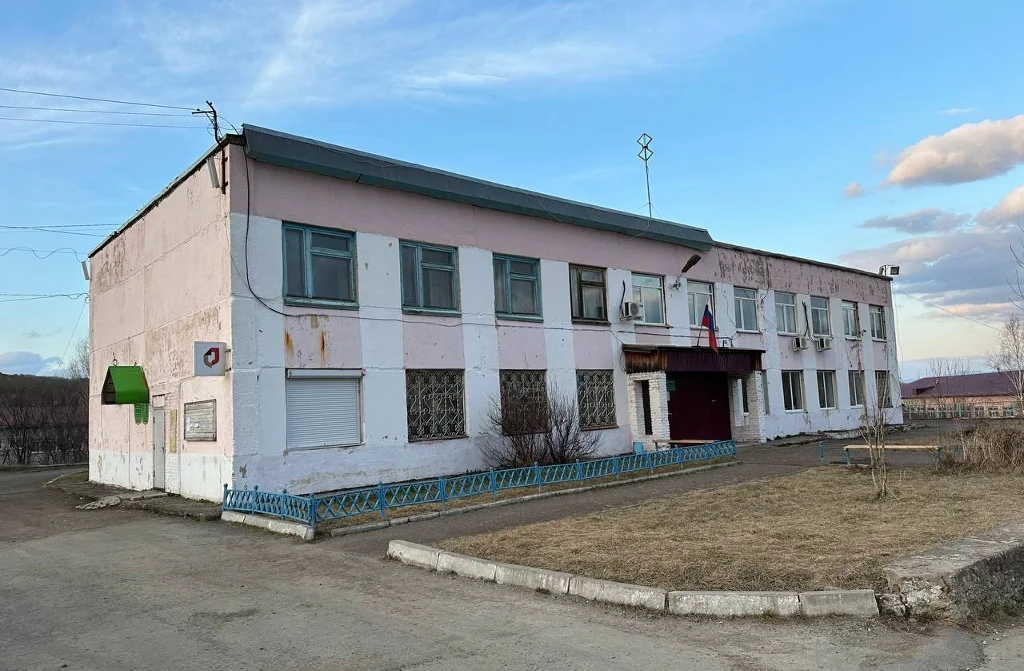
We reach the central square. Here, on May 9, traditionally a “candle of memory”, there are concerts. Near the square, a dull pink building of the local administration with a flag and bars on the windows of the first floor. In it - Sberbank, MFC, Chapel. A new church will open soon, inside there is already a decoration. The house of culture will be completed and handed over to the fall - the regional ministry announces solemnly: in the brick building there will be mugs, a dance studio, a scene and a hall for 101th place. So far, DC literally huddles in the administration building, people draw, sew costumes, sing, dance. This house of culture was promised to them for 30 years. Another question is that children are not added.
“When I retired three years ago,” Irina Fedorovna, former the head of the kindergarten, - sadly, “
There were 80 guys, and during this time there were two groups left, and 40 children would not be typed. The groups are mixed, nothing good. But we hope that there will still be something else.
Cones, hunting, fishing
Young women are talking near the store. Svetlana worked as a seller for 7 years, after the first decree she decided to go to GOK a fleet, until the last kept at the plant, and had to quit a month ago. He says that the work at the plant was glad. It was amazing and interesting - to remove the samples, to find out the percentage of concentrate in the ore. Yes, and the change is not until ten in the evening, as in trade, but to half of the third. Now she is again in one of the local grocery. And if it were not for the husband who works in the fire department and in the taiga (loads the timber trucks), three children would have to be raised very difficult.
In the Svetliye, life is expensive: in January-February, these are the coldest months, for a two-room apartment you have to lay out 10-12 thousand, the bulk is eating heating. Prices in stores are higher than even in Vladivostok.
But they give a loan. When GOK had the most difficult times, local entrepreneurs, working at a loss, literally saved the people.
Whoever asked - everyone in the Svetskoye likes it: quietly, calmly, comfortable. But there are not enough entertainment, especially for children and youth. Sveta dreams out loud: I would have to solve something with sports sections. She has three boys.
The Gemini Nikita and Danil come on a moped and let mom smell their hands - they found a tube of shaving foam and now smell delicious. By the way, they earned on the moped themselves: they went for bumps to the taiga (it begins right behind the outskirts).
In the season in the north of Primorye, cedar nuts become a breadwinner for thousands of people.
Officially, it can be collected here from October 15, but in fact, the excitement in the forest begins much earlier, even the green bump is rowing with tons, local and nonresident. Acceptance is traveling around the villages - they give, they say guys, one hundred rubles per kilo. The boys collected two or three bags a day. And this last year the price was low.
- The loops go to put on pheasants. They live! - proudly says Svetlana. - At 6 in the morning in the summer - they are no longer at home, fishing. They already do everything themselves: both welding and repair. In the garage is always with his father, their father teaches them. Two cottages - we sat on a walk -behind tractor, went, plowed themselves.
Watch
Women say that eight people mobilized, a couple of people left volunteers - maybe, of course, the men from mobilization saved the fact that most of the watch? They go to Magadan, Sakhalin, Kamchatka, Birobidzhan and Amurka - mainly for gold mining, but not only.
- We all treat the GOK poorly. There is no work in the Svetloga, and we go - all men - by artels.
I worked for nine years in Kamchatka at a gold mining plant. And where to work, show? - asks Andrei Tereshchenko. He just drank a little and tells himself with pleasure. In the Svetlogorye from the foundation, since 1985, he arrived in a five -year -old boy with his family. He graduated from school here, in Wrangel learned to the welder-priest and returned. He worked on the GOK with a solution of reagents, then in the boiler room. Now he wants to go to Magadan, also for gold.
If GOK had earned, Andrei would have returned.
- Yes, we want it to really work. And what? Families break up. Some women. Yes, and women are wound in watch, children are left for grandparents,-
Irina, a former Employee of the Chemical laboratory of GOK. I notice an unusual dialect-and really, it turns out that my interlocutor from the Ukrainian White Churches comes, and fell into the Far East in the 82nd year. Now in Ukraine there is only one sister, the connections are lost.
Irina's husband, Harry Nikolaevich, is an excavator and a driver with 23 years of experience. I went to the shifts in Amurzoloto, damaged my leg in production and cannot work more due to disability. Harry and Irina went to buy in a bikin, to the Ambar store. “Everything is almost for nothing” - the inscription on the package reads. “Almost” is 3,000 rubles. But in local stores it would be much more expensive. In their free time, pensioners work in the country. She helps out strongly - there was enough of her Luke all winter, only now it ended.
Albina is also an old -timer. I arrived in Svetliy in 1989-and remained. Until the last, she worked as a master in geophysical service.
- Our deposit is unique in that the ore can be half a percent and 25 percent. This is not anywhere else. The factory operates by 1%. And so we must bring it from 25 or 10% to one, ”Albina explains enthusiastically. She quit last November, when it became clear - the end. But even now, like many Svetlogors, and her hope is warm.
- Even there, everything remains in my booth: both overalls, and even the picture is unfinished. There are all my paintings.
Albine 63, she is retired, but also by shifts - 1.5 after 1.5 in the Amur Region.
- Yes, the normal conditions are for women, everything is fine ... Now, here I have an interwar rest. I'll go only after May 20. Yes, the pension is small. And my daughter is studying, still a student. I am a late mom ...
Mountain GOP company
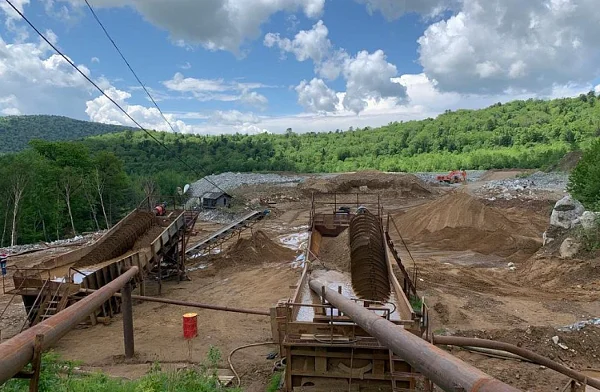
Founded in 1985, the Svetlologiy has always been a single-industry towns at the Lermontov Mining and Processing Plant, where since 1987 they have been extracted and processed (more precisely, they mined and processed) tungsten. By Primorsky standards, a large village - even in the zero there lived more than 1,600 people. The ores were almost gone in 2016, but the problems began much earlier.
In total, they write NEDRADV.ru, on the Square of the Lermontovskoye Deposit 11 ore deposits. This is the central (the “central” quarry with a length of 480 meters only on the surface, there are more than 75% of all ore reserves), youth, friendly, noroshka, lower, blind, north-west, scarlet, sadko, petal, nuts. In small deposits, as evidenced by coastal geologists, a very high tungsten content per ton of ore. Along the way, deposits of gold, silver, copper, albeit small ones, go with tungsten.
Things on the GOK and in the village went well until the 90s came.
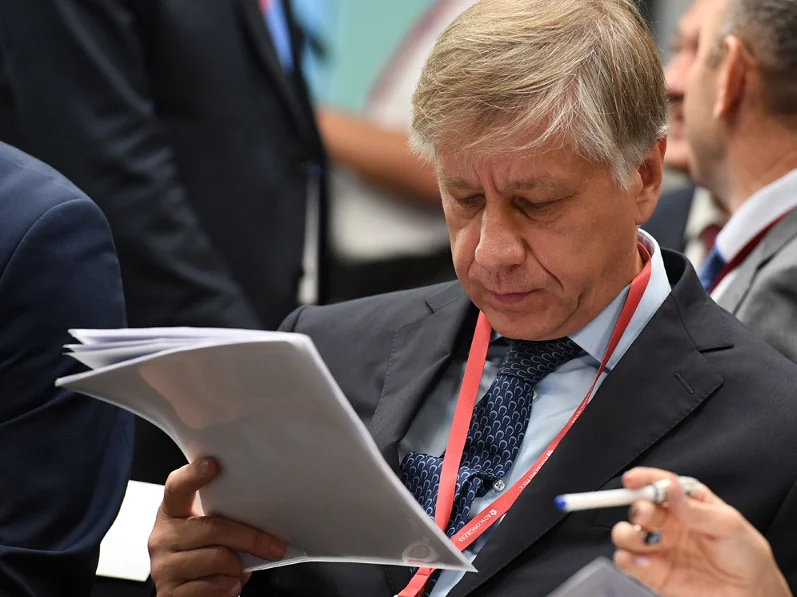
Then the labor collective sold its shares, and the Lermontov Mining Company went bankrupt by 2004. Then the company leased the Criminal Code of the GMC Dalpolmetall from Dalnegorsk. It was headed by a State Duma deputy from the Primorsky "Severov" Vasily Usoltsev , later he will become the first vice-governor of Primorye. And even later, he will receive a conditional term for the sale (during the deputy and bureaucratic work) of the Farpolometall shares, the withdrawal of money, including through offshore, bypassing declarations.
“Dalpolmetall” the old -timers of the enterprise never remembered good. The largest quarry, the “central”, was elementarily processed incorrectly, without maintaining the applied technology. With dumps, half a career was bombarded, leaving a great many ore on the sides. Let not the best veins buried, but if the quarry is completely damped, remove the dumps, under them the ores are enough for some time.
Over a year with a small Dalpolmetal, the enterprise put the enterprise again, increasing the payables by 584 million rubles by concluding obviously disadvantageous transactions for the polo.
But in the dug hole, it just happened, Usolsev himself hit. The scheme turned out to be magnificent in its meanness.
When the tax service put up the property of the Lermontov Mountain Railway Company for auction, the purchase seemed to be made by Dalpolmetal.
In order to actually receive the property of the enterprise for a penny and develop deposits already on the rights of the owner.
But then a call entered the police: they say, a premises in the Svetlogue, where an auction was prescribed, was mined. The bidding decision was made instantly: not to transfer the procedure in time, but to transfer in place. “Dalpolmetall” did not have time to Vladivostok. And the property of Lermontovka (of course, by accident) for some 104.9 million rubles was bought by the company Vist-Avo Center. Autodiler from Moscow. Which later in front of the amazed public was renamed the Russian Tolfram LLC and changed the main activity. And which is still the owner, being in the bankruptcy stage.
The transaction was recognized by the pure arbitration court of the Primorsky Territory, although there were enough people who wish to challenge it: the Federal Tax Service, which was owed by the mountain-solid company and other buyers (Usoltsev).
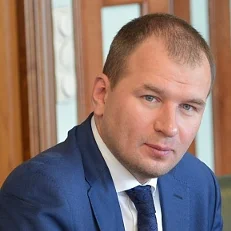
Ligok was led by an interesting character at the end of the zero - Anton Rodionov , Muscovite. Later he will become the director of the Investment Agency of the Primorsky Territory. But by 2008 he will bring the enterprise to the handle. The factory will stop.
The media wrote how people sitting without a salary of 8 months, by the summer of 2009, literally ate potato cleaning, announce a hunger strike and even about to overwhelm the federal highway.
All this, frankly, successfully supervised the situation with the Pikilevo single -born in the Leningrad region, where Putin himself came to talk with the workers. The president, of course, did not reach the Svetlologiy - far away. But the then governor Sergei Darkin arrived, brought a whole retinue of responsible officials and solved the problems of GOK literally manually, allocating two million from the regional budget to employees for salaries and free tickets to children's camps.
Rodionov himself, however, did not consider himself guilty. This is how he explained the reasons for the non -payment in an interview with the competitor newspaper in 2010:
“Because in the fall of 2008 the global crisis erupted, which resulted in a catastrophic fall in the prices for tungsten products. In addition, in February 2009, Rosnedra unlawfully withdrew the license for the use of subsoil. From the moment of recall of the license, wages were not paid, since it seemed impossible to finance a mining enterprise without a license. ”
And then Governor Darkin made Solomonov. There was no profile enterprise, who wants to drag a hippo from a swamp and hang on themselves all courts, debts and billion costs. Despite the fact that the owner of the Russian Tolfram was and remains, the management company LGOK was appointed Primteploenergo - this is a regional unitary enterprise created in zero for working with boiler rooms and electric networks of cities and regions of the region. Which, by the way, then also successfully won a license to develop the Lermontovskoye field (yes, the “Russian tungsten” tried to appeal this in court) and even the beginning of the “north-west” career was revealed. The factory and the village raised. The owner was content with 10% of profit and a fee for renting property.
It is unlikely that anyone in the Svetliye was delighted that for 14 years the company was managed by a company that has been managing a company that has slightly less than no relation to this industry. However, we must pay tribute - the people in Primteploenergo are not spitting. Through the enterprise there were regional money, subsidies and loans.
But the biggest problem has not gone away - exploration.
New Vasyuki
In 2016, the ore began to end, the plant stopped, 160 out of 300 employees were sent to the forced simple - 2/3 of the already small salaries (the average salary for the enterprise was then 25 thousand). People still complained: they would have kicked it out in the summer, even if they had interrupted with dachas and gardens ...
The regional authorities suggested going to the masters of manicure, cooks, personal computer operators, accountants, business managers. The “manicure valley” of the Svetlogy was never there, although a dozen people and went to study.
And most importantly - large deposits with the ore of the first grade were developed, the "hole" and "blind" (the last unfrozen) remained. The rest was incredved - neither the state nor the real owner reached their hands. Or there was not enough money. People began to quit and went to the shifts. Immediately, recruiters arrived from other plants.
Whatever they promised the Svetlologiy during this time. They tried to produce furniture shields, veneer, fuel pallets for boiler houses and crushed stone for Primavtodor, to open a forest reed -designed enterprise (unsuccessfully).
Rodionov even talked about the industrial park with miracle laboratories and the recreational and sports complex, and the project allegedly even issued the Monograd Development Fund (guess where this project is?).
The regional budget threw money to the enterprise, the issue of the concentrate either stopped, then resumed. The ministers came, praised the team, talked about brilliant plans.
Goku promised a new investor several times. The current governor Oleg Kozhemyako even brought to “wing” the president of the Wolfram company Mikhail Gorbachev, and he even showed interest at a meeting with the team, and the company even won the auction to develop the Rubezhnoye field. And all. No one goes to bidding.
The Russian tungsten is bankrupt, trying to request 178 million in the courts of Lermontov GOK under the lease agreements with interest. Параллельно банкротится сам ЛГОК.
Теперь уже никто торжественно не вещает про великие планы, потому что ГОК — все. Чиновники из администрации округа с прокуратурой и представителями Центра занятости несколько раз проводили на предприятии консультации, в том числе и по возможности трудоустройства на «Лучегорский угольный разрез» и на Приморскую ГРЭС.
По данным местной администрации, доля промышленного производства ООО «Лермонтовский ГОК» в общем валовом объеме по предприятиям округа составляет менее 1% из 20 с лишним миллиардов рублей. В 2022 году предприятие заплатило в местный бюджет 3,5 млн рублей налогов — это 0,8% доходов муниципальной казны.
Сколько ты сможешь купить?
С 2006 по 2010 годы, в самые тяжелые для Светлогорья времена, Александр Тююшев работал главой села. А потом вместе с партнерами организовал горнолыжку на сопках прямо здесь же, в сотне метров. Каждый новый губернатор обещает на ее базе мощно развить туризм. Но на деле правительство края поддерживает в основном более крупную трассу в Арсеньеве. По больше части в Светлогорье едут хабаровчане (им просто ближе).
Бизнес сезонный, открыта трасса только по выходным и праздникам, в будни нет трафика. В итоге 40 зимних дней год кормят. Впрочем, горнолыжка — один из немногих живых бизнесов (кроме магазинов, конечно) в селе.
Неочевидный минус от закрытия ГОКа есть даже здесь — раньше можно было арендовать у предприятия технику для уборки, расширения или выравнивания трасс.
— В 90-е годы стратегический запас вольфрама, который хранился в Челябинске, распродали под ноль. Кто-то получил допуск к границе, кто-то — к концентрату; цепочка срослась. В том числе поэтому мы в 90-е годы провалились в эту яму — цена на концентрат резко упала в связи с выбросом 2000 тонн концентрата в год, — вспоминает Александр Тююшев. — Разные организации довели ГОК до банкротства и, по сути дела, грабанули. Потом пришли москвичи, тоже не дали возможности работать. Потом передали «Примтеплоэнерго» — ему не было смысла развиваться на арендованном имуществе.
В 2009-м не пошли на радикальные меры, не перевели предприятие в государственную собственность, не дали возможность разведать соседние залежи. Или, может, собственник не захотел отдавать.
Александр Тююшев в Светлогорье с 1986 года. 18 лет отработал в геофизической службе, занимался анализом содержания руды: от разведки до получения концентрата. Увольнялся уже в 2004-м с поста начальника геофизической службы, которую составляли 25 специалистов (геофизики обслуживали все цеха — геологоразведку, горный, фабрику как на входе, так и на получении концентрата; вся цепочка была в их ведении). Тогда «лермонтовку» только отдали «Дальполиметаллу», и эти времена старожилы вспоминают с тяжелым чувством.
— Начался грабеж, — спокойно объясняет Тююшев. — По сути, смысла не было работать. Не делал вскрышу, ничего, он просто выработал все возможные условия.
Как геофизик, Тююшев рассказывает: руда была богатая. Месторождение являлось одним из крупнейших по содержанию вольфрама в России.
— Раньше геологоразведочные службы проводили работы за счет налогов, которые платили предприятия. Затем все легло на частников, которые, заходя на месторождение или рудопроявление, получали в определенной степени преимущества на дальнейшую разработку. Но в это же нужно вкладываться. По запасам ГОК отработал почти 40 лет — и люди просто не решились заходить на малые месторождения. Конечно, дорого: получить разрешение, пробить дорогу не меньше десяти километров по лесу, провести туда электроэнергию, потом выполнить доразведку. Пробурить скважины, определить содержание, распределить объемы вскрышных работ, все посчитать.
Разведка тебе говорит, что работать четыре года, допустим. И уже задумываешься: строить фабрику или карьер или лучше бросить, передав запасы стране?
В 90-е, вспоминает Александр Тююшев, горнорудные предприятия в России почти вымерли. Не стало рынка сбыта вольфрама, цены катастрофически упали.
— Тырнаузский ГОК [в Кабардино-Балкарии] просто встал. Остались только мы и Приморский ГОК в поселке Восток Красноармейского района. Те остановились на три года, а мы эти три года отработали. Но выработали, по сути дела, самые богатые руды — спустили за бесценок большие запасы, — говорит Тююшев. — Не могу сказать, сколько вольфрама в год необходимо стране. Но есть одна неприятность. Раньше нам хватало наших 5–7% от мировых запасов. А 90% вольфрама в Китае. Уменьшишь добычу — придется покупать у соседей. Сколько ты сможешь купить и в какой момент тебе прекратят продавать? Может, стоит задуматься над этим вопросом?
…И другие проблемы
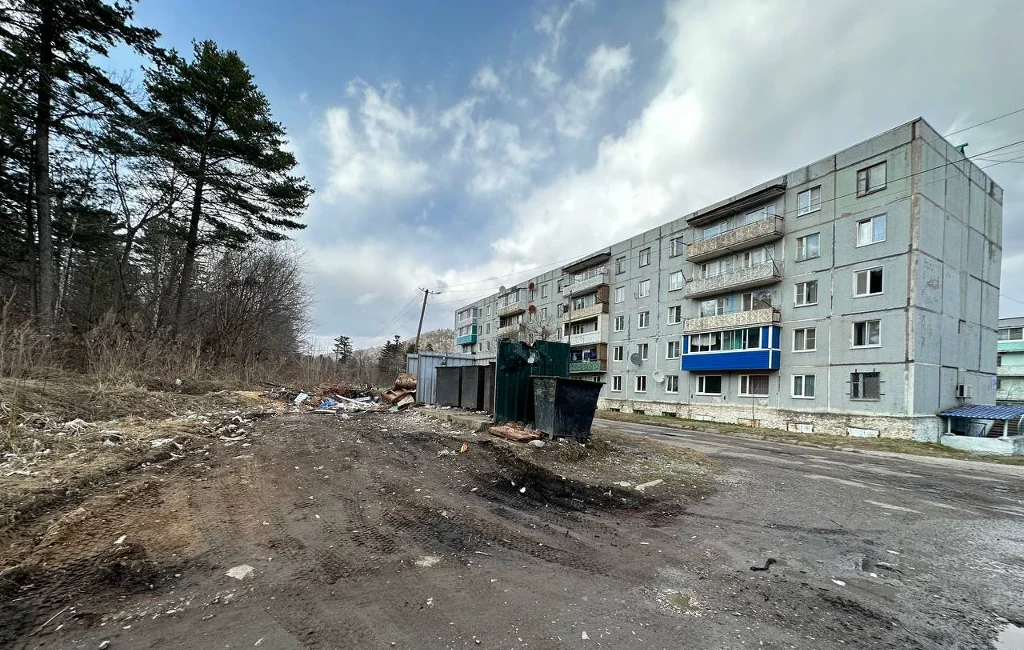
У кого ни спроси, все твердят, что беда Светлогорья (кроме закрытия ГОКа) — это мусор. Раньше неподалеку был маленький собственный полигон. Машины ЖКХ ежедневно в определенное время собирали мусор непосредственно с домов (люди выходили и сами выносили). После начала мусорной реформы поставили открытые контейнеры, и теперь по всему Светлогорью объедки и пакеты разносит сильный ветер и разбрасывают птицы.
— Во-первых, нужно котельную починить, чтобы не было перебоев с горячей водой. Во-вторых — озеро облагородить. Организовать вывоз мусора, обновить пляж, подсыпать песка, пригнать технику,
— электромонтер Илья рассказывает о Светлогорье с любовью и толком, словно прямо сейчас готов держать ответ перед президентом. — Но прежде всего дорогу на поселок починить. К дачным участкам за озером тоже дорога очень похабная, многие свою землю даже побросали.
Зимой, когда дорога леденеет, даже рейсовый автобус порой ехать отказывается.
Проблемы и с дорогой на муниципальное сельское кладбище — зимой сильно заносит. Еще из специфических местных проблем — чиновники не могут выделить границы сельского поселения. Соответственно, люди не могут взять землю под программу «Дальневосточный гектар» — а на интерактивной карте вообще светились зеленым границы вокруг детского сада и стадиона. А вокруг самого села участки значились в собственности лесного фонда, хоть леса там и нет.
— Но, я считаю, в Светлогорье есть смысл инвестировать, — рассуждает Илья. — Здесь можно развивать туристические маршруты, много красивых мест. На базе горнолыжки — организовать мотопутешествия, трассы для квадроциклов. Почему здесь выгодно развивать производство? Допустим, у нас есть подстанция мощностью 12 мегаватт — много свободной электроэнергии. Железнодорожная станция от нас в 20 километрах, это тоже немаловажно. Газ — тоже недалеко. Вода есть, котельная у нас промышленная. Комбинат стоит — и мощность позволяет что-то дополнительно присоединить. Тепло, электричество, логистика — все условия.
«Вопросы на самый верх»
— В стране (СВО) — а вольфрам не нужен. It is incomprehensible. Вопросов масса, вопросы на самый верх, Владимиру Владимировичу, — недовольно ворчит, отвечая на мой вопрос, один из прохожих. — Пусть найдут виновных!
— Плохо, что фабрика закрылась. Народ рабочий, а работать негде. А так у нас все нормально, — говорит Галина Константиновна. У нее мобилизовали 28-летнего внука, он теперь иногда пишет с Донбасса, что жив. Пенсия — 12 тысяч, дают субсидию, чтобы хватало за ЖКХ заплатить. Но она не жалуется.
И ее подруга Любовь Григорьевна тоже не жалуется: по местным меркам она ближе к «пенсионным олигархам» — платят 16 600, таким богачам субсидия не положена.
Under the text
Она из Забайкалья приехала на заре Светлогорья. Муж в подземке работал, сама в комбинатской столовой. Уволилась с ГОКа в 2009 году. Пошла на лесопилку (там платили; сейчас лесопилка закрылась). Благо детей трое, помогают. Сын с дочерью разъехались, еще один — по вахтам, как все, уже лет пять ездит под Биробиджан на фабрику.
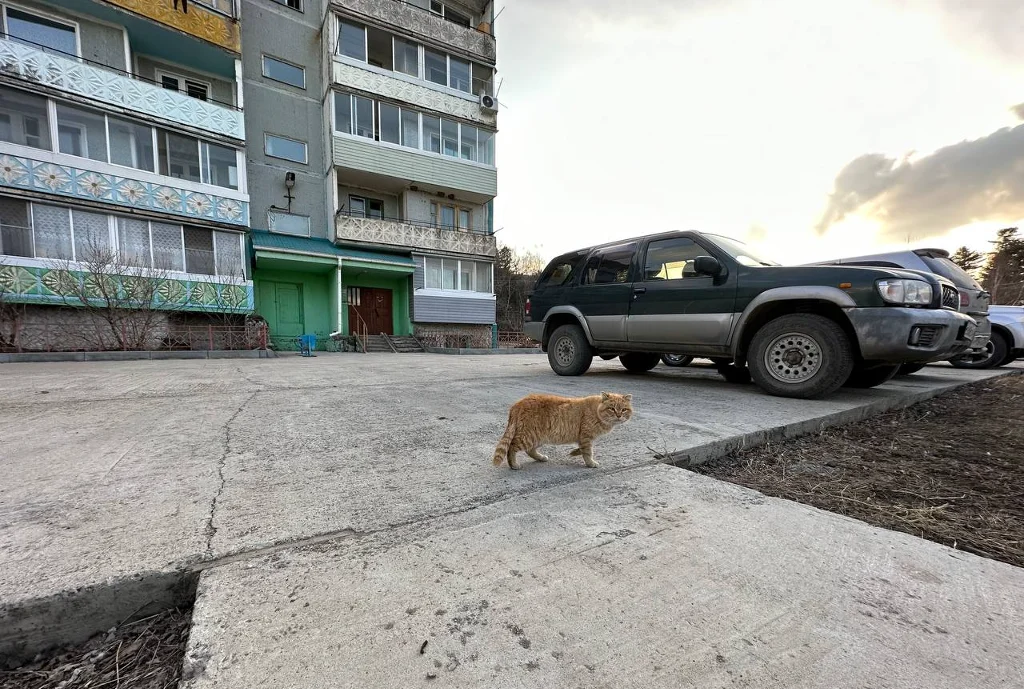
Но Любовь Григорьевна не унывает — подкармливает многочисленных бездомных кошек (собак, кстати, здесь почти нет), выходит на субботник и тоже надеется.
— Это наше светило было — и вдруг раз, погасло! Так у нас и снабжение хорошее, и клуб какой построили! А хотят же еще вроде что-то запустить на отвальных песках? У нас такие спецы, из «г» делают конфетку! Брать пески и на отвальных столах… Там такое, ой — вон, они работали, бедные девчонки, — волнуется Наталья Васильевна, тоже пенсионерка. Она приехала в Светлогорье в 36 лет. — Ну как так? Tungsten! Это же первое, что надо в оборонном производстве. Видимо, до Путина не доходит?
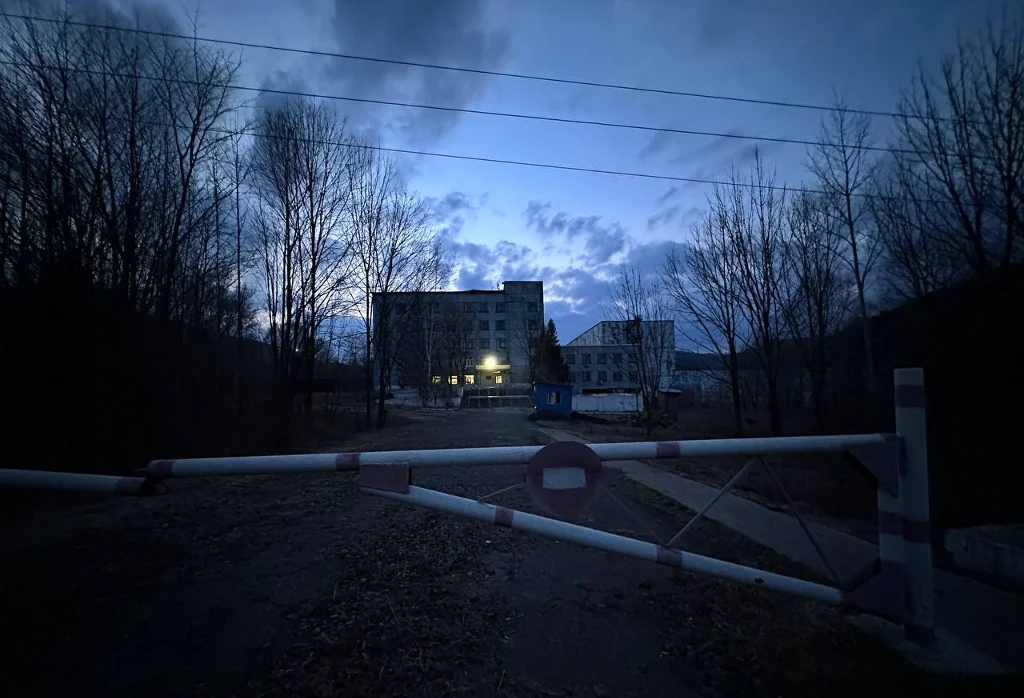
Сам «Лермонтовский ГОК» находится в полукилометре от села. Вечерами на первом этаже горит свет. Если подойти поближе к решетке, залает собака — и к тебе выйдет беззлобный сторож-пенсионер. Последних работников с комбината уволят 23 мая.
Under the text
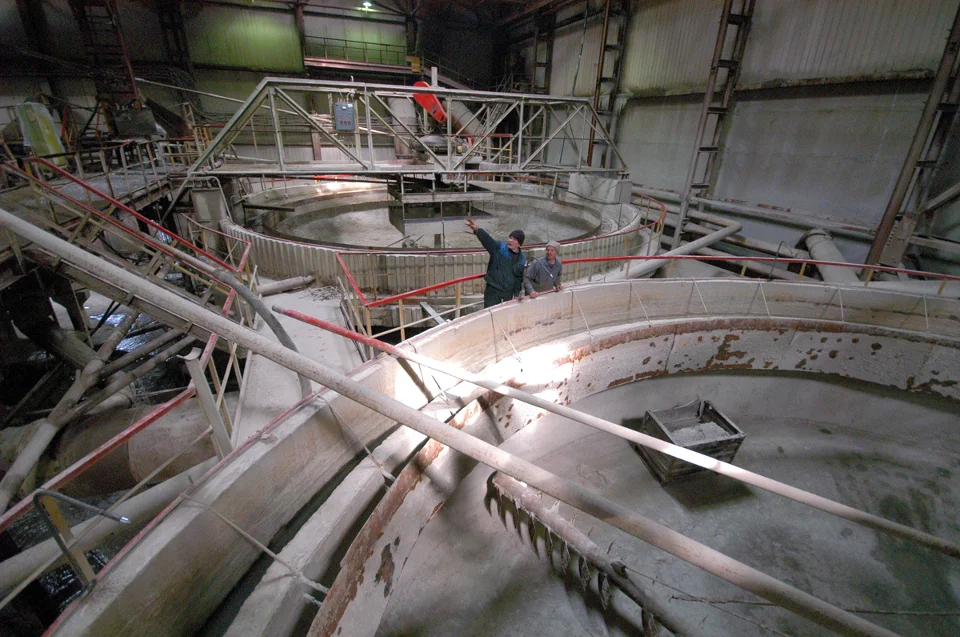
Процесс производства вольфрама примерно такой. Есть карьер, там открытым способом добывают руду. Из горного цеха куски руды шириной около 75 сантиметров и меньше привозят на фабрику. Там измельчают в муку. И извлекают вольфрам. Под воздействием воздуха и химических реактивов, которые тоже производят здесь же, вольфрам на флотомашинах поднимается в пену (собственно, название металла и переводится с немецкого как «волчья пена»). Его собирают и сгущают в специальных аппаратах, потом сушат. А отходы, вместе с реагентами, складируют в так называемое хвостовое хозяйство. Оно токсичное и охранять его надо тщательно. Если прорвет дамбу, хвосты загрязнят территорию.Стоит кило вольфрама сейчас около 2700 рублей. Но чистый вольфрам в Приморье не производят — только концентрат. Его уже продают на металлургические заводы. Вольфрам содержится в инструментальной стали. Из него делают медицинские инструменты. Раньше изготавливали нити накаливания для электрических лампочек, сейчас технологии изменились. Электроды для сварки, нагревательные элементы в высокотемпературных печах, электроконтакты, особо износостойкие детали. Применяется этот металл в авиа- и машиностроении. И для производства танковой брони, оболочек торпед, боеприпасов. Вообще в военной промышленности.