Translated material
Short
Let the prisoners go 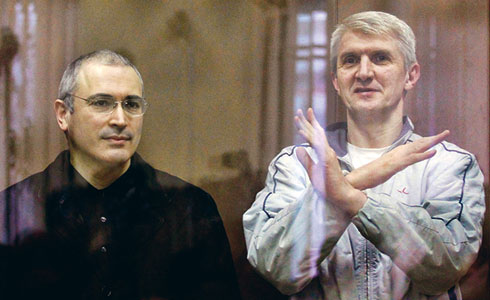
A crafty figure
44% of Russians, the State Sociological Service of the VTsIOM reports, are sure that the results of the presidential election are reliable and correspond to the will of voters. This point of view is primarily adhere to those who themselves voted for Putin. Another 34% believe that “there could be minor fraud that did not affect the results of the vote”, that is, the voices were stolen, and how much - God knows him. 14% believe that the results should not be trusted. It is curious that in 2004 and 2008, the percentage of those who, according to state socialists, trusted the results of the “wizard of Churov”, was higher - 53%, and this figure is the same for the second presidential election of Putin and the first Medvedev. Which, from the point of view of sociology, is almost unbelievable. And one more interesting detail: if in April 2004 the Putin approval index, according to Levada Center sociologists, was 60 points, four years later, 50 years, then on the eve of the current elections it amounted to only 31 points. In other words, a negative trend in relation to the elected president is stable and consistent. But this did not stop him from winning the first round.
"White" billionaires became larger 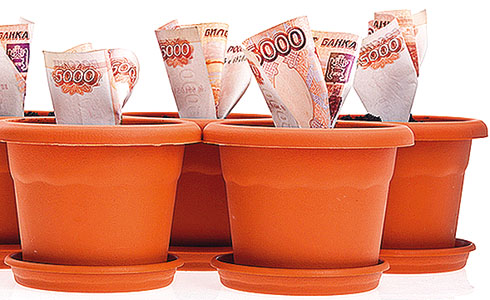
EU: "In favor of one candidate"
The European parliament in its resolution of March 15 condemned shortcomings and violations during the preparation and holding of the presidential elections in Russia on March 4: “The parliament regrets that the choice of voters was limited during the recent elections, and requires a comprehensive analysis of all violations,” the resolution says. EU also noted that, according to observers from the OSCE and the Council of Europe, the presidential elections in Russia “were seriously distorted in favor of one candidate due to deficiencies in the rules of registration, unequal coverage in the media and the use of state resources in favor of one candidate.” Neither the current president, nor the elected in any way to the statement of European parliamentarians reacted. The head of the CEC also said nothing. Only Alexei Pushkov reacted, the head of the State Duma Committee on International Affairs, who called this resolution “hostile”: “In the resolution, the intention to impose his will obviously in the resolution,” he said.
Shock and mourning