Translated material
Without protection
Is the Russian state capable of ensuring the safety of its citizens?
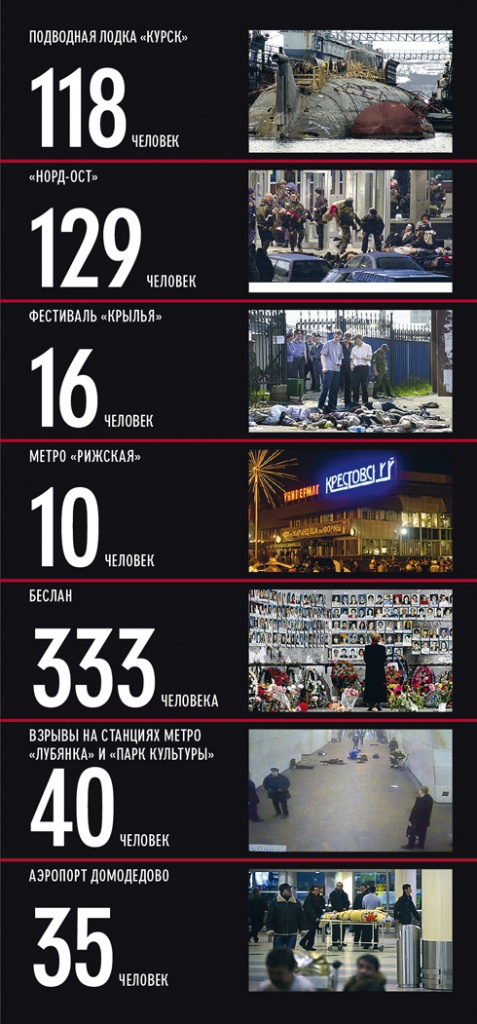
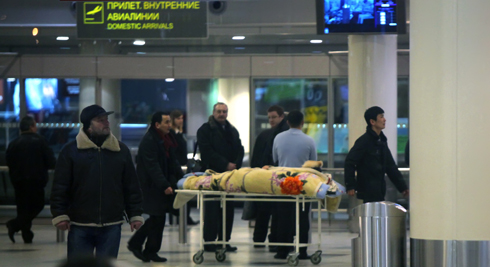
11 years ago, September 24, 1999, Vladimir Putin promised: “To pursue terrorists everywhere. At the airport - at the airport. We’ll catch in the toilet, we will soak them in the toilet. ” Then, after the explosions of residential buildings on Guryanov Street and Kashirskoye Shosse, Putin was believed, on the eve of this performance, September 23, Russian aircraft inflicted missile and bombing at the oil refinery, the airport and the suburbs of Grozny. The second Chechen campaign began, which ascended Putin at the Olympus of the Russian authorities, from which he did not want to leave for 10 years in a row. For this decade, much has forgiven him: the rating of the national leader held on record heights contrary to the Kursk disaster, the Nord-Ost terrorist attack, the deaths of hundreds of children in Beslan. It was forgiven that explosions on the streets of Moscow, in the metro, in the Russian sky, became something ordinary. They did not notice the words that the country was saved in the “zero”, although statistics show that in the “dashing” 90s, the attacks took much fewer lives (p. 24). It is symbolic that after 11 years it was at the airport that an explosion thundered, which became the largest in the history of all terrorist attacks at the airports of the world. It is symbolic that none of the major officials again lost their seats, and only middle managers were resigned. It is symbolic that there are more louder talk that the next tragedy could not be militants, who did not take responsibility for undermining the airport, but almost Russian special services.