
Translated material
What to listen to in October

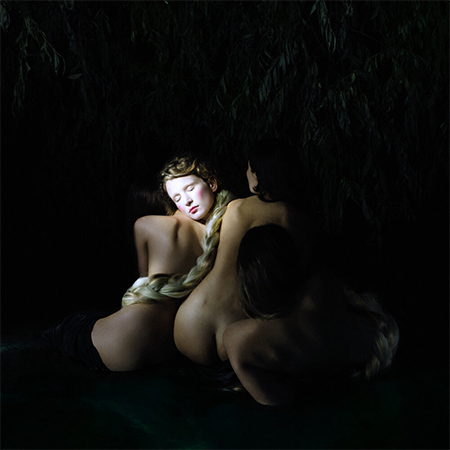 1. Monetka "Decorative and Applied Art"
The new album of Elizabeth Gyrdimova is an example of interesting work with listener expectations. “Coloring for adults” turned out to be such a rich thing that, according to the results, the performer scooped up a variety of groups of listeners in an armful, joyfully hung a whole set of roles contrary to each other. On the “decorative and applied art”, Elizabeth is resourcefully slipping out of many of them-for example, from the role of the official singer Tsaitgayst. In accordance with the name of the album, deliberately belittling the potential pathos of the whole event, there is no finding socio-ironic generalizations or memorial lines that claim to be an accidental portrait of the generation. Instead, the coin focuses on a careful study of more private stories - he studies the intricacies of family life from the position of an observant child, is used in the past times, and the clarity of childhood, contrasted with the muddy security of urban adulthood. The album breaks up into stories, each seems to be about its own, which is additionally emphasized by entertaining work with sound. Together with Vitya Isaev, a coin on the new album enthusiastically plays the stage, entering into dialogue with a variety of forms of pop music . They reproduce Pugachevsky Pop and Emiuinhaus Soul, borrow the moves of blues and waltzes, disco and reggae, but at the same time emphasized by the sort of miniaturists, artists who do not write epic fabrics, but collecting alpine and sympathetic models using matches, paints and glue. It turns out such music in quotation marks, a postmodern game in a glorious past, through the varnishes of which it regularly brings through the infidelity of the actual present. The tsaytgayst here, in other words, is still , simply not in the form of generalizing declarations-it is pointily dissolved in the parade of witty private stories, pops up in sudden lines here and there in frivolous, in the first glance, songs, is invisibly, but significantly behind the back of songs with fantasies on how good and easily it was in some conditional “earlier”. As the author of Elizabeth, it becomes thinner and more resourceful - and does it so that many, who seemed to be happy to go to her side for her previous merits, new songs are taken by surprise. Both are the same cool news: a coin, it turns out, may well be even more interesting and unpredictable than we thought.