
Translated material
Feiscontal shot
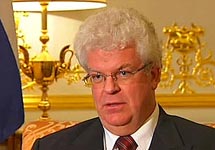
The permanent representative of Russia under the European Union Vladimir Chizhov is limited to access to the European Parliament. This was reported by Interfax with reference to the apparatus of the speaker of the European Parliament Martin Schulz.
TASS with reference to the press service of the EP clarifies that Chizhov "will be able to visit the European Parliament, but he will need to request a pass for every visit." As the agency explains, all diplomats accredited by the European Union have permanent passes that allow them to freely visit the EP during working hours. Schulz deprived of this pass and deprived Chizhov.
The same measure was adopted in relation to another Russian official, whose name was not specified in the Schulz apparatus.
In addition, the requests of deputies of the State Duma and members of the Federation Council for access to the European Parliament decided to consider in each individual case on an individual basis. Finally, the European Parliament suspends participation in the EU parliamentary cooperation committee - Russia.
All these sanctions were imposed in response to the adoption of the list of Russian citizens, which are prohibited from entering Russia. On May 30, Schulz noted that he had repeatedly asked Moscow to officially publish a black list and explain the reasons why each of the defendants got into it, but these requests were ignored.
"I once again urge the Russian authorities to ensure transparency of decisions in accordance with international norms and legal obligations, allowing the persons to be defendants in the list to exercise the right to defense and appeal," said the speaker of the BEP. He added that on June 1 he would meet with Chizhov and, in the event of an unsatisfactory answer, "will reserve the right to take the necessary response measures."
In the Communny of the Schulz apparatus, the introduction of sanctions was explained precisely by the refusal of Moscow to follow the appeals presented.
As the Finnish television and radio company YLE reported on May 30, 89 names are included in the Russian black list . Among his defendants is the former deputy prime minister of British Nick Klegg, ex-prime minister Belgium, deputy of the European Parliament Gerkhofstadt, former European Commissioner for EU EU Stefan Fule, French journalist Bernar-Henri Levy, member of the European Parliament from Finland Haidi Hautal, ex-chairman of the Sejm Lithuania and the former The Euro-deputy Vitautas Landsbergis, former deputy of the British Parliament Malcolm Rifkind, former vice-president of the European Parliament Scott McMillan, French left-wing politician Daniel Kon-Bendy.
On Monday, the German government demanded that Moscow clearly justify the ban on eight citizens of the country to enter Russia. “If someone wants to appeal the decision, then he should know why this list is included,” said the official representative of the German Foreign Ministry.
For his part, the press secretary of the department of the Federal Chancellor Steffen Zaberte expressed the hope that the inclusion of the Secretary of the Council of the European Union Uwe Corzepius will not affect his future work as an adviser to the German Chancellor Angel Merkel on European issues. Corzepius will take a position in the Merkel department, after the term of his authority in the EU Council expires at the end of June.
Meanwhile, Lithuania President Dalya Grybauskaite said she was proud of the inclusion of his adviser to Jovita in the blacklist of Moscow. "As far as I know, in this list - the most famous politicians in Europe. I can only rejoice that my adviser on foreign policy issues is also introduced into it along with such famous surnames," the president said. "This is a huge assessment."