
Translated material
08.08.08
How Georgia met the anniversary of the five -day war
On the day of the anniversary of the August war, all Georgia recalls the events that occurred 10 years ago, not forgotten by anyone and left the mark on everyone's memory. In a number of cities, the memory of the dead was honored. Both military and journalists.
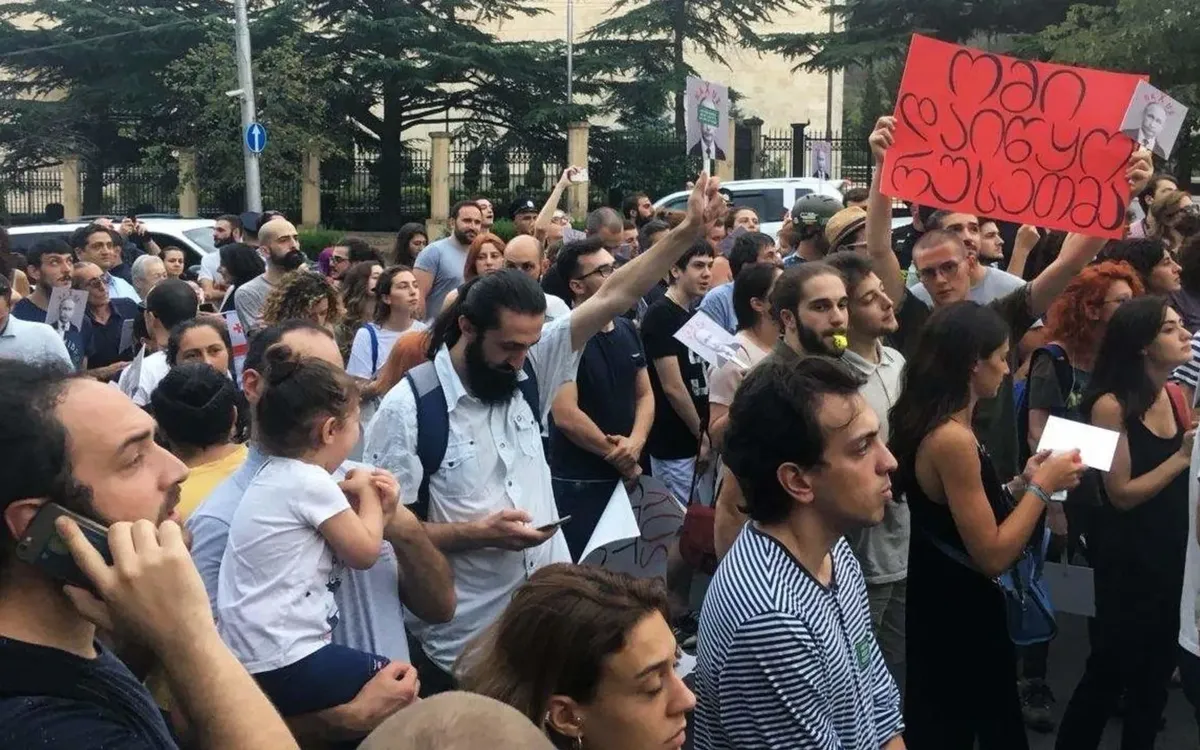
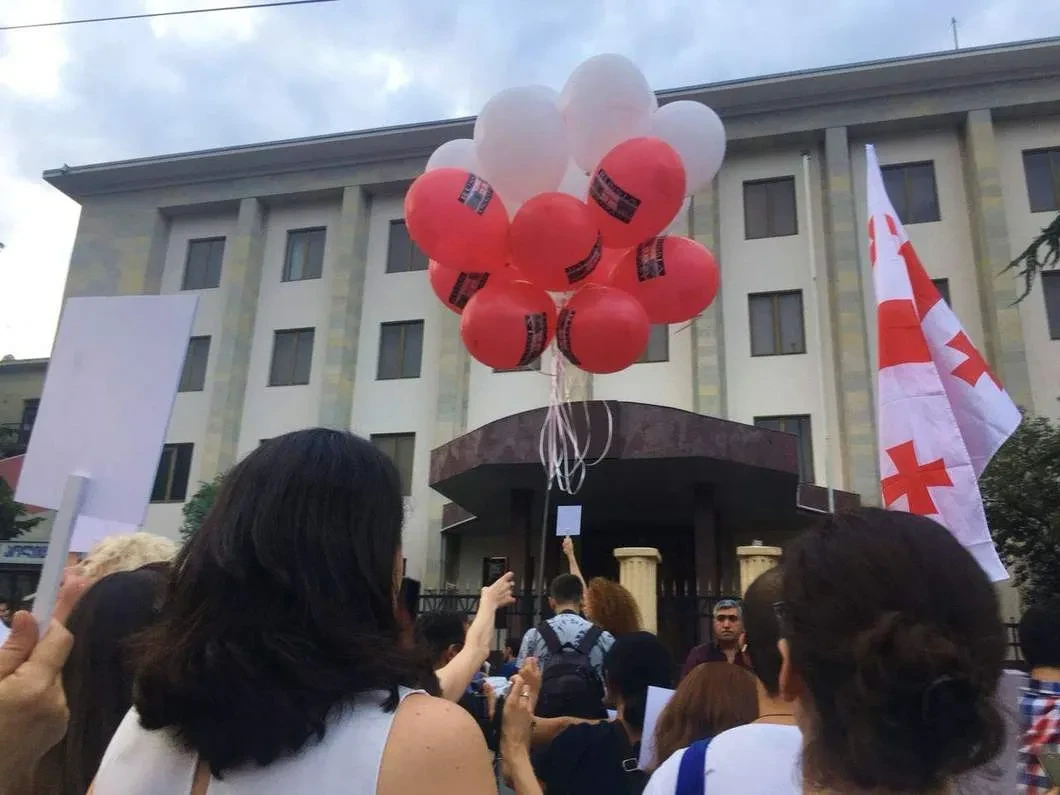
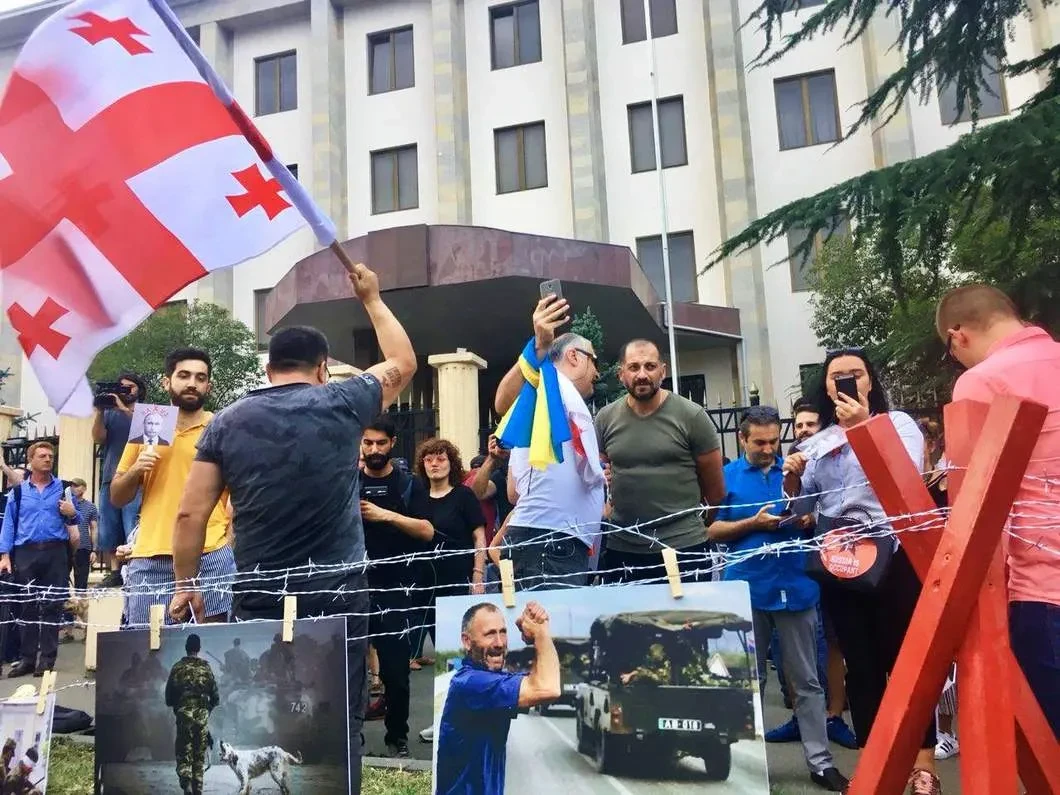
In Tbilisi yesterday, a protest was held against the occupation. Opposite the former Russian embassy, several hundred people gathered, a symbolic barbed wire was stretched, on which the terrible frames of a five -day war, which claimed the life of both military and civilians, destroying the house and entire villages, were stretched.
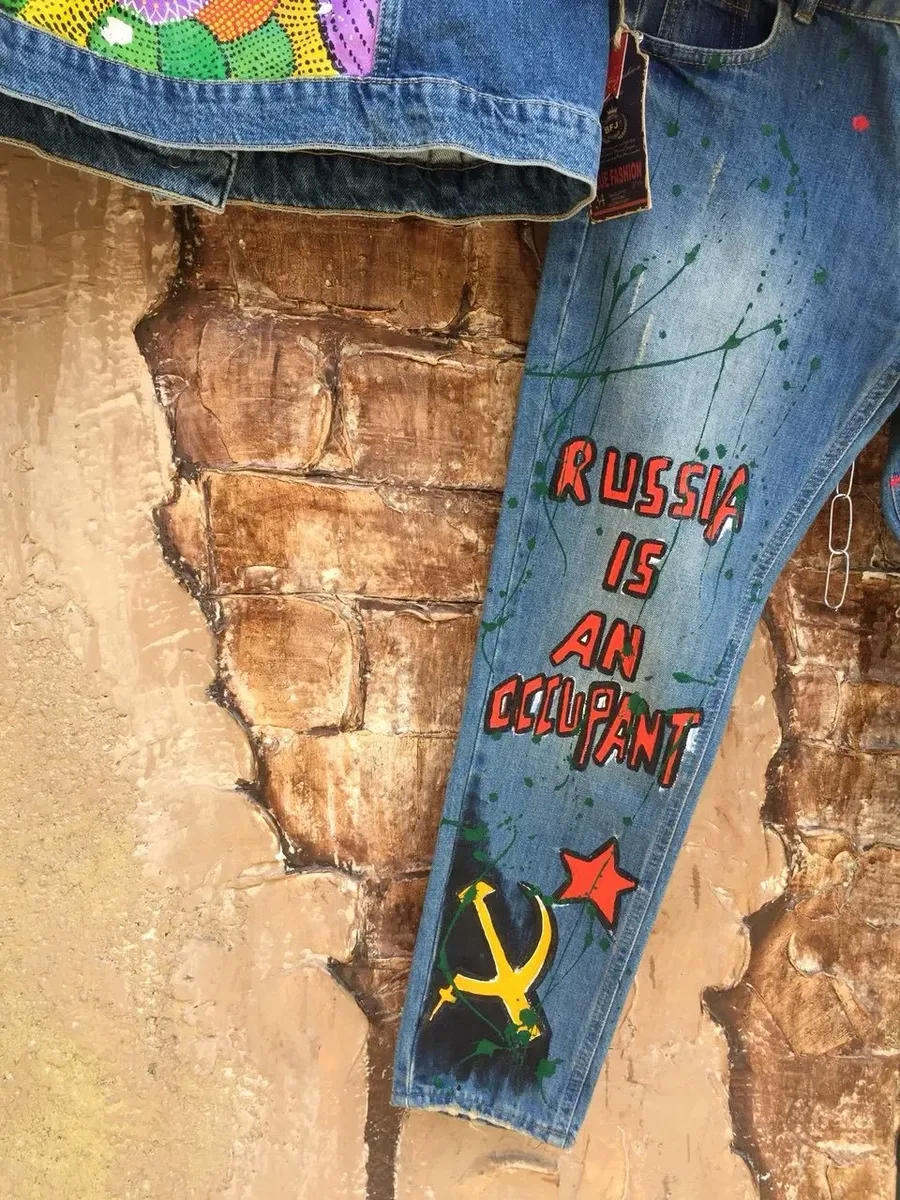
The demonstrators held in their hands the signs-signs with the image of the Russian president, each attached the sticker "I am from Georgia, and my country is occupied by Russia." Someone-glued to his hands, someone-on a T-shirt, an elderly woman-on a fan, a journalist-on camera. “Time does not heal the occupation”, “Vova, go home” - here are only some of the posts on the posters that the participants deployed. Young and older people, with children, even very small - everyone gathered on the street, neatly fenced by the police, overlapping the movement. The local group performed, then the time came the already famous action around the world with three billboards. “Russia kills”, “And no response actions?”, “How so?”
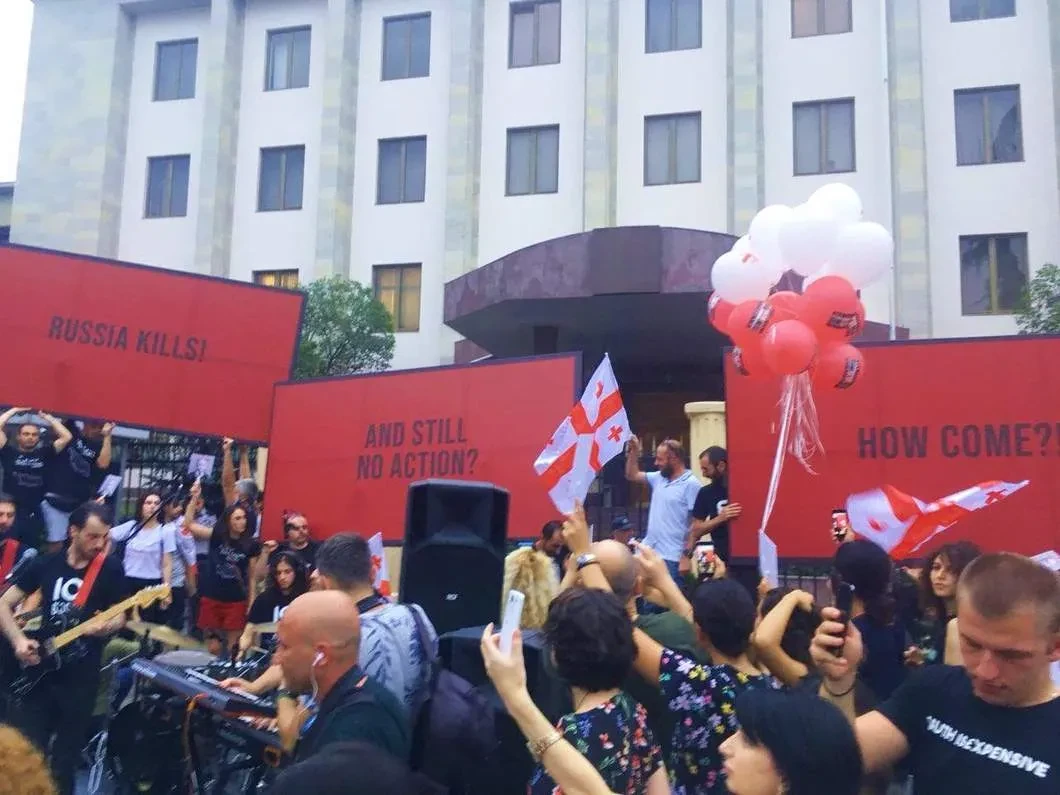
The protesters demanded to leave South Ossetia and Abkhazia, and return the captured 20 percent of the territory of Georgia.
The action was held on August 7, not the eighth, although this day is considered to be the beginning of the war. But it was on August 7 that the Ministry of Internal Affairs of Georgia announced the shelling of the village of Sujus, which, in turn, was recognized as a provocation and actually meant the beginning of hostilities.
Many who did not come, appeal to the fact that Russia will still not hear anything. But at the same time, everyone today is trying to maintain the hope that the occupied territories will still return to the state. Georgia will never reconcile with the fact that Abkhazia and South Ossetia are actually torn from her.
Of course, people share politics and human relations, but each person who comes from Russia should understand that ignorance of the history of the conflict does not mean that it does not exist. Fashionable among the Russian intelligentsia and the middle class, for someone, we will also be forced to “be outside politics”, “art outside politics”, it is equated with “I don't care”. But it cannot be anyway, it should not, otherwise there remains a purely consumer approach. Come to eat khinkali.
In the psychology of people living here, there is no such thing that cannot be changed, what cannot be argued with. This is a faith in the possibility of change.
“Why, if you like Georgia so much, can you change anything and make Russia leave?”
- Such a plan questions surpassed over and over again when the conversation between the Russian and Georgian goes a little further than beautiful attractions and delicious food.
In addition to rallies on August 7, the presentation of the photo fellalog was held - the exhibition of Dina Oganova and Saloma Benidze, dedicated to women who survived the August war. Different ages and life experience, different in profession, but united by one big tragedy that claimed the lives of their children, sisters, brothers, who destroyed them and forced them to leave their native places. They all look at the viewer with photos, eyes, in which, in spite of everything, a small spark of hope is on, that which helped them start all over again. “For some, it may seem that these are only 5 days of the war, but these days destroyed our life.” The next day, the exhibition moved to Gori.
Two more shares are organized in Ergneti, a village next to the border itself, almost under the root erased by Russian tanks. The project “08.08.08” - memoirs, stories of people who saw the war, an attempt aimed at showing that not only dry facts and statistics remained from the war, that this is the personal tragedy of every person who has passed through it. The Museum in Ergneti will also present a multimedia project of the photographer Taco Robakidze “Creeping Border”, which reflects how the war and subsequent events influenced the everyday life of people who actually live on the dividing line. After all, there are examples when the garden was half remained in Georgia, and half in the zone under the control of the Russian military.
From Tbilisi to the promotion in Ergneti, people drove on minibuses leaving the central square, drove to look along the other side of the barbed wire, while on this side. It’s impossible to do otherwise now.
Anna Sarukhanova , director - especially for "New"