
Translated material
Tuning "Dogs of War"
Amendments to the Law on Military Service legalize the participation of private armies in hostilities outside of Russia
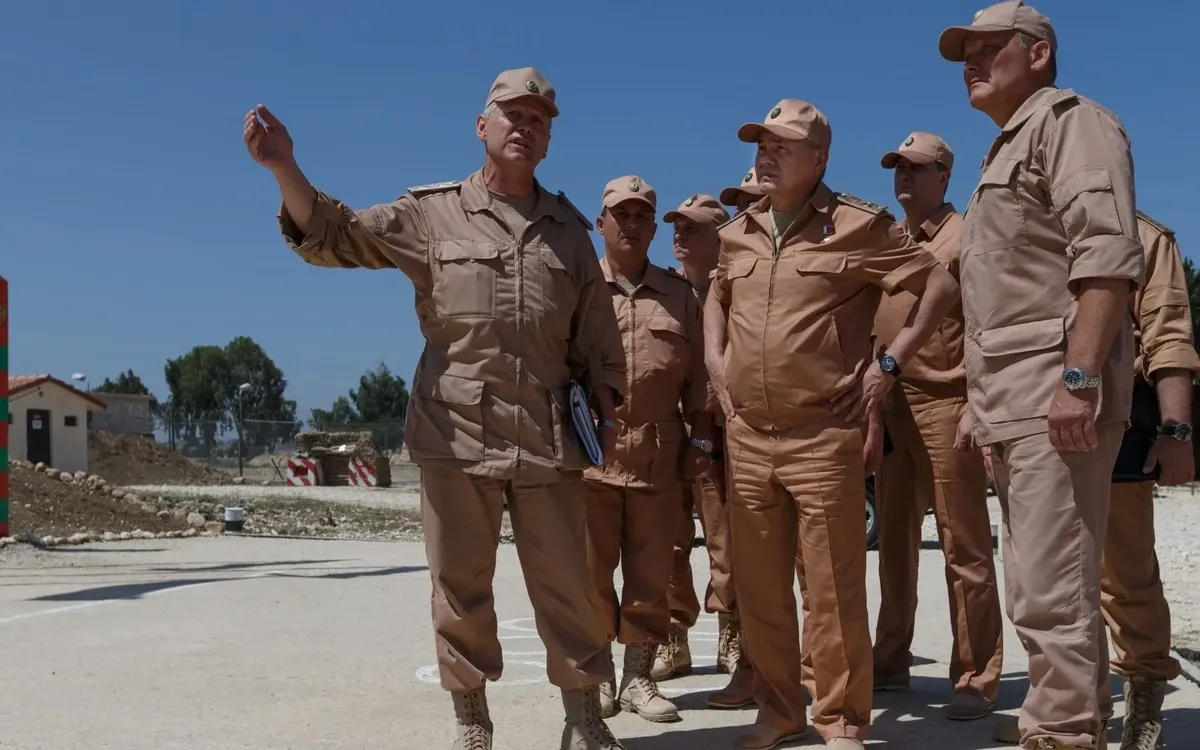
Recruits will not be sent to war. Neither in Syria nor other hot spots of the planet. Even if the conscript himself will rush to take part in real hostilities and write a report, they will be able to conclude a contract with him no earlier than a month before the end of the call service, that is, after 11 months of full preparation. This directly follows from the bill on amendments to the law “On Military Duty and Military Service”, which was submitted to the State Duma by the Russian government on October 13, 2016.
The experts interviewed by us believe that the government bill, which is already called the amendments “on short -term contracts”, is introduced to legalize the fighters of private military companies (PMCs) existing, for example, in the same Syria.
The bill provides that a contract may be concluded with a reserve for a period of up to one year to participate in operations to “suppress international terrorist activities outside the territory of Russia”.
This is exactly what is happening in Syria, where air strikes are formally applied to Russia, helping the government forces of Bashar al -Assad in conducting operations aimed at eliminating terrorists. If Russian military professionals - officers and warrant officers - participate in ground -based combat operations, then exclusively as instructors and advisers in the Syrian army units and units.
But besides the military personnel of the Russian army, ensuring the safety and vital activity of the Khmeimim air base in Lakakia, the marine base in Tartus, fighters of the ChKV also operate in Syria. However, they are involved in the hottest spots. For example, according to our information, PMC fighters participated in the unlocking of the Syrian air base of Kuwer near Aleppo, in the liberation of Palmyra, made diversion-reconnaissance raids in the enemy’s rear in the provinces of Deir Ezz, El-Cuner, Hama ...
According to various estimates, several thousand PMC fighters are fighting in Syria today. They do not advertise participation in the side of the Syrian government army, they do not go to contacts with journalists. And above all, because of their legal insecurity. Because (even working in the interests of the legitimate government) they fell into Syria by “roundabouts”, concluding a contract with companies registered in offshore jurisdictions. Yes, these contracts provide for insurance payments in case of injury or death, but these are still not state social guarantees.
If government amendments to the Law “On Military Duties and Military Service”, introduced to the State Duma on October 13, will be adopted, then the PMC fighters, after concluding contracts with the Ministry of Defense, will be equated to military military personnel. And this will greatly simplify the direction of volunteers to Syria. Including PMC fighters who are already acting in Russia.
The most famous of the PMC is the Wagner Group, which has several thousand fighters. But the Wagner Group is not the only Russian PMC.
For example, the PMC “RSB-Group”, created by retired GRU and FSB officers and acting in conjunction with the New Zealand PMC Navsec Inthd, has been working in high-risk zones for several years.
PMC Tiger Top-Ant Securiti is engaged in escorting convoys, protecting military facilities, oil companies and Russian diplomats in Lebanon, Palestine, Afghanistan ...
Fighters of private military companies Mar, Anti-Terror-Oren, Redut-Antterror, Feraks, Phoenix, Moran Security Group also work in hot spots.
But the leaders and managers of all these companies deny and will deny the participation of their employees in hostilities outside of Russia. First of all, it is precisely because of the lack of a legal framework for the participation of Russians in anti-terrorist operations outside Russia. With amendments to the law “On Military Duties and Military Service”, the situation will change. Russian "Landsknechts" will be able to not hide their participation in military operations - and receive benefits and awards.