
Translated material
Battle for the flag
The Prosecutor General of Belarus wants to recognize the white-red-white flag extremist. We recall the story
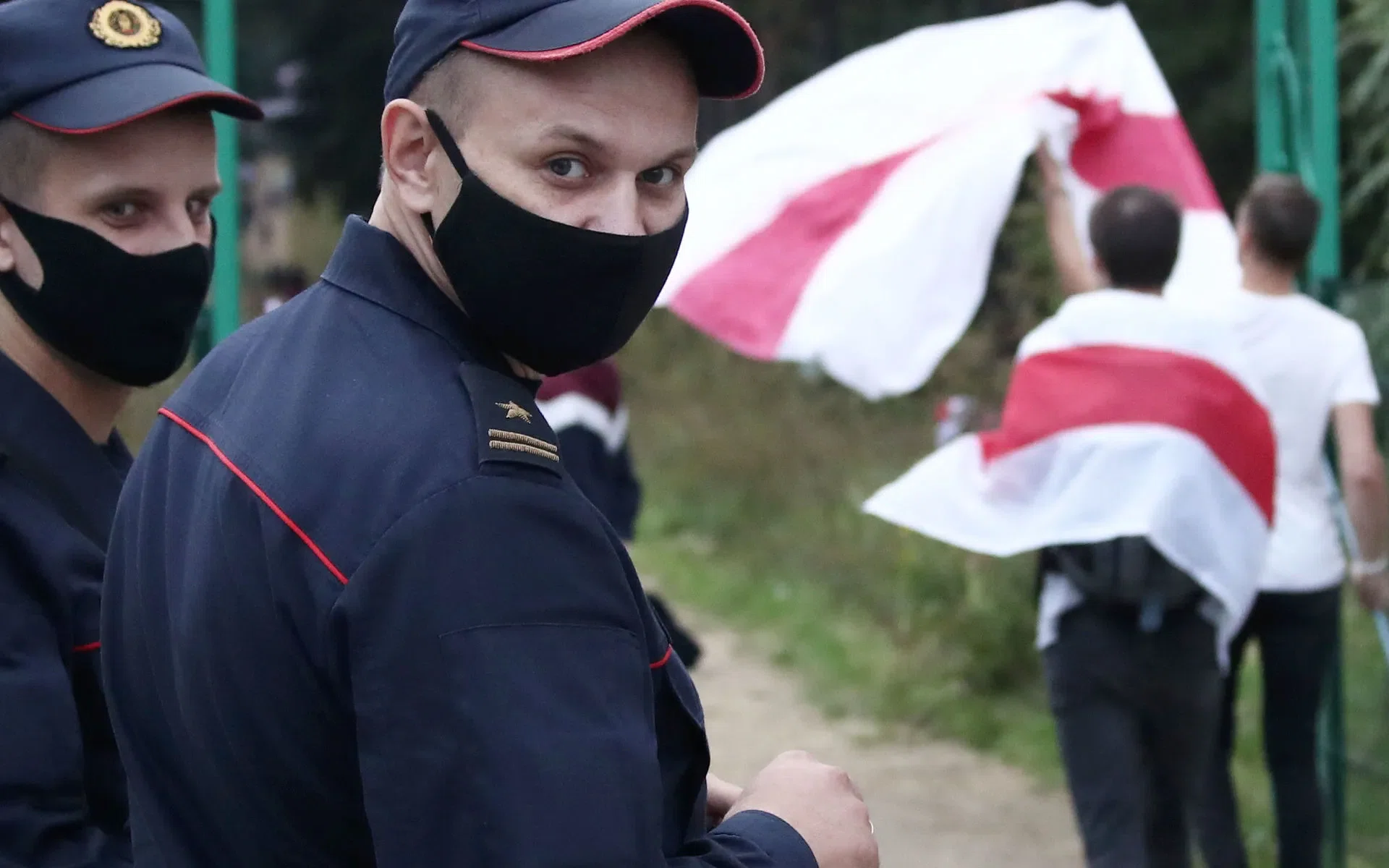
“The white-red-white flag, you see, is hated by the fact that he was worn by the policemen. So the policemen also wore pants, what then follows from your scientists, dear gentlemen? Undoubtedly, all this will be ridiculous and ridiculous even after a very short period of time. But now it’s not funny at all. It is now painful and insulting, because the stupid gendarme boot still tramples the physical existence of the nation and its centenary spiritual acquisitions. ”
These are not today's words. This is a quote from the speech of Vasil Bykov at the congress of the Union of Writers of the BSSR in May 1989. Lukashenko is not the first to decide to deprive Belarusians of their national symbol. There were others - under the red flag, under a sickle and a hammer raised in deadly handshakes over any manifestations of the national in the country of the victorious ice cream for 28 kopecks. The Communist Party struggled with the white-red-white flag, the coat of arms "pursuit" and people who dared to speak in Belarusian. Thirty years passed after that speech by Vasil Bykov, and the Prosecutor General’s Office of Belarus began preparing a package of documents on the recognition of the extremist national flag “and other symbols” - shortly after Lukashenko promised to remove “this fascist symbolism from our society”.
Alexander Lukashenko, of course, is a big expert on history. In general, he often calls himself a historian and claims that his profession is a history teacher.
However, he claims a lot. For example, Born in 1954, Lukashenko told veterans that his father died in the war.
And also - as if Mikhail Gorbachev often invited him to Moscow to consult how to switch to a self -recording. And Grigory Yavlinsky asked to become a reviewer of the 500 Days program.
Fascist symbolism - approximately from the same series of dreams of Alexander Grigoryevich.
White and red colors are the heraldic colors of the Grand Duchy of Lithuania. It was they who were used to create a national flag. And for the first time in history, this flag was not even raised in Belarus, but in Petrograd - in March 1917, on the building of the Belarusian society, 36 injured from the war at 36 Znamenskaya (now this is the street of uprising).
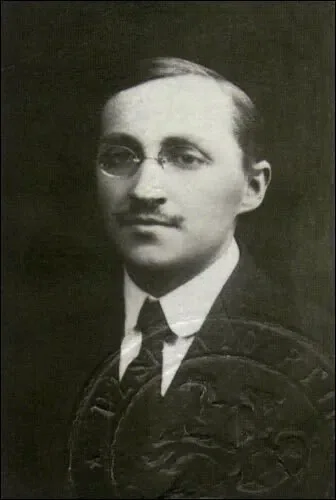
Immediately after the February Revolution, in many parts of the former empire, the struggle began for the creation of national states. And the flag was created as a symbol of the future Belarusian Republic. It was invented by a student of the Petrograd Mining Institute Claudius Duzh-Dushevsky.
Under this flag in December 1917, the first All -Belorussian congress began to sit, but the next day it was dispersed by the Bolsheviks. Under this flag on March 25, 1918, an independent Belarusian People’s Republic was proclaimed in the occupied German army, and the 3rd authorized letter was adopted:
“Now we, glad [council] of the Belarusian People’s Republic, are dropping from our native land the last yoke of state dependence, which forcibly threw Russian kings on our free and independent country.” In January 1919, the Bolsheviks occupied the territory. Then the Soviet-Polish war began, but this is another story that has nothing to do with the flag. The white-red-white flag went to exile with the participants of the Rada BNR.
During the Second World War, this flag was used by both collaborators and Belarusians who rushed from captivity, joining French resistance. And the author of the flag Claudius Duzh-Dushevsky, who lived in Kaunas at that time, hid Jews who were saved from the Kaunas ghetto. The emissaries of the occupation authorities came to him and offered to move to Minsk to take the position of vice-burgomaster. Duzh-Dushevsky refused any cooperation with the Nazis. And in 1943 he was sent to the concentration camp with his wife for the hiding of the Jews.
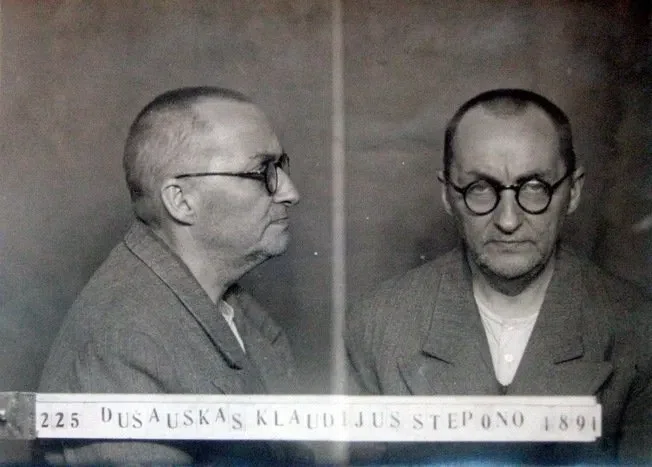
Survived. Then he was arrested twice by the Soviet regime. In between arrests, he taught the history of architecture at the university.
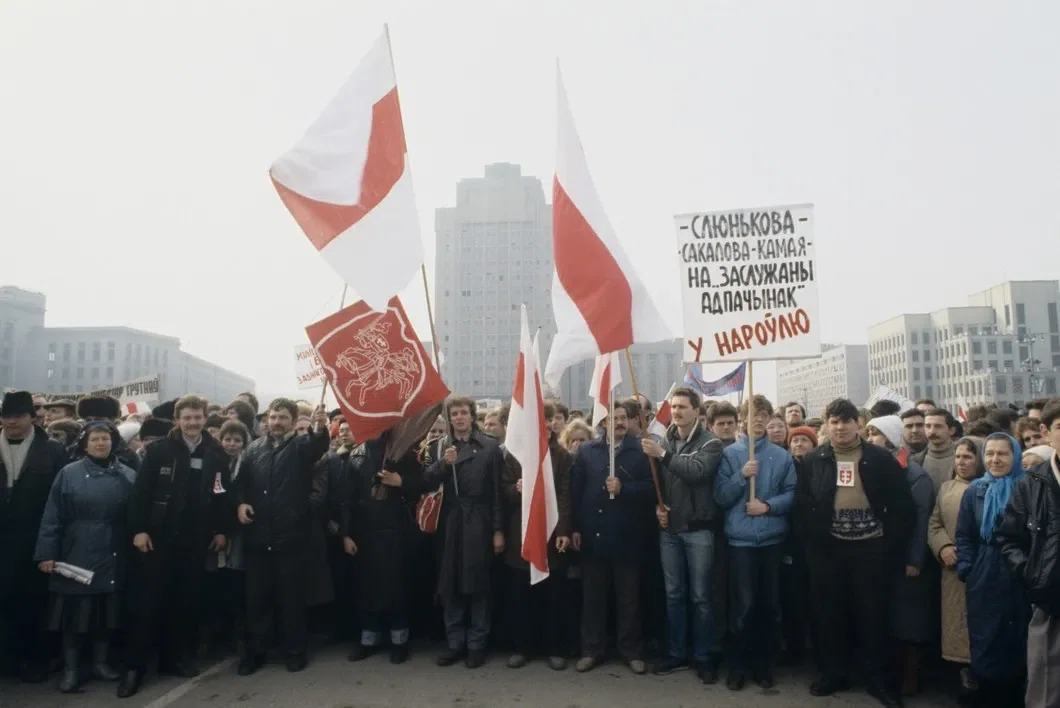
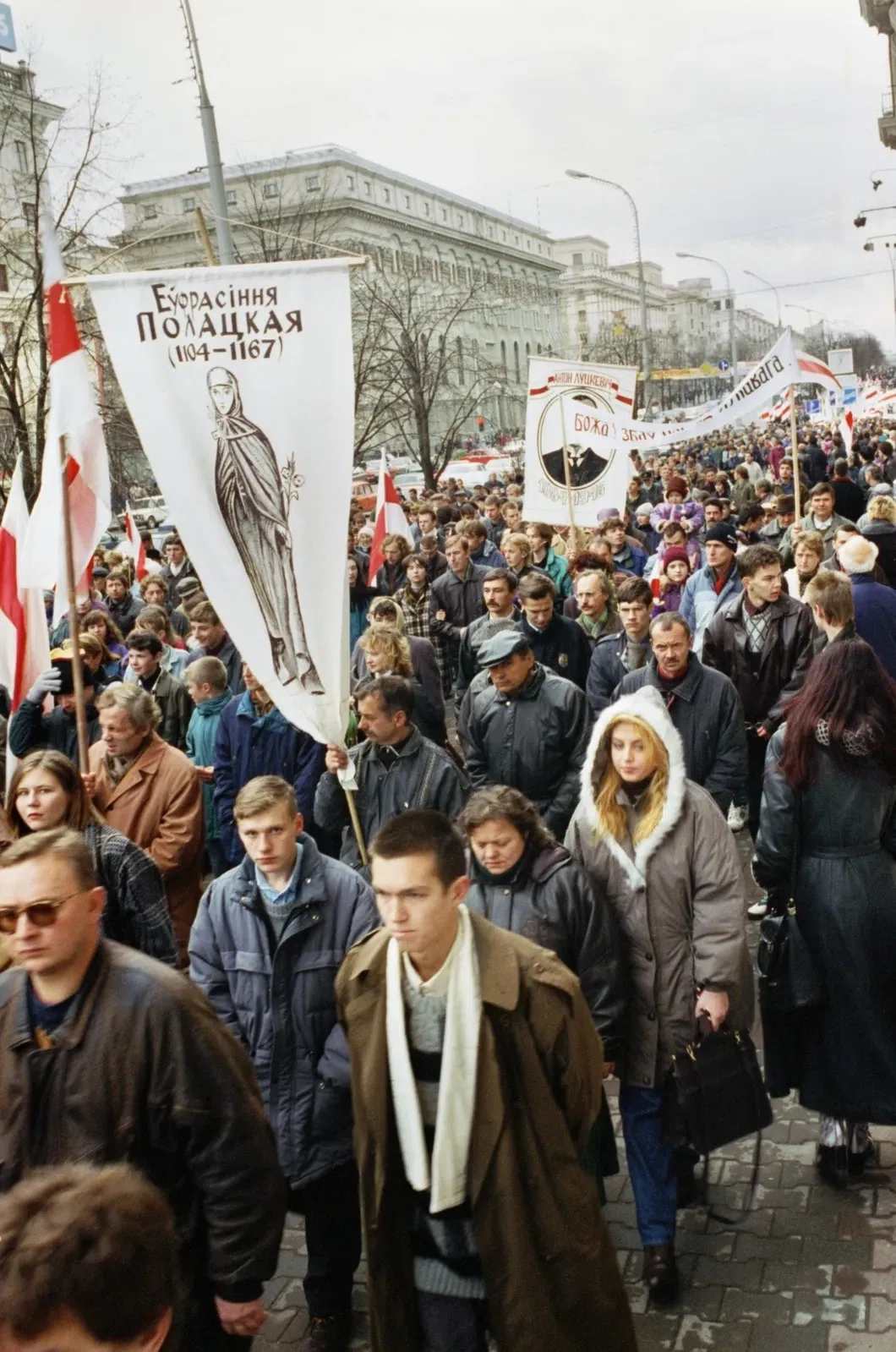
And the next time the flag he came up on the streets of Minsk only on October 30, 1988, when tens of thousands of Belarusians entered the march to the tract of the partridges, where mass executions took place in 1937. That procession under the white-red-white flags accelerated by water bodies and tear gas. But after only three years, the white-red-white flag and the coat of arms “pursuit” became state symbols of independent Belarus. The coat of arms, however, many Europeans confused with Lithuanian. And they asked: "And your horse with a raised tail or with a lowered one?" Ours - with the lowered.
It was under these symbols that the elected president of Belarus Alexander Lukashenko took the oath.
But not even a year has passed since he announced a referendum on the return of Soviet symbols. The referendum coincided with parliamentary elections. The results were damn curious: due to the low turnout, only 119 deputies out of 260 were elected to the Supreme Council, but in all districts where parliamentary elections were not held, the appearance for the referendum for some reason was several times higher. However, then the Belarusians still believed that revenge could not be and the election committee everyone considers honestly.
With Lukashenko’s motives, everything is clear. He wanted to spit on what symbols the collaborators of the Second World War went around the city. For him, a white-red-white flag is a BNF, the Belarusian Popular Front and its leader Zenon Poznyak, fierce enemies from the beginning of the nineties. Then Lukashenko, becoming a deputy, was looking for a platform for which he could become a nominee, and turned to the BNF. He offered himself to the bosses and was ridiculed. That is why for him this is an enemy flag. Old personal resentment. He destroyed the flag in the same way as in the nineties he planted his former chiefs in Soviet times.
On May 14, 1995, a referendum passed, and on May 16, in the afternoon, officials of the administration of Lukashenko rose to the roof of his residence and tore off the flag. The administration Ivan Titenkov personally torn him into small pieces. Journalists stood below on the street and cried. A minute later, the red-green Bessera flag had already fluttered over the residence, as if there was nothing-neither perestroika, nor declarations of independence, nor partridges, nor hopes for the European future.
Since then, they have been beaten for the national flag. For twenty -five years they beat. Some left the streets, others grew up and came. They beat regardless of age.
Belarusians, like partisans of the past, sew new flags in return for those who select and tears riot police. And if earlier with this flag we went to protests, now it is hung out in the windows. The ropes are pulled between the upper floors of high -rise houses and hang so that no Ministry of Emergencies reins. Stop in ice on the river. Draw on asphalt and stops. The photographs from protest shares, which depict people with bandaged heads with blood bandages or in bloodied white T-shirts give the same signature: “That's why our flag is white-red-white.”
And, you know Belarusians completely indifferent whether the Lukashenkovskaya prosecutor’s office recognizes this flag as extremist. For six months of resistance, they have mastered the partisan methods of struggle, as if the war never ended.