
Translated material
Two camps
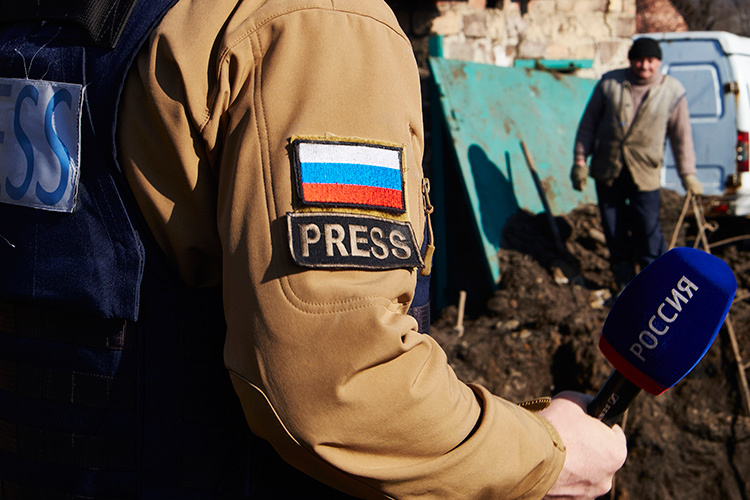
Colta.ru, in collaboration with the journalistic Union N-Sost and the Telekritika.ua site, presents a new project “Stereoscope” . Journalists from Russia, Ukraine and the European Union are discussing the problems of their craft: the plots related to the idea of the profession of a journalist and his responsibilities, the situation of media, about propaganda and its consequences in Russia and abroad. The column of Elena Kostyuchenko is the first material from the cycle, which we intend to publish in the coming months.
When Crimea joined Russia, I screamed very much at my mother. Mom announced that the shame would pass, and the Crimea will remain, and my children will still appreciate the access to the sea. Word for the word - well, and shouted. She already screamed in the next call: her native daughter was sold to the West, went against the interests of the country, what a shame. In general, we yelled at each other for a week, both were bad. While my photographer Anya Artemyeva did not ask a simple question: "What is more important to you - Crimea or mom?" - "Mother". - "Then stop." And I stopped.
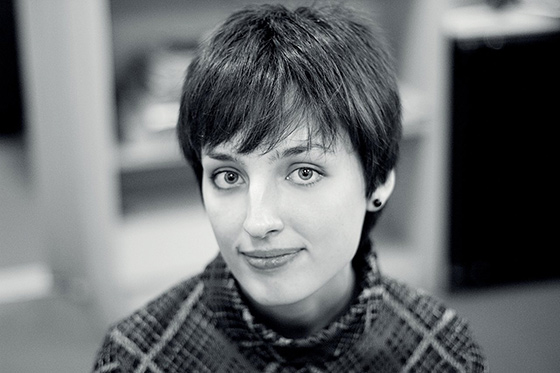 Elena Kostyuchenko
Similar dramas
At this moment, all my acquaintances of journalists experienced similar dramas. The uncle from Nizhnevartovsk was not too lazy to find the phone of the Moscow nephew, who was preparing a report on a referendum in order to call him a “Pindos bitch” for insufficient enthusiasm. When the first clashes in Ukraine began, my colleague went to her relatives to the border city: to collect strawberries, to mess with his niece - and returned a week earlier in tears.
At the same time, there were no conflicts within the journalistic community itself. As there was, in fact, the very journalistic community.
Everything looks different from the inside
The division of federal media journalists into two camps in relation to the Ukrainian conflict (units holding neutrality are almost invisible) obviously for an outside observer. But from the inside everything looks different. These camps - conditional conservatives and conditional liberals - arose even before the Crimean question, before the first battles near Slavyansk.
Journalists defiantly did not notice each other
Many associate the moment of separation with the Moscow protests of 2011-2012. Then all journalists had a lot of work - state agencies reduced the number of protesters ten times, NTV made the films “Anatomy of Protest” about the traitors of the Motherland, while the correspondents of Novaya Gazeta and Lenti.ru literally spent the night in the squares.
The revolution failed, a reaction began, and now the same journalists defiantly did not notice each other on ships over activists. When the war began, two media pools arose in the separatist Donetsk - patriotic correspondents along with the commanders of the militias met in the legend cafe, independent Russian journalists and their Western colleagues were sitting in the ramada hotel bar. The prices in Ramad were, by the way, above.
It was in the war that interaction was established
Strange, but it was in the war that the interaction between journalists in the field was established. If in the Moscow court you can disperse in different corners, then here, to get, for example, to Uglegorsk, you had to coordinate. General topics were discussed on the road - who talked with whom, who got to where the troops will go further, and the most important question: which business trips to whom they give out and whether there is a premium for the “fighting” (work in the war).
And I have never refused to help my colleagues, and they helped me more than once. You cannot refuse to help in the war. But a long interaction, and even more so, did not talk about professional topics. We did not even exchange Moscow phones.
At the same time, real battles were going on on Facebook. Mediasovets defiantly disinfected, demonstratively put up. At the same time, they continued to go to the same events, in the same bars - but it became a new norm that out of four people in the company, two did not speak among themselves. Columnists scribbled speakers, where they accused each other of corruption, meanness and inhumanity. The authorities, of course, supported one of the parties and weakened the other. Over a year and a half of the war, the editors of the independent “Lenta.ru” were dispersed, the owner of the Russian Planet changed the owner, the journalists of Gazeta.ru resigned, the last independent analytical transmission on TV was closed - and again the reaction to other people's troubles was diametrical: sympathy or gloating, and this was also a division marker. A large number of unemployed journalists have formed on the market. But it did not occur to them to go into pro -government publications that received new budgets during the war. They created new projects - "Medusa", "Arzamas", "last 30", "such things." And by reaction to the successes of the newborn media, it was also possible to easily calculate which camp the interlocutor belongs to. Curses and blessings filled the same Facebook.
But all this - as it were to explain - did not look serious.
I remember that the same journalists who cursed each other for burnt people in Odessa or Debaltsevsky boiler cursed each other and a year, and two, and even five years ago. And without war, they found reasons to demonstrate the purity of their moral position and the deceitfulness of the opponent. The oldest disputes that I can remember is about Medvedev’s arrival to the presidency, and this is 2008! And even before that - when in 2006 they killed my colleague Politkov, the “patriotic sector” responded with the usual shaft of offensive publications, and “liberal” - sympathy. But most of all were indifferent.
Most of them and now. When you drive away from Moscow, the sharpness of the problem itself is removed - and the observer of the governor's newspaper is going to drink with an opposition radio station. They are both journalists, they have nothing to share, except for advertising. At the same time, it often turns out that the opposition journalist had previously worked for the government, and Patriot had been looking for a compromise for power before. The regional publications themselves willingly take journalists from another camp. Personnel hunger, there are few journalists, and media prizes must be decided.
My friend Oleg Kashin, who thought a lot about what was happening with our profession and where we all ended up, believes that this division was always in perestroika (the “light” vs “our contemporary”), and in the 60s (“October” VS “New World”). And even before. And until the 17th year. So Russian journalism is arranged.
How can we talk about separation because of the war-when we were united? We have nothing to really argue with each other. In the very first months of work, senior colleagues explain to the young journalist that our opponents are corrupt unprincipled assholes, and what to talk about with assholes, all the more sales? The dialogue itself seems not impossible - unnecessary. We argued about Ukraine with parents and friends - to stupid, to tears, but we did not have real questions for the author of a fake plot about a crucified four -year -old boy in Slavyansk (many Russians after that went to the war). And when the observer of pro -government “Izvestia” in the Sunday column smashes a “new newspaper”, he writes this not for us, but for his readers. "The night is dark and full of horrors, stay with us."
And who will start this conversation? The Russian Union of Journalists degenerated into an organization that makes statements and distributes diplomas, you can still get an international certificate there to go to museums for free. The large jury, which was conceived as a mechanism of intra -corporate discussion of complex cases, practically does not function. We do not have a platform where you can make a dialogue. There are no people who are respected enough on both sides of the barricades who will begin this dialogue.
Maybe we do not feel the need for a conversation precisely because we never knew in history what the power of a united, realizing press is. And even now, when the media has become a real catalyst for war (and that is why I write this text), we do not feel this power. We do not feel that this force belongs to us. The main player on the media market is power, and she does not strive for conversations. The Ukrainian war did not become insight for journalists, did not cause dialogue - only the reason for the denunciation of fasting, only the reason for the increased fee. And until we understand that we can not only earn or swear in wars, but, for example, stop them, we will meet them again and again. The next, probably, Syrian. I am sure that even in the bombed Homs we will find two cafes.
Other materials of the project can be read here .