
Translated material
Crushed by progress
How the Chinese state is trying to make ideal citizens out of Uyghurs. Non -term report
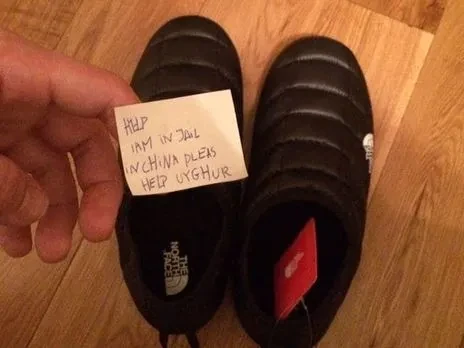
The other day, the media circled the news about the strange find that the Petersburger discovered in the purchased boot of the famous brand The North Face. In the tiny square of paper in English, it was written “Help. I'm in prison in China. Please help. Uigur". The company said that she did not use forced labor in its production chains, but promised to conduct an internal investigation. On November 12, the head of the Chinese unit of the German High Guess Volkswagen Stefan Vallenstein in an interview with the Air Force was also forced to declare something similar. No, the company does not use slave labor of prisoners of concentration camps at its plants. Her hiring policy complies with world standards. But, frankly, it is impossible to be completely sure of anything: “Volkswagen” “is not responsible for the life of employees outside the enterprise.” It was about the factory of the company in the Xinjiang-Uygursky Autonomous District of China (Suar).
Not a single brand wants its name to be in the same sentence with the phrase “concentration camp”, but, fortunately for The North Face and Volkswagen, they were not alone on the list: according to the February study of the Australian Institute of Strategic Policy, 82 world brands used the work of the prisoners of the Sinjani “Campaign Camps” In their production chains. After the publication of the report, many, such as H&M, chose the path of noisy refusal to cooperate with the Chinese region, but did not leave the country by no means. Others simply stated that all workers work voluntarily and there are no grounds for accusations of the Australian Center.
The history of Chinese policy regarding Uyghurs occupied the attention of the media in the relatively calm 2017 and 2018, but in 2020 she had little chances against the backdrop of world cataclysms. But this is one of the key plots that speaks a lot about modern China and how the world community transforms under its influence.
Many politicians negatively tuned to the PRC believed that it was precisely the persecution of Uyghurs that would finally open the world to the “true essence of the Communist Party of China”
And they will lead to the world blockade of the "dictatorial state."
In practice, it turned out differently: human rights have traditionally lost with a devastating account politics and economics. Moreover, a series of terrorist attacks committed in Western countries made it possible to go on a counterattack and argue that it was his super -profitable policy that ensured the peace and peace of a half -billion country. In its policy, the attitude to “potentially problematic” minorities China is clearly in the Contract for two other existing models - Euro -American and Russian - and raises questions to the rest of humanity, which are very difficult to answer.
From ethnography to politics
Until 2017, only a narrow group of specialists in China and the peoples of Central Asia knew about the existence of Uyghurs. In 1875, the semi -dependent (but associated with China) the Uyghur state was finally won by Beijing, but with the beginning of the period of the post -revolutionary turmoil (1911-1949), he again returned to the previous status, trying to balanced between the government of the Chinese republic and neighboring USSR, where the Uzbeki and Kazakhs lived ethnically and culturally close to the Uyghuras and Kazakhs. The end of the freemen was laid by Mao Zedong, uniting the country into a single Chinese People’s Republic.
From this moment, mass migration began to the region of the Khan's Chinese, who went (with varying degrees of voluntariness) raise the local economy. This launched the collapse of the community: the youth who wanted to integrate into modern society began to work at Chinese enterprises, gradually losing touch with traditions. The process was not uneasy: often, conflicts on cultural and economic and economic soil arose between the Chinese and the Uyghurs. Sloped city Chinese quickly occupied the upper floors of the Suar economic pyramid, causing local people to be completely clear negative emotions. Nevertheless, during the Mao dictatorship, everything was generally limited to deaf dissatisfaction.
In the 1980s, when a market economy came to the country, and the restrictions on people's movements weakened, the political situation in Xinjiang began to slowly hesitate. Traveling to Hajj to Mecca and study at Islamic universities revived a certain part of the active Uyghur population hope for the creation of an individual state of East Turkestan. The ideology of Islamism was the help of this, but it should immediately make a reservation that the Uyghur radicals never had any single ideology: some wanted a hotel state, some-expansion of cultural and religious autonomy, and some-the establishment of the World Caliphate (such in 2011-2013 went to Syria). The groups were constantly mixed and disintegrated, making it difficult to count and definition.
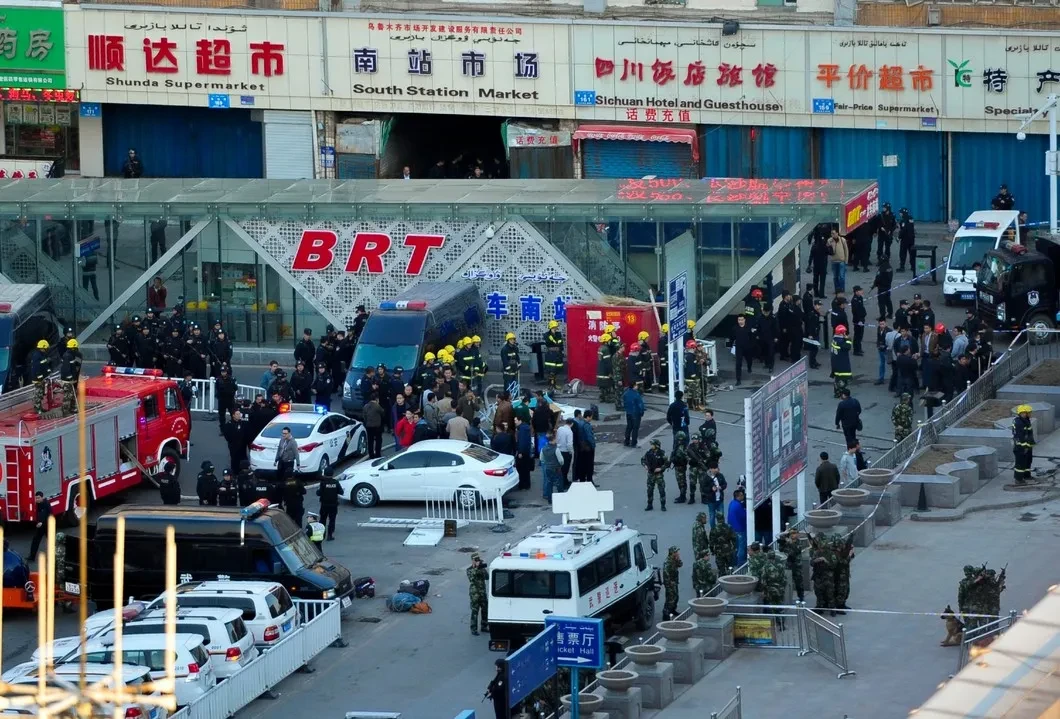
Since 1992, the SURA began to regularly shake terrorist acts. Chinese sources give the figure in 194 killed and more than 1000 wounded civilians during these attacks until 2017. The most terrible terrorist attack was the attack on the market in Urumchi in May 2014, when the terrorists who entered the busy area on two pickups began to scatter packages with explosives, killing 43 people and injuring 90. From the middle of zero, the intensity of the attacks increased, they were added truly large clashes with the police and attacks on the notebooks, attacks on the notebooks, taking place several times a year.
The most gloomy was 2009, when during the mass riots in the capital of Suar Urumchi, 197 died and more than 1,700 people were injured (mainly the attacking Uyghurs themselves).
Guri exchange for yuan
The claims of the Uyghur radicals to the Chinese authorities, in addition to the economic plane, lay, of course, in the ideological. The aggressively atheistic communist state of the Mao Zedong era lost in the 1980s a softer and smart place, but still a rather repressive regime, one of the pillars of which was the desire to “align” the population on language and religious signs. Since the mid-1980s, the period of reduction in the space of the Uyghur language has come, educational and religious policy began to allow less deviations from the general line. In fact, Uyghurs tried to transform in the image and likeness of Chinese Muslims Hui, differing from other residents of the PRC only with funny national costumes, songs, dancing and some insignificant traditions.
At the same time, the migration in the region of the Khan's Chinese accelerated, who, under Deng Xiaopin, lured the economy of a backward “Wild West” long Yuan. From 1949 to 2008, the share of Han residents among the local population increased from 6.7 to 40%. According to the leaders of the Uyghur radicals, this policy was specially planned by the "demographic genocide" designed to blur the population of Sinjiang and destroy the Uyghurs as a nation. However, the Uyghurs, like any other minorities, were used in China and advantages. They had the opportunity to start two children in cities and three in rural areas, while for ethnic Chinese this became completely legal only in 2016. It was officially easier for minorities to score points for entering universities, and many state -owned companies were obliged to gain “model citizens” of non -tile nationalities, including Uyghurs.
This was clearly not enough for the radicals. Chinese and Uyghur figures, when describing processes in the region, clearly speak different languages. The media, representatives of state bodies and even ordinary residents of the PRC, with whom the author of these lines happened to communicate with the unprecedented economic rise of the SUR in recent decades: as the Sinhua agency writes, from 1978 to 2018, the income of Uigurov grew 100 times; The average life expectancy is from 30 in 1949 to 72.3 years today (as much as in Russia and 4 years less than in China on average). The Uyghurs themselves tell stories that they are forced to shave beards, forbid to observe Ramadan, often discriminate against when hiring, displace their language and turn mosques into state propaganda organs.
Both stories are true, and both sides are equally far from understanding each other. For those who have never had their own monotheistic religion and focused on the purely economic values of the Chinese, believers Muslims look dangerous crazy, who do not want to enjoy the benefits of civilization. For a significant part of the Uigurs, the Chinese look like the invaders of their lands, the destroyers of traditions and atheists, worshiping the Golden Taurus and Red Leads. The fear of disappearance, religious anger, the desire of the Uyghurs to preserve their traditions came across dead communist slogans about the brotherhood of workers and the benefits of the unity of the nation. Islam was proposed to make a “patriotic religion”, that is, simply turn into a broken props, the appendage of the departments of the propaganda of the Party Committee of the CPC in the field.
Narrow specialist
Until the middle of the tenths, few people believed in the speedy resolution of the Uyghur question. The Chinese built new plants in the Suar and accepted new instructions, the Uyghurs arranged terrorist attacks and attacks on the police and the army. The West resolutely supported the struggle of the Uyghur people for freedom, but did not take any action. Several Uyghur separatist organizations acted outside the PRC (mainly in the USA and Canada), up to 3 thousand Uyghurs fought on the side of IG (prohibited in Russia) in Syria.
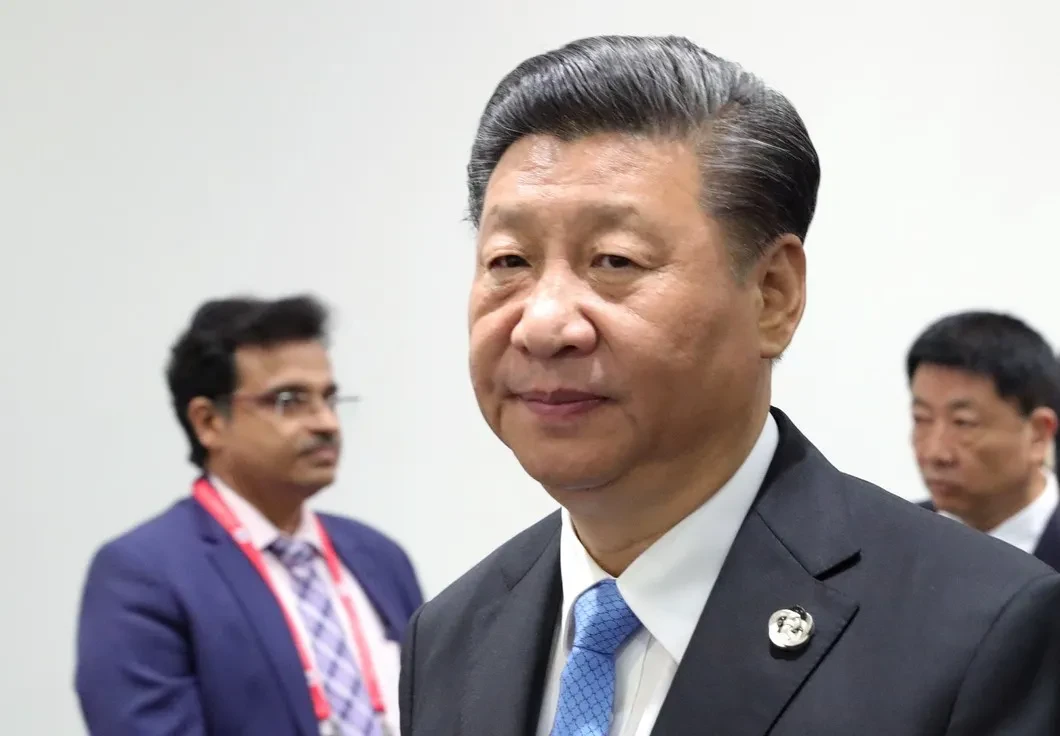
Everything began to change with the coming to power in the PRC in 2013, the new General Secretary of the Communist Party of Xi Jinping. Three things distinguished him from two predecessors: the confidence that it was he who was called to save China from corruption, chaos and collapse; constant appeals to the theme of the “revival of the nation” and the restoration of a certain dozens and hundreds of years ago of historical justice; The desire to strengthen personal and party control over all areas of society. It was under him that China had to fulfill the first “centennial target”: by 2021 (the centenary of the founding of the Communist Party) to completely eradicate poverty, hunger and weakness, which tormented the country for many decades. It was impossible to approach such an important date with the blazing outskirts.
In 2016, a man named Chen Cuango, who previously led the other restless land - Tibet, was appointed to the place of the head of the party committee of the region. The problems of the Tibetans were similar to the problems of Uyghurs: not quite voluntarily joining China in 1951, they refused to recognize the Communist Party by God and exchange Nirvana for a “Chinese dream of a strong nation”. There were few Tibettsev (5.4 million compared to 12 million Uyghurs), their religion to violence had less, and the main symbolic instrument of confrontation of Beijing became protests and self -immolation, mainly performed by monks. Chen Cuango’s answer (register rules from 2011 to 2016) was in the recruitment of agents-presenters, total surveillance, demolition of the most retreating monasteries and programs “re-education” of monks, where they tried to turn them into obedient Chinese citizens.
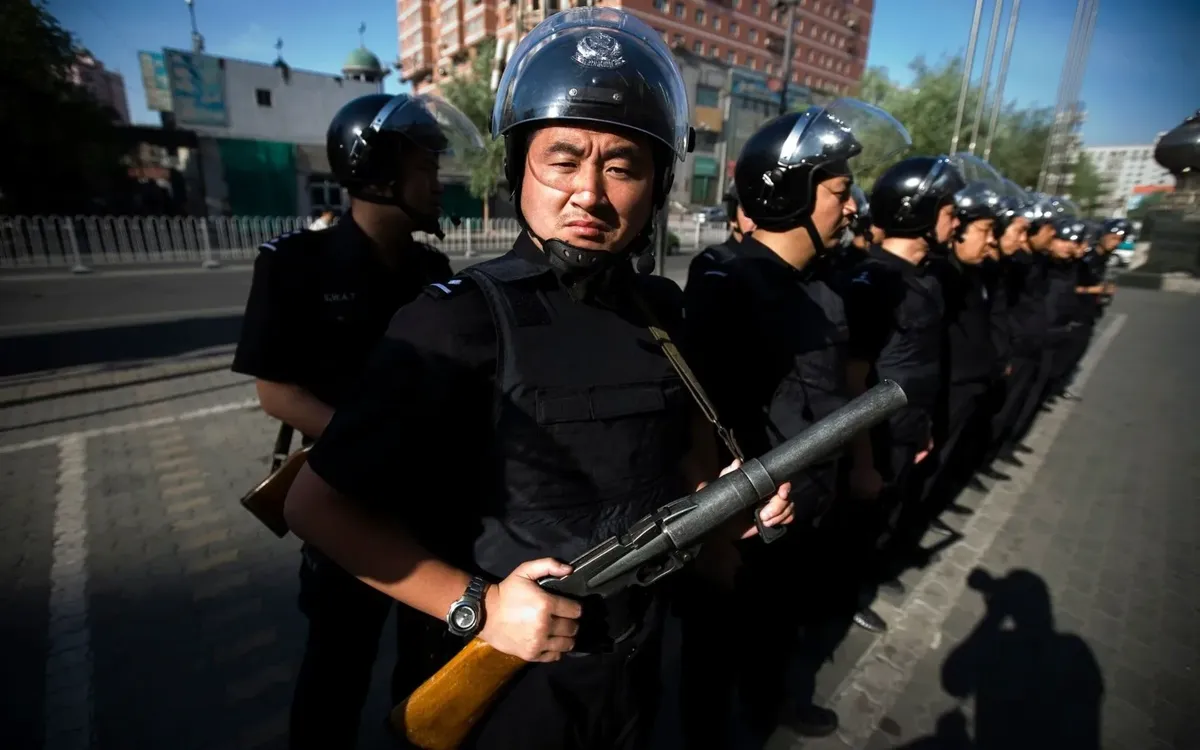
After appointing to a new post, the experience was entirely transferred to the inhospitable Sinjian soil. During 2016 and 2017, more than 90 thousand police officers were hired, twice as much as in the previous seven years. About 7300 checkpoints were established throughout the region, the task of which was to monitor the movements of citizens.
By 2017, more than 21% of all arrests in the country had already accounted for Xinjiang,
Despite the fact that its population did not exceed 2% of the total. Their number increased by 8 times compared to 2016. By mid-2017, a lot of evidence began to accumulate that the region is under construction of many institutions reminiscent of the stories of something middle between the school, prison and the rehabilitation center for drug-dependent. So the world learned about the “retraining and vocational education centers”, known outside China as “re -education camps” or “Uyghur concentration camps”.
A beard will bring to prison
Information about the camps came from several sources. The main is the stories of people who managed to escape from there or “re -educate”, having passed all the required stages. The situation was as follows. To get to the camp, it was necessary to fulfill one of the following conditions: to demonstrate “excessive religiosity” (wear national clothes, a long beard, regularly go to the mosque, do not drink alcohol or not to eat pork at official events, go to Hajj, etc.); have relatives constantly living abroad; Often traveling abroad to Muslim countries; have at least some relation with convicts for terrorism or extremism; Do not let women work in a family, but children go to public schools; badly know Chinese; have more than three children.
Of course, none of this was illegal, but “socialist legality” acts in China, which in fact means the complete absence of a state apparatus of any limiters. People were literally taken from the streets and sent to the “re -education centers” for an indefinite period for (and this is the official formulation) “demonstration of the tendency to extremism”. The prisoners, according to their stories, are really taught and educated: the day consists of sleep, food, studying the Chinese language, the laws of the PRC, teaching simple specialties (sewing, cooking, cutting, etc.), physical education and political information. A significant part of the former prisoners of the camps indicates the application of physical violence to them: deprivation of sleep, beatings and additional physical exertion in case of failure to fulfill the tasks. The minority talked about rape, torture, forcibly feeding medicines and even sterilization.
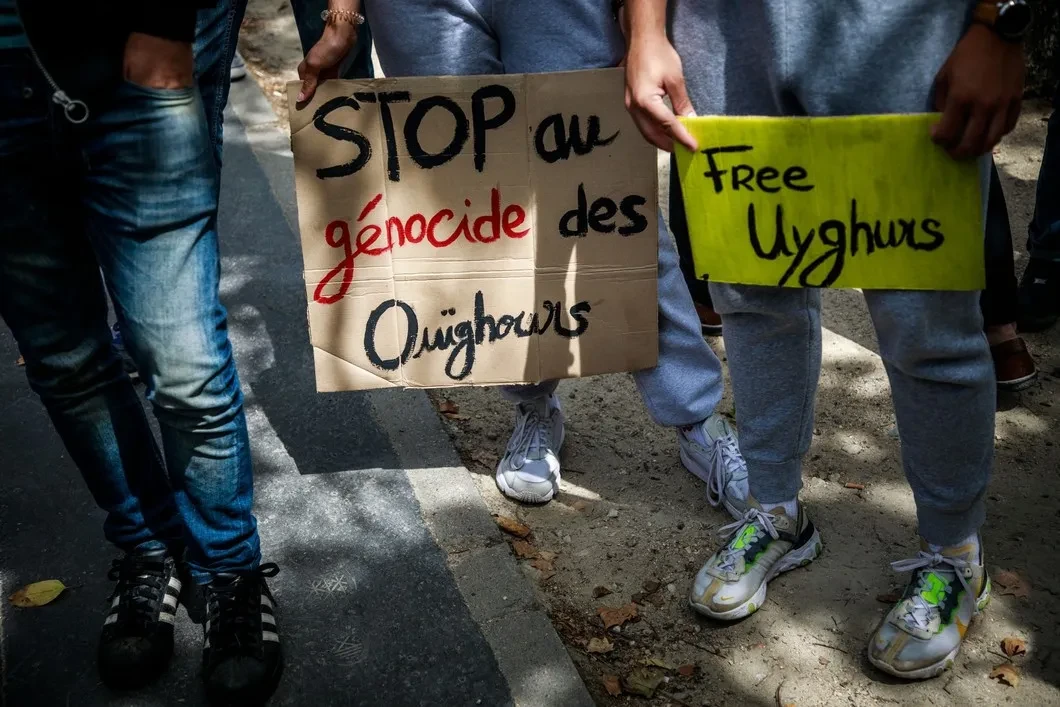
Apparently, in the conditions of a legal vacuum, the fate of the “prisoner” (who has no sentence; who committed real crimes are still sent to prisons) is entirely in the hands of the commandant of a particular camp. Many leaders of these institutions, apparently, really believe in their mission: the vast majority of “graduates” are not talking about rape, but about the dulling cramming of party slogans, psychological pressure and stick discipline, designed to knock out the rebellious spirit of independent Uyghurs. The worst in the camp, according to them, is an absolute misunderstanding of when a person can leave him: the decision that the prisoner was “re -registered” is taking the camp authorities. Some managed to fulfill the “program” and prove reliability in 3-4 months, some relatives cannot wait since 2017.
In 2017, the PRC authorities denied the existence of camps, in 2018 recognized them in the format of “centers of vocational education and retraining”, where dark peasants could learn socially useful skills, and by the beginning of 2019 the excursions were already carried out to the region. Many of them participated in Russian diplomats and journalists from state publications.
“On December 28-30, 2018, the organized Foreign Ministry of the PRC, a trip of a delegation of foreign diplomatic agents to the SURAR,” says a commentary on the website of the Russian embassy in China. - During his stay in Suar, diplomats ... visited the centers of professional training and education in the city of Porridge, Hatyan counties and mine. These centers are used in order to prevent and combat threats of the spread of extremism and terrorism ideas in the region. In China, they are aware of the vulnerability of a border suire in the face of various kinds of real threats of internal security and stability associated with the manifestations of extremism and terrorism fed from abroad. The authorities of the region are forced to take special, sometimes very strict measures to neutralize and prevent them. At the same time, of course, it is necessary to observe civil rights, respect the traditions and customs of the local population. ”
Labor makes it loyal
Since mid -2018, more and more reports began to arrive that Uyghurs are not just re -educated: they are forced to work and produce products for the market. The already mentioned Australian Institute of Strategic Policy in his report accused China of using Uyghurs in cotton plantations in Sinjiang itself, as well as in the “labor export” of 80 thousand people to other regions of the PRC. Moreover, according to researchers,
The labor of Uyghurs was used in factories built into production chains of 82 global brands,
Including Apple, Gap, Lacoste, Siemens, Toshiba and almost all firms whose products can be bought at the shopping center. Sometimes Uyghurs were placed in separate protected dormitories at factories, sometimes individual workshops were built for them, as a rule, according to the report, surrounded by fences with barbed wire and towers with machine gunners. After the work of employees of such enterprises, a new portion of ideological wisdom, several lessons of Chinese and cramming of the laws of the PRC will find.
The PRC government does not see any problems in such a situation. Например, вышедший в сентябре 2020 года доклад Информационного офиса Госсовета КНР называет все это «проактивной политикой трудоустройства». «Правительство Синьцзяна обеспечило целевую помощь людям, испытывающим трудность с поиском работы, — пишут авторы доклада. — С 2014 по 2019 год 334 тысячи резидентов из этой категории получили работу в течение 24 часов после идентификации их статуса. В 2019 году в одной лишь префектуре Хотан 103 тысячи фермеров и пастухов получили дополнительное образование и прошли переподготовку, благодаря чему 98,3 тысячи из них смогли найти новую работу».
По факту правительство КНР полностью признает существование практик, приводящих иностранцев в ужас, но с одной поправкой: большинство подопечных, по их словам, принимают участие во всем этом добровольно и очень довольны происходящим. «Житель городка Чарбаг (уезд Лоп, префектура Хотан) Арпат Ахмаджан был фермером и зарабатывал в год не более 10 тысяч юаней ( около 110 тысяч рублей. — Ред .), — приводят пример авторы доклада. — Но, устроившись на фабрику электроинструментов в провинции Цзянси, менее чем за три года он сумел заработать более 180 тысяч юаней. Его жизнь значительно улучшилась, он построил дом и женился». Всего же, по данным доклада, с 2014 по 2019 год доход городских жителей Синьцзяна рос быстрее экономики страны в целом, на 8,6% в год, сельских — на 8,9%.
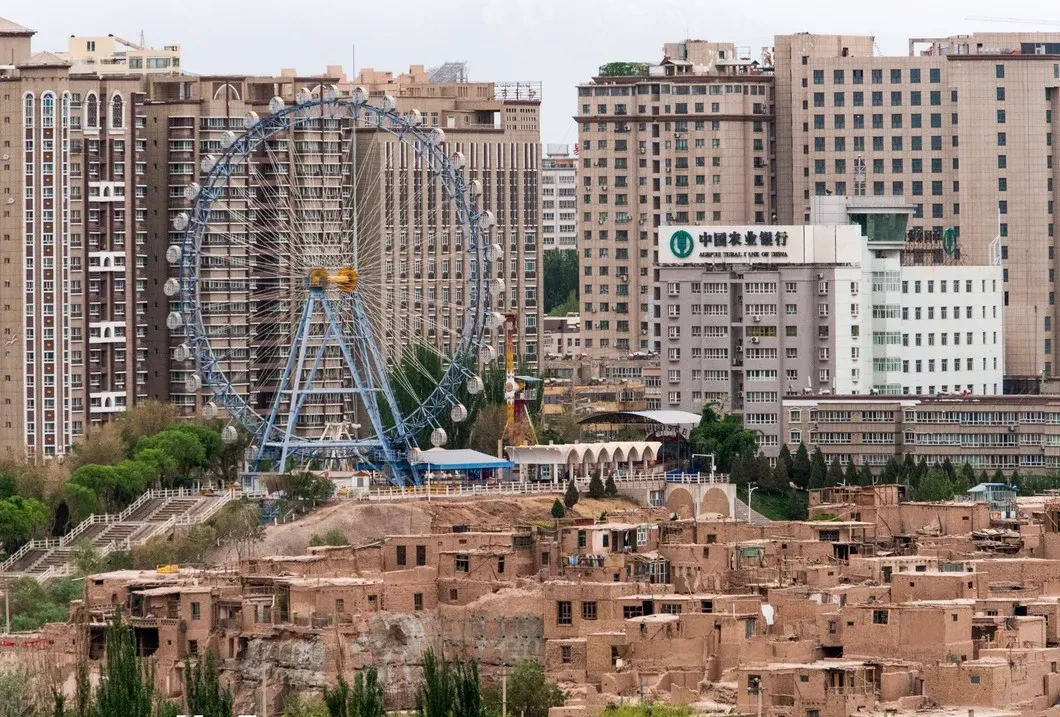
Альтернативной информации об изменении экономической ситуации в регионе нет, но нет и оснований ей не доверять: материальный прогресс региона подтверждается всеми наблюдателями. Как и всепроникающая атмосфера страха, объявшая некогда жизнерадостную, но очень бедную провинцию. Платой за прогресс стали гроздья камер, свисающих с каждого столба в городах, обязательства для мусульман в регионе устанавливать следящие приложения на телефоны, QR-коды на любых предметах, напоминающих холодное оружие, закрытие мечетей и принуждение к несоблюдению Рамадана. На все возмущения неправительственных организаций власти Китая отвечают одним сильным аргументом: с 2017 года в Синьцзяне не было ни одного террористического акта.
О дивный новый Китай!
Западные страны и правозащитники многократно призывали хоть как-то надавить на китайские власти в связи с ситуацией в Синьцзяне. 9 июля 2020 года администрация Дональда Трампа наложила санкции на Чэнь Цюаньго и трех других бывших и нынешних руководителей СУАР, но на этом все и закончилось. В середине 2019 года 22 западные страны направили в Управление Верховного комиссара ООН по правам человека письмо с осуждением китайской политики, но Пекин в кратчайшие сроки мобилизовал 37 стран (включая Россию и Беларусь), выступивших с ответным письмом. В октябре 2020 года полемика зашла на второй круг: в третий комитет Генассамблеи ООН было направлено письмо 39 стран, призывавших Китай к уважению прав меньшинств. Ответом стало совместное заявление 45 государств, в котором те отмечали, что Китай за последние годы пригласил более 1 тысячи дипломатов и журналистов (конечно, из дружественных стран), которые могли убедиться, что все права жителей СУАР соблюдаются.
В том же октябре Си Цзиньпин выступил с отчетной речью по поводу Синьцзяна, в которой заявил, что «политика партии в регионе доказала свою абсолютную правильность». К этому моменту, судя по спутниковым снимкам, две трети (около 16 тысяч) мечетей в регионе были либо снесены, либо перепрофилированы. Через лагеря, по данным уже упоминавшегося китайского доклада, прошли 1,3 миллиона человек. Западные правозащитники как минимум удваивают эту цифру. Уйгурские боевики, активно воевавшие в Сирии в 2014–2016 годах, были или уничтожены, или рассеяны. Синьцзян «переоткрыли» для туристов: в отличие от периода середины десятилетия, попасть туда достаточно легко. СУАР рекламируют как «край песен и танцев, фруктов и драгоценных камней». Посетителей, судя по отзывам, встречают коллективы народных песен и танцев, радикально реновированные в китайском стиле города (когда кварталы исторической застройки сносятся подчистую для строительства миллионов квадратных километров добротного, но достаточно однообразного жилья), древние памятники и постоянный надзор, когда более, когда менее явный. Край выглядит если не полностью «умиротворенным», то уверенно приближающимся к этому статусу.
Осудить китайскую политику в СУАР достаточно легко. Но есть несколько нюансов, которые делают ситуацию сложной и объемной. Во-первых, материальный прогресс в крае действительно невозможно отрицать. Современная экономика требует подготовленной современной рабочей силы, и в этом смысле политика властей КНР выглядит как «ускоренная модернизация» уйгурского общества. Во-вторых, практически все мусульманские государства (как правило — крупные экономические партнеры Пекина) мира либо не критикуют, либо открыто поддержали Китай в его политике по «умиротворению» их единоверцев. Единственным исключением на какое-то время была Турция, но подписание в 2018–2020 годах ряда инвестиционных соглашений с Пекином на общую сумму около $50 миллиардов заставило и Реджепа Эрдогана поступиться мужественным образом защитника мусульман всего мира.
Но главный аргумент в пользу политики КНР заключается в отсутствии на территории СУАР терактов на протяжении последних трех (уже почти четырех) лет.
Когда в середине октября 2020 года в результате нападения исламиста в Париже был обезглавлен 47-летний учитель, китайские СМИ сразу же отреагировали. «Причина, по которой такие нападения больше в Китае невозможны, — в политике дерадикализации, — пишет издание CGTN (аналог российского RT). — Критики Китая игнорируют проблемы, терзавшие нас десятилетиями. Эти проблемы (теракты, нападения, угоны самолетов) привели к тому, что мы приняли меры, направленные на снижение экстремистских, националистических и сепаратистских настроений. События в Париже говорят о том, что Западу не стоит критиковать политику Китая».
По сути, Компартия по результатам своей политики в СУАР не только не понесла сколько-то серьезного урона, но и укрепилась. Мир получил подтверждение того, что Китай — единственная страна, способная провести на своей территории социальный эксперимент в духе 1930-х годов и не понести за это никакого наказания ни на политическом, ни на экономическом уровне. Пока трудно сказать, к чему эта политика приведет в долгосрочной перспективе. Но уже очевидно, что страна демонстрирует вполне работоспособную модель взаимодействия с «проблемными» меньшинствами, отличную от любой другой. Теперь есть три пути: европейский, состоящий в максимальной свободе и уважении прав непохожих; российский, делающий ставку на сочетание силового подавления и финансового поощрения местных элит; и китайский, предлагающий социальную инженерию и принуждение к модернизации. Накопленный результат применения каждой из них уже достаточен для того, чтобы сделать осознанный выбор.
Михаил Бобров, специально для «Новой»