
Translated material
The march of anti -Turkish
Campaign against everything related to Turkey. Short
Relations between Russia and Turkey were sharply deteriorated after the Turks shot down the Russian military Su-24. The Russian Federation imposed sanctions: she forbade Turkish fruits and vegetables, hire Turkish workers to its territory, suspended a visa -free regime with Turkey. Tour operators are prohibited from selling trips to Turkey, charter flights to this country should be canceled. At the same time, different Russian departments began to check Turkish citizens - at exhibitions, at universities and at construction sites. And the deputies proposed banning Turkish series, Turkish builders and Turkish students. Medusa compiled a short overview of the anti -Turkish campaign.
Detention and verification
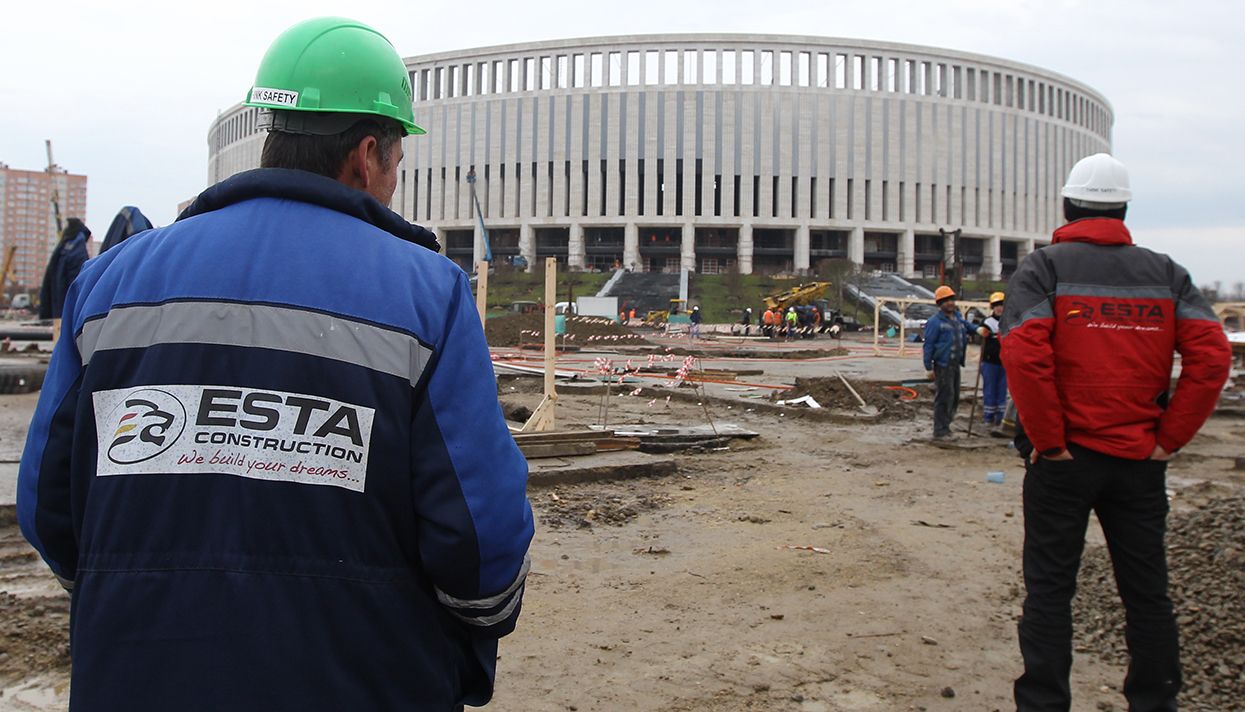
Turkish citizens underwent massive inspections by Russian state departments, Mediazona notes . In several regions, the FMS and the FSB check construction. In the Khimki near Moscow, at the construction site, which is conducted by the Turkish company MeBE, 400 people were detained - everyone was checked for involvement in the spread of extremist literature. In Moscow, at the site near the metro station, Dobryninskaya employees of the FMS were looking for architects and engineers who have Turkish citizenship. According to the results of the raid, 20 people were detained.
The regional FMS administrations have been reporting on the detained Turks for several days. 39 people who came to the agro -industrial exhibition were detained in the Kuban; In Stavropol, 26 citizens of Turkey were detained; In North Ossetia they detained, and then 16 Turks were expelled from Russia.
FSKN also connected to the fight against Turkish citizens. Employees of the department held a raid in the hostel of Saratov State University and discovered four Turks there, who used drugs. To find out, 27 citizens of Turkey were sent for a medical examination.
Under suspicion were not only the Turks, but also the word "Turkish". So, in Saratov they planned to check a cafe called "Turkish Tandoor". After that, the word “Turkish” was sealed on the sign - the institution began to be called just “tandoor”.
The head of the “Turkish choir” Mikhail Turkish thought about the change of surname in connection with the conflict with Turkey. True, then he called his words a joke .
Ideas for new prohibitions
Deputies of different levels came up with several ways to take revenge on the Turks. The Communists Valery Rashkin and Sergey Obukhov, sitting in the State Duma, asked the Minister of Education Dmitry Livanov to deprive Turkish quotas for free training. According to them, it is better to teach state money Iranians, Syrians and citizens of other friendly countries of the Middle East. The deputies are sure that this is "sobering Ankara."
In the Moscow City Duma, deputy Yevgeny Gerasimov proposed to ban the shows of Turkish series on Russian TV; True, which ones did not specify. Since 2012, the series “The Magnificent Century” about the Sultan Suleiman the Great has been on Russian television. The last series was shown in February 2015. “The audience of the Home TV channel is looking forward to the promised continuation of the most popular series. “The magnificent century. Empire Kösem,” the channel promised to show exclusively in 2016, ”Mondays notes the publication
The State Duma deputy from Fair Russia Dmitry Ushakov said that it was necessary to remove the Turkish company ICA, which is building a speed road in St. Petersburg. “From participation in the construction, the company receives multi -billion dollar revenues entering the territory of the Turkish Republic and replenishing its budget, including a military man,” he warned. In Krasnoyarsk, the prosecutor's office began to check whether the Turkish company received a plot on the Yenisei embankment.
The head of the Duma Committee on Property, Sergei Gavrilov, noted that it would be nice to transfer to the Russian Orthodox Church the Cathedral of St. Sophia in Istanbul (now there is the Ayia-Sofya museum).
* * *
The anti -Turkish campaign hit not only the Turks, but also Russians. As travelers told Fontanka, on the Finnish-Russian border of Russians who have a Turkish visa in the passport, they interview in detail why they went to Turkey, in which cities they were there and so on. According to the publication, the border guards did not answer and “only smiled” to questions about what such attention is connected with.