
Translated material
Hugh Maskel died
Hugh Maskel died
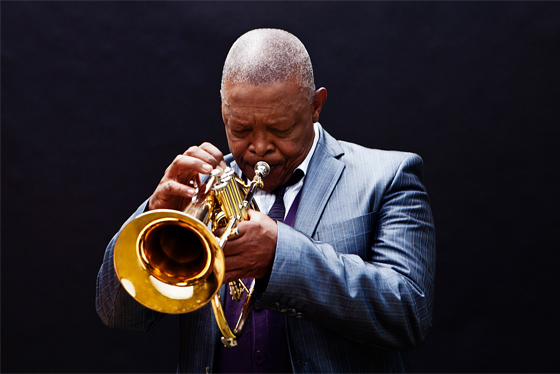 © Ghafla!
Today. On January 23, in Johannesburg, at the age of 78, Trubach and composer Hugh Maskel, who was called the father of South African jazz, died.
According to the BBC with reference to the musician’s family, the cause of death was cancer.
Hugh Maskel was born in 1939 in the village of Witbank (now Emalalangi, the Nkangal district of the province of Mpumalang), played musical instruments from early childhood, the main of them was a pipe. The first pipe by the 14-year-old musician was presented by the famous opponent of apartheid, Archbishop Trevor Haddleston, who was a chaplain school where he studied. Together with his school comrades, Maskel organized the first South African Youth Orchestra, Huddenston Jazz Band , as part of the Jazz Epistles quintet, recorded the first jazz plate in South Africa and performed at concerts that collected a huge audience in Johannesburg and Cape Town.
In 1960, after tightening government repressions in South Africa, Maskel was forced to leave the country. He entered the Gildhall School of Music and Theater (London), then moved to the United States. There he graduated from the Manhattan music school (New York), took part in the festival in Montera, recorded several hits, including Grazing in the Grass (1969), which was dispersed by a 4-million circulation.
He also played in jazz ensembles, recorded with The Byrds and Paul Simon, released dozens of albums and singles, including Bring Him Back Home (1987), which has become a hymn for the liberation of Nelson Mandela. Many songs of Maskels - such as “Soweto Blues” (1977) - are dedicated to the fight against apartheid.
Hugh Maskel participated in various social initiatives, headed the support fund for poor students of Sowo. In 1974, together with his friend, American producer Stewart Livine, he organized the music festival Zaire 74 in Kinshasa. Laureate and nominee of a number of professional awards, a double holder of the Grammy Award.