
Translated material
The 3D model of ancient Rome was created in Britain
 Intellectual partner of the project
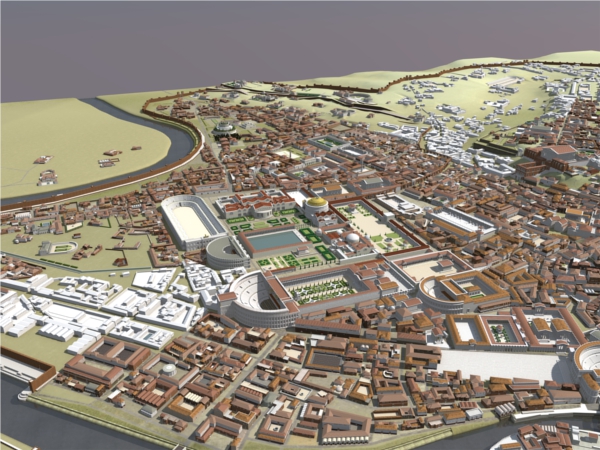
Matthew Nichols from the University of Reding created the digital 3D model of ancient Rome. The model contains thousands of buildings at the time of 315 AD, including the reconstruction of all the main buildings of the eternal city: Coliseum, Term, Temples, Palatine Hill, Forum, Market, Imperial Forums.
With the help of computer 3D modeling, Nichols and his student ED Hawkins studied lighting in the Marcell theater during the centuries-old Games, which was arranged by Emperor August in 17 BC. e., in order to celebrate Rome's entry into a new century of prosperity and divine goodwill. The celebrations took place in June and had to begin in the morning for about eight and a quarter of hours. The Marcell theater is unique by the location of the stage towards the northeast; Other theatrical platforms of Rome usually look west. Nichols and Hawkins found out that the sun was shining on stage, and not on the audience precisely during those hours when there were performances in the theater. Scientists came to the conclusion that Augusta architects specially built the theater with the expectation of morning celebrations. The clock immediately after dawn was selected to avoid the hot summer sun. However, if the performances were arranged in the Pompey Theater, the scene of which was expanded towards the West, the rising sun would shine in the eyes.
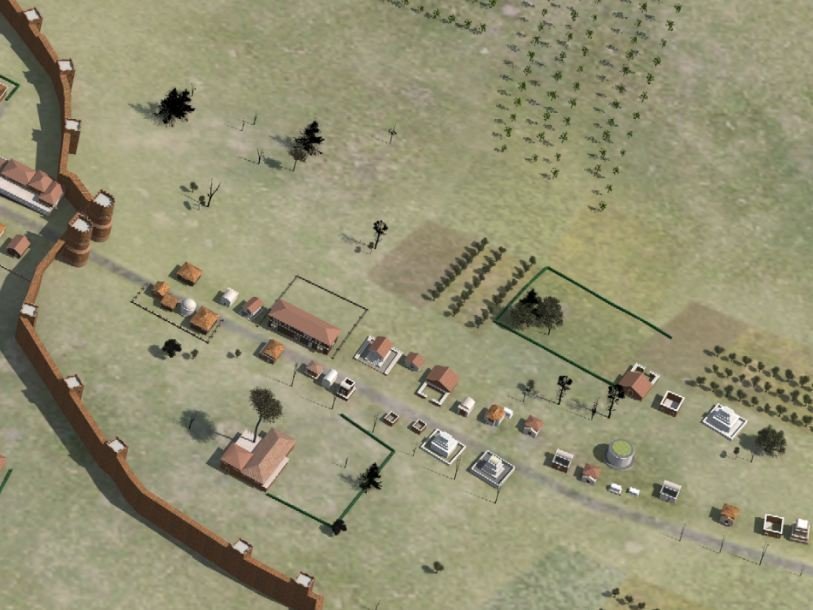
Now Matthew is working on the 3D model of the Roman settlement of Kallev , the excavations of which are carried out by archaeologists from the University of Reding in Silchester. In 1866. A bronze eagle was found in the basilica on the Roman Silchester forum, which inspired Rosemary Sutcliffe to create the book “Eagle of the Ninth Legion”.