
Translated material
"Children of the War" in Riga
Photo project "New": what are they saying about the Donbass theme in Europe
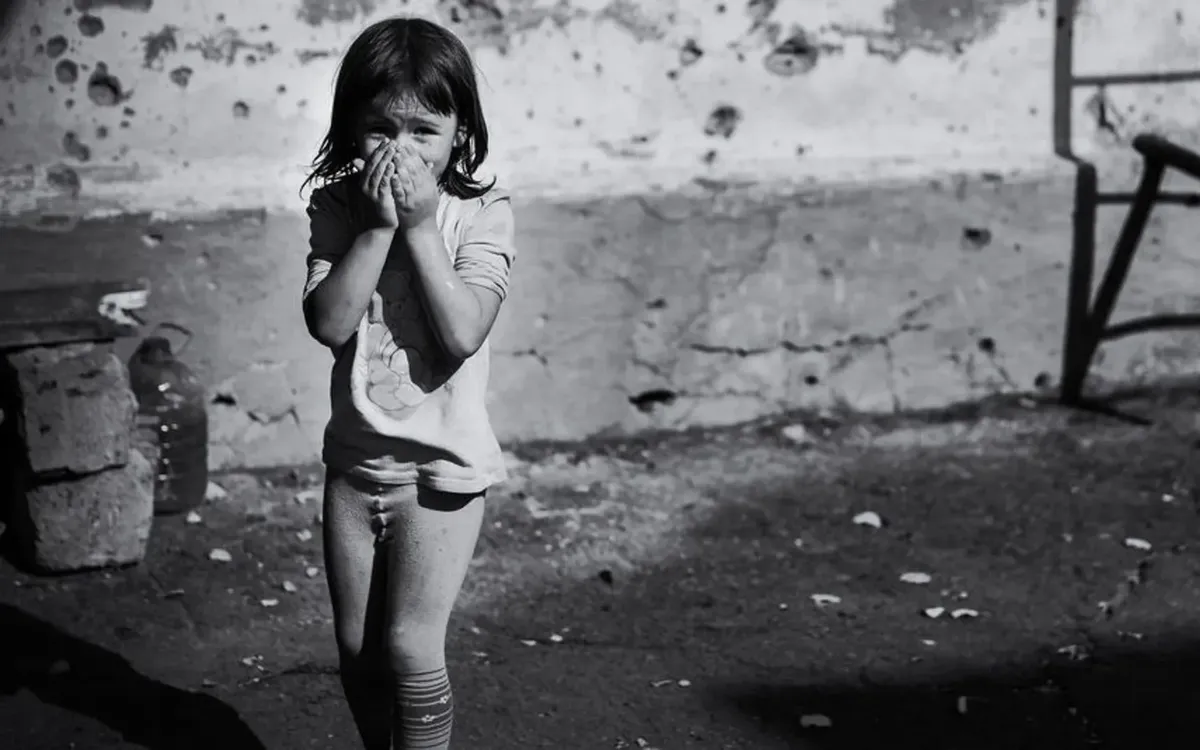
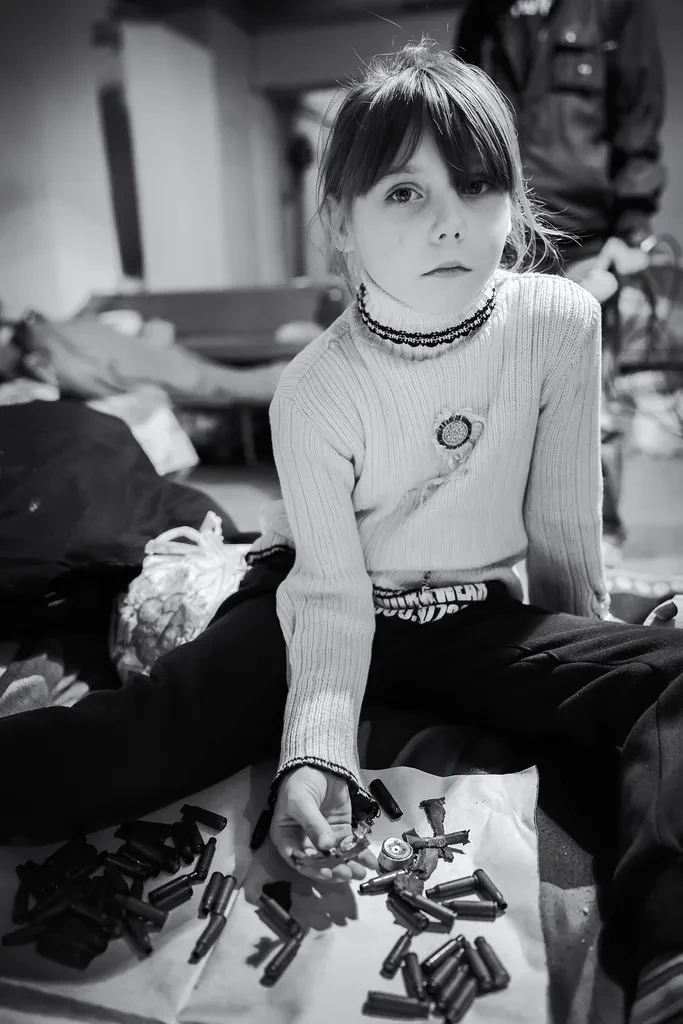
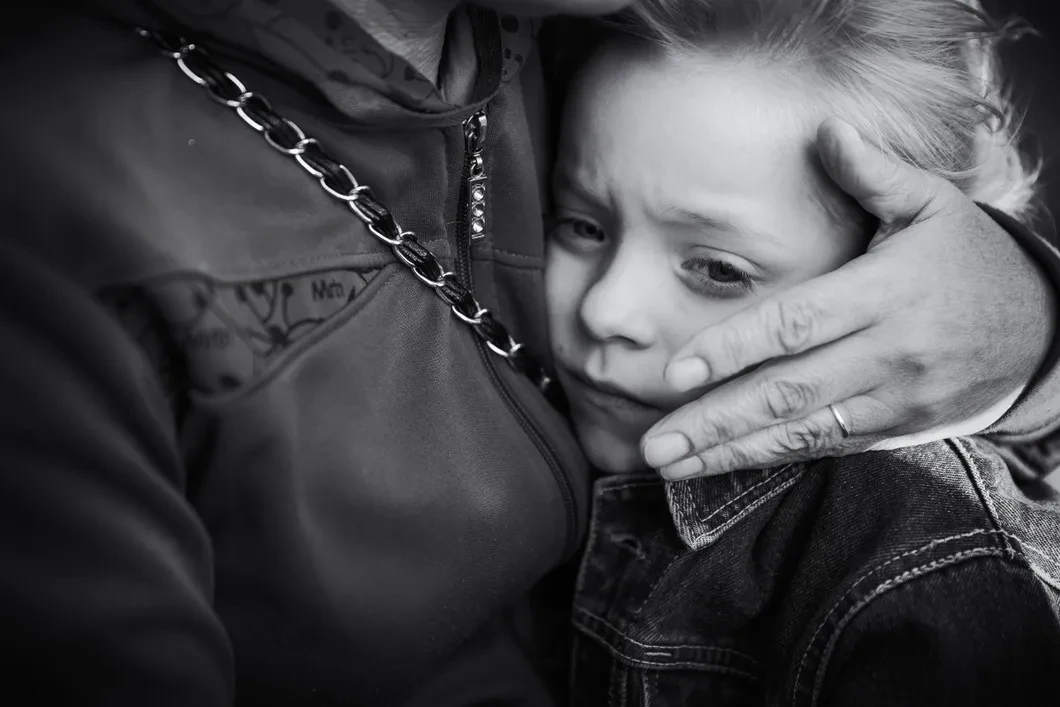
These photographs are two and a half years. We made them in the fall of 2014 when we went to the Donbass. They shot from two sides - from uncontrolled and from controlled. I found children in shelters and camps for immigrants, wrote down their stories, and Volodya Telegin, the St. Petersburg punk photographer, shot. There were eight reports in the "new", then on their basis they made a photo exhibition. In the summer of 2015, she was shown in Moscow, then Finland and now Latvia. And then, apparently, France and Italy will be.
All this time we hoped that the project would be out of place. The Ukrainian theme will leave the news agenda, and the war can be forgotten as a nightmare. But the war is not only in Donetsk, where they did not stop shooting, it is mainly in the heads.
From the very beginning we were torn to pieces. Some said: “Show this exhibition in the Kremlin! Let Putin see what he had done, how much grief he brought! " Others wrote: “The Ukrainian gang will pay for everything. Kyiv junta will soon come to an end. The geyropo who supported the junta is waiting for the same fate. ”
And so every time. Streams of hatred on both sides. The main question: “Whose side are you on? For ours or for those? " And each time I tried to explain that we are on the side of these unfortunate, to death frightened children. Sometimes they heard me, more often - no.
In Riga, the Ukrainian theme was superimposed on local showdowns. There they are now widely discussing the issue of the Russian language, Russian schools, Russian television-the one that once provoked a conflict in the Donbass. Of course, in Latvia everything is much softer, but passions are boiling too.
In Riga, they remember the scandal well with the exhibition of Sergey Melnikov “Maidan People”. Not only did he allow himself statements like "Russian -speaking should be driven into cattle wagons and sent to Siberia." It turned out that the photo was not his at all. As a result, some extremists defeated the exhibition. I think that is why we for so long, almost a year, could not find a premises for “children of war” in Riga. No one wanted trouble. The topic itself is explosive.
We were lucky. The Finnish human rights activist and journalist Oksana Chelysheva found a striking person - Dagsa Viduleis. Dags is an artist, he has a small gallery in the city center. Called Happy Art. It usually exhibits those who have already rejected everyone else. This is an important place for Riga. Discussions pass here, people of various views come here. Sometimes furious, irreconcilable. They come and say. The main pacifist principle works clearly: it is better to say than to shoot.
It was here, in Happy Art, that the evening of memory of Boris Nemtsov passed immediately after the murder. Not that DAGS was a great liberal or opponent of the Russian government. He did not even think about it. I just saw that people want to honor the memory of the murdered, and they are not allowed to go anywhere. And he invited him to him. He is ready to provide the stands to everyone - patriots, liberals, Latvians, Russians, avant -garde, landscapeers, photographers ... It is better to say than shoot.
After that evening, the gallery hacked and destroyed the page on the Internet. The reaction was softer to our exhibition. Dagsa was just blocked in social networks. Someone complained that he would promote violence. Children's faces, destroyed schools, refugee camps ... A five -year -old girl who cannot move away from shock. A seven -year -old boy who has never tried cakes in his life. The wall of the house, excreted in fragments. Yes, violence. But he is not promoted by DAGS and not us.
“People are not ready for what you are showing,” says Viduleis. - It hurts them, they are scared, they would like not to see all this, and therefore they immediately begin to look for the guilty. Putin is to blame, Ukraine is to blame - these are the images of evil. But evil in the situation itself. Give me free rein to the tears, open your heart, do not find out who is right.
- I have been a curator of exhibitions many times. And each time sponsors set the conditions: without politics, without religion, without sex. And then what will remain? You can set abstract paintings. But no blue flowers, otherwise gays will be offended. No need a lot of red - this is a communist color. Even a black square, even a primed canvas-and he can offend someone.
- Everyone is tired of tolerance, fists scratch. It would be nice to go out, as in the old days, a village to the village and fight properly. This is fine. But - do not touch children, do not use weapons. There is a line that cannot be crossed.
-I went to Tel Aviv with the exhibition, I was sure that they would meet me with bayonets. Say, you, Latvians - fascists, killed the Jews. And I know the story of my family. One of my grandfather was taken to the German legion. And the second grandfather fought on the Soviet side. And here is the battle, in winter, in the swamp. They meet and shoot at each other. Both died. And in Tel Aviv they say to me: "Your Happyart is a Jewish gallery, continuous Jewish artists." Everything was mixed up, such a story we have.
- When we joined the EU, I wrote a picture. Many, many people, globalization. All are the same, everyone wants money. Ten years have passed. And now some curators say that these are Muslims, a Muslim threat in Europe. In Helsinki, one woman said: "Previously, saints were depicted in shameal gold, and you have all the holy people." And cried. One Ukrainian businessman says: “A very good decorative picture. About how people are looking for mushrooms. ” What was good Soviet time? You will tell the joke - and everyone understands. Drivers, intellectuals, ministers. And now the contexts are different, everyone invests his own. They fought to be different, to differ. And it turned out that this was a tragedy.
- My Russian wife says: "What are you climbing into a foreign monastery with your charter?" And I want to figure it out. If I'm wrong, let them tell me, I will understand. We will sit until the morning, drink, talk - we will figure it out. If there is a desire to figure it out, there are chances of understanding.
- I have never been in war, but once I wrote a picture about it. The military, each in their form, Soviet, fascist, tsarist, Ukrainian, Latvian, American, marching a single system. Where are they going? It seems to me that on the sky.
... There was a lot of press at the exhibition. Every day we gave a few interviews. There were people from the Ukrainian embassy in Riga. There was the head of the Russian community of Latvia. Journalists, volunteers, businessmen, sellers of supermarkets. They asked about whether there are Russian troops in the Donbass. They asked about Givi, to which we have nothing to do. They persistently tried to find out who shoots at residential quarters. When I said that everyone was shooting, they did not believe, doubted. The human brain is so arranged: there must be hope, it is difficult to come to terms with the fact that evil is evil.
One journalist asked:
- Now everyone has been divided - some for Ukraine, others for Russia. And you?
“And we were not divided,” said Oksana Chelysheva.