
Translated material
Mom does not tell
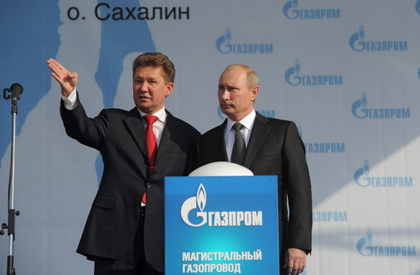 The President of the Russian Federation Vladimir Putin signed on September 11 this year “on measures to protect the interests of the Russian Federation in the implementation by Russian legal entities of foreign economic activity”.
The decree is amazing. Its essence is that joint -stock companies from the list of strategic companies and their “subsidiaries of business companies” can comply with some requirements of foreign regulatory and regulatory authorities only with the preliminary permission of the authorized structures of the Russian government. And if the "authorized structures" decide that the fulfillment of the requirements of foreign regulators violates Russian interests, permission may not be given.
The requirements that the implementation of which requires permission include: requests for the provision of any information about their activities (except for the securities required for the issue or revealed by issuers according to the laws of the Russian Federation); Requirements of changing commercial contracts and the sale of shares in foreign business, activities or property.
No one particularly hides that President Putin’s decree is designed to become an argument in the lawsuit between Gazprom and the European Commission, which aroused several antimonopolyan proceedings against the Russian gas monopoly at once. The argument is so ridiculous and meaningless that it is surprising how and to whom it might have occurred that it would work. If only because the decrees of the Russian President do not have any legal force on the territory of the European Union.
The European regulator suspects Gazprom of three types of violations in the EU markets: in the fact that it divided the gas markets, complicating free supplies to the EU countries, prevented the diversification of supplies and set unjust prices in reference to oil quotes. And as part of the investigation, European officials may demand that Gazprom and his daughters reveal information about his activities in the territory subordinate to these officials. And according to the results of the investigation, if the European Commission reveals violations of the norms and rules in the EU, it may require Gazprom to eliminate these violations and, say, sell part of the assets.
If these requirements do not comply with European law or international law, Gazprom and without any Putin decrees will be able to challenge them in European and international courts, and if they ...
I would very much like to see the persons of European officials at the time when the representative of Gazprom states that, in accordance with Putin’s decree, these Gazprom will not fulfill these Gazprom without the permission of the “authorized structures” of the Russian government. Hardly such a tirade will make at least the slightest impression on someone. European officials, most likely, simply will not understand what they are related to this. If Gazprom needs some kind of resolution from the Russian government, then this is the problem of Gazprom. And this in no way can affect the need to comply with Gazprom EU norms and rules in operations in the EU.
So if Putin’s decree complicates life, then only Gazprom himself. As well as to those Russian companies that are included in the list of strategic enterprises and who perform some operations outside the country.