
Translated material
Money does not count
Why the Moscow budget was in the center of the public scandal
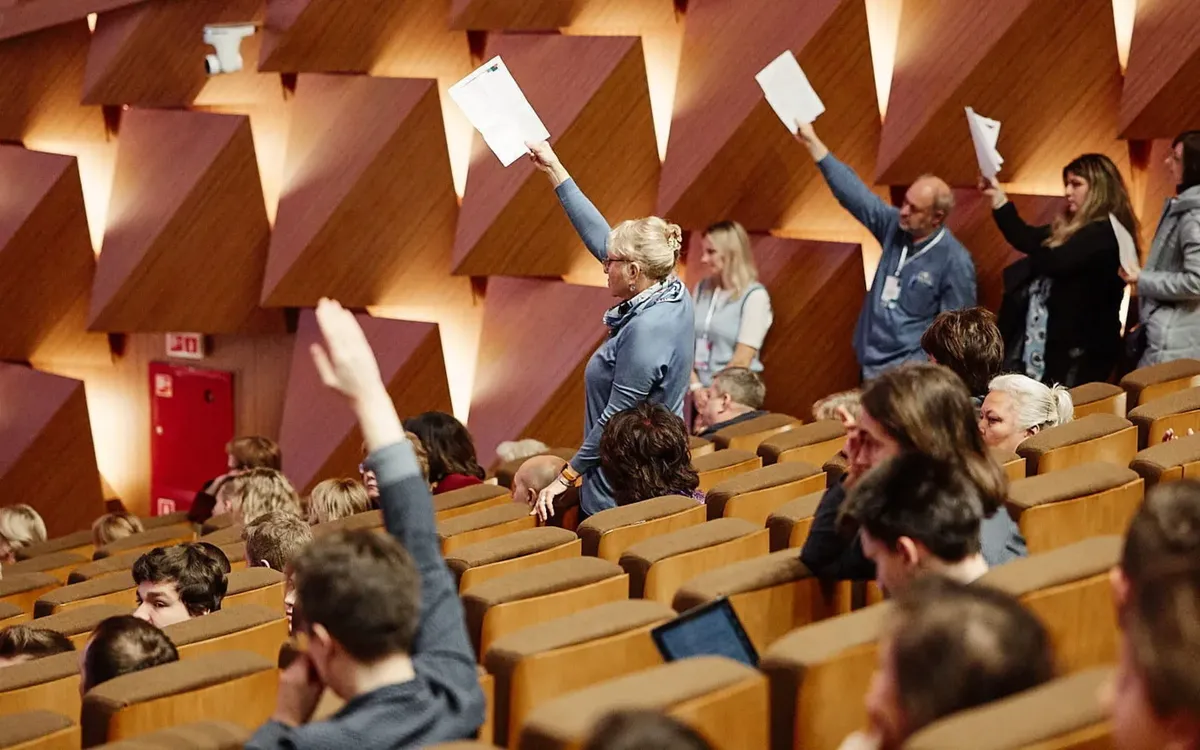
For the first time in many years, discussing the budget of Moscow is very scandalous. In the past, when the mayor's office controlled the Moscow City Duma by almost 100%, there were no special issues when approving the main financial document of the capital: adopted by most “United Russia” (and still current) regulations of the Moscow City Duma does not even provide for a serious discussion of this issue. They voted quickly, and that’s it. Only newly elected, including, thanks to the “smart voting”, independent deputies at least voiced the main problem points of the capital budget made by the mayor's office for 2020–2022. If this is not a complete discussion, then at least the beginning of a serious conversation about the truly bottomless and completely uncontrolled metropolitan finances.
There is something to discuss here. For the first time in history, the Moscow budget in 2020 will exceed the military budget of the whole of Russia in terms of expenses: if the federal budget plans to spend 3 trillion 101 billion rubles on a defense, then the expenses of the Moscow budget will amount to 3 trillion 150 billion. Roughly speaking, Sobyanin “weighs” more than Shoigu in the financial hierarchy of executive power.
At the same time, Muscovites, who, in fact, form this huge budget (the largest source of receipts are tax on individuals, and along with other taxes that citizens pay - property tax, excise taxes as part of goods and services, etc., - the contribution of Muscovites to the treasury of the city is more than half), they know almost nothing about how this huge pie is divided. Let's briefly analyze its contents.
"Socialist" is an unloved Cinderella
The Moscow City Hall likes to repeat the mantra about the "social orientation" of the budget of the capital. When you hear this, remember: this is a manipulation. In order to get the figure of “social expenses” above 50%, the city hall PR managers enter any unrelated articles (“as well as individual events of other state programs”, as in this press release).
In reality, it is easy to make sure that, for example, health and education expenses in the amount will amount to only 23.2% of the budget expenditures against 30.1% back in 2014, their share is sharply reduced. By the way, it was planned to reduce it further - you can see this from the current budget for 2019–2021, where they planned to cut out 30 billion rubles for the next year for medicine. But a wonderful turn happened after the September 8 election - so much was not in vain, and the protest voting of Muscovites at least partially had its fruits.
Why do you need such a sharp reduction in the share of costs for medicine and education, despite the fact that the Moscow budget will fluff from money, is a riddle.
Other Russian million-plus cities, which have frankly older budgetary possibilities, have about half of these expenses. But the policy of the Moscow Government, apparently, proceeds from the assumption that Muscovites are richer, which means they can be intensively expelled into the sphere of paid education and health care, clearing the field for spending on much more profitable “cutting” projects in the field of transport, housing and communal services, and improvement.
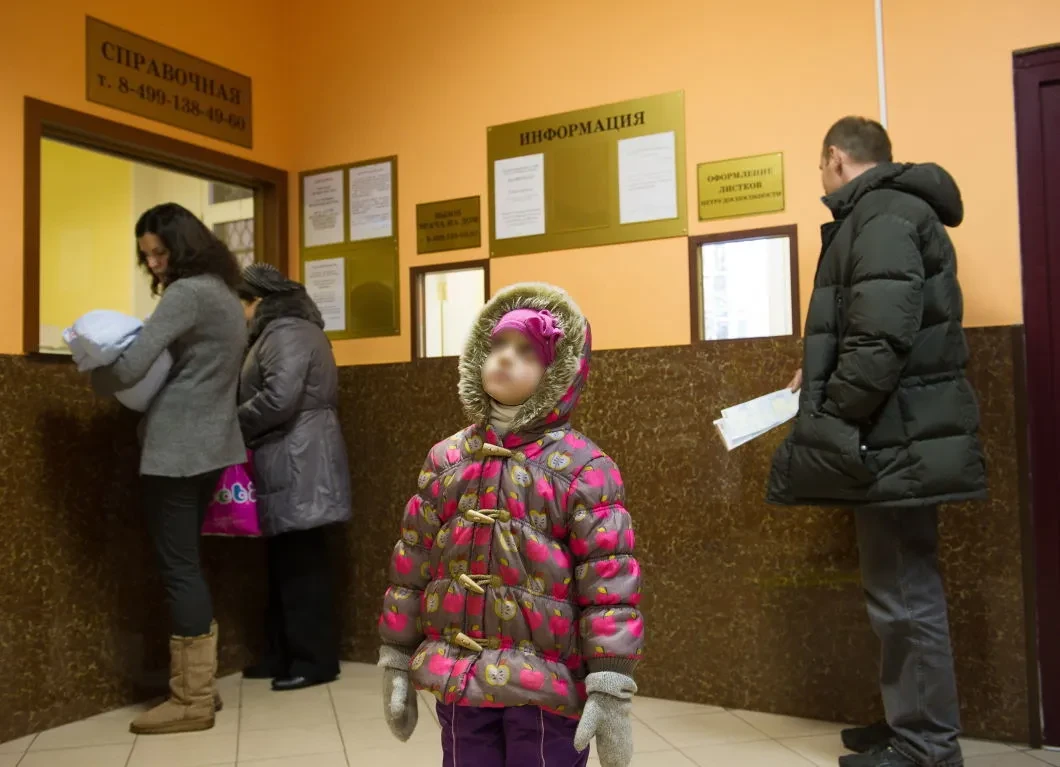
Further, the costs of articles such as “environmental protection” or “protection of motherhood and childhood”, in general, a drop in the sea, 13.5 and 8.6 billion rubles, respectively or 0.4 % and 0.3 % of the budget expenditures. Pension allowances-another 5% of the budget expenditures (in 2013 were more than 7%). Together, “more than 50% of social expenses” does not work out, according to the city hall.
Dip not dig
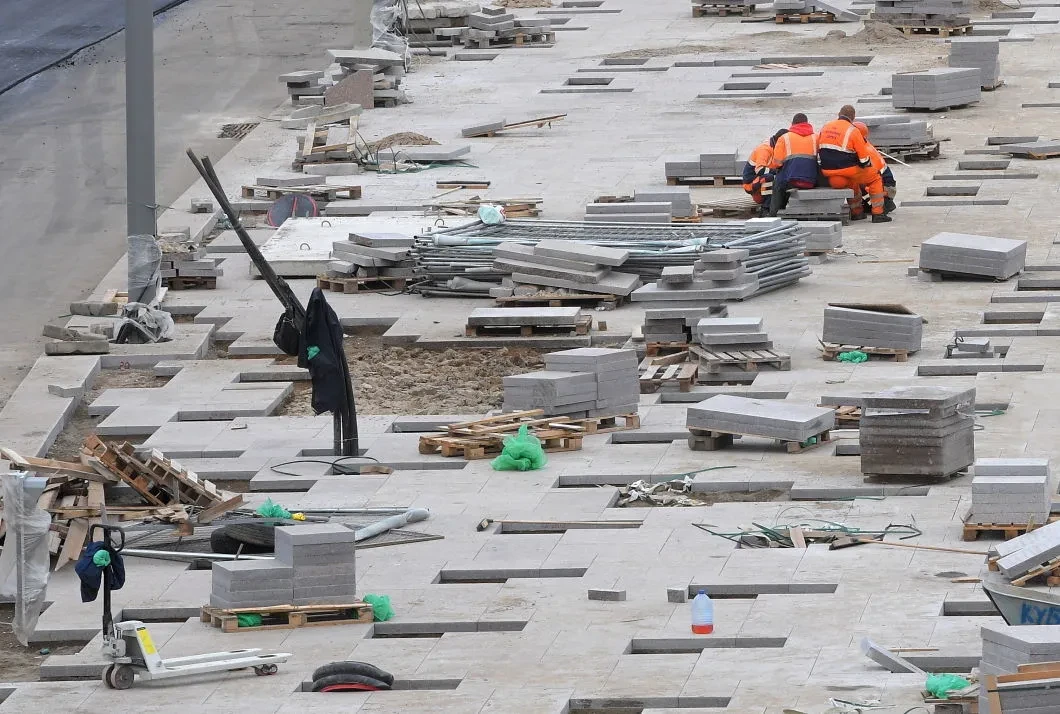
The main articles of the budget of Moscow are not at all a social nature, these are the so -called “rolling” articles that create vast spaces for the “sliding” economy. Of course, Muscovites are most indignant on “landscaping”-a constant meaningless digging of our city, which is only necessary so that someone can master budget funds on endless transfer of tiles, borders or the installation of “small architectural forms”.
In 2021–2022, the Moscow budget for "improvement" will exceed 300 billion rubles.
For comparison: this exceeds the budgets of the Federal Penitentiary Service (₽250–290 billion) and the Russian Guard (₽250–260 billion) for the same period and one and a half times more budgets of the Khanty-Mansi and Yamal-Nenets Autonomous Districts (₽200 billion for expenses each). Only one "improvement"!
Another potentially corruption article is transport. There is no doubt that the development of the transport system is in demand by Muscovites - in contrast to the obsessive “improvement”, the need for which is far from obvious. Nevertheless, this is often done with the hands of the characters familiar to us and at space prices.
For example, Arkady Rotenberg companies received contracts for the construction of the Salaryevo-Stolbovo metro station and a section of the North-Eastern Chord from Yaroslavsky to Dmitrovskoye Shosse at an average price of $ 45–53 million per kilometer.
50 million dollars per kilometer-sorry, but for that kind of money you can build a metro on the ground of Franz Joseph!
There is no public audit of the transparency of transport expenses. Meanwhile, transport is the largest article of the capital’s budget expenditures: 525 billion rubles in 2020 and 550–560 billion in 2021–2022 (this is without road expenses, which amounts to almost 200 billion rubles a year). Moscow expenses for transport - half (!) The expenses of the country's consolidated budget for the entire transport sphere without a road economy (and with the road economy - about a quarter, which is still disproportionately). Of course, the spending of such huge funds needs a dense public audit - especially taking into account incredibly generous specific prices for transport projects, implemented by all the “businessmen” that are well known to us that are well -known to the authorities. But the city hall prefers to push everything quickly and not bother with any public audit.
We ourselves are not local
Another interesting feature is the almost complete absence of its own monetary base for local authorities. Their income is only 0.2% in the consolidated budget of the capital. For comparison - in general, in the consolidated budget of the constituent entities of the Russian Federation, the revenues of local government budgets are 14-15%. The country's Budget Code specifically enshrines the standards of separate tax deductions to local budgets - but not in Moscow, where every year for each municipal district this is decided by the backstage and approved by the application to the city budget without serious discussion.
The Krasnoselsky district did not behave badly, did you vote wrong? Get a smaller contribution standard!
* * *
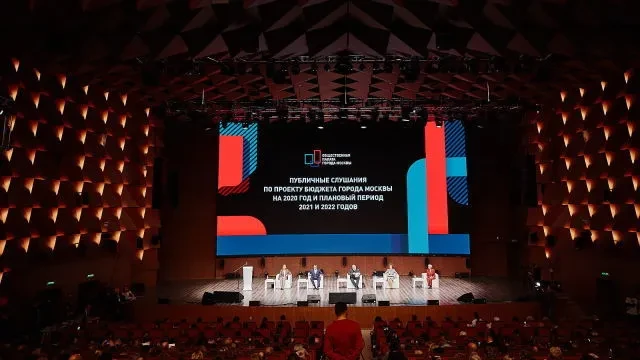
With such a huge number of problems and such an incredible scale of expenses, the metropolitan budget should be discussed and discussed for months. But we saw him only three weeks ago, but as such a wide discussion, Moscow rules do not provide for-eat what they give. The discussion is replaced by disposable directed “public hearings” in the Public Chamber of Moscow, which passed on November 5, where, according to tradition, crowds were collected from all consonant bored state employees, many people who wanted to ask acute issues were not allowed into the hall, and Lyubov Sobol simply turned off the microphone.
Apparently, the city hall has not yet heard a signal, which was sent in the September 8 elections, Muscovites who wanted to regain control of the city’s management. Well, as they say recently, we can repeat!