
Translated material
Simon Zhavoronkov: Task for FSB
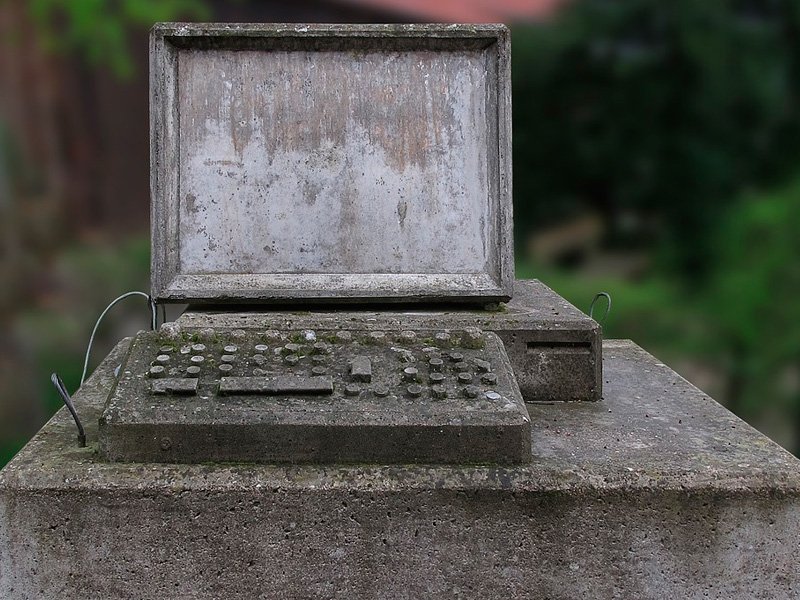
Simon Zhavoronkov  Internet Monument Pixabay
 Carnival on the street. Anonymous man in the mask / pixabay.com
 China. Pupils at school
 Internet Monument Pixabay
Deputies of the State Duma adopted a bill in the second reading, which introduces in Russia a ban on the use of anonymous proxy servers and VPN networks for access to prohibited sites. 363 deputies voted unanimously for the document, no one opposed, two refrained.
The second reading is key, in the third, final reading, only technical editing can be made to the document. By the second reading, the deputies changed the procedure for identifying services that are used to bypass locks. If this was proposed before this was proposed by Roskomnadzor, now the responsibility for the search for anonymizers and the VPN is entrusted to the FSB and the Ministry of Internal Affairs. To determine the provider through whom the anonymizers work, Roskomnadzor will be only upon request from law enforcement agencies.
The bill on the ban on services that help to bypass blocking was submitted to the State Duma only in June 2017, but the lower house of the parliament did not postpone the discussion of the document in a long box - it is expected that it will be adopted until the end of the spring session, that is, back in July.
The most harmless norm of the bill is abolishing the register of bloggers, which was created in 2014.
Carnival on the street. Anonymous man in the mask / pixabay.comBlocking VPN services is a much less pleasant idea. The fact is that VPN services are easy enough to block, for this you just need to prohibit access to the sites that offer them. In theory, this is easy to get around-for example, now there are Telegram channels that offer VPN services, but there will certainly not be many people to use them.
However, it is almost impossible to completely block the access of Russians to prohibited sites. So, in the most popular browsers there are functions of compressing information that drive off the content of sites through the server of the owners of the browsers, so purely technically the user addresses the blocked site, but to the server, to which the government has no complaints.
There is also an anonymous Tor network that could not be blocked even by the Chinese authorities. True, it is very difficult to use it in China, so only technically savvy citizens of the Middle Kingdom do it.
If the goal of the state is more to block access to prohibited sites for the maximum number of users, and not to absolutely all Russians, then we can assume that it is quite achievable.
China. Pupils at schoolAccording to the head of the Roskomsvobod project, Artyom Kozlyuk, who are part of the State Duma adopted today in the second reading of the bill of amendments, can “complicate access to the VPN and anonymizers, but not to solve their task”.
It should be noted that on Wednesday it became known that the State Duma will be reduced to the state of social networks, his new edition will be prepared by deputies Sergey Boyarsky and Andrei Alshevsky. This information was confirmed by Boyarsky. “We took into account the comments that we received, we will reconnect the project. This is not a review, another procedure, technical. <...> We’ll just change the text a little bit, ”he said. He explained that the changes will be made before the first reading, "so as not to hang [the bill] to the second reading."
Earlier, the review of the bill and its introduction in the new version was reported by Kommersant with reference to a source in the State Duma. According to the publication, this was due to a negative feedback on the document of the Presidential State Administration, as well as the comments of the legal department of the State Duma and the Committee on Information Policy.
The bill said that “inaccurate” and “defaming” information on the user’s statements should be removed from social networks. The authors of the document referred to the experience of Germany, where a law is adopted, requiring social networks urgently delete illegitimate content.
The bill, among other things, establishes a fine for social networks for unscrupulous moderation for the amount of up to 50 million rubles; At the same time, nothing was said about the criteria for the illegality of the content in the document.
See also: Mikhail Broud-Zolotarev about the idea of fine social networks for poor content of content Artem Kozlyuk about the new powers of the Federal Tax Service on the Internet of the Internet Ombudsman criticized the idea of banning anonymizers