
Translated material
Everything is against the ruble
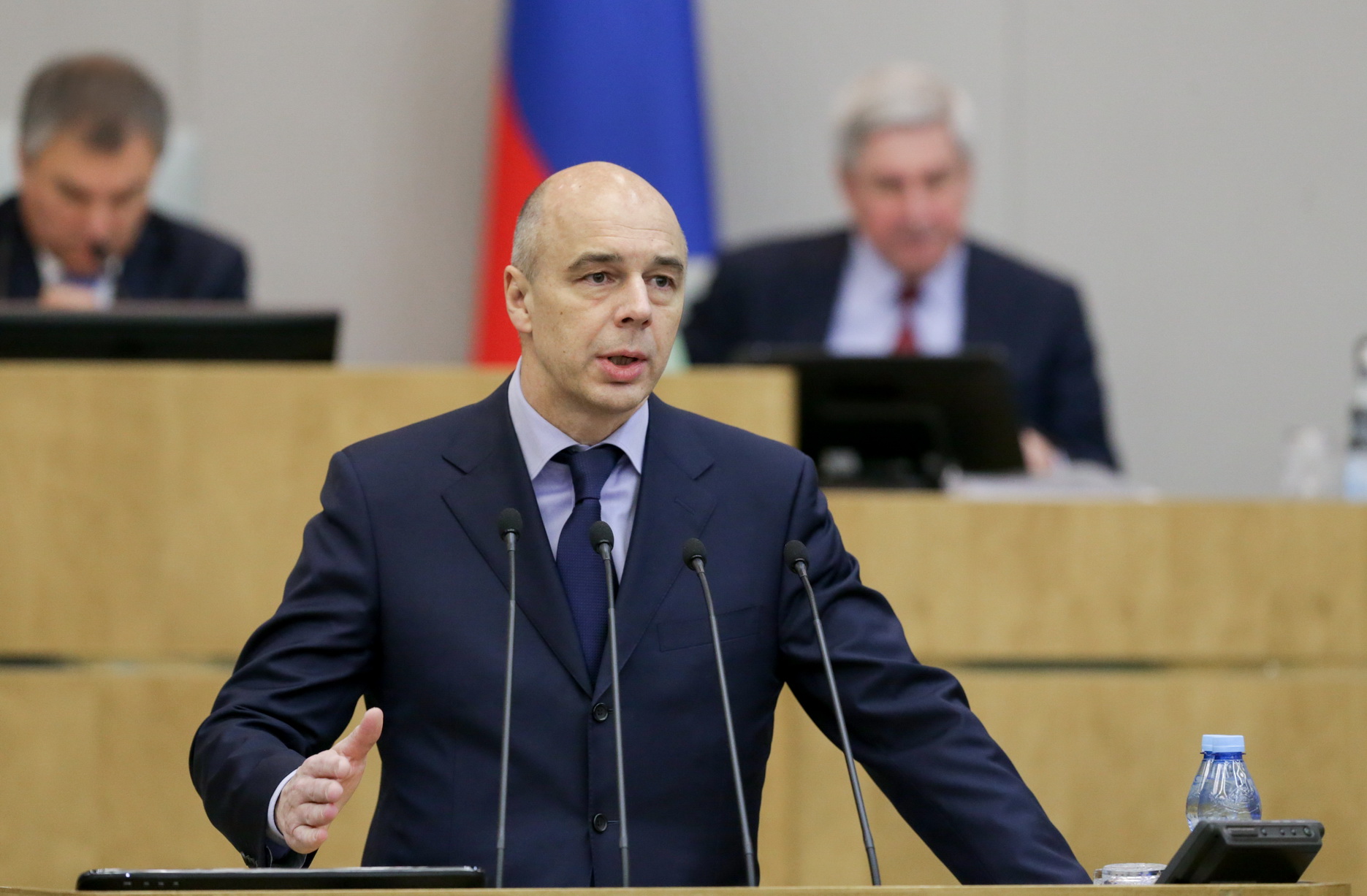
The Ministry of Finance calculated the main budget parameters depending on the application of the “budget rule”, which in 2017 can be included in the budget code. Officially, these data are not published, but Reuters refer to them.
It is assumed that the new “budget rule” will be that the government will have to convert part of oil and gas revenues in sovereign funds depending on the price of oil. At the same time, the budget for 2017 will definitely not fall under the new “rule” - now the Ministry of Finance is storing over the treasury of the Treasury in the Bank of Russia on the export of oil exports and can spend them when oil prices fall below $ 40 per barrel.
Based on the calculations of the Ministry of Finance, it turns out that in 2017, at a price of oil of $ 40 per barrel, the average annual dollar rate should be 69.42 rubles, the federal budget deficit - 3.1% of GDP, and the waste of reserve funds - 1.8 trillion. At the current oil price of $ 55 per barrel, the budget deficit will be 1.5% of GDP, the waste of reserve funds - 464 billion, and the dollar should be approximately 10% higher than the current one, at the level of 64.9 rubles.
 Oil TerminalTransneft.ru
Moreover, as Kommersant writes , the logic of calculations of the Ministry of Finance suggests that without the application of the budget rule and without the devaluation of the ruble, the federal budget is possible only with the price of oil in $ 76 and above. And the current rate, in the region of 60 rubles per dollar, is completely impossible. In the implementation of the “budget rule”, it will reach this level with oil about $ 75-80 with a budget surplus of about 2% of GDP and the increase for 2017 of the reserve fund by more than 2.3 trillion rubles.
Meanwhile, the ruble should be cheaper in the near future, not only the layout of the Ministry of Finance is said. RBC writes that the current week will be rich in events that may affect the currency course. In total, they are able to lead to a noticeable increase in volatility, financiers warn. The main event of the current week, experts call the beginning of regular foreign exchange interventions by the Ministry of Finance. And on Friday, February 3, the volume of the first interventions scheduled for a month will become known. The second important event of the week is a meeting of the board of directors of the Central Bank of Russia, which is also scheduled for Friday. Slowing inflation increases the likelihood of reducing the rate  The Central Bank, although the Bank of Russia itself stated that they would only be reviewed by the bet in the spring. However, the statement that will be issued following the results of the meeting can form an idea of what decisions the Bank of Russia will make in March, which will affect the course.
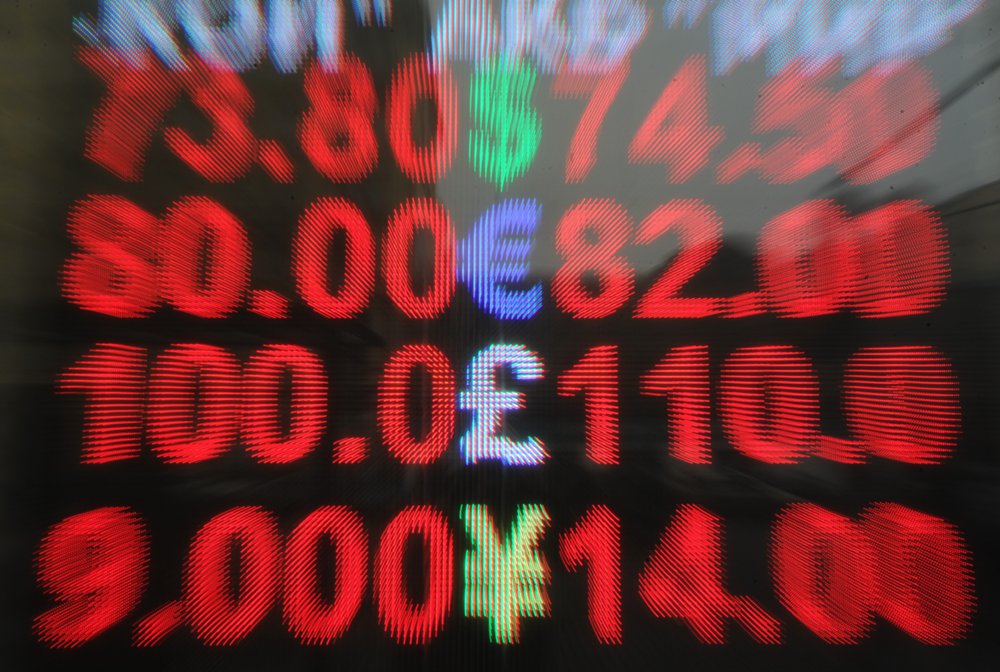 Current Course of Currencies AGN "Moscow"
Against the background of statements about currency interventions of speculative investors, they change. A short ruble position for a week from January 18 to January 24 grew by almost 54%, from 1483 to 2279 contracts, or a maximum from December, it follows, as RBC writes , from the US trade commission, the US raw materials trade. Thus, large speculators in the person of hedge funds have increased one and a half times the number of bets on weakening the ruble against the background of speculation that the intervention announced by the Russian authorities in the foreign exchange market will cause the weakening of the Russian currency, the excessive strengthening of which threatens exporters. At the same time, the clean long position on the ruble increased by 669 contracts to 17,465. This indicates that most traders still do not risk playing against the Russian currency.
The only thing that speaks in favor of the ruble is the likely cancellation of the United States of anti -Russian sanctions. The Bloomberg agency interviewed 27 economists about the influence of the abolition of US sanctions on the Russian ruble course. Most of the respondents said that in this case, the national currency of the Russian Federation could be strengthened by 5-10%. In the second most popular place was the answer, according to which the ruble is waiting for a fortification of 1 to 5%. This opinion expressed 41% of respondents.