
Translated material
Where did the content of the toilets go under the king?
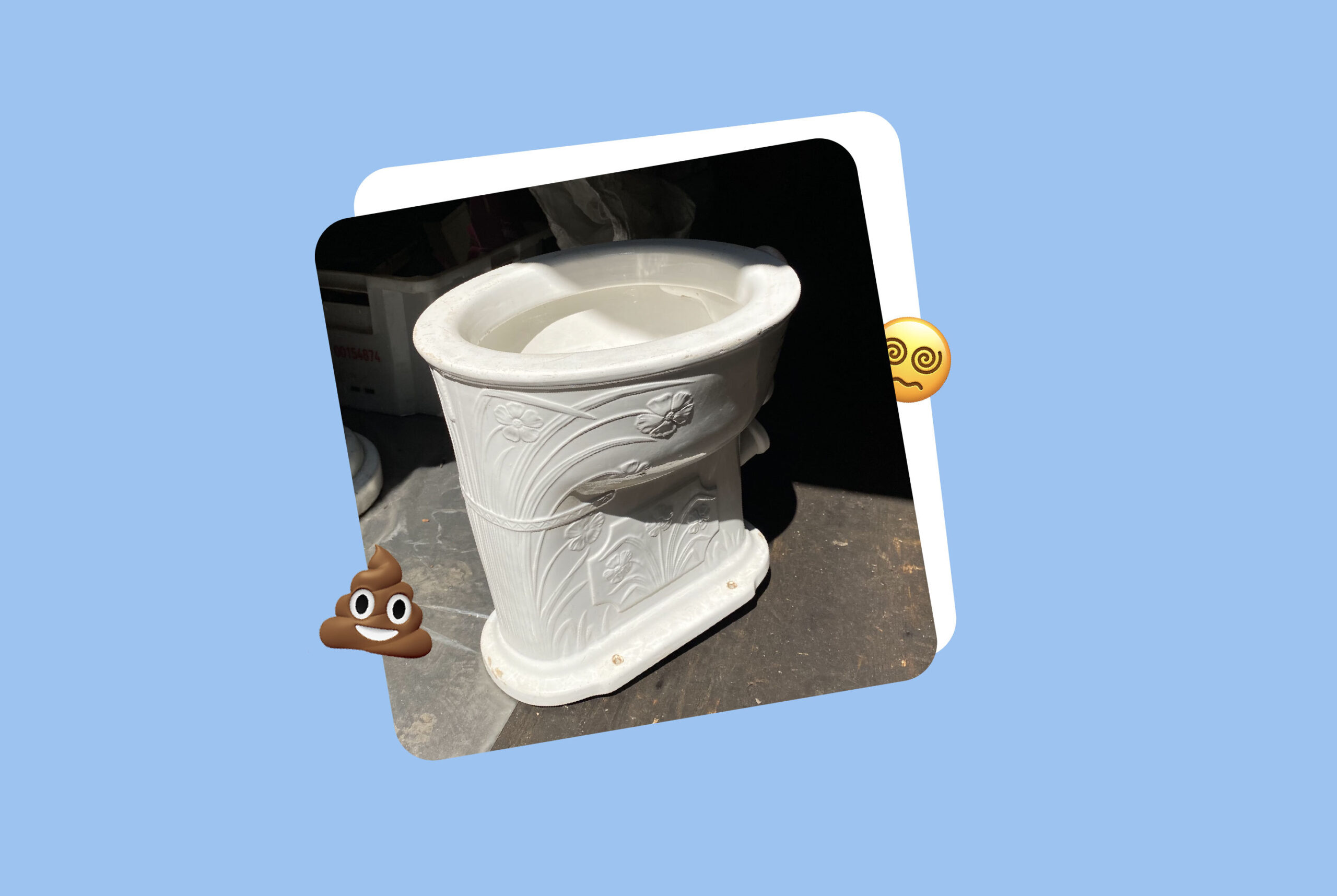
1917-1918
Subscribe to the newsletter of "Papers" with stories of St. Petersburg houses and their inhabitants here
In St. Petersburg at the beginning of the 20th century, there was electricity, telephone communication and central heating, but there was no system for collecting and cleaning the contents of the toilets. The feces were taken to city landfills or dumped into rivers and canals - this led not only to an unpleasant odor, but also to epidemics of infectious diseases.
“Paper” is published by the story of the local historian Alexei Shishkin from the weekly mailing list “The amazing stories of St. Petersburg houses and their inhabitants”, dedicated to solving the sewer problem. Read about the first wastewater treatment station, plans to fall asleep the Catherine Canal and the idea of torpedoing barrels with feces in the Gulf of Finland.
To get stories about Petersburg every week, subscribe to our newsletter .
How Petersburgers lived without sewage
So, in the yard is the very beginning of the twentieth century. About one and a half million people live in St. Petersburg, and every year the imperial capital grows by several tens of thousands of citizens. New profitable houses grow everywhere, largely reminiscent of modern ones. At least, they have electricity, telephone communications, cold water supply, waterogene, not to surprise anyone with baths and batteries of central heating. Then there were even showers, sometimes with a hydromassage function according to the method of Dr. Sharko.
But what was not was the system of centralized collection and cleaning of the contents of the toilets. Of course, porcelain and earthenware toilets have already been installed, but the pipes from them went into storm drains, and from there to city rivers and canals, or into specially equipped cesspools in the yards. Immediately next to the pits were yard toilets like rustic. They were called "stinks" before the revolution.
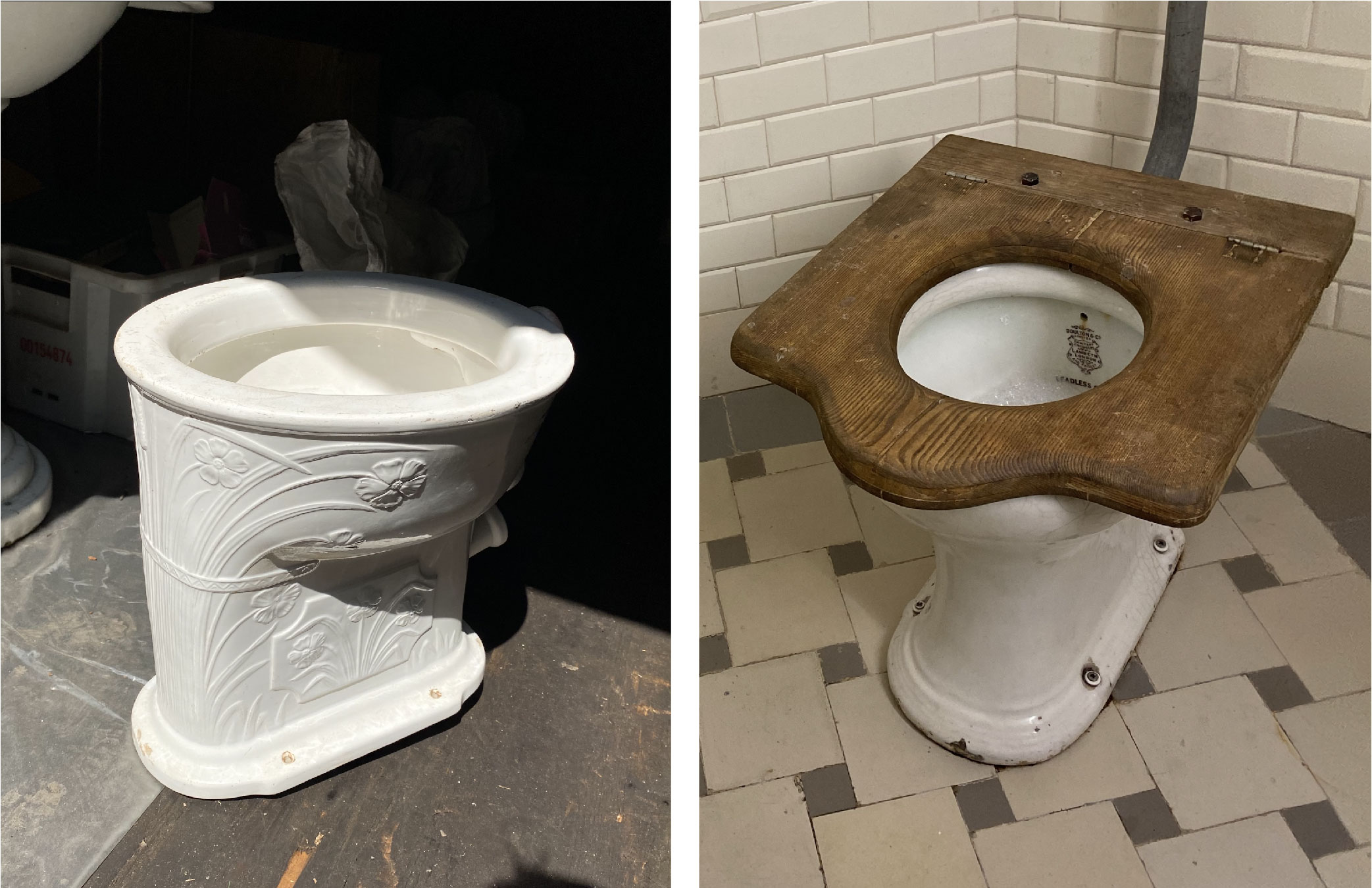
By decision of the city council "gold" from pits could only be extracted at night. Then it was either sent to urban landfills, the so -called hot fields in modern Moscow and Nevsky districts, or was exported by suburban farmers as a fertilizer.
One of these farmers was a wealthy Finn from Toksov Semen Kondka, the father of the writer Yuhani Conki. Here's what Yukhani tells in his novel “The Lights of St. Petersburg” about them with Mikko’s brother experience in the disposal of metropolitan waste:
“The“ good ”was taken out in large, tightly closed boxes and only at night ... Mikko traveled at sunset and returned with dawn. Pulling the contents of the box on the field, he straightened the horse, sewed it, set the food, and taking care of it, had a tight breakfast himself and fell to sleep for the whole day. My task in that winter was to scatter “gold” across the field. It was mixed with snow, in the cold this mixture turned into a cereal, and then it was scattered with shovels in the snow, and never into the snowless sections of the field. In the spring, when the snow began to melt, this strong concentrate of fertilizer, turning into water, leaked into sandy soil. They resorted to such a method so that the pure “gold” would not burn the plants ... Although the gold was rented specially intended for this clothes in the stable, a stench penetrated with it, which did not disappear in any way. Mother was often angry that every winter there is nowhere to go from this binding stench. ”
Love the history of St. Petersburg? Subscribe to the local history mailing list of "Paper" 🏤
Not only bad smells, but also much more significant threats made the question of creating a sewer system with filtering drains acutely relevant. Even where there was a storm sewer, which could be dropped at the same time at the same time (although it was formally prohibited from 1845, the ban was broken everywhere), the sanitary question remained - the pollution of rivers and channels led to epidemics of cholera and typhoid abdominal, mowing citizens once every few years.
Well, where the only solution to the waste problem was pits and Finnish gold trucks, a threat of floods was also added to bacteriological danger. In areas without a storm, the flooding of streets, basements and even the first floors was familiar not only when the river exit from the coast, but also simply during heavy rain or in the spring. For example, in April 1915, Polyustovo flooded 70 centimeters from the ground level, when a sudden thaw simply melted snow.
But if the issue of Livnevka somehow managed to solve, then the discharge of feces into city rivers and canals and contagious rotting water remained a constant for the imperial metropolis. In total, before the revolution, more than 60 projects for the construction of a centralized sewage system and treatment facilities were proposed, but at least one of them came only in 1903, not in St. Petersburg, but in Tsarskoye Selo.
How the problem was solved in Tsarskoye Selo
In the September mailing cycle, we said that the town at the imperial residence was considered the most comfortable and clean in the country. And when in 1901 several cases of typhoid fever with the threat of growing into an epidemic were recorded in it, the authorities finally got down to business. They called the sanitary commission chaired by the Minister of the Imperial Court of Baron Vladimir Fredericks.
The high meeting decided to take the following measures: to organize the removal and burning of household garbage, to clean city rivers and ponds, to modernize the water supply system and sewage. The last paragraph was instructed to engage in a military engineer, teacher of the Nikolaev Academy of the General Staff Konstantin Griboedov.
In 1903, a grandiose construction unfolded in the neighboring Tsar’s village of Tirilee. Here they decided to erect the first in Russia station of wastewater cleaning with an area of 167 thousand square meters. Almost 30 years later, in memory of the technological breakthrough, the road next to this object will be called the filter highway.
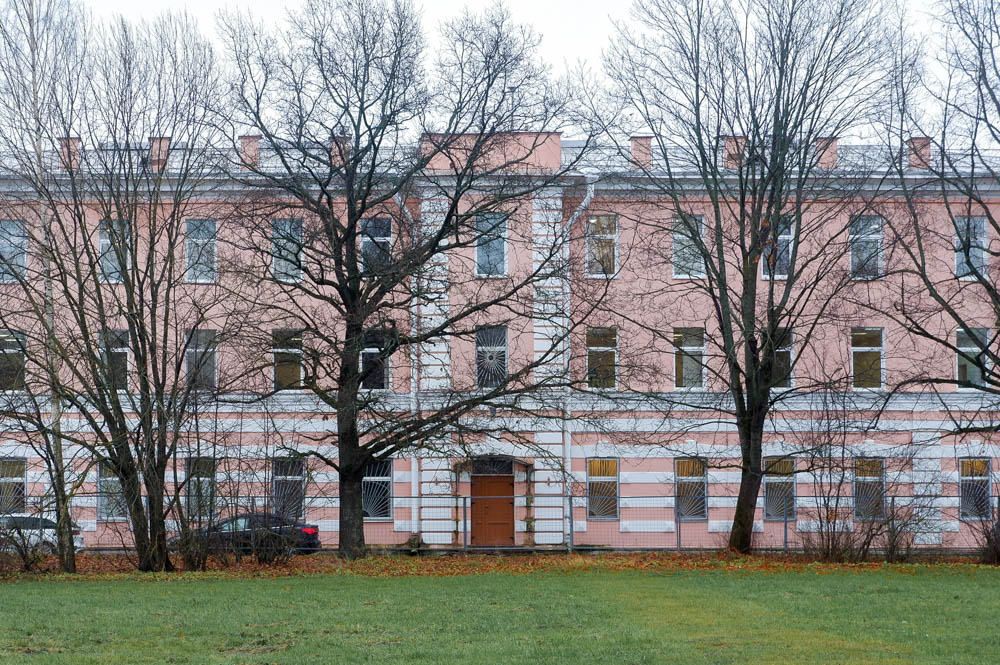
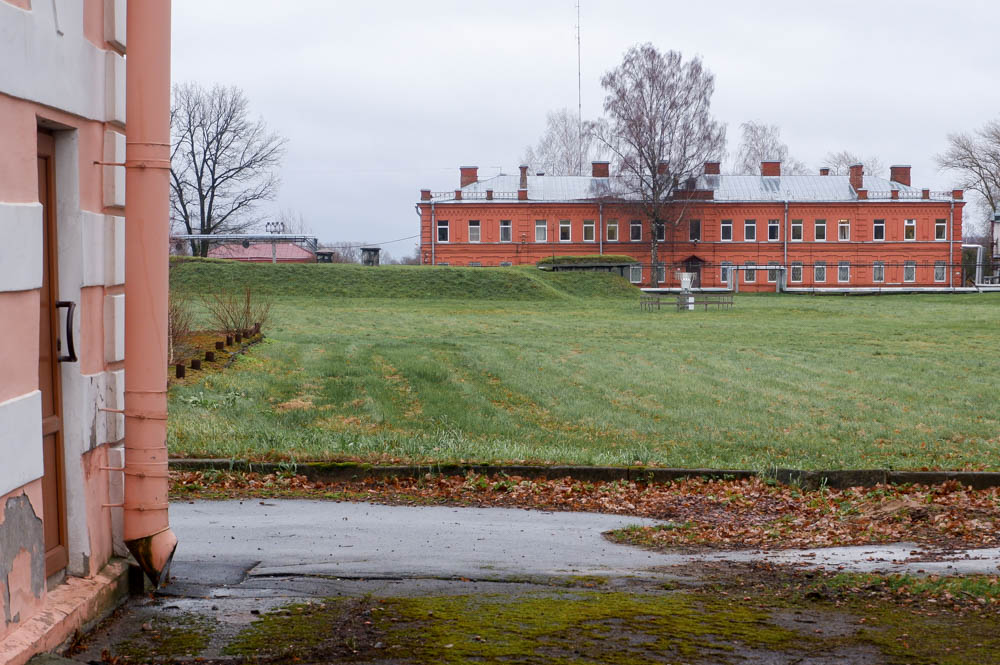
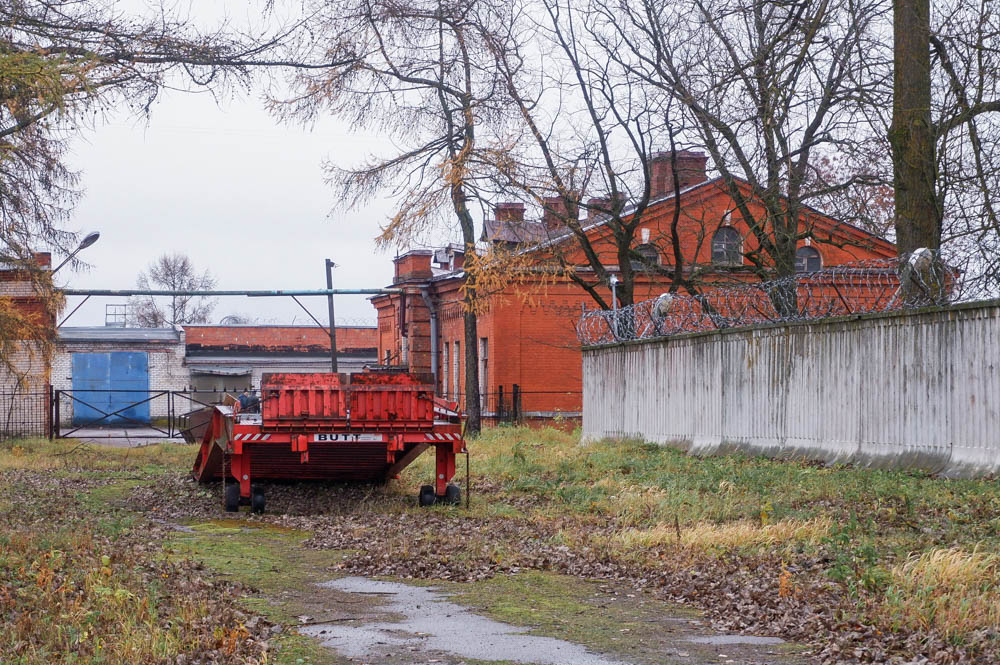
The station was built according to the latest European technique. The project was based on the materials of the 1900 sanitary congress in Paris, which summarized the Western experience of solving a fecal problem.
A ceramic pipeline was laid on the royal village: polluted waters first leading to individual houses, and after the seven main collectors were drained into the station basins. The total length of the new sewage system was about 48 kilometers. Tyrvois is located just below the city, and therefore, for pumping sewage, almost no additional efforts were required, but in seven places the gravity pipes were complemented by pumps.
At the station, sewage first merged into the “septic tank”, where they were subjected to primary cleaning with biological products, and then double cleaning with drip filters. Finally, along another wide pipe, already purified water merged into the Slavyanka river.
By the standards of the era, the process was the pinnacle of environmental and sanitary thought. In addition, for heating the buildings of the Griboedov station, he came up with the use of garbage -burning furnaces. The heat from solid waste was transmitted to the system of pipes that penetrate the entire complex.
The station built a house with apartments for employees, stables, laboratories, a house for the manager, a power station and many small outbuildings.
The station worked in 1905. At first, about a quarter of the buildings of the Tsarskoye village were connected to it, but by 1918, most of the city structures were able to abandon cesspools.
The laying of the sewage system, together with the construction of a new water supply, had an effect: before the revolution in Tsarskoye Selo there was no longer a single epidemic of cholera, and the indicators of children's mortality became the lowest in the country. Konstantin Dmitrievich became a hero for all supporters of a scientific approach to sanitation. By the way, in 1904 he himself settled next to the station - in the house on the Kolpino highway.
How the Catherine Canal almost fell asleep
But Petersburg himself remained, where everything was completely dysfunctional. City rivers - contrary to the ban - took waste fluxes. Especially suffered from the Catherine Canal, which the townspeople called the "ditch". At first this word was not offensive. This was the name of all artificial rivers, in this meaning the Russian term was preserved, for example, in the Finnish Kanava. But it was the Yekaterininsky, the largest of the channels in the center of the city, for a long time built in residential buildings, that turned into a ditch in a modern sense - a smelly cloak filled with half water, and half uncleances.
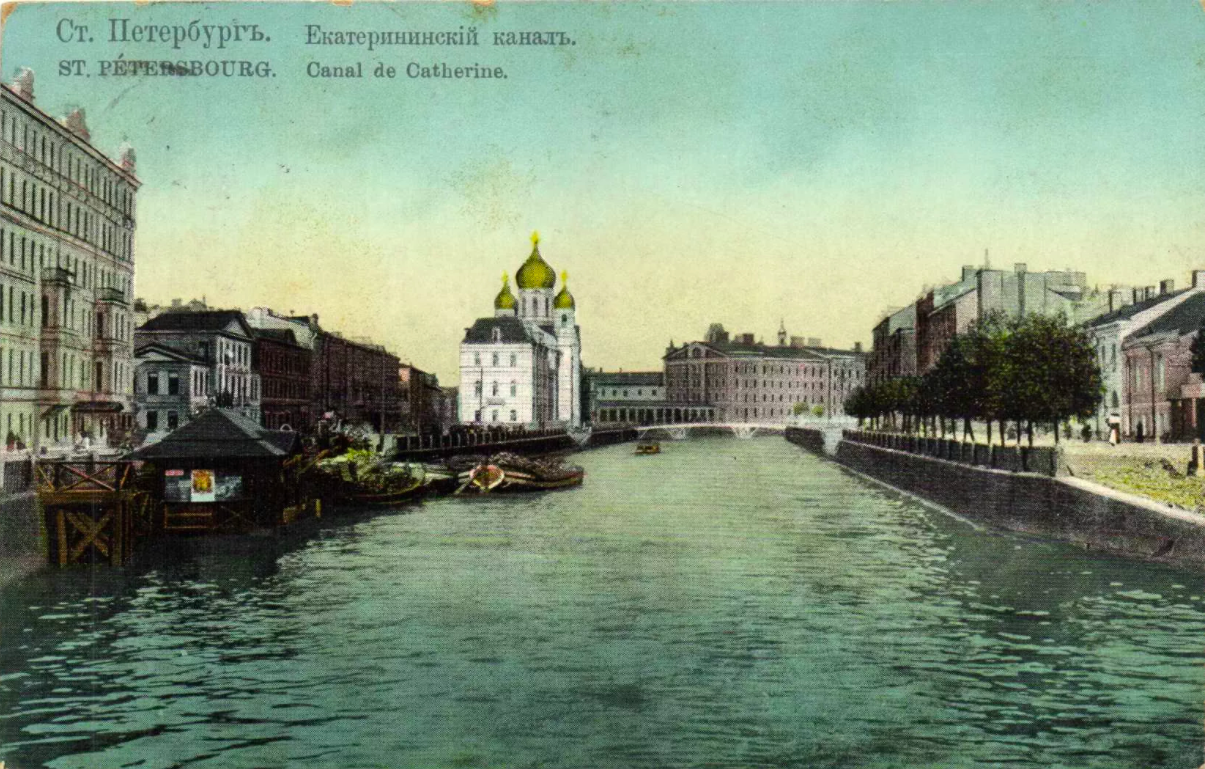
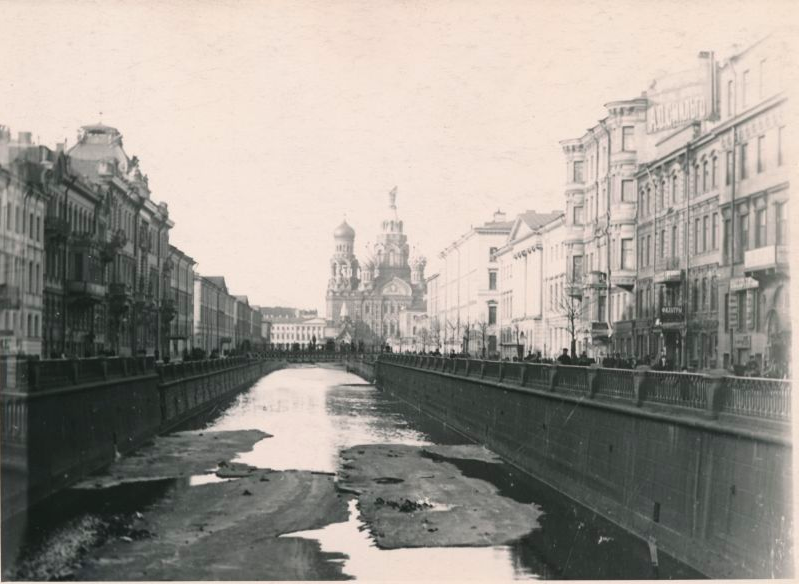
In 1904, the City Duma voted for the liquidation of the Catherine Channel. It was decided to enclose it in a concrete pipe, fill it with soil on top and lay a wide boulevard with a tram movement. This was already the second attempt to eliminate the “ditch”.
The first in 1869 was undertaken by a team, the face of which was the court architect Nikolai Benois. Alexander II liked the idea, but as a result, the laying plan instead of the channel of the Prospekt “Way of Glory” with cogna and monuments to the rulers - from Rurik to Alexander the Liberator - was rejected, pointing to the excessive material interest of the authors. They asked them to transfer the right to operation of the horse’s line along the channel’s highway for 50 years, and at the same time all the materials of the dismantled embankments and bridges.
The author of the new project was another specialist in the Nikolaev Academy, professor, Major General Nikolai Alexandrovich Zhitkevich-one of the many apostles of reinforced concrete construction at the beginning of the twentieth century, the author of books and lectures about it. The construction of a giant pipe in the city center opened incredible opportunities to demonstrate the properties of its favorite material.
Nicholas II has the highest project. He also found other influential supporters. For example, a living classic of St. Petersburg architecture Pavel Suzu, the author of the house of Zinger and the first society of mutual loan - the most spectacular buildings on the shore of the canal, campaigned for Boulevard. The idea was also supported by householders, with which the backfill of the canal promised a significant increase in the cost of the plots.
For the channel, in turn, the first city defenders and ... engineer Griboedov joined. At the meetings of the sanitary commission, Konstantin Dmitrievich sharply criticized the project of Zhitkevich, indicating that he would not solve the problem of pollution of water, but only literally drives underground. In addition, to digest the channel, if necessary, will be much more difficult than burying. Instead, the engineer suggested taking advantage of the experience of the Tsarskoye Selo: to clean the channel and not to drop it anymore.
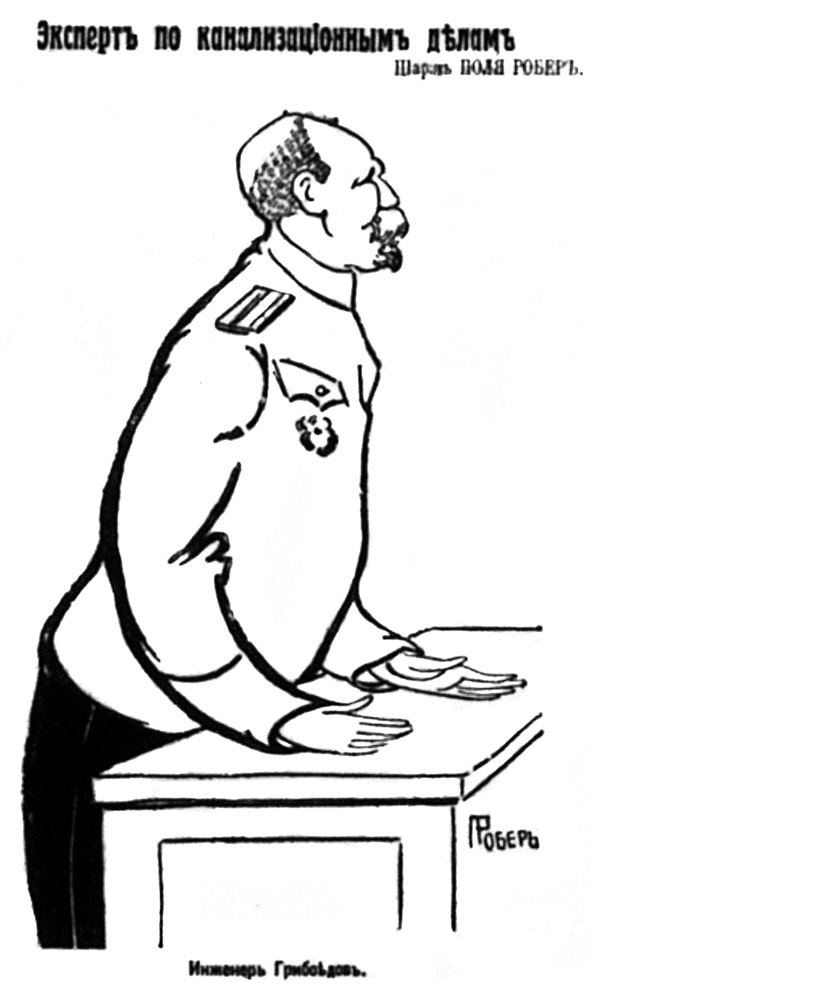
For this plan, which seems rational to us, and contemporaries are outrageous, and the economical thought voted. However, the stench from the channel in the city center was so outraged by the townspeople that even after a formal abandonment of the Zhitkevich project, they returned to the idea again and again.
Already in the spring of 1905, the popular daily newspaper Petersburg List wrote:
“The unfavorable climatic conditions of St. Petersburg, it would seem, should especially encourage the city’s fathers to take care of other elements of health, to bring impeccable cleanliness, sewage in the city, to exterminate the poisonous cloaks, such as the Catherine Canal ... Before the onset of heavy time, all these Augi stables, called the Petersburg rear courtyards and corner apartments.”
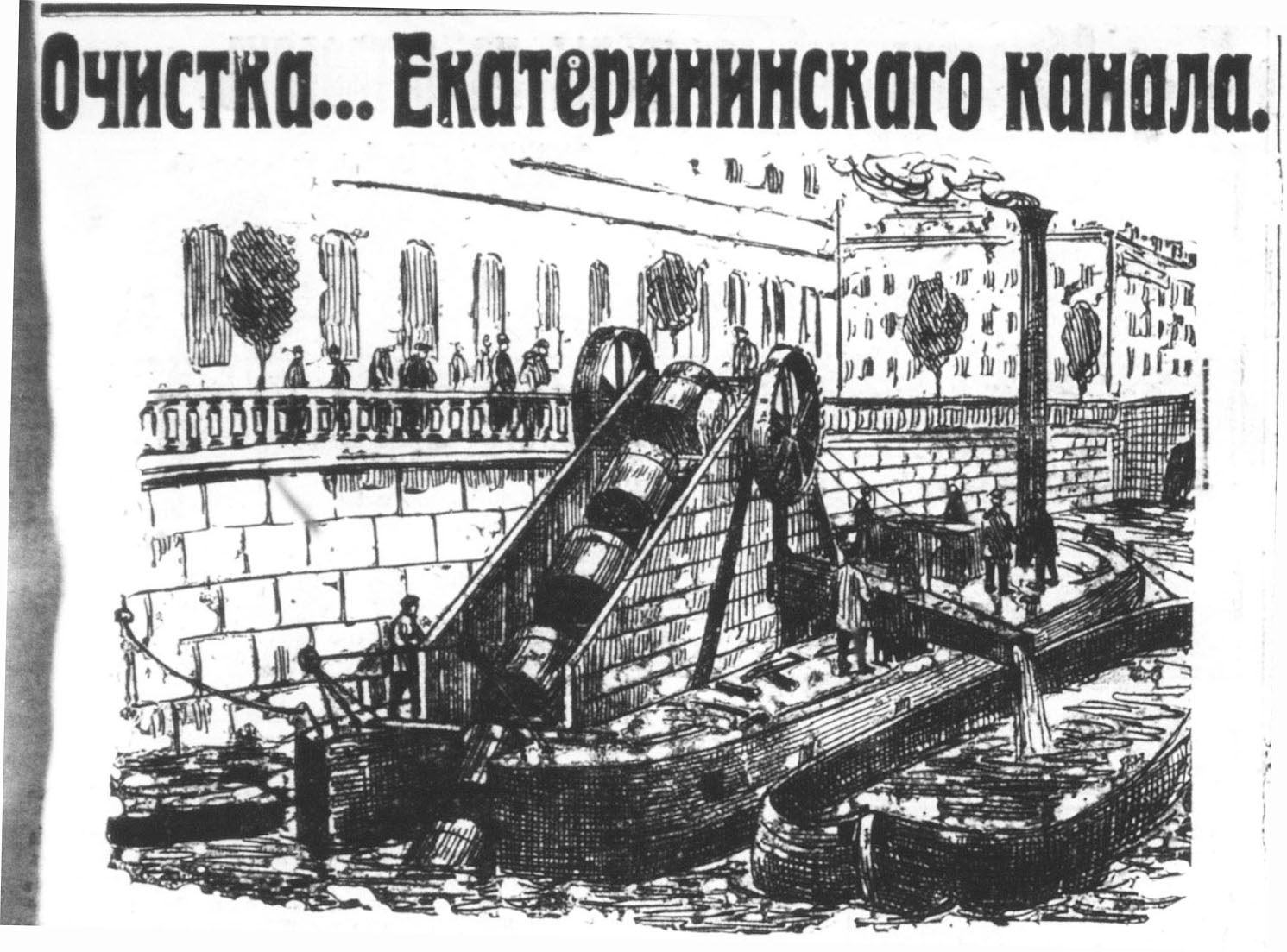
The skepticism was heated and delays in cleaning the channel. It began only on July 31, 1911. And this is how the same “leaf” responded to her:
“The cleaning work (instead of the highly approved backfill) of the Catherine Canal took a completely real form two days ago. Before the building of a mutual loan, near Nevsky Prospekt, an ordinary Kanal type of zoom barge with a scoop system appeared. The car is already driven by local inhabitants and can observe and smell the results of the excavation of the bottom of the famous cloaca - the Catherine Canal. A consistently zoom machine will pass throughout the channel, comforting the ill-fated permanent inhabitants of it, that the dirty water ribbon will still poison the health of the capital's residents for tenderness to our Lord mayor, so hard to preserve this sad monument of old St. Petersburg. ”
Under the lord-mayor, most likely, is meant the mayor Daniil Drachevsky, known for the attention of urban ecology, but here is criticized.
However, this had nothing to do with Griboedov. Konstantin Dmitrievich at that time was carried away by the preparation of the sewage plan of the Vasilievsky Island, as well as the creation of the exotic system of "feces". According to the engineer, from cesspools of impurity, it was worth taking to special feces on the streets of the city. From there, with the help of compressed air, they were torpedoed into the Gulf of Finland in the manner of pneumatic mail. In 1912, Griboedov, even at his own expense, built such an experimental "fecaline". Alas, Konstantin Dmitrievich died on December 12, 1913 at the age of 55, never seeing Petersburg, cleared of drains and stench.
Is the Griboedov channel true in honor of the engineer who saved him
And after exactly a decade, in 1923, the channel saved by the engineer was renamed the Griboedov channel. This gave rise to a stable legend that the former “ditch” was named after the fighter with feces. Alas, the version is ridiculous, but not reliable. This is clearly indicated by the fact that in the first years after the change of former name the channel was called the writer Griboedov. The formal reason for the assignment of such a toponym was the fact that the author of the “grief from the mind” lived for several years on the embankment of the Catherine ditch in the house No. 104. Now he, which, beyond recognition, is rebuilt, known as the house of an old proponent from a completely different Petersburg writer.
Well, the achievements of Konstantin Dmitrievich Griboedov almost disappeared in the post -revolutionary devastation. The sewage system of the Vasilievsky Island with the very “feces” before the revolution was never built. It began to lay it in the mid-1920s already using other technologies.
With the Tsarskoye Siellarm, it was also not everything was okay. In 1924, Petrov, head of the general department of the Children's City Executive Committee, reported to his superiors:
“Network devices ... have not been repaired for more than 20 years. At present, they have collapsed, the water appears out and flows along the street tray for 2 years, completely polluting the trays ... and spreading unpleasant odors ... Although the mentioned collapses do not cause external performances of water, but they fill the entire territory of the hospital (former palace hospital on the 7th Hospital Street, then Proletkulti Street - Equally A. Sh.) infected with dirty water. "
The dilapidated state of the Kidselsk sewage system posed a threat, including for Leningrad. The sewage from a large suburbs again began to enter the Slavyanka in a significant amount, and then into the Neva, just near the place where there was one of the city water intakes. Not to mention the fact that the river turned into a waste ditch delivered a lot of inconvenience to the residents of the children's village and Slutsk (Pavlovsk).
“The Slavyanka river is currently shallow and cannot take the suspension in it. The latter settles at the bottom and banks of the river, spreading stench and infection, ” the same Petrov testified.
As a result, the city received funds to restore the Griboedov sewer system. It lasted a decade until 1934, and immediately after the completion of recovery work, the modernization of treatment facilities began. By the way, it is believed that around this time the utilities of Soviet Leningrad reached the pre -revolutionary quality and volume of services provided to the population. And to this day, the inhabitants of Pushkin and Pavlovsk are partly used by Konstantin Dmitrievich Griboedov. It would be nice to name at least a ditch in his honor.
What else to read: