
Translated material
Viral pneumonia in China
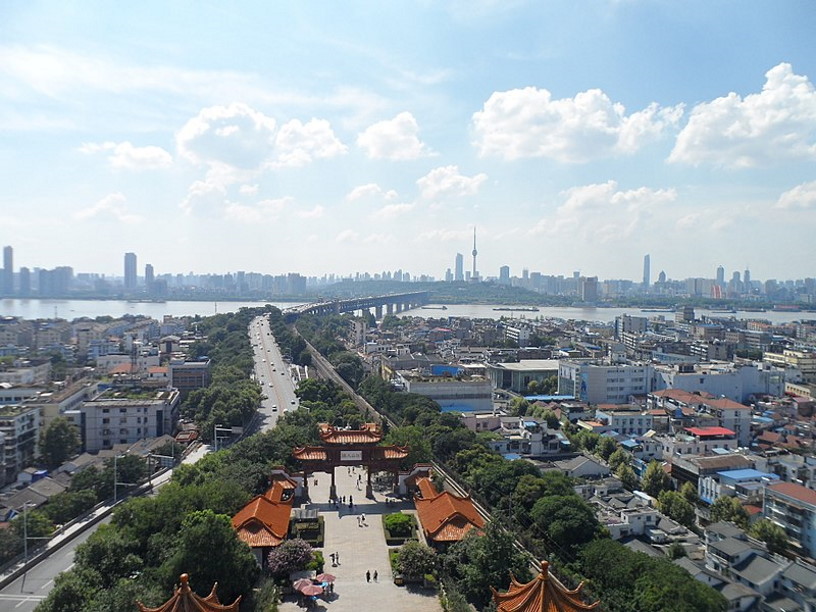
Since the last days of December, from the large city of Ujan, the capital of the Chinese province of Hubay, reports about the sick viral pneumonia. Doctors fear that the disease is caused by a new virus, which people have not previously encountered.
Wuan is located on the Yangtsy River 690 kilometers west of Shanghai, its population exceeds 11 million people. The first hint of the problem appeared in the public space on December 30, when local media reported on the instructions of the city health commission, in which hospitals were ordered to report unusual cases of pneumonia. The next day, the commission published an official message that a number of local hospitals reported cases of pneumonia related to the wholesale market of seafood Juanan. In total, according to December 31, there were 27 sick hospitals, most of them traded in this market. The first case of the disease was registered on December 12. Seven patients were in serious condition, two recovered and prepared for discharge, the condition of the rest was stable. All patients were isolated, and people who contacted them were supervised.
Late in the evening of January 3, the city authorities distributed new information. Now it has already been mentioned about 44 cases of unusual pneumonia. The condition of eleven patients was evaluated as serious. Under the observation, 121 people who contacted patients were taken. Cases of transmission of infection from person to person were not marked. Doctors said that this is not a flu, not a bird flu and not an adenovirus infection. The disease was called "viral pneumonia of unknown etiology." After that, the city authorities closed the seafood market, which was allegedly the center for the spread of infection.
The new viral infections and the YI Guan ( YI Guan ) University Honey Guan, whose research in 2003-2004 helped to identify the source of severe acute respiratory syndrome (SARS, “atypical pneumonia”), notes that in this case, rapid response and public warning demonstrate obvious progress for China. Earlier, when in 2002 the spread of SARS, caused by the previously unknown virus, China was fairly criticized for inanoperativeness in taking measures and lack of transparency.
And Guan also notes that it is not easy to identify cases of pneumonia of unclear origin, because in winter there are dozens of patients with pneumonia in infectious hospitals in large cities. Although Guan himself does not participate in the work of the medical services of the city of Ujan, he says that, according to unconfirmed data, among the sick there were a man who owns a shop in the very market, and his mother, who often visited his son. Their relationship makes you suspect an infection from a person to a person, although, since both of them were on the market, one cannot exclude the fact that they could both be subjected to the same source of infection.
Local journalists report that not only seafood were sold on the market. There you could buy other animals, including alive. Therefore, rumors about the return of SARS, “atypical pneumonia”, whose virus mutated and switched from bats to the sequettes, which were sold in the markets of southern China, have already begun to spread on the Internet. In the district of Foshan, Guangdong Province in 2002, a man for the first time became infected with this virus. In 2002-2004, atypical pneumonia, 8098 people fell ill in 37 countries, 774 patients died. The authorities of China arrested several people for allegedly disseminating unverified information on the Internet, "providing adverse social impact."
On the morning of January 6, an official message followed that a heavy acute respiratory syndrome (SARS) and Middle Eastern respiratory syndrome (Mers) were excluded from the number of possible causes of viral pneumonia in the city of Ujan. However, doctors consider the emergence of a new virus, the source of which was the wild animals sold in the market. The number of cases reached 59. There were no deaths, but some patients are still in serious condition. The healthcare authorities of Ujan called on residents to immediately seek medical help in the event of respiratory symptoms or fever, especially long.
“The epidemiological connection of these inexplicable cases of pneumonia with the market, which sold not only seafood, but also wild animals, implies that this is a new pathogen who has passed from an animal to a person,” says microbiologist Yuen Kvk Jung from the University of Hong Kong. Given the successes of China in the field of epidemiology, infectious control and laboratory diagnostics from the time of outbreak of atypical pneumonia, Yuen considers it unlikely that this current outbreak will lead to a serious epidemic similar to atypical pneumonia.
In Hong Kong, doctors found symptoms of pneumonia in sixteen visitors from China. The sick are under supervision. One case was revealed in Singapore: a three -year -old girl, who had been in Ujan shortly before, fell ill with pneumonia and was hospitalized. However, Later, the Singapore Ministry of Health reported that the girl’s pneumonia was caused by a respiratory syncytial virus (a very common cause of respiratory tract in children) and was not associated with cases of disease in Ujan. Singapore health authorities also announced that from January 2, temperature control will be carried out for passengers arriving at the Changi International Airport from Ugani.