
Translated material
Lebanese provocation
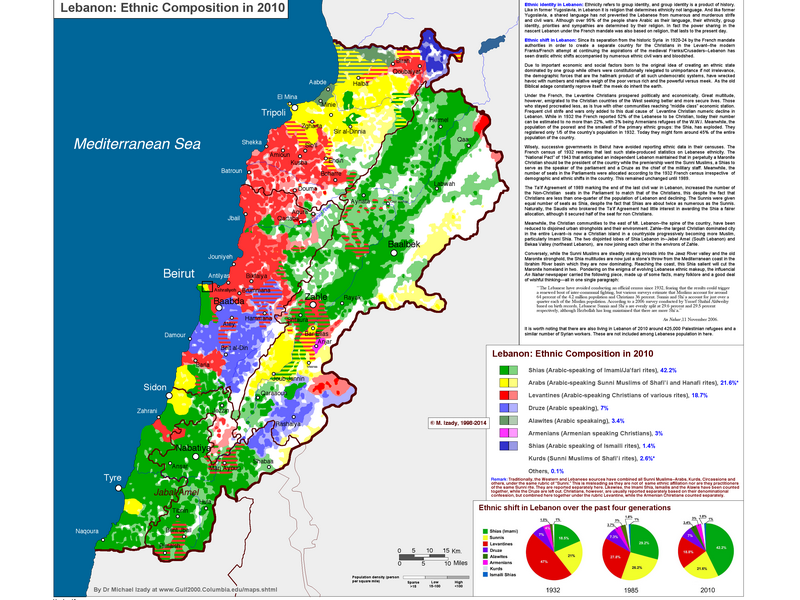
Daily Beast analyzes the situation in Lebanon after the largest terrorist act in the country that claimed the lives of 43 people over the past year. On Thursday, a terrorist-samobitan blew himself in one of the densely populated areas of Beirut. This happened at an hour when the believers diverged from the neighboring mosque after an evening prayer - the explosion was such a power that some were covered with fragments of neighboring buildings. 239 people were injured in varying severity.
For the explosion, the organization prohibited in Russia took responsibility. The goal is declared “the killing of Shiites”, but the meaning of the action can be much more specific. The area where the explosion occurred is traditionally considered one of the "home" territories of the Hizball group and it was the address that this message was addressed, analysts believe.
From the very beginning of the war in Syria, Hizballa was actively involved in the conflict, although for a long time it was sequentially denied. The Shiite group appears on the side of the government forces of Bashar al-Assad, supporting them in the southwest of the country. Iran traditionally provides military assistance to her, whose military specialists and special units are also present in Syria. The main opponents of the Hizballs all this time were the rebels -Sunni, opposing the government - such as the "Al -Nusra Front" and other groups - at the same time, directly with the HIZBALLA IS units have not yet had a common front.
However, since the entry into the war of Russia, the military power of the Iran-Asad-Hizball axis has increased significantly and the Sunni groups decided to move on to active actions against the Lebanos. Explosions in Beirut, as the publication believes, is designed to again strengthen the long -existing split of Lebanese society. After the attacks, Shiite leaders predictably called for retaliation - and above all, this could affect their own compatriots -Sunnis. Those, in turn, receive additional arguments for pressure on the government in order to force the state to restore the Shiite group that provokes such acts of terrorism on their native land.
Khizballa carries out actual control over part of the regions of the country. Grouping is an example of the most effective experience of the “export of the Islamic revolution”. Thanks to constant fueling from Iran, she was able to increase the huge arsenal of weapons and form a large number of trained militants, dozens of members of the Hizballs are members of the Lebanese parliament, the organization has an extensive resource of administrative influence. Lebanese Sunnis, Christians and Druze have the reason not to be satisfied with this state of things. For Sunite radicals, this is one of the motives for joining the Sunni terrorist groups in Syria. Now, when, according to analysts, Hizballa will inevitably move on to punitive actions in the country , there can be much more such volunteers.