
Translated material
Martyr Olga Kosheleva
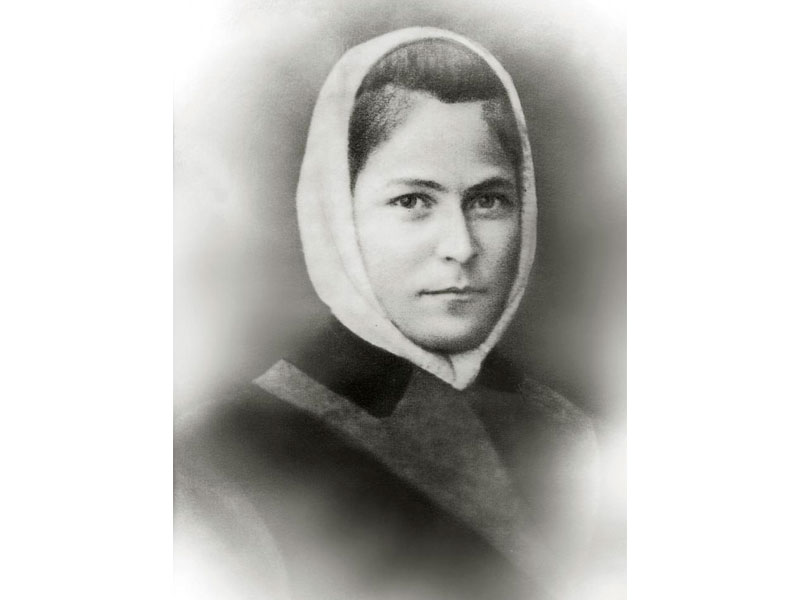
Olga Kosheleva is a peasant daughter from the village of Nizhny Beloomut, Zaraysky district of the Ryazan province. Andrei Koshelev married a working tanny factory and lived with her husband and children in Moscow near the Church of the Assumption of the Blessed Virgin Mary in Gonchary, was a receiver of this temple.
On October 27, 1938, 64-year-old Olga Kosheleva was arrested by denunciation and imprisoned in the Tagan prison.
- You are accused of counter -revolutionary activity. The investigation requires you true testimony on this issue!
- I did not engage in any counter -revolutionary activity.
- The fact that the Soviet government innocently arrests the clergy, closes the church without the consent of believers, did you say?
- Yes, I said that; And now, seeing how they faultly arrested me, I say once again that the Soviet government innocently arrests the clergy and believers. Churches are closed without consent to that, which is a race of religion and clergy.
- For what reason did you speak against the ongoing events of the party and Soviet power?
- according to their religious beliefs; The Soviet government is struggling with religion, which led to repeated statements by me against the events of the party and the Soviet regime.
- The investigation is known that in personal conversations with your acquaintances, you expressed terrorist moods in relation to the leaders of the party and Soviet power. The investigation invites you to give truthful testimony on this issue.
- I have never expressed any terrorist moods to anyone.
Witnesses were called, in particular, the chairman of the Church Council of the Assumption Church, but they only confirmed that Olga Kosheleva in the presence of parishioners said: “Lord, that is only being done in the white world, everywhere the church closes, and the clergy and believers are innocently arrested and sent to remote places. This is not life, but one torment ... ". However, none of the witnesses accused Olga Koshelev of saying terrorist sentiments, and the investigator did not want to call as a witness to the informant. The prosecutor, who was given the case from the NKVD to receive permission to transfer it to the court, found the crime proven, but only only on the basis of agent reports of the secret informant; But since the NKVD did not want to reveal his name, the prosecutor ordered to send the case for extrajudicial consideration to a special meeting at the NKVD.
Olga Kosheleva died on March 6, 1939 in a Tagan prison and was buried in an unknown grave.