
Translated material
There is no "bottom"
Why even the threat of one’s own life causes a reaction of passive submission. The opinion of the psychotherapist
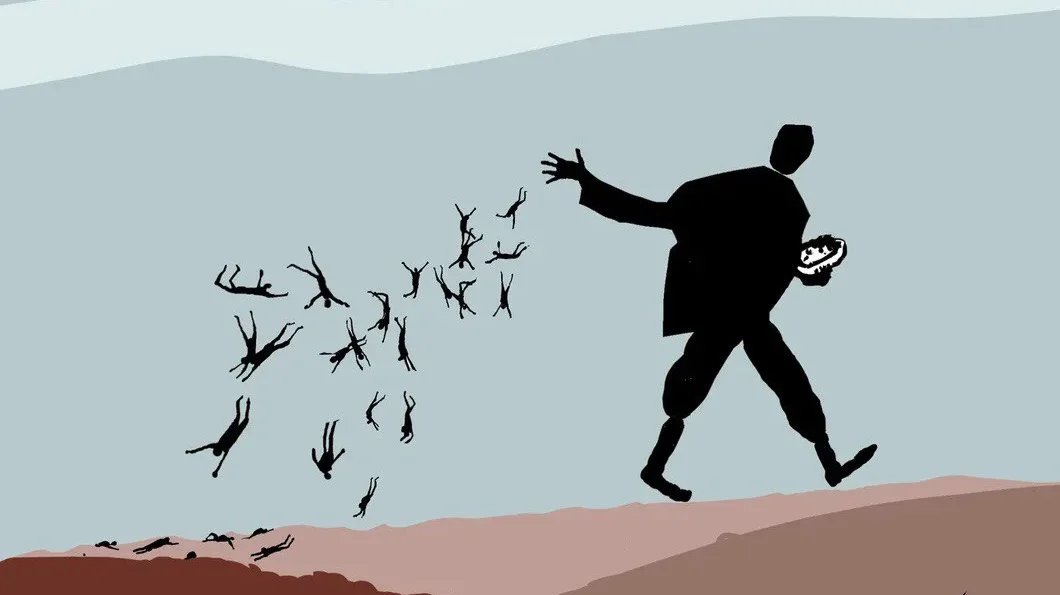
Over the past 10 years, the question has been constantly raised in Russian liberal discourse: when will the patience of the people be exhausted? Or differently: when will the "bottom" be broken? Possible forecasts: when the standard of living decreases and the "refrigerator will win the TV." Когда нарушения прав человека достигнут запредельного характера. When it is obvious that all universal moral standards are violated. When there is a direct threat of physical survival.
The events of the last year, the culmination of which for Russian society was partial mobilization, seemed to show that such a “bottom” in principle does not exist. I do not think that this situation is unique and characteristic only for our country.
I believe that on a wider scale, a similar situation is characteristic of all countries with long dictatorial regimes, as well as for countries with a high level of crime and insecurity of the population from criminal terror.
The general in both cases is that in the face to a greater or lesser degree organized groups using violence, citizens cannot feel safe and, accordingly, cannot openly declare their interests and rights. And unfortunately, even when the darkest historical periods end, they leave their traces on the body of society, as well as physical injuries - for example, fractures - leave traces in the human body, sometimes limiting his ability to spontaneous movements.
So why didn’t the “bottom” break through where, it would seem, it should have been broken for a long time? I will try to speculate about this from the point of view of discoveries made in the field of psychology and one of its applied areas - psychotherapy.
The first thing that comes to mind is some methods that were popular in psychotherapeutic practice in the 60–70s of the last century. At that time, people who had difficulties with the manifestation of aggression, in a safe therapeutic situation, were artificially provoked to expression of anger.
But, as it later became clear, although for some such an approach turned out to be useful, people who had previously had serious mental injuries, he led to an even greater sense of helplessness, guilt and further aggravated them and so dysfunctional state.
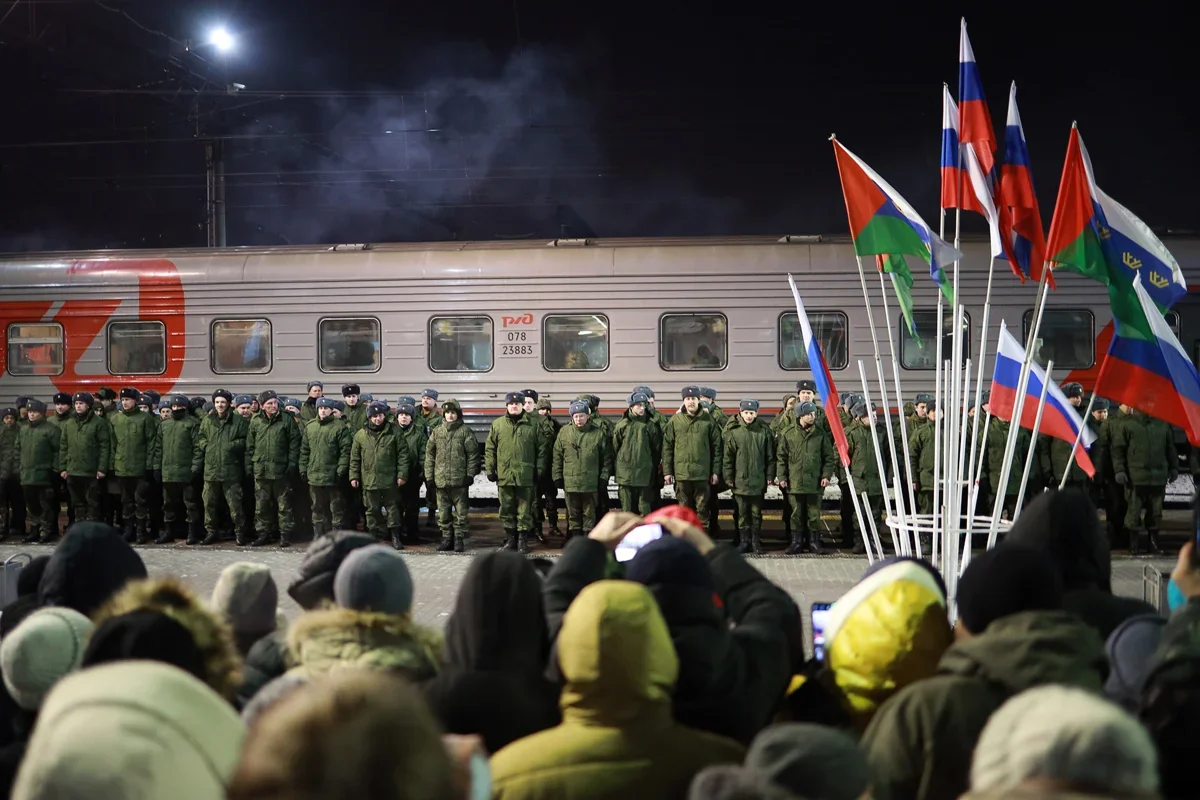
Second. Observations of practitioners of psychotherapists showed: people who survived the injury of violence to a stimulus, reminiscent of it with something, react with fading, rather than mobilization and an attempt to resist or run away. This is quite consistent with the results obtained in laboratory studies conducted back in the 60s by psychologist Martin Seligman. In his experiment, the dogs, which received inevitable strokes by a stouter shker when trying to break out of the aviary, subsequently did not even try to do this, unlike dogs that did not have this experience. Subsequent experiments conducted in public (of course, more humane) showed that these patterns are also characteristic of humans.
Let's get back to the initial issue. Why even the direct threat of one’s own life or the life of loved ones practically does not work? Although many on the sidelines expressed their anxiety and despondency about partial mobilization, but at the level of Russian society as a whole, this did not manifest in anything other than individual sporadic disturbances. The predominant trend was its calm and hopeless adoption. Actually, the above -mentioned studies largely explain this.
It has already become a common place to repeat that our society is post -traumatic, given the history of serfdom, political repression, deportations, the Second World War, etc. etc. The historical experience of the twentieth century in the Soviet space, in which several generations of compatriots were brought up, as if he were called upon to demonstrate:
Any disputes, especially attempts to active resistance to state power do not lead to anything good. The only way to maintain relative personal well -being, getting a chance to survive is to freeze, hide, be silent.
Why did this path of response become so stable with us? After all, the periods of mass injuries were among all peoples without exception. The peculiarity of our history lies in the fact that Russian society practically had no response for recovery.
As is known from the psychology of injury, not a single person is given to avoid severe, crisis experiences. But how he can cope with this, whether he can psychologically recover, depends on whether he will have conditions that allow you to process the traumatic experience. That is, from whether he will meet with a supporting environment, whether it will be possible to openly talk about what happened, and his feelings about this. If a person has become a victim of aggression on the part of other people, then whether an assessment will be given to what happened, whether the culprit will be punished, criminal, or at least in the form of moral conviction.
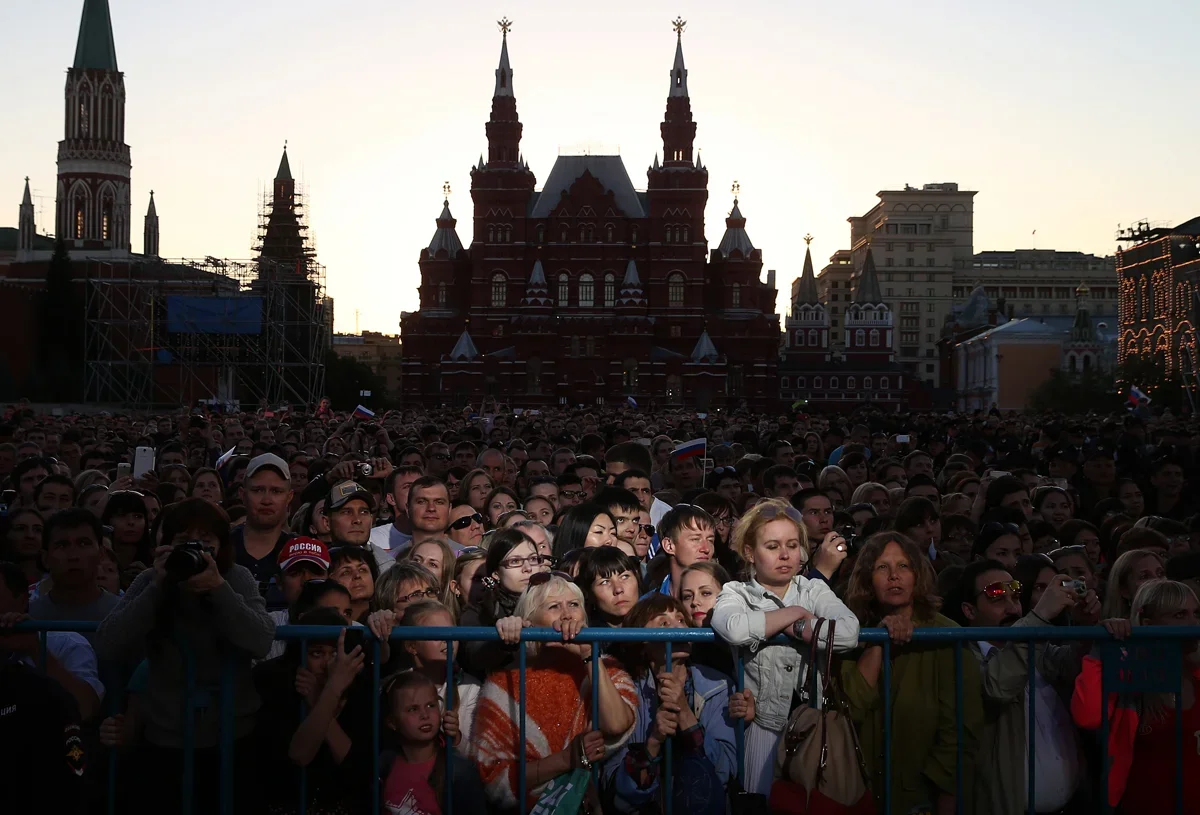
As we know, attempts to do such work in our country were, but, unfortunately, turned out to be partial and incomplete. Therefore, to this day, any provocation resembling the events of the past - the threat of repression or excommunication from the conventional community is perceived as catastrophic and causes a reaction of freezing and passive subordination.
Let me make the assumption that these answers that become reflex cannot be changed using external and even internal provocations.
There is no “bottom” because the will is suppressed too deep. This is the situation when the victim cannot resist the aggressor, not even due to the fact that she does not have physical opportunity, but due to the fact that she fell into a state of stupor.
Most likely, these behavioral models can change over time, but probably already in future generations and only as a result of a change in the socio-political situation within the state.
In psychotherapeutic work with an individual, who suffered from injury, a priority task is to create a security atmosphere, in which he gradually learns to in contact with painful experience, reflect and rethink it, show his own, and not imposed by someone, feelings and desires. I think that this principle is no less relevant for large communities.